REVIEW · LUXOR
Private Habu Temple, Valley of the Artisans, Valley of the Queens from Luxor
Book on Viator →Operated by Emo Tours Egypt · Bookable on Viator
Three West Bank stops, one easy day. It’s a smart way to connect Luxor’s funerary world—temples, workers’ art, and royal tombs—under the direction of a private guide. You’ll see Medinat Habu (Ramesses III), then the Valley of the Artisans, and finish in the Valley of the Queens.
I like two big things here. First, the logistics are handled: morning hotel or Nile cruise pickup, private A/C transport, entrance fees, plus bottled water. Second, the format makes it easier to get meaning from the art—exactly the kind of day where a strong guide can point out what you’re actually looking at inside the tombs and on temple walls.
One consideration: you’ll be outside a lot, and Luxor heat can hit hard even in the morning. Plan for sun exposure and slow your pace when needed so the day stays enjoyable.
In This Review
- Key points to know before you go
- A private West Bank morning: why this format works
- Temple of Medinat Habu: Ramesses III and the art that still reads clearly
- Deir el-Medina (Valley of the Artisans): meet the people behind the famous tombs
- Valley of the Queens: Ta-Set-Neferu and the afterlife system behind it
- Price and value: what you’re really paying for at $55 per person
- Timing and pacing: how the 6-hour day feels on the ground
- Comfort, heat, and what to bring so the day stays fun
- Who this private tour is best for
- Should you book the Habu Temple, Artisans, and Queens private tour?
- FAQ
- What sites are included in the tour?
- How long is the private tour?
- Do you get hotel pickup and drop-off?
- Are entrance fees included?
- Is lunch included?
- Is bottled water provided?
- Is it really private?
- Do I receive a mobile ticket?
- Is there free cancellation?
- What’s the typical booking lead time?
Key points to know before you go
- 7:00 am pickup from your Luxor hotel or Nile cruise keeps the day from turning into a midday grind
- Medinat Habu’s Ramesses III temple is long, intact, and often less crowded than the headline sites
- Deir el-Medina (Valley of the Artisans) explains who built the tombs and what their daily world looked like
- Valley of the Queens (Ta-Set-Neferu) connects royal burials with the rituals that sustained the afterlife
- Entrance fees included, plus bottled water and time with a guide to ask questions
- Private pacing means you can linger for photos and details without group pressure
A private West Bank morning: why this format works
Luxor’s West Bank is spread out, and it’s not the kind of place where you want to wrestle with tickets and transport between sites. This tour solves the main pain points. You get a licensed guide and private A/C vehicle, plus pickup and drop-off from your hotel or Nile cruise.
The timing matters too. With a morning start around 7:00 am, you’re more likely to enjoy the sites before heat and crowds take over the experience. It’s also a better rhythm for tomb visits, because your energy is still intact when you step into quieter spaces.
Another practical win: entrance fees are included for the stops you’re visiting. That means you can focus on the art and architecture instead of checking what’s open, what costs extra, and where to buy tickets. If you’re trying to build a West Bank day without extra planning, this is set up for you.
You can also read our reviews of more private tours in Luxor
Temple of Medinat Habu: Ramesses III and the art that still reads clearly
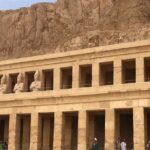
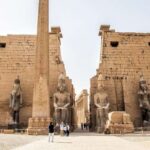
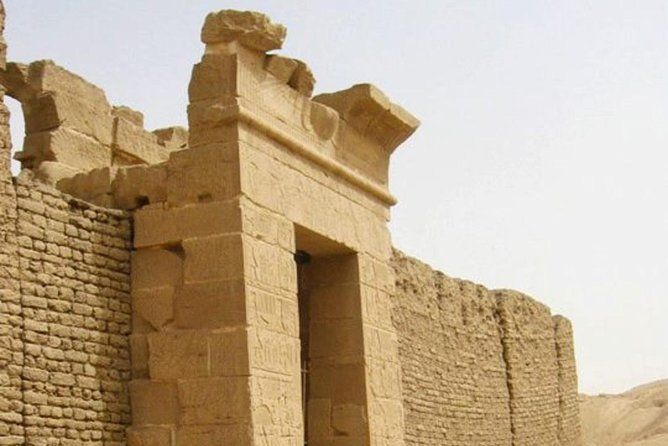
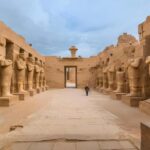
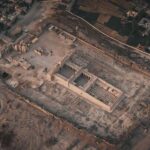
Medinat Habu is one of those Luxor locations that rewards attention. It sits near the Theban Hills on the West Bank, and the area is strongly associated with the Mortuary Temple of Ramesses III. The temple is about 150 meters long, and it follows an orthodox design that echoes the style of the mortuary temple of Ramesses II (the Ramesseum).
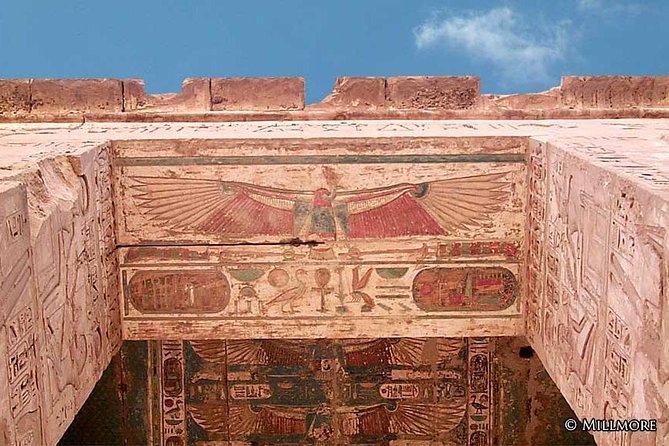
What I love about this stop is the way it helps you feel the logic of temple art. In many Luxor visits, you rush past wall scenes and miss the story they’re telling. Here, a good guide can connect vivid paintings and reliefs to what the Egyptians believed about kingship, ritual, and the role of temples after death.
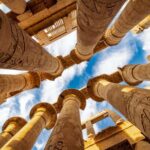
Medinat Habu also makes a great balance point in the day. After the long drives and big monuments, this is a site where you can slow down and look at the work itself: carved columns, relief surfaces, and the overall layout of a mortuary temple complex. It’s not just about being impressed; it’s about understanding why the Egyptians built so carefully for worship and remembrance.
One watch-out: this temple still means walking in open sun around parts of the complex. If you’re sensitive to heat, you’ll want to follow your guide’s pace and take shade breaks when they appear.
Deir el-Medina (Valley of the Artisans): meet the people behind the famous tombs
After Medinat Habu, you head to Deir el-Medina, often called the Valley of the Artisans. This is the part of the West Bank day that turns the myth into human scale.
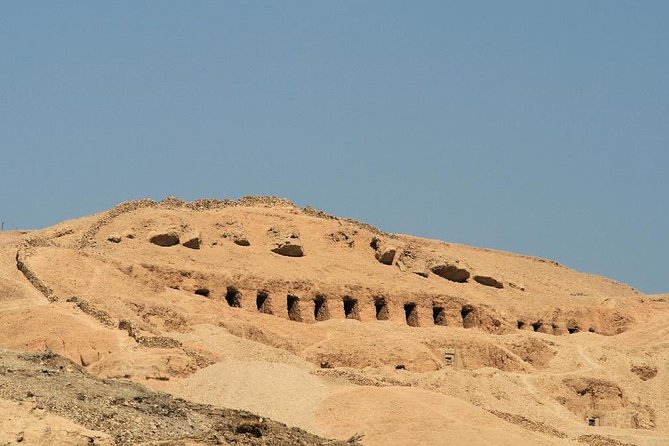
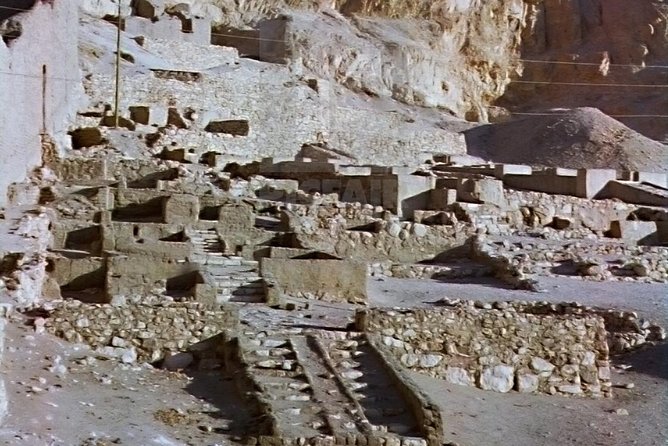
Deir el-Medina was an ancient Egyptian village where the artisans lived and worked. These weren’t royalty or priests. They were the people who created and maintained tombs in the Valley of the Kings during the 18th to 20th dynasties of the New Kingdom period (about 1550–1080 BC).
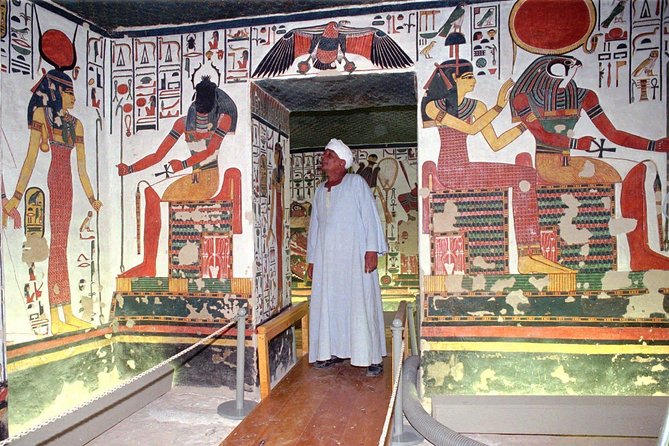
This is why the stop feels so satisfying. Instead of just seeing royal tombs from the outside, you get the missing context: who made them, where they lived, and how their community worked. When you’re standing in front of their preserved paintings, it helps to remember these were the artists of the tombs—not just observers.
If you care about craftsmanship, this is where your guide can really help you see details in the artwork. Past guests have praised guides for explaining scenes clearly and pointing out what’s significant, not just what’s visible. You’ll also appreciate that the village setting makes the whole story feel grounded: it’s easier to picture daily life when the scale and layout are part of what you’re seeing.
If you’re the type who loves questions, this is a good match. Deir el-Medina naturally leads to “How did they do that?” and “What did their jobs involve?” The guide can connect those dots to the broader West Bank system of burial and commemoration.
Valley of the Queens: Ta-Set-Neferu and the afterlife system behind it
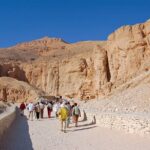
The last major stop is the Valley of the Queens, in ancient times known as Ta-Set-Neferu, meaning the place of the Children of the Pharaoh. This matters because it’s not only about wives of pharaohs.
During ancient times, the valley served as a burial location for queens of the 18th, 19th, and 20th dynasties, and it also included princes and princesses and members of the nobility. In other words, it’s a window into royal family burial practices, not just one narrow category of tomb.
What makes this stop especially meaningful is the ritual angle. The tombs weren’t static monuments. They were maintained by mortuary priests who performed daily rituals and provided offerings and prayers for the deceased. That concept changes how you look at a tomb: you stop treating it like a sealed room and start seeing it as part of a continuing religious system.
In some visits, one tomb may be closed for renovation, which can make the valley quieter. That has happened at least at times with the Tomb of Nefertari, and it can change the feel of your visit in a good way if you’re trying to avoid the hardest bottlenecks.
Whatever the day’s status, the overall effect is the same: this valley helps you understand the West Bank as a whole—working-class artisans, powerful kings, and royal women, all connected through belief and memorial practice.
Price and value: what you’re really paying for at $55 per person
At $55 per person, this tour’s value comes from what’s included and what that removes from your day.
You’re getting:
- Hotel or Nile cruise pickup and drop-off
- Private A/C transport
- A tour guide
- Entrance fees
- Bottled water
That combination adds up fast if you try to piece it together alone: transport, tickets, and a guide who can connect the scenes to meaning. Here, you’re paying for fewer moving parts and more time using your guide’s explanations.
The two things not included are also important to know up front. Lunch isn’t included, and you’ll likely want to budget for it somewhere convenient near the route or bring snacks beyond what’s provided. Tipping isn’t included either, and that’s normal for private guides.
Also, entrance inclusions can vary by tour options. The key point: the core set of stops and their entrance costs are part of the package, but if you choose to add something extra later, prices can shift.

Timing and pacing: how the 6-hour day feels on the ground
This is designed to be around 6 hours total. You’ll spend roughly two hours at each stop, including entry time, with travel time between sites handled by your driver.
That length is a sweet spot for the West Bank. Too short, and you’re sprinting. Too long, and you start getting heat fatigue before you even reach the best part of the day. With this schedule, you can slow down when something catches your eye—like a specific scene in Habu or a detail in Deir el-Medina—without feeling like you’re falling behind.
Private pacing is also a quiet superpower here. In a group setting, you often follow a leader’s timing. On a private tour, you can ask questions freely, and your guide can shape the conversation around what you care about most: hieroglyphs, religion, burial customs, or just how the sites were laid out.
If you’re photo-focused, this tour can work well because you have time. You won’t be stuck for one quick look and off you go.
Comfort, heat, and what to bring so the day stays fun
Heat is the obvious enemy. Even with an early start, the West Bank can still feel intense. I strongly recommend planning like you’re going to spend a long time outdoors in sun: hat, sunscreen, water you can sip, and light layers you can remove or add.
Your tour includes bottled water, but I still suggest bringing your own personal bottle if you’re the type who drinks consistently. The walkways and tomb entrances can also mean uneven ground, so wear shoes that are comfortable for long stretches.
Also think about fatigue. The day includes temple walking and tomb interiors, so expect a mix of bright sun outside and dimmer spaces inside. Keep your camera ready, but also keep your breathing steady—moving too fast inside can turn a beautiful visit into a tired one.
If lunch isn’t included, plan for the gap. Choose a lunch plan before the day starts, or bring extra snacks that you can tolerate in warm weather.
Who this private tour is best for
This tour fits well if you want a clear West Bank day without the hassle of planning every component.
It’s especially good for:
- Couples or solo visitors who want a slower, question-friendly pace
- Anyone who already knows the Valley of the Kings but wants the sister sites that explain the people behind the tombs
- Art and architecture fans who want to connect funerary temples, artisan life, and royal burial in one route
- Anyone who prefers fewer crowds and more time on site rather than constant regrouping
If you’re traveling with limited time in Luxor, this is also a practical choice because it covers three major themes in one morning-style schedule.
Should you book the Habu Temple, Artisans, and Queens private tour?
I’d book this if you want a structured West Bank day where you’re not guessing about transport or entrance logistics. The big reason is value: entrance fees and pickup are included, and you get a guide who can help you read the sites instead of just moving through them.
I’d be a little cautious if you’re very heat-sensitive or you dislike long outdoor stretches with limited shade. If that’s you, aim for the best seasons you can, bring sun protection, and trust the early start.
Overall, this is a strong pick for people who want the West Bank to make sense: not just famous tombs, but the temple world around them and the community that built it.
FAQ
What sites are included in the tour?
The tour includes Medinat Habu (Temple of Medinat Habu / Mortuary Temple of Ramesses III), Deir el-Medina (Valley of the Artisans), and the Valley of the Queens.
How long is the private tour?
It’s approximately 6 hours total.
Do you get hotel pickup and drop-off?
Yes. Pickup and drop-off are included at hotels in Luxor (or your Nile cruise, based on the pickup description).
Are entrance fees included?
Yes. Entrance fees are included for the sites visited, though the additional info notes entrance fees can depend on the tour options chosen.
Is lunch included?
No. Lunch is not included.
Is bottled water provided?
Yes. Bottled water is included.
Is it really private?
Yes. It’s a private tour/activity, meaning only your group participates.
Do I receive a mobile ticket?
Yes. The tour includes a mobile ticket.
Is there free cancellation?
Yes. You can cancel up to 24 hours in advance for a full refund.
What’s the typical booking lead time?
On average, this tour is booked about 29 days in advance.