REVIEW · LUXOR
Private Full Day Tour of Luxor west Bank Tombs and temples
Book on Viator →Operated by Icon Tours Egypt · Bookable on Viator
One day on the West Bank can change how you see Egypt. This private tour strings together royal tombs and big temple complexes with an Egyptologist explaining what you’re looking at, from myth in the paintings to the people who built the tombs. I like that it covers the major sites without turning your day into a logistics puzzle.
My favorite part is the mix of royal burials and the work behind them. You get the grandeur of the Valley of the Kings and the deeper human scale of Deir el-Medina, where the artisans and laborers actually lived. I also appreciate the air-conditioned vehicle with round-trip pickup, plus a bottle of water to keep you steady through a long day.
One possible drawback: it is an 8-hour circuit, so each stop gets a solid chunk of time, but it’s still a lot to fit in. If you’re the type who wants to linger for hours inside one tomb, plan for a more structured pace than you might expect.
In This Review
- Key points to plan for
- Valley of the Kings first: where royal mythology lives
- Hatshepsut at Deir el-Bahari: power, planning, and trade
- Colossi of Memnon: a quick stop that’s worth slowing for
- Medinet Habu: Ramses III and the look of authority
- Deir el-Medina: meeting the people behind the tombs
- Valley of the Queens: Nefertari’s tomb and afterlife scenes
- Staying comfortable during an 8-hour West Bank day
- Price and value: why $16 can make sense here
- Who should book this private West Bank tour
- Should you book this Luxor West Bank tomb and temple day?
- FAQ
- How long is the Private Full Day Tour of Luxor West Bank Tombs and Temples?
- Is hotel or Nile Cruise pickup included?
- Who is guiding the tour?
- What entrance fees are included?
- Is the tour private?
- Is transportation included, and is it air-conditioned?
- Is tipping included in the price?
- What is the cancellation policy?
Key points to plan for
- Egyptologist guide in English: you’re not just viewing sights, you’re getting the story behind them
- Entrance fees are included for all the main stops, including Valley of the Kings and Valley of the Queens
- A/C pickup and drop-off from your Luxor hotel or Nile Cruise keeps the day comfortable
- Full West Bank emphasis: Valley of the Kings, Hatshepsut, Colossi of Memnon, Medinet Habu, Deir el-Medina, Valley of the Queens
- Private format for your group: only your party joins, so questions and timing stay easier
- $16 price with lots included, but you still need to budget for tipping
Valley of the Kings first: where royal mythology lives
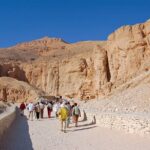
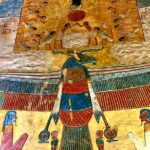
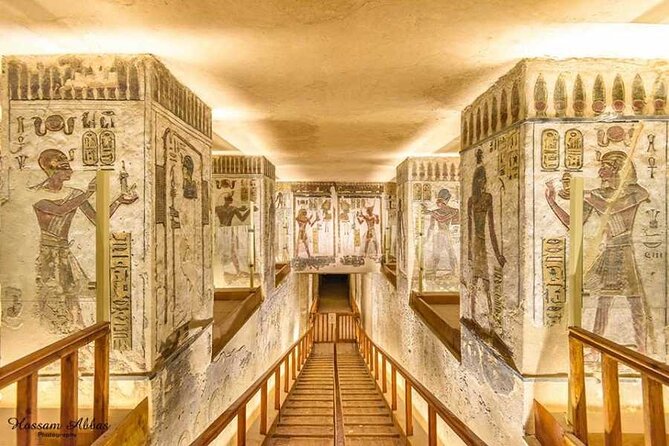
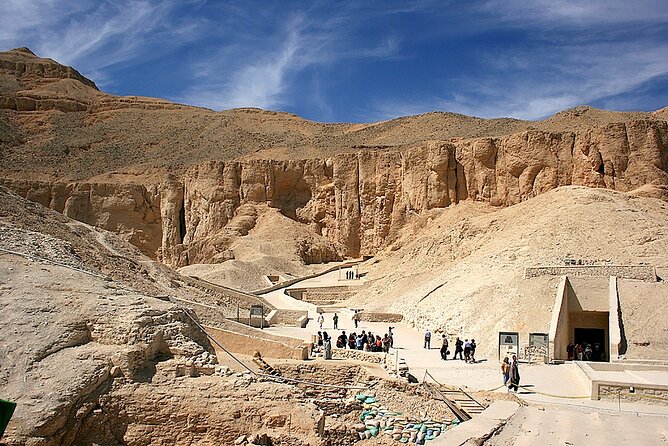
Your day starts with the Valley of the Kings, the West Bank’s main event. This burial ground holds dozens of royal tombs (63 are listed for the valley), and the interiors are where you really feel the Egyptian imagination at work—myth, ritual, and the afterlife ideas painted into stone.
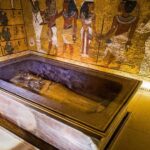
The time here is about 2 hours 30 minutes, and that’s a smart length. You get enough minutes to orient yourself, see the style of decoration, and understand why each tomb is more than a box for a body. You’ll also hear about the famous royal occupant often associated with the valley—Tutankhamun—as part of the wider story of who was buried here and why.
Practical note: tomb sites can make you move carefully. Keep a steady pace, look up when the ceilings and wall scenes are visible, and remember that even when you’re not inside the most famous tomb, the overall layout still helps you grasp how the Valley functioned.
You can also read our reviews of more private tours in Luxor
Hatshepsut at Deir el-Bahari: power, planning, and trade
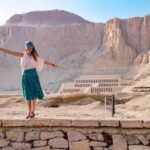
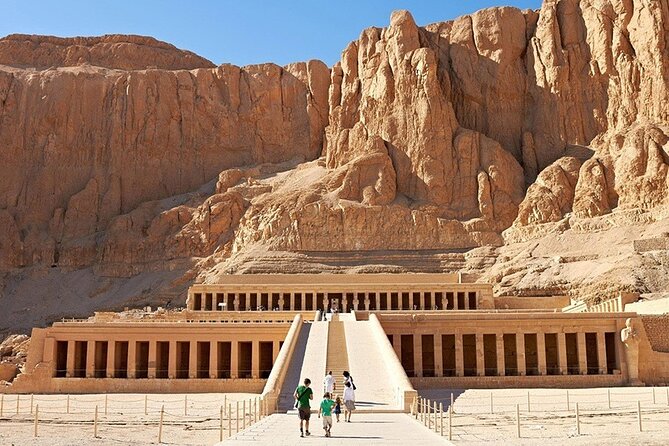
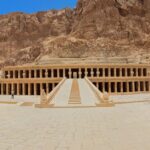
Next up is the Temple of Hatshepsut at Deir el-Bahari. Hatshepsut ruled as a female pharaoh, and the site’s scale and design reflect how seriously her reign was treated. It’s also tied to major themes of Egyptian power beyond the battlefield—especially state organization and even trading connections.
You’ll have about 1 hour 30 minutes here, which is enough to take in the architecture and notice how the temple works as a sequence. The guide’s explanation matters a lot at this stop because Hatshepsut can feel like a name you’ve heard, until the temple’s role in her royal image clicks into place. This is one of those sites where you’ll understand more just by paying attention to what’s where—courtyards, ramps, and the way visitors move through the space.
If you enjoy strong political history mixed with art and architecture, this stop is one of the best anchors of the day. It’s not only impressive; it’s readable with a good guide.
Colossi of Memnon: a quick stop that’s worth slowing for
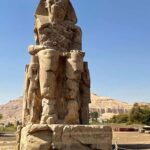
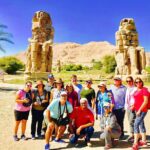
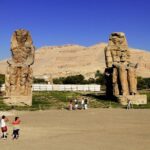
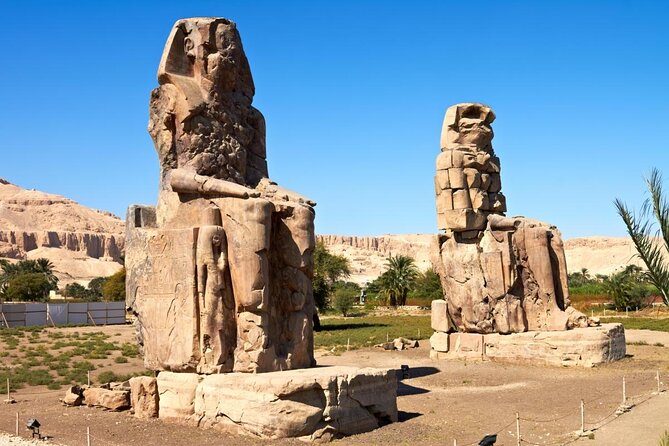
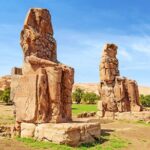
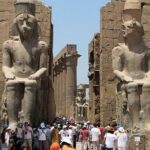
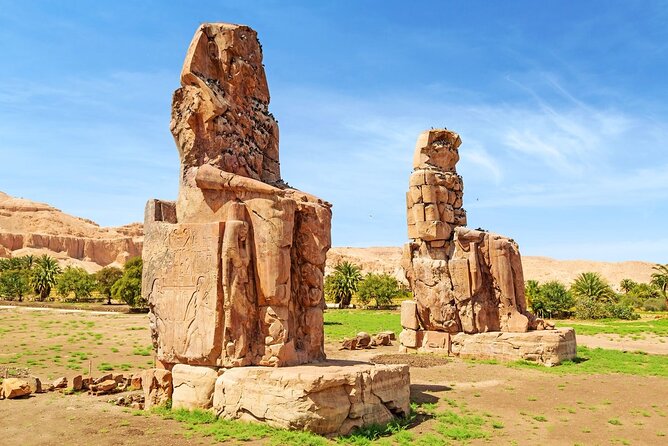
Then you hit the Colossi of Memnon—two towering statues carved from quartzite sandstone. The visit time is about 30 minutes, so yes, it’s quick. But it’s also a good reset: after tomb interiors and temple buildings, you get a large-scale outdoor view that helps you picture what the landscape once held.
For a short stop, it’s still effective. Stand back far enough to see the full proportions, then move closer so you can appreciate how much stonework was required to create such height and presence. Even without long explanations, the statues help you feel the scale of Theban monumental building.
This stop also gives you a breath before lunch. Use those 30 minutes to regroup, grab photos without rushing, and let the day feel less like a checklist.
Medinet Habu: Ramses III and the look of authority
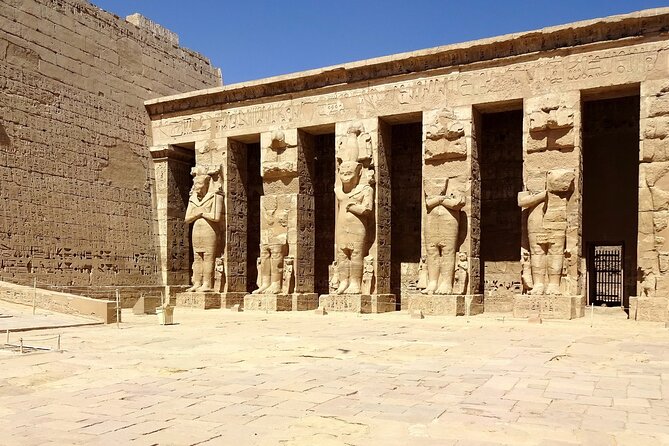
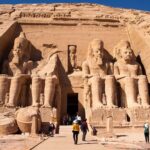
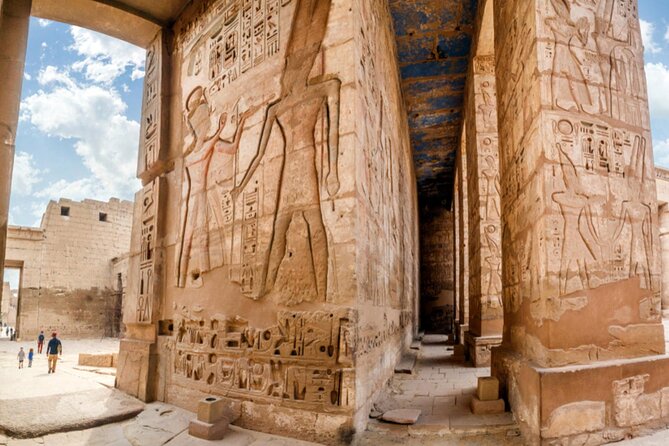
After lunch (you’ll take a break before the next temple), you’ll go to Temple of Medinet Habu. This is a big moment because it was commissioned by King Ramses III, and the temple’s design is built to project strength and legitimacy.
You’ll have around 1 hour here. That’s enough to understand the temple’s overall layout and focus on the details you’ll see once the guide explains what they represent. Medinet Habu can feel more grounded than some other grand temple spaces because it’s anchored to a specific reign and a clear purpose: commemorating rule through stone, carving, and space.
I like that this stop connects you to the idea that temples were not only religious centers. They were also public statements—ways to reinforce authority and make history feel permanent.
Deir el-Medina: meeting the people behind the tombs
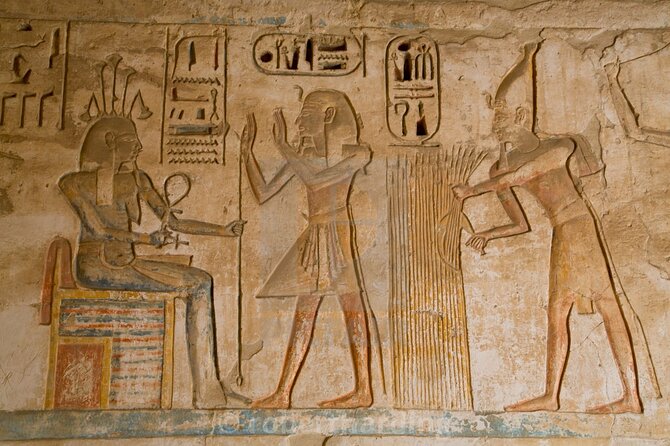
One of the strongest reasons to choose this tour is Deir el-Medina, the workmen’s village. This is where the day stops being only about pharaohs and starts getting personal. The artisans and laborers lived here and worked on the royal tombs in the Valley of the Kings, including design planning and decoration.
You’ll spend about 1 hour at the site. That hour can feel short on paper, but it works because the village remains help you imagine daily life: work routines, roles, and the human side of monumental projects. It also changes how you view what you saw earlier. When you understand that skilled workers had their own homes and community, the tombs stop feeling like remote royal artifacts and start feeling like the result of coordinated human effort.
If you enjoy archaeology that tells you who did the work, this stop is often the one people remember long after the photos are done.
A few more Luxor tours and experiences worth a look

Valley of the Queens: Nefertari’s tomb and afterlife scenes
After Deir el-Medina, you’ll head to the Valley of the Queens, another key burial area in the Theban necropolis. It served as a burial place for queens of the New Kingdom, and the site includes more than 90 known tombs. The most famous connection is Queen Nefertari, associated with stunning wall paintings and detailed afterlife scenes.
The visit time is about 1 hour, and that timing is realistic. Queens’ tombs can vary a lot in decoration and visitor visibility, so it’s smart to focus on the meaning of the artwork and the recurring afterlife themes rather than trying to see everything possible.
Even when you can’t get long inside any single tomb, the guide’s explanations give the paintings context. You’ll hear how scenes and texts connect to the journey to the afterlife, and how royal burial practices shifted across centuries.
This stop is a great final note for a West Bank day because it broadens the story. You go from kings to queens, from monuments to the rituals meant to protect identity beyond death.
Staying comfortable during an 8-hour West Bank day
This is a full-day tour, about 8 hours total, with hotel or Nile Cruise pickup and drop-off. That matters because Luxor days can add up fast once you factor in driving time on the West Bank and the stop-and-see rhythm between sites.
The vehicle is modern and air-conditioned, and there’s a bottle of water included. I’d still suggest bringing sun protection and wearing comfortable walking shoes, because you’ll be outside at multiple sites and moving between areas throughout the day.
Because the tour is private, the pace is less frantic than many group tours. You’ll also be able to ask questions at the moments when something catches your attention, instead of waiting your turn. Just keep in mind the built-in structure: time is fixed per stop, so you won’t be able to turn one temple visit into an all-afternoon project.
Price and value: why $16 can make sense here
At $16 per person, this tour is priced surprisingly low for a full West Bank day. The big reason is that many of the cost drivers are already handled for you.
What’s covered includes:
- Egyptologist English-speaking guide
- Entrance fees to Valley of the Kings, Hatshepsut Temple, Valley of the Queens, Deir el-Medina, Medinet Habu, and Colossi of Memnon
- A/C vehicle transfers and round-trip pickup from your Luxor hotel or Nile Cruise
- All service charges & taxes
- Water bottle during the trip
What’s not included is tipping, which is standard in Egypt for good service. Also note that the tour data mentions an option about professional guide + transfers for cases where you choose a different setup, but for this package the key inclusions are clear.
One more practical detail: the tour is often booked ahead, with an average booking window of 15 days. If your dates are tight, I’d reserve early so you get the exact time that fits your Luxor schedule.
Who should book this private West Bank tour
This works best if you want the West Bank’s highlights with explanations that make the sites feel linked, not random. If it’s your first time in Luxor, you’ll appreciate the efficient sweep from royal tombs to major temples and then to the builders at Deir el-Medina.
I’d also recommend it if you like history but don’t want to spend your day figuring out how to move between far-flung sites. The pickup, the A/C, the entrance fees bundled in, and the guide all reduce friction.
It may not be the best fit if you’re the kind of traveler who loves extremely slow museum-style pacing. With multiple stops in a single day, you’ll be learning and seeing constantly, which is great for momentum—but you may want a slower add-on if you want deep time in one tomb.
Should you book this Luxor West Bank tomb and temple day?
Yes, if you want a smart, story-led West Bank overview with entrance fees included and a guide who can connect what you’re seeing. This day is built to help you understand how royal burials, monumental temples, and working communities fit together on the West Bank.
Book it especially if you care about the human layer—how tombs were built and who lived nearby in Deir el-Medina. And do it if you’d rather spend your energy on questions and photos than on ticket lines and transport planning.
If you’re mainly after one specific tomb or want a slow pace, consider adding extra time on your own after this tour so you can linger where you feel the strongest pull.
FAQ
How long is the Private Full Day Tour of Luxor West Bank Tombs and Temples?
It runs for about 8 hours (approx.).
Is hotel or Nile Cruise pickup included?
Yes. Pickup is offered from your Luxor hotel or Nile Cruise, and you’ll also have return transport.
Who is guiding the tour?
The tour includes an Egyptologist English-speaking guide.
What entrance fees are included?
Entrance fees are included for the Valley of the Kings, Hatshepsut Temple, Valley of the Queens, Deir el-Medina (workers village), Medinet Habu Temple, and Colossi of Memnon.
Is the tour private?
Yes. It’s a private tour/activity, and only your group participates.
Is transportation included, and is it air-conditioned?
Yes. All transfers are by a modern A/C vehicle.
Is tipping included in the price?
No. Tipping is not included.
What is the cancellation policy?
You can cancel for a full refund up to 24 hours in advance of the experience’s start time.