REVIEW · LUXOR
Luxor Day Tour to Habu Temple, Valley of the Nobles and Deir El Madina
Book on Viator →Operated by Egypt Gift Tours · Bookable on Viator
West Bank temples feel strangely personal. This Luxor day tour strings together Medeninat Habu, Deir el-Medina, and the Valley of the Nobles so you understand who built, worked, and governed during the New Kingdom. The big win is an Egyptologist guide plus a relaxed private pace for questions and photos.
I especially like the included, air-conditioned transfer from your Luxor hotel or Nile cruise—no taxi math, no waiting around. And the timing is well-spaced: about 90 minutes at Medinat Habu, then a full hour at Deir el-Medina and another hour at the Valley of the Nobles. That structure helps you actually see what you came for instead of power-walking through.
One thing to plan for: entrance fees are not included, and you’ll want cash on hand for extras like drinks and tipping your guide/driver. Also, 6 hours can feel like a lot if you are already dealing with jet lag or Luxor heat.
In This Review
- Key highlights from the West Bank trio
- West Bank mornings: pickup, pacing, and a realistic 6-hour plan
- Medinat Habu and Ramesses III: why this temple wall matters
- Deir el-Medina: artisans, family tombs, and paintings that explain work
- Valley of the Nobles: seeing status in relief and daily-life scenes
- Guides like Hatem Ibrahim and Mona: why interpretation is the real product
- Price and Logistics: does $70 buy real value?
- Who should book this West Bank combo?
- Should you book? A simple decision guide
- FAQ
- What time does the tour pick you up?
- How long is the tour?
- Which sites are included in the day?
- Are entrance fees included in the price?
- Do I need to tip the guide or driver?
- Is transportation included?
- Is this tour private?
- Do I need cash for anything during the tour?
- How do I pay for entrance fees?
Key highlights from the West Bank trio
- Medinat Habu’s Ramesses III story, tied to one of the famous labor-strike accounts associated with his reign
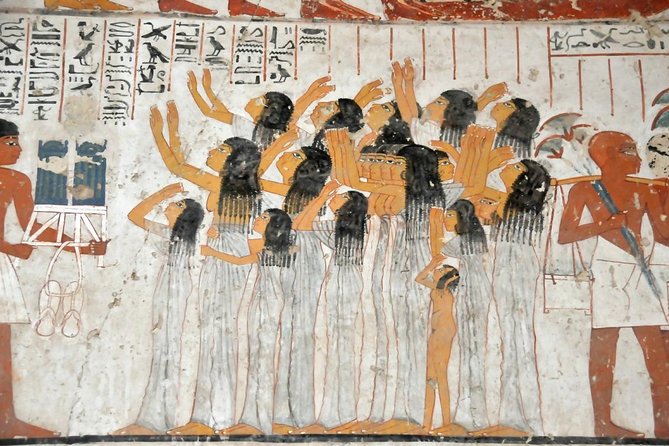
- Deir el-Medina (Valley of the Artisans), where the workforce behind royal tombs lived and signed their work through art and daily-life scenes
- Valley of the Nobles reliefs, focused on officials’ careers and how status showed up in art
- Private, air-conditioned hotel/Nile-cruise pickup, with time built in for questions and photos
- A guide who explains symbols, not just dates—this is the kind of tour where interpretation changes everything
- Mobile ticket + card-only entrance payments, but bring cash for tipping and any drinks
West Bank mornings: pickup, pacing, and a realistic 6-hour plan
This tour starts with pickup around 8:30 am from your Luxor hotel or Nile cruise. You’ll ride in a private air-conditioned vehicle (one of those small comforts that ends up feeling like a big deal in the West Bank heat). The drive is about 40 minutes, and it’s time to settle in, get your bearings, and let your guide set the theme for the day.
The whole experience runs about 6 hours. That length is a practical sweet spot for the West Bank: you get three major stops without feeling like you’re stuck on the road all day. The trade-off is that you can’t linger forever. This route works best if you like seeing multiple sites in one go, with guided context, rather than spending half the day only at one temple.
Also, timing matters because each site has a different “mode”:
- Medinat Habu is temple space and walls you can read.
- Deir el-Medina is about people—craftsmen, families, and the art tied to their work.
- The Valley of the Nobles is about status and officials, shown through carved scenes.
When the day is paced like this, you feel like you’re building a mental map, not just collecting photos.
You can also read our reviews of more tours and experiences in Luxor.

Medinat Habu and Ramesses III: why this temple wall matters
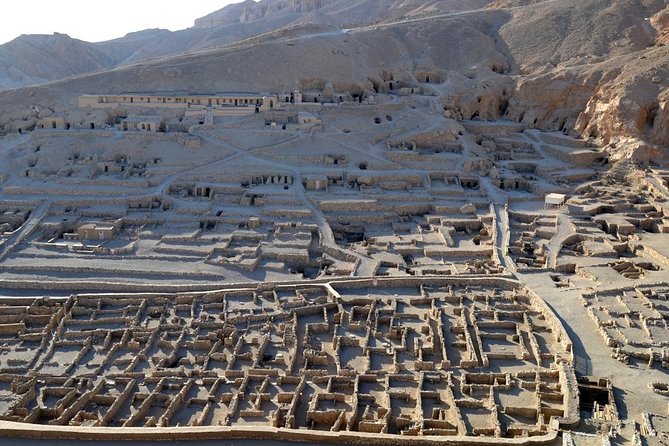
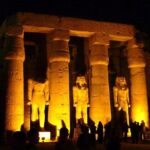
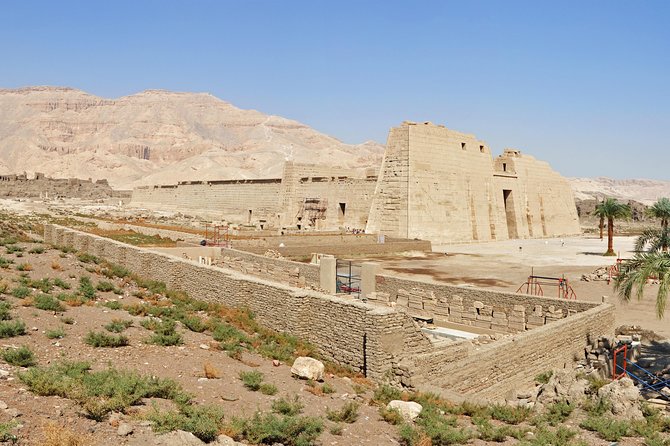
Your first stop is Temple of Medinat Habu, also known as Madinat Habu. It sits at the southern end of the Theban Necropolis, and it’s one of the best-preserved temples in Egypt. You’ll spend about 1 hour 30 minutes here, which is important. Medinat Habu is the kind of place where the meaning doesn’t land instantly—you need time to let your guide point out what to look for.
This temple is closely tied to Ramesses III, and the site is associated with a story about one of the first labor strikes in history against the king. That’s a strong hook for the rest of the day, because the trip continues to Deir el-Medina, the workers’ village. When you see those connections back-to-back, the West Bank starts to feel like a system, not random ruins.
Another feature you’ll notice is the massive mud-brick enclosure wall around the temple area, which may have been fortified. Walls like that aren’t just set dressing. They suggest how temples functioned as more than religious spaces—think controlled access, power, and protection.
Admission fees here are not included, so plan to pay your ticket at the site. The tour information says entrances are paid by card, which is convenient as long as you have one ready. If you only carry cash, you might want to adjust your plan.
What could slow you down: Medinat Habu is full of details. If you aren’t naturally drawn to hieroglyphs and carved scenes, you’ll still enjoy it—but you’ll get the most out of it when you ask questions. This is one of those stops where “What am I looking at?” is a fair question to keep asking.
Deir el-Medina: artisans, family tombs, and paintings that explain work
Next comes Deir el-Medina, also called the Valley of the Artisans and, in some references, the Valley of the Workers. This stop is about 1 hour. It’s located at the northern end of the Theban Necropolis and is basically your “people chapter” of the day.
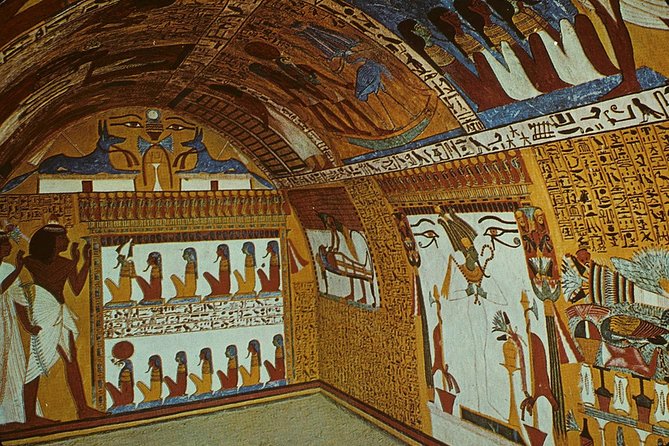
Here’s the core idea: Deir el-Medina was an ancient village home to artisans who worked on tombs in the Valley of the Kings during the 18th to 20th dynasties of the New Kingdom period (around 1550–1080 BC). That time range matters, because it places the village in the middle of the grand tomb-building era. You are not just looking at art—you’re looking at the community behind the art.
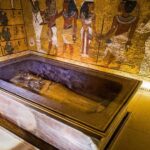
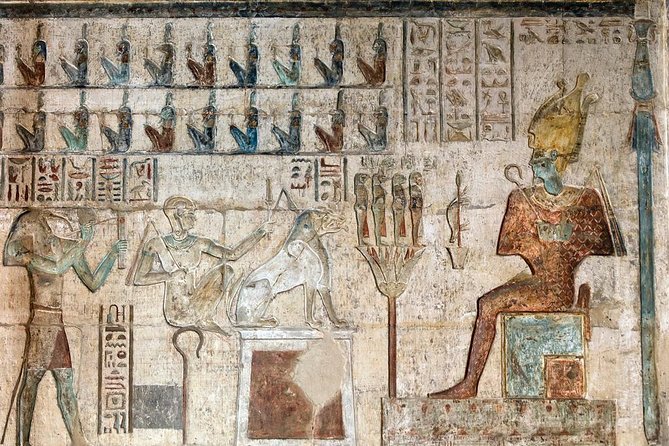
The site is known for workers’ family tombs with colorful paintings. And that’s where interpretation makes the biggest difference. Color and carving aren’t only decoration here; they’re a way of recording daily life and work culture. If your guide has a gift for explaining symbols, you’ll walk away with a clearer sense of how these people lived—and what they valued.
From a value standpoint, Deir el-Medina is often the most emotionally satisfying stop. Temples can feel grand and distant; artisan village tombs feel closer to real human schedules and family stories. This is also a great place to ask how their job connected to pharaohs and royal power, since your previous stop already set up that labor-and-rule theme through Ramesses III.
Admission fees are not included for this stop either. Again, pay at the site, and remember that the tour provides bottle of water but not necessarily other drinks.
A practical note: because it’s an “art and people” site, you’ll likely want your camera settings dialed in and some patience for looking up at paintings and reliefs. A smart guide will slow you down just enough to make you see what you’d otherwise miss.
Valley of the Nobles: seeing status in relief and daily-life scenes
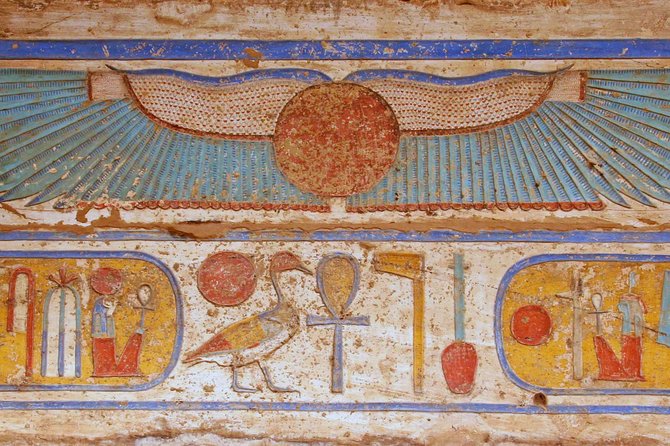
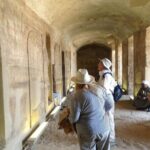
Then you drive over to the Valley of the Nobles, where you’ll spend about 1 hour. This one focuses on tombs of nobles from the New Kingdom, with relief carvings of outstanding quality.
The key payoff here is how the carvings communicate life beyond the tomb. You’re looking at scenes that show:
- daily-life activities
- the official roles of the tomb owners
- how careers worked at court under their pharaohs
So instead of the Valley of the Kings vibe—mostly royal tombs—you get the official class around the royal world. It’s a different layer of ancient society. That makes it a strong pairing with Deir el-Medina: one place shows the builders and workers, the other shows the people whose titles and responsibilities shaped decision-making at court.
Also, the Valley of the Nobles is ideal for travelers who like a clear narrative. Your guide can connect motifs and titles across scenes so you feel like you’re reading a story, not just scanning walls.
Possible drawback: if you’re pressed for time or your interests lean strictly toward the biggest royal monuments, the Valley of the Nobles might feel more specific. The fix is simple: lean into the “officials and daily life” angle and ask your guide which scenes matter most and why.
Guides like Hatem Ibrahim and Mona: why interpretation is the real product
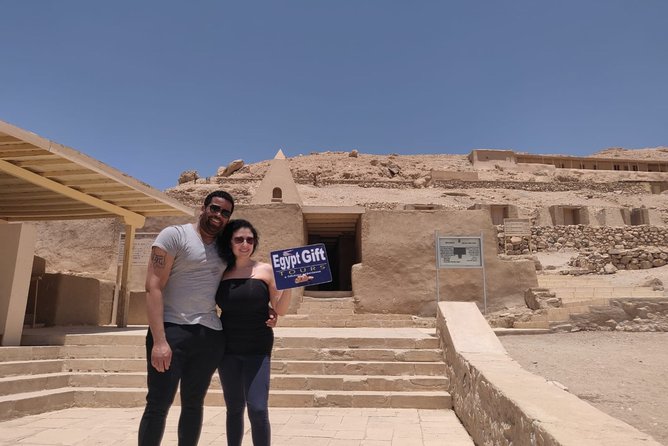
The itinerary is solid, but the biggest differentiator here is the Egyptologist guide. This isn’t a checklist tour where someone points and moves on. The best part is having an expert who can interpret what you’re seeing in practical terms—symbols, hidden meanings, and how to read carvings like they’re telling you something.
Two names you might run into include Hatem Ibrahim and Mona, and both have been described as especially good at making New Kingdom sites feel understandable. Hatem, for example, is praised for taking the time to explain things like hieroglyphs, hidden symbols, and special spots within the Ramesses III temple. Mona is also noted for being friendly and very knowledgeable about Egyptian history.
Even if your guide style differs, the pattern you’re looking for is the same: good explanation should help you notice details fast. It’s the difference between seeing carved figures and understanding what they represent.
If you want the best experience, come with a couple of questions you truly care about:
- How does a workers’ village connect to royal tomb building?
- What does a noble’s career look like in carved scenes?
- Why does a temple have those big defensive walls?
Those questions turn a good tour into a memorable one.

Price and Logistics: does $70 buy real value?
The price is $70 per person, and the tour is often booked about 39 days in advance, which usually means it has steady demand. At this price point, you’re mostly paying for three things:
- A qualified Egyptologist guide
- Round-trip transportation in an air-conditioned vehicle from your lodging
- A private format for your group
Entrance fees are not included, so your final spend will rise once you pay for each site. The good news is that you can pay entrances by card, which is usually easier for short stays. Still, you should budget for entrance tickets at Medinat Habu, Deir el-Medina, and the Valley of the Nobles.
The tour includes a bottle of water, but the details also say to carry cash for water, drinks, and tipping. That’s common in Egypt tours: tips are expected, and tipping often goes smoother when you have cash ready. I’d treat this as a “bring small bills” situation, not a guessing game.
One more small plus: you get a mobile ticket. That reduces stress on arrival day, especially if you’re juggling hotel pickup timing and walking around check-in points.
So is $70 worth it? If you value guided interpretation and hate the hassle of coordinating transport to the West Bank sites, yes. If you’re the type who enjoys traveling totally independently and already has deep knowledge of Egyptian history, you might not use the guide enough to justify the cost. But for most people, the guide and transport arrangement is exactly what makes the West Bank easier and more meaningful.
Who should book this West Bank combo?
This tour is a strong match for you if you want:
- A focused West Bank day with three major sites
- Guided explanations that connect the dots between pharaohs, workers, and officials
- A private experience where you can ask questions and take photos without feeling rushed
It’s also a good fit if you don’t have long in Luxor. You can cover Medinat Habu, Deir el-Medina, and the Valley of the Nobles in one morning-to-midday flow rather than building three separate days around logistics.
If you’re traveling with mixed interests, this route has variety. Temples satisfy the monument lovers. Deir el-Medina satisfies the people-story lovers. The Valley of the Nobles satisfies those who like carved scenes that reflect daily work and rank.
Should you book? A simple decision guide
Book this tour if you want a guided, efficient West Bank day where the sites connect thematically—labor and power, workers and tomb building, officials and carved self-presentation. The $70 price makes sense when you factor in the Egyptologist guide and the comfort of private air-conditioned pickup.
Skip or rethink it if:
- You dislike paying separate entrance fees after booking.
- You don’t plan to carry cash for tipping and small purchases.
- You want a slower, deeper temple-only day with no travel between sites.
If you’re somewhere in the middle, the safest move is to prepare for the basics: carry a card for entrance tickets, bring cash for tips and drinks, and go in ready to ask questions. That’s how you turn three ruins into one coherent story.
FAQ
What time does the tour pick you up?
Pickup is scheduled for around 8:30 am from your Luxor hotel or Nile cruise.
How long is the tour?
The tour runs about 6 hours (approximately).
Which sites are included in the day?
You visit Temple of Medinat Habu, Deir el-Medina (Valley of the Artisans), and the Valley of the Nobles.
Are entrance fees included in the price?
No. Entrance fees are not included, and you’ll need to pay them at each site.
Do I need to tip the guide or driver?
Yes. Tipping is not included, and it’s recommended to bring cash for tipping your guide and driver.
Is transportation included?
Yes. Round-trip transportation from your lodging is included, using an air-conditioned vehicle.
Is this tour private?
Yes. It’s listed as a private tour/activity, meaning only your group participates.
Do I need cash for anything during the tour?
You should carry cash for tipping, and for water or drinks beyond the bottle of water included.
How do I pay for entrance fees?
The tour information says you’ll need to pay entrance fees by card. A mobile ticket is also provided.