REVIEW · LUXOR
Luxor Aswan Nile Cruise Deluxe
Book on Viator →Operated by CRUISE ERA · Bookable on Viator
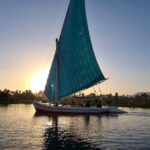
Nile days move at a gentler pace. I love the way this Luxor-to-Aswan deluxe cruise layers guided sights like Karnak and Luxor Temple right at the start, then eases you into the cruise rhythm with lunch onboard and a relaxing evening at sea.
I also like the full-board setup, with included breakfasts, lunches, and dinners plus swimming pool time and onboard entertainment to break up the heat on shore. The main catch is budget creep: most major temple entry tickets and drinks (even water) are not included, so plan ahead and bring extra cash.
In This Review
- Key highlights at a glance
- What You’re Really Buying with a $940 Luxor-to-Aswan Deluxe Cruise
- Day 1 in Luxor: From Pickup to Karnak and Luxor Temple
- Day 2 West Bank Essentials: Colossi of Memnon, Valley of the Kings, and Hatshepsut
- Day 3 Along the Nile: Edfu’s Temple of Horus and Kom Ombo
- Day 4 Aswan Highlights: High Dam Facts and Philae on Agilkia Island
- Day 5 Abu Simbel Optional Tour: Early Pickup, Rock-Cut Legends, and Airport Time
- How the Cruise Feels Between Temples: Full-Board Meals, Onboard Entertainment, and Pace
- Budget Checklist: Tickets, Drinks, and Tipping
- Who This Cruise Is Best For
- Should You Book the Luxor Aswan Nile Cruise Deluxe?
- FAQ
- How long is the Luxor Aswan Nile Cruise Deluxe?
- Where does the tour start and where does it end?
- What’s included in the price?
- Are temple admission tickets included?
- Is Abu Simbel included?
- Are drinks included on the cruise?
- What if weather is poor?
- How does cancellation work?
Key highlights at a glance
- Five days, four nights with overnight stops in Aswan, Edfu, and Luxor, so you’re not rushing every hour
- Egyptologist-guided temple days ranging from Karnak and the Valley of the Kings to Edfu, Kom Ombo, and Philae
- Full-board comfort with breakfast, lunch, and dinner included, plus a swimming pool and onboard entertainment
- Aswan’s engineering stop and Philae’s moving-history story (Philae was relocated to Agilkia)
- Abu Simbel is optional but timed for a long day, with early pickup around 4:30
- Meet-and-assist plus pickup options in Luxor, plus a mobile ticket to keep things simple
What You’re Really Buying with a $940 Luxor-to-Aswan Deluxe Cruise
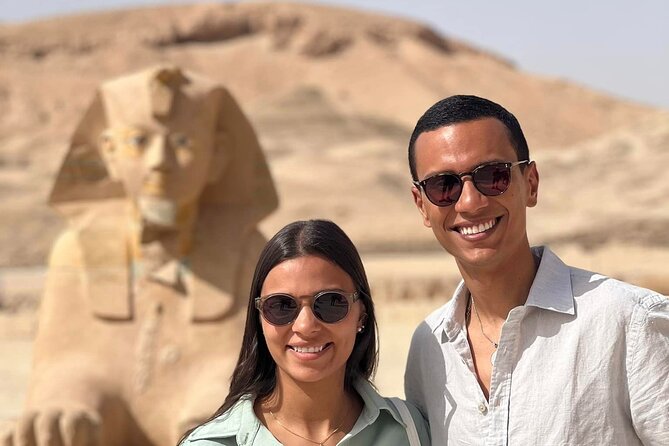
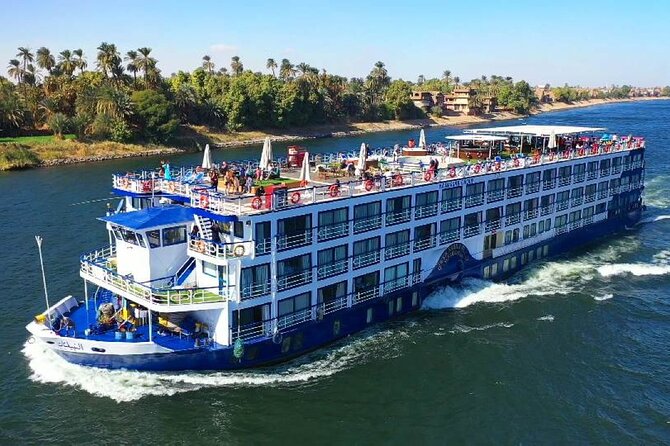
At $940 per person, this cruise is priced like a “do the hard part for me” vacation. You’re not just paying for a boat ride; you’re paying for 4 nights of accommodation on a full-board basis, included meals, and a qualified Egyptologist to handle the history and the flow of each site visit.
From a value angle, the biggest thing to watch is what’s not included. Temple admission tickets for major stops are listed separately, and drinks (even water) aren’t included on the cruise—so your real total depends on how you handle that.
One quick budgeting reality: the listed admission fees add up to about $106 for Karnak, Luxor Temple, Hatshepsut, Valley of the Kings, Edfu, Kom Ombo, Philae, and the High Dam. (Abu Simbel is optional, but its ticket price isn’t listed here.) If you’re the type who buys bottled water constantly and doesn’t plan for temple fees, that’s where the cost can sneak up.
You can also read our reviews of more boat tours in Luxor
Day 1 in Luxor: From Pickup to Karnak and Luxor Temple
This day is set up for an easy start. You’re picked up from the Luxor train station, airport, or hotel, then transferred to the Nile cruise for check-in. Lunch is served onboard, which matters because your first temple day is less likely to feel like a scramble for food.
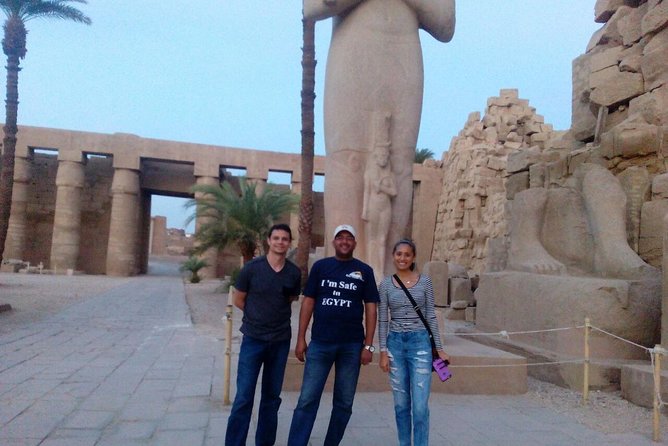
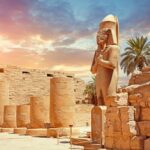
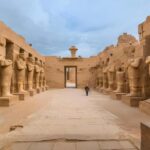
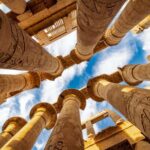
Then comes Karnak Open Air Museum, one of the places where Egypt stops being a “subject” and starts feeling real. You get about 2 hours here, and it’s not a single temple—it’s a huge complex of sanctuaries and pylons tied to the Theban gods. Even if you don’t memorize every name, it’s the scale that hits you first.
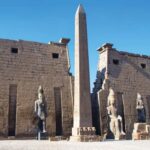
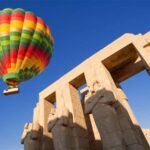
Next you visit Luxor Temple (also about 2 hours). It’s built by Amenhotep III and Ramses II, and it has that classic Luxor feel: big, formal, and meant to impress. Afterward you’re transferred back to the cruise in a private air-conditioned car, with the rest of the day kept relaxing.
What to consider: Day 1 is the most “active” in terms of walking, and you’ll be on the move right away. Wear good shoes and plan for sun, because these open-air sites can feel relentless, especially mid-day.
Day 2 West Bank Essentials: Colossi of Memnon, Valley of the Kings, and Hatshepsut
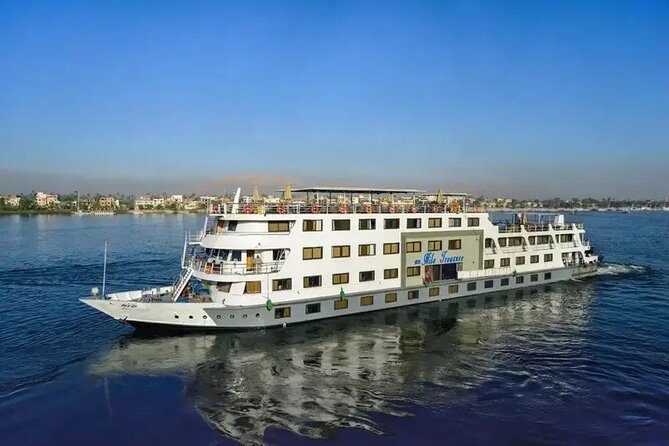
This is the West Bank day, and it’s the one that turns the cruise into something more than sightseeing. You start with the Colossi of Memnon, a quick stop (about 10 minutes). They’re free to enter, but they do a great job of setting the mood: massive statues, ancient power, and that “this is what remains” feeling.
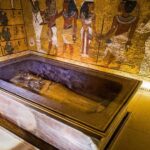
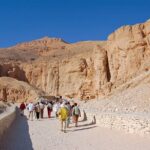
Then you go to the Valley of the Kings for about 2 hours. This is the royal burial ground of the New Kingdom pharaohs, covering dynasties 18 through 20. It’s also part of UNESCO’s Ancient Thebes World Heritage site (designated in 1979), which adds a layer of significance beyond the tomb walls themselves.
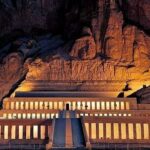
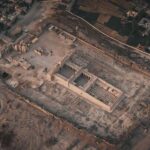
After that, you visit Temple of Hatshepsut at Deir el Bahari for about 2 hours. Hatshepsut built it around 1400 BC, and her temple stands out because it feels both ceremonial and human—this wasn’t just “someone’s project,” it was a statement of rule. The setting behind Deir el Bahari also adds drama, even on a normal day with dusty skies.
Possible drawback: this day stacks three big stops, so your pace is up to you. If you like photographing everything, you’ll need to move quickly between areas. If you prefer absorbing details, you’ll want to slow down inside—so keep an eye on your time and don’t be afraid to skip one minor corridor if you’re getting temple-fatigue.
Day 3 Along the Nile: Edfu’s Temple of Horus and Kom Ombo
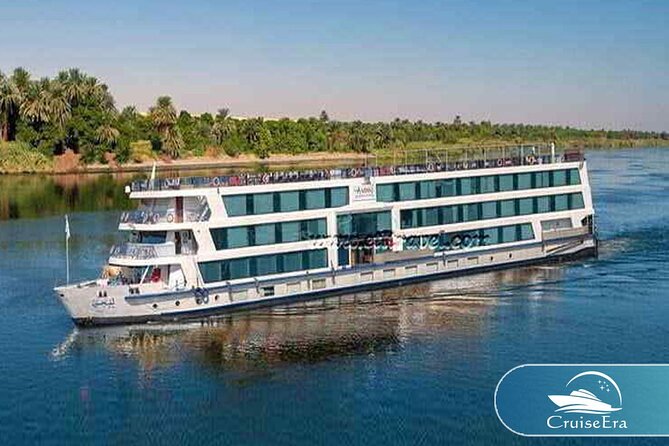
Day 3 is your classic “keep going, but don’t rush” day. You start with Edfu Temple, dedicated to the Falcon God Horus, and it’s described as the most well preserved Temple in Egypt. You’ll have about 2 hours here, which is a healthy amount for a site that rewards close attention.
From Edfu you continue to the Temple of Kom Ombo for about 2 hours in the afternoon. The cruise keeps these temple blocks timed so you get time to enjoy the river segments without turning the whole day into a sprint.
One thing I like about this itinerary design: it alternates between big, famous names and slightly different temple atmospheres. If Karnak and Luxor Temple felt like monumental “showpieces,” Edfu tends to feel more intact and readable, while Kom Ombo can feel like a different side of Egyptian temple planning.
Practical note: this is another day where your comfort depends on how you handle walking and heat. Bring layers you can adjust, and keep sun protection close at hand—your time on land will be the part you remember most.
Day 4 Aswan Highlights: High Dam Facts and Philae on Agilkia Island
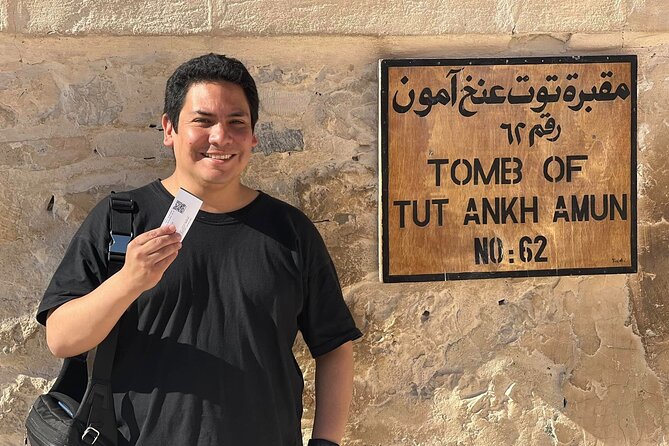
Aswan is where the cruise shifts gears from temples on land to Egypt’s relationship with water and power. You start with the Aswan High Dam for about 30 minutes. It was built between 1960 and 1970 and is one of the world’s largest embankment dams. When it was completed, it was the tallest earthen dam in the world, surpassing the U.S. Chatuge Dam—those scale comparisons are the kind of detail that makes a technical site feel real.
Then you go to the Temple of Philae complex for about 2 hours. This is an island-based complex in the reservoir area connected to the Aswan Low Dam, downstream of the High Dam and Lake Nasser. The important story here is the relocation: during the International Campaign to Save the Monuments of Nubia, the temple complex was dismantled and moved to nearby Agilkia Island before the High Dam project was completed in the 1970s.
That move isn’t just trivia. It changes the way you look at the carvings and the setting—you’re seeing a temple that survived because people fought to preserve it.
One extra detail worth knowing: the hieroglyphic reliefs are studied and published by the Philae Temple Text Project of the Austrian Academy of Sciences in Vienna. Even if you don’t read the text, it adds weight to why this site still matters today.

Day 5 Abu Simbel Optional Tour: Early Pickup, Rock-Cut Legends, and Airport Time
Abu Simbel is optional, and if you choose it, it’s a full commitment. Your driver picks you up around 4:30, and you arrive about 8:00 am to visit the rock-cut temple complex. This is one of the most dramatic “arrive and stare” places in Egypt, built for Ramesses II and his beloved Queen Nefertary.
The tour is described as a shared small-group optional trip. So even though the core cruise experience is private for your group, this particular add-on may be shared with others.
After Abu Simbel, you transfer to Aswan airport for your final departure. The day is listed as about 9 hours, so plan your energy accordingly. If you don’t sleep well or you hate early mornings, this might not be your best match.
How the Cruise Feels Between Temples: Full-Board Meals, Onboard Entertainment, and Pace

The best way to judge a Nile cruise isn’t just by the temples—it’s how you feel after the temples. This one leans toward comfort and downtime.
Meals are on a full-board basis, with breakfast (4), lunch (4), and dinner (4) included. That matters because you’re avoiding the cost and decision fatigue of figuring out food each day, especially when your schedule is temple-heavy. It also means you can eat on a schedule that works with the cruise flow.
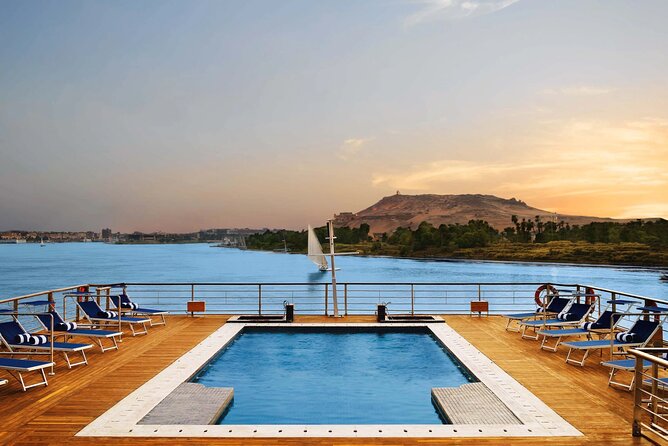
You also get onboard amenities: a swimming pool and onboard entertainment. I like that these are included, because they give you something to do that isn’t another ticketed activity. When you’re done with the monuments, it’s easy to let the river day be a river day.
Transfers are handled too, including air-conditioned vehicles. That helps more than people think. The time between sites can be tiring if you’re doing it on your own, and having the transportation arranged lets you stay in vacation mode.
Budget Checklist: Tickets, Drinks, and Tipping
Here’s the budgeting part you shouldn’t skip.
Admission tickets are not included for:
- Karnak ($15)
- Luxor Temple ($13)
- Hatshepsut ($12)
- Valley of the Kings ($20)
- Edfu ($15)
- Kom Ombo ($12)
- Philae ($15)
- High Dam ($4)
That’s about $106 in listed site fees for the main included stops.
Also, drinks even water are not included on the cruise. That’s not a small detail. If you rely on bottled water all day, factor that into your daily spending.
Finally, gratuities/tipping for cruise staff, guides, and drivers are not included. Even if you’re trying to travel lean, it’s good to keep some cash for that part of the experience.
Who This Cruise Is Best For
This cruise fits best if you want a high-temple-to-relaxation ratio without juggling tickets, timing, and transport yourself.
It’s a strong choice for:
- First-time Egypt visitors who want an Egyptologist guiding the story
- People who like history but also want breaks (pool time, onboard entertainment, and relaxation after site days)
- Groups that prefer a structured plan with private transfers and a group-based schedule
It may be less ideal if:
- You want drinks included or you travel with a strict “everything paid for” budget
- You dislike early mornings, since the Abu Simbel option starts around 4:30
Also note: the cruise is described as private for your group, but the Abu Simbel optional tour is shared in a small group.
Should You Book the Luxor Aswan Nile Cruise Deluxe?
If your goal is a smooth Luxor-to-Aswan trip with major temples handled for you and plenty of comfortable downtime, I think this is worth serious consideration. The biggest strengths are the Egyptologist-led temple days and the fact that meals and onboard comfort are built in, not left to guesswork.
Just don’t ignore the money add-ons: plan for temple admission fees (about $106 listed) and remember that drinks even water aren’t included. If you’re okay handling that, you’ll likely enjoy how the itinerary turns into a steady rhythm—temples in the morning or afternoon, then time to rest while the Nile does its quiet thing.
FAQ
How long is the Luxor Aswan Nile Cruise Deluxe?
It runs for about 5 days and 4 nights.
Where does the tour start and where does it end?
You’re picked up in Luxor (train station, airport, or hotel) and the trip ends with a transfer to Aswan airport for departure.
What’s included in the price?
The package includes accommodation for 5 days/4 nights on a full-board basis, a qualified Egyptologist guide, meet-and-assist on arrival and departure, air-conditioned vehicle transfers, and meals listed as breakfast (4), lunch (4), and dinner (4).
Are temple admission tickets included?
No. Temple tickets are listed as not included for Karnak, Luxor Temple, Hatshepsut, Valley of the Kings, Edfu, Kom Ombo, Philae, and the High Dam.
Is Abu Simbel included?
Abu Simbel is listed as optional. If you choose it, it’s a shared small-group trip with pickup around 4:30 and arrival around 8:00 am.
Are drinks included on the cruise?
No. Drinks even water are not included on the cruise.
What if weather is poor?
The experience requires good weather. If it’s canceled due to poor weather, you’ll be offered a different date or a full refund.
How does cancellation work?
There is free cancellation up to 24 hours in advance for a full refund.