REVIEW · CAIRO
3-Days Private Guided Tour Package to Cairo, Giza and Alexandria
Book on Viator →Operated by First Class Egypt Tours · Bookable on Viator
Three days, three legends, zero guesswork. This private route connects Giza, Cairo, and Alexandria with an Egyptologist guide who helps you see what you’re looking at, while entrance fees and lunches are handled for you.
I also like the practical side: a private air-conditioned vehicle and realistic time at each stop, from the Egyptian Museum to the Bibliotheca Alexandrina. One heads-up: you’ll cover a lot in 3 days, and some sites (especially catacombs) mean moderate walking and stairs, so comfortable shoes matter.
In This Review
- Quick Take: What Makes This 3-Day Loop Work
- The Big Picture: A Private North Egypt Route That Feels Efficient
- Entering Giza: Pyramids of Cheops, Chephren, Mykerinus, and the Sphinx in Real Scale
- Optional camel or horse ride: fun, but choose your moment
- Saqqara’s Step Pyramid: Where the Big Story of Pyramids Starts
- The Cairo Museum-Day That Actually Helps: Egyptian Museum Time With a Guide
- Salah Al-Din’s Citadel and the Alabaster Mosque: Cairo’s Layered Power
- Coptic Cairo: Roman Walls, Christian Churches, and a Jewish Tradition in the Same Area
- Alexandria Day 3: Catacombs, Pompey’s Pillar, Qaitbay, and the Modern Library
- Lunch Breaks and Bottled Water: The Small Stuff That Keeps You Going
- What’s Included—and What to Budget for Anyway
- Price and Value: Is $450 Per Person Reasonable?
- Safety, Comfort, and the Real Feel of a Private Driver
- Who Should Book This Tour (and Who Might Want More Time)
- Should You Book This North Egypt Package?
- FAQ
- What locations are included in the 3-day tour?
- Is hotel pickup included?
- Are entrance tickets included for the attractions?
- What meals are provided during the tour?
- What is not included in the price?
- How much walking or physical effort should I expect?
- Is free cancellation available?
Quick Take: What Makes This 3-Day Loop Work
- A private Egyptologist guide (Eman) who makes the monuments make sense, not just stand there
- Entrance fees included for every listed site, so you don’t spend your trip hunting tickets
- Air-conditioned modern vehicle for long drives between Cairo and Alexandria
- Lunch included three times, with restaurants that are set up for groups and timing
- Optional camel or horse ride at Giza, only if you want it
- A complete Alexandria finale, including the Kom El Shoqafa catacombs and the Library of Alexandria tour inside
The Big Picture: A Private North Egypt Route That Feels Efficient
This is the kind of trip you book when you want the highlights without doing math on maps all day. You’re not just “seeing Cairo.” You’re getting Giza’s pyramid plateau, Cairo’s museum-and-old-town layers, and then Alexandria’s blend of ancient tombs and modern ideas of learning.
Because it’s private, you can set the tempo with your Egyptologist guide. That matters in places like the Giza plateau and Cairo’s busy historic streets, where the real challenge isn’t only crowds. It’s knowing where to look and what the names actually mean.
The itinerary is built around site-to-site transitions with meals and included entries. That combination is what makes a 3-day loop feel doable rather than exhausting. The trade-off is simple: it’s not a slow, lazy sightseeing day. You’re moving, stepping up and down, and packing in major sights.
You can also read our reviews of more guided tours in Cairo



Entering Giza: Pyramids of Cheops, Chephren, Mykerinus, and the Sphinx in Real Scale
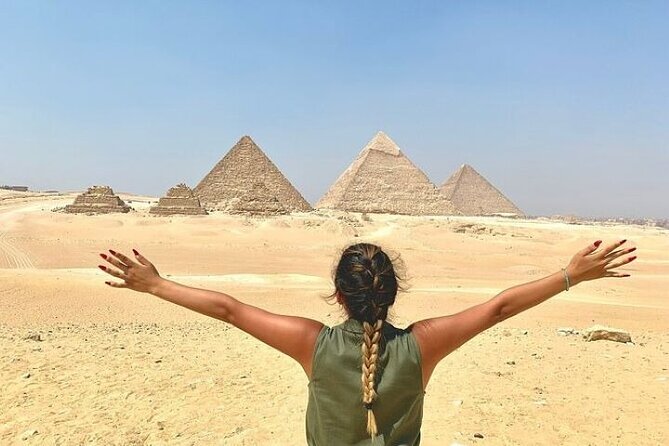
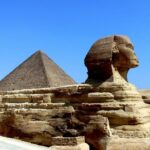
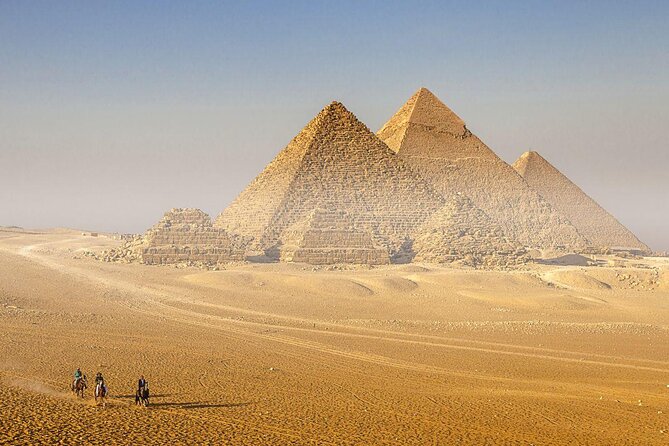
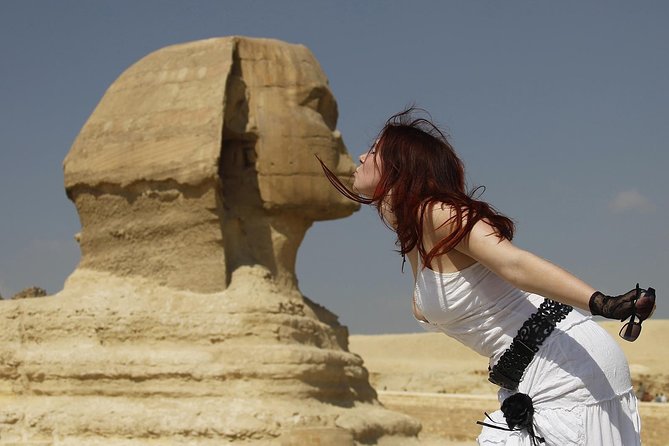
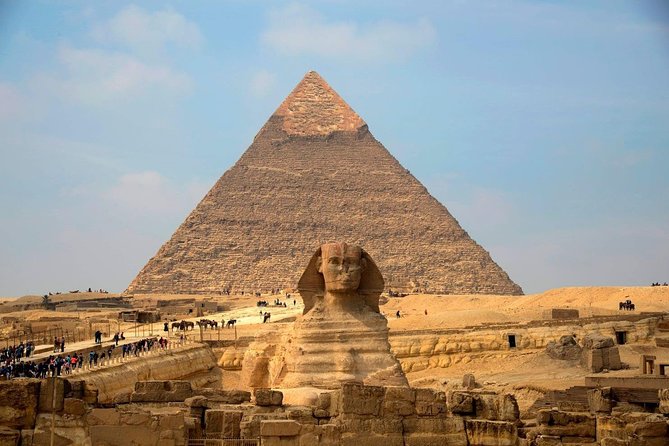
Day 1 starts with the Pyramids of Giza. You’ll have a solid window (about 3 hours) to take in the three big names—Cheops, Chephren, and Mykerinus—plus a stop at the Sphinx. Even if you’ve seen photos your whole life, the scale lands differently when you’re standing there with the stone blocks in front of you.
What makes this portion valuable isn’t just the views. It’s that your guide can connect the big-picture facts to what you’re seeing on the ground—pharaohs, purpose, and the layout of the plateau. It’s an easy way to turn a “bucket list moment” into something you can actually understand in your head.
Optional camel or horse ride: fun, but choose your moment
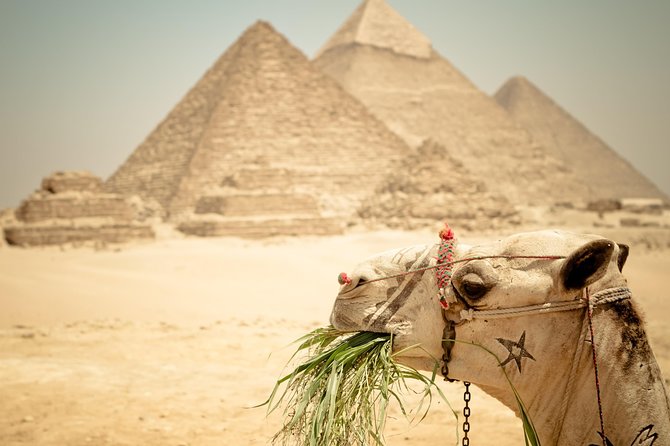
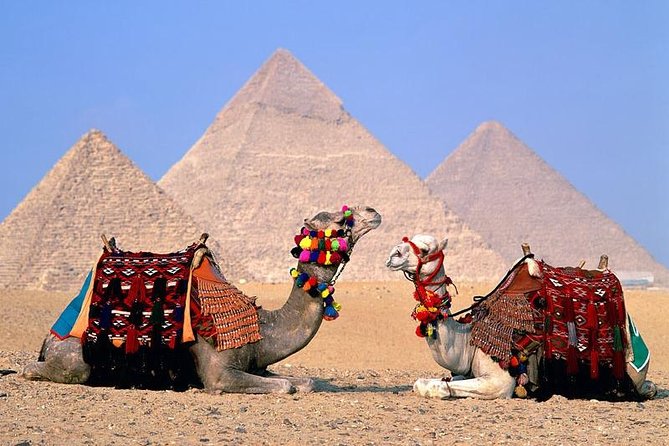
You’ll have the option to do a camel or horse ride around the pyramids and structures. If you do it, I’d treat it like a short add-on, not the main event. The best part of Giza is still walking around and letting your brain adjust to the proportions and shadows.
Also, if you’re sensitive to uneven ground or saddle time, skip it. You’re only saving your energy for Saqqara later in the day.
Saqqara’s Step Pyramid: Where the Big Story of Pyramids Starts
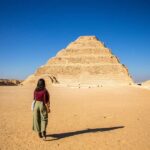
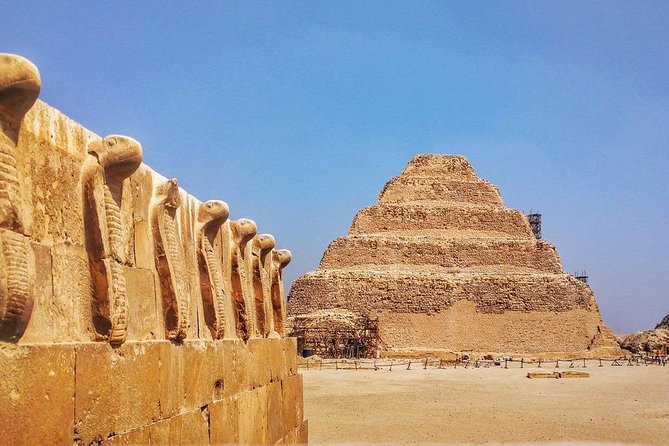
After Giza, you head to Saqqara (Sakkara), where the tour focuses on Egypt’s early pyramid era. This stop lasts about 2 hours, and it’s one of those places that feels less “final boss” and more “the origin story.”
You’ll visit the Step Pyramid at Saqqara, described as the first pyramid in Egypt, built for King Zoser (Zoser/Djoser) and linked with the architect Imhotep, dated to around 2650 BC in the tour description. That’s the kind of detail a good Egyptologist guide turns from trivia into context: why this site matters when you compare it to the smooth-sided pyramids at Giza.
There’s also time to consider interiors, including the option to go inside the pyramid of King Titi (mentioned as well). If you enjoy archaeology that feels experimental—early designs, shifts in style—Saqqara is the day’s underrated win.
One practical note: interiors and stone areas can be less forgiving on comfort. If you’re traveling with mobility limits, plan to take it slow and let your guide pace you.
The Cairo Museum-Day That Actually Helps: Egyptian Museum Time With a Guide
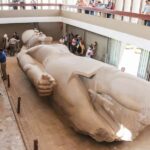
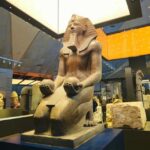
Day 2 begins at the Egyptian Museum, with about 2 hours on the clock. This is the museum that holds more than 120,000 ancient Egyptian artifacts, so it can feel overwhelming fast if you’re wandering alone.
That’s where the private guide earns their keep. Instead of you trying to decide what’s most important, your guide helps you prioritize the sections that best fit the story you’re building across the trip. The payoff is that the museum stops feeling like storage. It becomes a reference library for everything you’ve already seen in Giza and everything you’ll see later in Coptic Cairo.
If you’re the type who gets museum-fatigue, don’t worry. This program gives you a fixed block of time and structure.
You can also read our reviews of more private tours in Cairo





Salah Al-Din’s Citadel and the Alabaster Mosque: Cairo’s Layered Power
After the museum, you’ll head to the Citadel of Salah Al-Din, where you get about 2 hours. This site matters because it wasn’t just a fortress—it was a seat of power. The tour description places it as the government seat and residence of Egypt’s rulers for nearly 700 years, from the 13th to the 19th century.
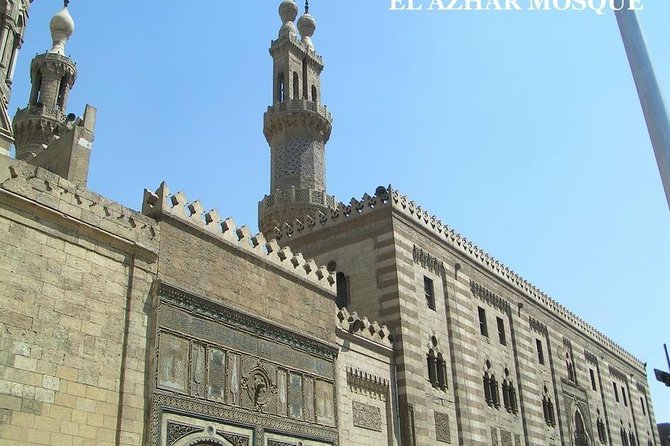
You’ll also visit the Mohammed Ali Alabaster Mosque, built between 1830 and 1848. Even if you don’t go heavy on architecture, this stop gives you something the pyramids didn’t: a sense of how later Egypt organized itself, defended itself, and displayed authority.
I like this mid-afternoon break in the program because it’s not only temples and tombs. It’s civic history, with views over parts of Cairo that help you picture the city’s geography.
Coptic Cairo: Roman Walls, Christian Churches, and a Jewish Tradition in the Same Area
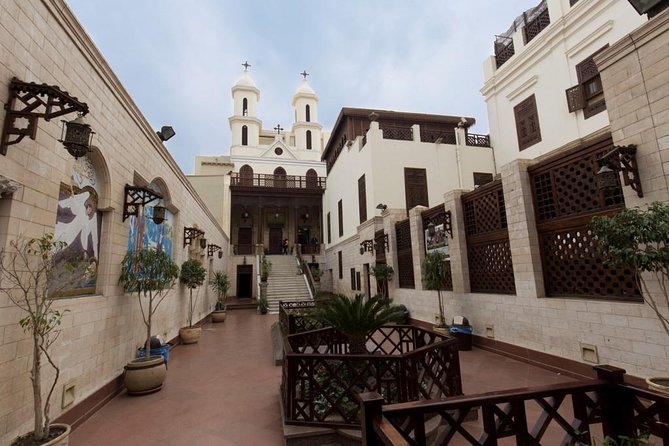
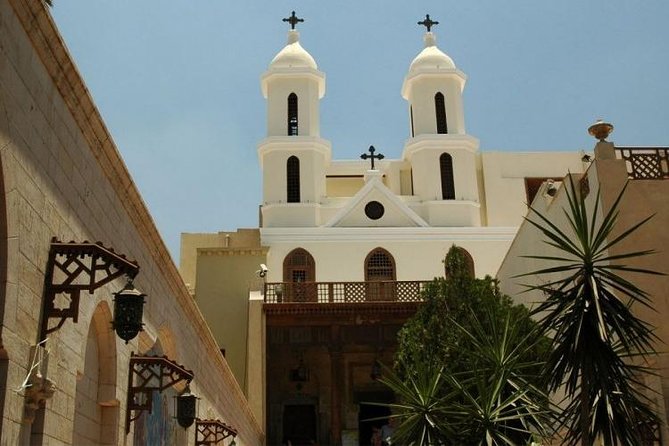
Coptic Cairo is a full stop for about 2 hours, and it’s one of the most meaningful parts of the itinerary. The program highlights the Roman fortress of Babylon (dating to the 2nd century A.D.) and then several major religious sites connected to different traditions.
You’ll see:
- the Hanging Church of Virgin Mary, built over the fortress tower
- Church of Abu Serga (St. Sergio) and its holy crypt, described as the place where the Holy Family stayed for three months
- the Synagogue of Ben Ezra, described as the place where Baby Moses was found by the Pharaoh’s wife
That mix is the point. This isn’t “one faith only.” It’s a neighborhood where layers of belief sit close together, and your guide helps you connect the dots instead of treating each stop like a separate field trip.
One consideration: churches and sacred sites often come with rules about clothing and conduct. Plan for that with modest, comfortable clothing so you don’t end up stuck outside for the wrong reason.
Alexandria Day 3: Catacombs, Pompey’s Pillar, Qaitbay, and the Modern Library
Day 3 is the switch from Cairo’s dense history to Alexandria’s coastal identity. You start with the Catacombs of Kom El Shoqafa (about 2 hours). These catacombs date to the early 2nd century A.D., and the tour also mentions the tomb of Tigran.
Catacombs are where you feel Egypt as a lived place, not a postcard. Stairs, shadows, and stone carvings can make the past feel immediate. This is also one reason the tour calls for moderate physical fitness—you’ll be moving through spaces that aren’t designed for flat, easy walking.
Next comes the Sarapeum (Serapeion) area, including Pompey’s Pillar (dating to the end of the 3rd century) and the remains of the Serapeum temple of Serapis. This stop is shorter at about 1 hour, plus there are scattered monuments from different periods around the area.
I like that the program doesn’t pretend everything in Alexandria is one era. It’s a layered approach: tombs, columns, temple remains—each one clues you in to a different chapter of the city.
Then you’ll visit the Citadel of Qaitbay (about 1 hour). The description connects it to the old Pharos lighthouse site, one of the ancient Seven Wonders, noting that the lighthouse was destroyed and the fort now sits in its place. Qaitbay’s fortification is described as Mamluk-era (15th century), and you’ll get a panoramic view from the top.
Finally, the tour ends at the Bibliotheca Alexandrina, the modern Library of Alexandria. The tour notes it was inaugurated in 2002, and you’ll have about 2 hours including a guided tour inside. Even if you’ve never been into libraries, this stop is special because it’s Alexandria’s modern idea of knowledge made physical. The shape is called out in the tour description as part of its unique architecture, so you’re not just walking into a building—you’re seeing a concept.
Lunch Breaks and Bottled Water: The Small Stuff That Keeps You Going
This package includes lunch three times and includes bottled mineral water. In Egypt, that’s not “nice to have.” It’s how you avoid turning a history tour into a dehydration story.
The program also specifies lunch in good quality restaurants. And one guest specifically called out a barbecue lunch on the first day, which suggests the meals aren’t treated like an afterthought.
When I plan a fast-moving trip, I look for built-in eating moments. You get that here, which keeps you from spending your limited time searching for food near crowded sites.
What’s Included—and What to Budget for Anyway
Here’s what you get as part of the package:
- Private Egyptologist tour guide
- Entrance fees for all mentioned sites
- Private air-conditioned modern vehicle
- Bottled mineral water
- Lunch (3 lunches)
Not included:
- Tipping for guides and drivers (the tour recommends you tip)
- Camel ride (optional)
- Nile dinner cruise (optional)
If you like knowing what your day costs before you arrive, this structure helps. Including entrance fees can be a big deal in Egypt because it reduces the number of “surprise ticket” moments where you might lose time or deal with confusion on the ground.
Price and Value: Is $450 Per Person Reasonable?
At $450 per person for about 3 days, you’re paying for the private guide, transport, and a lot of built-in logistics. The value comes from the combination:
1) Private guide across multiple major cities and eras
2) Entrance fees included, so key sites don’t become an extra add-on
3) Air-conditioned vehicle for the longer stretches and heat
4) Three lunches with timing built in
If you tried to assemble this solo, you’d likely spend time lining up tickets, figuring out routes between Cairo and Alexandria, and negotiating each transfer. Even if you don’t lose money doing it yourself, you’ll almost certainly lose time and headspace.
For me, the question isn’t only whether $450 sounds good. It’s whether you’d rather spend that money on comfort and interpretation, or on planning stress. This tour is designed for the “I’d like it to run smoothly” traveler.
Safety, Comfort, and the Real Feel of a Private Driver
One of the better signals from the experience is that people felt comfortable with the drivers, and the vehicles are described as very modern and comfortable.
That matters in Cairo and Alexandria, where driving is intense and traffic flow can be unpredictable. With a private setup, you’re not stuck waiting for the slowest group or playing catch-up at each stop.
A private guide also helps with timing. When you’re switching between museums, forts, churches, and tomb sites, having someone keep you on track makes the day feel less chaotic.
Who Should Book This Tour (and Who Might Want More Time)
This tour is a great match if you:
- want a focused highlights route across Cairo, Giza, and Alexandria
- prefer a private Egyptologist guide rather than independent wandering
- like structured days with meals and included entries
- are okay with moderate physical activity for places like catacombs
You might want a different plan if:
- you’re looking for lots of free time to shop or linger slowly at one site
- stairs and tighter interiors are a problem for you
- you want a trip with lots of evenings free for your own pace (this one is built as a full 3-day push)
One more note: some experiences include short stops that can feel shopping-adjacent (like perfume or oil shops, papyrus-related places, and souvenir stops), depending on how the day is managed. If you prefer zero retail, tell your guide at the start so expectations stay clear.
Should You Book This North Egypt Package?
If you want the best “first trip” coverage of Northern Egypt in three days, this is a strong candidate. The biggest wins are practical: entrance fees included, private Egyptologist guidance, and a transport plan that keeps the day moving without forcing you to figure everything out.
Book it if you like learning as you go and you’d rather pay for structure than spend your time troubleshooting. Skip it only if you need a slower pace, more downtime, or you know catacombs and stairs are not your thing.
Either way, do yourself a favor: wear comfortable shoes and keep an open mind. Egypt rewards the traveler who arrives curious, not just hungry for photos.
FAQ
What locations are included in the 3-day tour?
The tour covers Cairo and Giza on Day 1 and Day 2, and Alexandria on Day 3, including major sites like the pyramids and Sphinx area, the Egyptian Museum, Coptic Cairo, catacombs, Pompey’s pillar area, Qaitbay Fort, and the Bibliotheca Alexandrina.
Is hotel pickup included?
Yes. The package includes pickup offered.
Are entrance tickets included for the attractions?
Yes. Main entrance fees to all mentioned sites are included.
What meals are provided during the tour?
You get lunch (3 lunches) during the 3 days. Bottled mineral water is also included.
What is not included in the price?
Not included are tipping for guides and drivers (recommended), and optional add-ons like the camel ride and a Nile dinner cruise.
How much walking or physical effort should I expect?
The tour notes a moderate physical fitness level is recommended. Some stops (like the catacombs) may involve stairs and more active walking.
Is free cancellation available?
Yes. You can cancel for a full refund if you cancel up to 24 hours in advance. If you cancel less than 24 hours before the start time, the amount you paid will not be refunded.