REVIEW · LUXOR
Full-Day Luxor Highlights Tour to East & West Banks (Private)
Book on Viator →Operated by Luxor Safe Tours & Taxi · Bookable on Viator
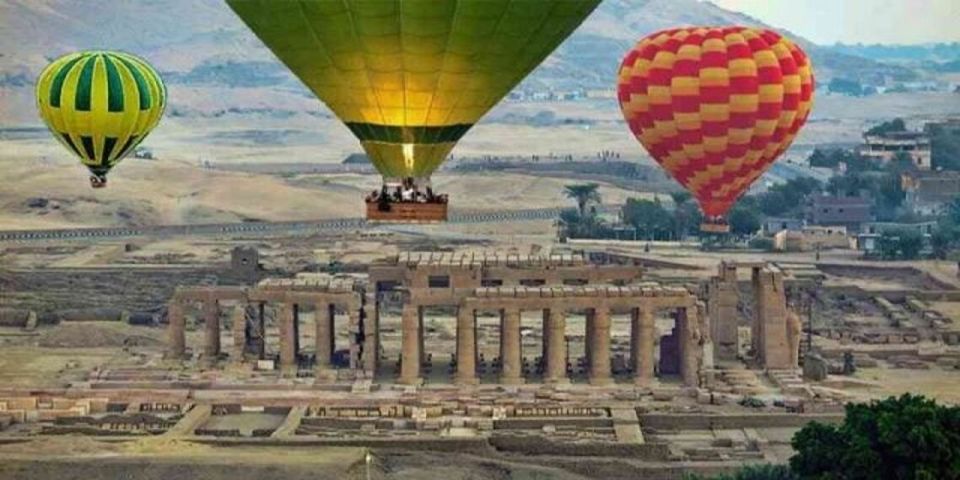
Two Nile banks, one smart plan. This private Luxor day stacks the big-name sights on the West Bank necropolis and the East Bank temples, with door-to-door transport that keeps your day from turning into a logistics puzzle. I love how the tour’s private setup makes it feel tailored, while still covering the must-see classics without dragging you all over town.
What I like most is the mix: you get the solemn tomb landscape on the West Bank, then you cross to the East Bank for the scale of Karnak and the calm grandeur of Luxor Temple. The comfort help is real too: hotel or cruise pickup and drop-off, a private A/C vehicle, and bottled water mean you can focus on temples instead of schedules.
One consideration: the base price does not include entry tickets (and a guide and lunch are optional), so you’ll want to plan for those add-ons. Also, on at least one run, a promised refresh stop turned into a stone-factory style stop, so it pays to set expectations with your driver up front.
In This Review
- Key things that make this tour worth your time
- Price and Logistics: What You’re Really Buying for $18
- Colossi of Memnon: Start With Two Statues That Outlived the Myths
- Valley of the Kings: The Valley of Gates, Not a Single Tomb
- Deir el-Bahari and Hatshepsut: Three Terraces Carved Above the Desert
- Karnak Temple Complex: Why This Place Feels Bigger Than It Looks
- Luxor Temple: A Different Mood on the East Bank
- Comfort That Actually Helps: Private Vehicle, Pickup/Drop-off, and Water
- Money Matters: Entry Fees, Optional Guide, and Lunch Choices
- Timing the Day: How to Stay Calm Across Five Major Stops
- Who This Private Luxor Highlights Tour Fits Best
- Should You Book This Private Luxor Highlights Tour?
- FAQ
- What is included in the tour price?
- Are entry fees included?
- Do I get a guide?
- Is lunch included?
- Do they pick me up from my hotel or cruise ship?
- How long is the tour?
- Can I cancel for a full refund?
Key things that make this tour worth your time
- Private A/C transfers from your hotel or cruise ship, with bottled water included
- Colossi of Memnon’s Roman-era inscriptions, including Greek and Latin references to Memnon
- Valley of the Kings tombs from roughly the 16th to 11th century BC, in a valley called the Valley of the Gates
- Hatshepsut’s terraced mortuary temple at Deir el-Bahari, rising in three massive levels
- Karnak Temple Complex, a sprawling mix of pylons, chapels, temples, and ruins
- Luxor Temple’s kingship theme, built around 1400 BCE and dedicated to rejuvenation of kingship
Price and Logistics: What You’re Really Buying for $18
At $18 per person, the value is mostly in the convenience. Your money covers private round-trip transfers plus bottled water, with a smooth pickup/drop-off from Luxor hotels or cruise ships. You’re also getting a true private format, meaning it’s just your group rather than shoehorning in with strangers and their agendas.
What’s not included is the part many people end up underestimating: entry fees. The tour makes it easy to upgrade for prepaid entry and a licensed guide, but the basic package keeps those costs optional. So before you go, think about how you want your day to feel: more self-directed and budget-friendly, or more guided and time-efficient.
Time is also a factor. The tour runs about 6 to 8 hours, which is long enough to see the key sights, but still tight if you pause for extras at every stop. You’ll get the best experience if you’re ready to keep moving at a calm, steady pace.
You can also read our reviews of more private tours in Luxor

Colossi of Memnon: Start With Two Statues That Outlived the Myths
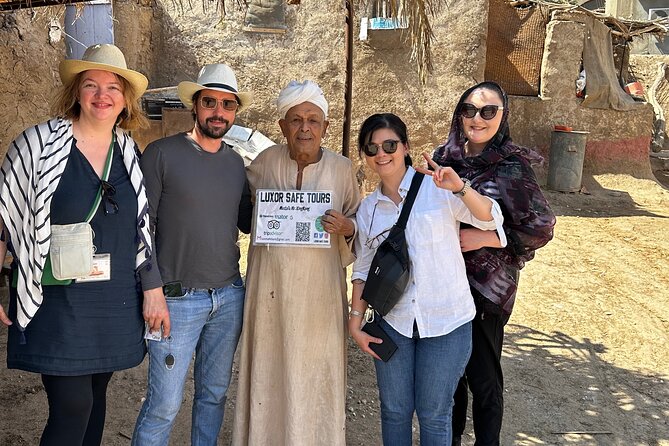
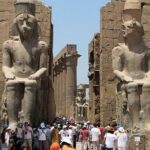
You begin with the Colossi of Memnon, two enormous stone statues of Pharaoh Amenhotep III. They’re all that remains in front of the ruined Mortuary Temple of Amenhotep III, and they’ve been standing since around 1350 BC. That’s the kind of start that instantly gives your brain a time-travel setting.
Here’s the detail that makes this stop more than a quick photo: the statues contain 107 Roman-era inscriptions in Greek and Latin, dated from roughly AD 20 to 250. Some inscriptions on the northern statue connect the monument to the Greek mythological king Memnon—at least in the way later readers interpreted it.
Plan for a short visit, about 15 minutes, and treat it as your warm-up. If you like history that crosses cultures, this is your payoff stop before you tackle the more emotionally heavy West Bank tomb sites.
Practical tip: wear sun protection and keep your face covered in the midday heat. Even when the stop is brief, Luxor sun doesn’t negotiate.
Valley of the Kings: The Valley of Gates, Not a Single Tomb
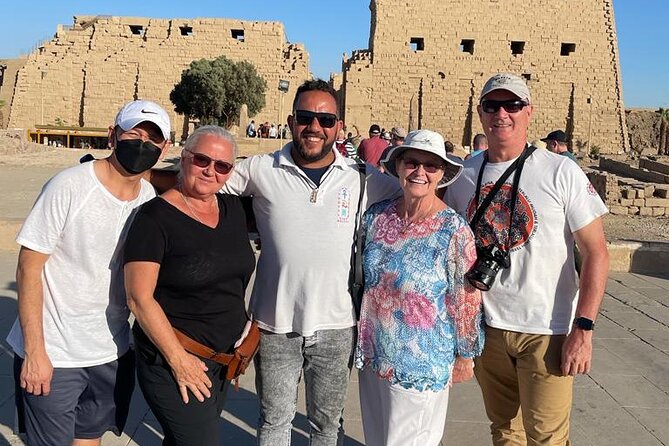
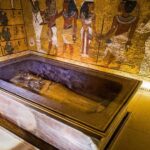
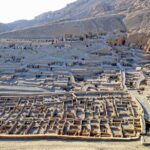
Next comes the Valley of the Kings, also called the Valley of the Gates. This is the West Bank necropolis where, for nearly 500 years (from the 16th to the 11th century BC), tombs were carved into rock for pharaohs and powerful nobles of Egypt’s New Kingdom.
This valley sits across the Nile from modern Luxor, within the Theban Necropolis. It’s made up of two main valleys: the East Valley, where most royal tombs are, and the West Valley, also known as the Valley of the Monkeys. You’re not just walking through open terrain—you’re moving through a designed burial landscape built for elite power and long-term ritual meaning.
One of the sober realities here is also part of the story. Most tombs were opened and robbed in antiquity, even though you can still sense the wealth and status the tombs were meant to display. Even without perfect preservation, the setting and the scale are what hit you.
You’ll spend about 2 hours at this stop. That usually means enough time to orient yourself, choose the pace you want, and see why this place became the centerpiece of the West Bank.
A key consideration: entry tickets aren’t included in the base package. If you want to avoid last-minute stress, consider handling tickets as part of your planning—or upgrading so prepaid entry fees are sorted in advance.
Deir el-Bahari and Hatshepsut: Three Terraces Carved Above the Desert
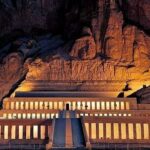
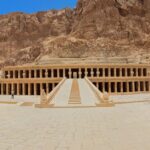
Then you head to Deir el-Bahari for the Temple of Hatshepsut, the mortuary temple of Pharaoh Hatshepsut. This is one of Egypt’s most recognizable West Bank temple forms: three massive terraces rising above the desert floor and into the cliff backdrop.
This site works on two levels. First, it’s visually dramatic. You approach layers of architecture that feel built to slow you down. Second, it connects strongly to the person behind the monument: Hatshepsut’s reign and the way her legacy was anchored in stone.
Your time here is about 45 minutes. That’s enough for a solid walk through the terraces without feeling rushed, especially if you’re not trying to see every corner with hyper-speed.
If you upgrade to include a licensed guide, this is where that choice often pays off. A good guide can help you read the temple’s layout and why the terraced design matters—not just what it looks like.
Practical tip: bring a hat. Deir el-Bahari can look photogenic in any light, but the sun will be direct during parts of the day.
Karnak Temple Complex: Why This Place Feels Bigger Than It Looks
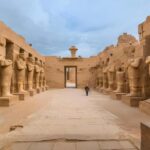
After the West Bank stops, you cross to the East Bank and go to the Karnak Temple Complex. Karnak is huge—so huge that even in a limited visit, the scale can still surprise you.
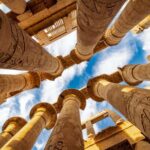
Karnak isn’t one temple. It’s a vast mix of decayed temples, pylons, chapels, and other buildings clustered near Luxor. That jumble-of-structures feeling is part of why Karnak stays fascinating: it reads like centuries of building projects stacking on each other.
You’ll have about 2 hours here, which is enough time to walk the main areas without turning it into an endurance test. You’ll likely get glimpses of monumental gateways and open courtyards that make the whole complex feel like a world.
Consideration: entry tickets are optional in the package. If you want full access without thinking about cash on-site, check your options ahead of time.
A few more Luxor tours and experiences worth a look


Luxor Temple: A Different Mood on the East Bank

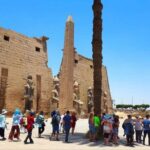
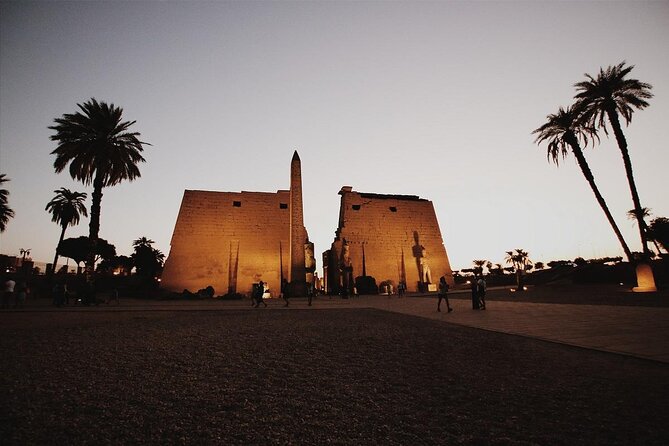
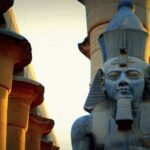
Luxor Temple comes after Karnak, and it feels different. Built roughly around 1400 BCE, it sits on the East Bank and was known in Egyptian as ipet resyt, meaning southern sanctuary. Unlike many other temples in Thebes, this one is dedicated to rejuvenation of kingship, not to a specific cult god or a deified pharaoh in death.
That focus matters. It changes the emotional tone from worship-in-general to kingship renewal—almost like the temple is meant to keep power and legitimacy refreshed. It also helps you understand why this site pairs so well with Karnak: Karnak shows the monumental “institution” side, while Luxor Temple leans more toward the idea of rule and renewal.
Your time here is about 1 hour. Short, yes—but enough if you approach it with patience rather than a checklist mindset.
Practical tip: if you have to choose between two temple stops, do not cut Luxor Temple. It’s the one that often makes the day feel cohesive once you’ve seen the tomb valley and the temple complex.
Comfort That Actually Helps: Private Vehicle, Pickup/Drop-off, and Water
The comfort package is simple but important. You get hotel pickup and drop-off, plus a private A/C vehicle with bottled water. That sounds basic, but in Luxor it’s a huge quality-of-life upgrade. You don’t have to coordinate with shared shuttles, and you avoid that awkward moment where everyone stands around wondering who goes where.
This format also gives you flexibility with pacing. Even though the big sites are fixed, you’re not stuck with a group that’s sprinting ahead or lingering too long. If your group likes to linger at a detail or pause for rest, private transport makes it easier.
On at least one run, the driver provided welcome drinks. In particular, Amr has shown up as a warm, helpful presence and even offered sugar cane juice as a first taste of local flavor. If you get a driver like that, the day starts on a friendly note instead of a tense one.
Money Matters: Entry Fees, Optional Guide, and Lunch Choices
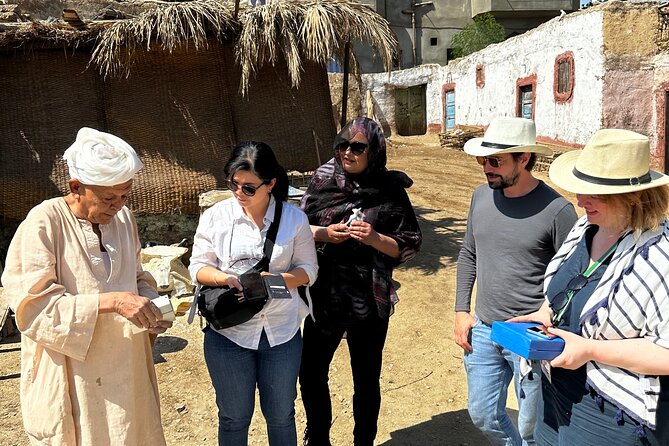
Let’s talk reality. The base package includes transfers and bottled water, but entry fees are optional and not included. A guide is optional too, and lunch is optional.
So your true “budget” is really two decisions:
- Do you want to self-explore and manage tickets on your own?
- Or do you want a smoother, more explanatory day by adding a guide and handling entry fees ahead?
If you’re coming for the names only, you can keep it lean. But if you want to understand why these places were built the way they were—why the Valley of the Kings mattered, what Hatshepsut’s terraces communicate, and how Luxor Temple’s kingship theme differs—upgrading to include a guide can turn the day from seeing to understanding.
Lunch is optional, so your energy plan should match the length. For a 6–8 hour day, I’d plan to take snacks or accept that you may need to time your meals around temple hours, especially in strong heat.
Timing the Day: How to Stay Calm Across Five Major Stops
This is not a “quick hit” tour. It’s a full day that runs about 6 to 8 hours, with five major moments on the schedule. Your best tool is a steady pace: don’t plan to rush through everything, but also don’t stop like you’re on a lazy museum day.
A smart strategy is to treat the stops in levels:
- Start with a short orientation stop (Colossi of Memnon)
- Hit the heavier mental stop next (Valley of the Kings)
- Transition to architectural beauty (Hatshepsut)
- Then go big with Karnak
- Finish with a more focused East Bank experience (Luxor Temple)
That order helps the day feel coherent, not random. You move from symbols and myths, to the tomb world, to monumental architecture, and finally to kingship renewal.
Who This Private Luxor Highlights Tour Fits Best
This tour makes the most sense if you:
- Want a private format and don’t want shared-group pacing
- Are aiming to see both banks in one day without piece-by-piece planning
- Prefer A/C comfort and pickup/drop-off convenience
- Like the classic Luxor lineup: Valley of the Kings, Hatshepsut, Karnak, and Luxor Temple
It’s also a strong pick for first-timers who want to avoid the “I’ll wing it” trap. The West and East banks are connected by the Nile, but getting from one key site to another smoothly is where tours shine.
Where you might think twice: if you dislike any detour that feels like a shopping stop. One experience described a refresh promise that became a stone-factory-style stop, which can break the day’s rhythm. If that’s a deal-breaker for your style, mention your preference for true breaks versus showrooms before you start.
Should You Book This Private Luxor Highlights Tour?
Book it if you want the core Luxor experience with private transfers and an efficient route across both banks. At $18 per person, the base value is the transportation plus convenience, and you can customize your experience by adding entry fees, a licensed guide, and lunch.
Pass or adjust your expectations if you’re trying to keep the day ultra-budget without tickets or if you want zero shopping-style detours. In that case, ask how any stop will be handled and whether your entry tickets will be planned ahead.
If you want one upgrade that often makes the day click, choose the option that includes a guide and prepaid entry fees. It’s the easiest way to turn ancient places into a story you can actually follow.
FAQ
What is included in the tour price?
The basic package includes all transfers by a private A/C vehicle, bottled water, hotel pickup and drop-off, and the private tour format. Entry fees, a guide, and lunch are optional extras.
Are entry fees included?
No. Entry fees are listed as optional, and the tour notes that admission tickets are not included.
Do I get a guide?
A guide is optional. You can upgrade to include a knowledgeable licensed guide, or you can go without one.
Is lunch included?
Lunch is optional and not included in the basic package.
Do they pick me up from my hotel or cruise ship?
Yes. The tour includes hotel pickup and drop-off, and it also offers transfers from cruise ships in Luxor.
How long is the tour?
The duration is listed as approximately 6 to 8 hours.
Can I cancel for a full refund?
Yes. You can cancel up to 24 hours in advance for a full refund. If you cancel less than 24 hours before the experience start time, the amount paid is not refunded.