REVIEW · LUXOR
Amazing Nile Cruise 7 Nights From Luxor to Aswan and Back To luxor Again
Book on Viator →Operated by Nile Prince Travel · Bookable on Viator
Cruising the Nile hits different. This 7-night loop from Luxor to Aswan (and back) mixes temple days with real river travel, including a hot air balloon sunrise over Luxor.
I especially love how the itinerary strings together the “must-see” sites without forcing you to constantly switch hotels or logistics, so your days feel built around the river.
The other big win for me is the variety of Egypt looks and feels: West Bank Luxor (Valley of the Kings and Hatshepsut), temple towns like Edfu and Kom Ombo, then Nubian culture in Aswan-side sailing.
One thing to consider: entrance fees aren’t fully clear day-by-day, and you should also be ready for early starts (like the Abu Simbel day). If you need specific extras, like a baby cot, it’s smart to confirm in writing before you go.
In This Review
- Key highlights I think are worth your time
- A 7-night Nile Cruise Loop With Luxor, Aswan, and the Real River Pace
- Luxor West Bank First Day: Valley of the Kings, Hatshepsut, and Carter House
- Sunrise Luxor: Hot Air Balloon Views and Sailing Past Villages
- Edfu to Kom Ombo: Horse and Carriage to the Temple of Horus
- Aswan Arrival: Philae Island Temple, High Dam, and Nubian Culture Energy
- Abu Simbel at Around 5 a.m.: Worth the Early Wake-Up
- Nubian Islands and a Day of Leisure Before Luxor East Bank
- Final Day in Luxor: Karnak and Luxor Temple on the East Bank
- Cabins, meals, Wi-Fi, and the real comfort math
- Price and value: is $1,925 per person fair?
- A realistic heads-up: who should (and shouldn’t) pick this plan
- Should you book this Nile Prince Travel cruise?
- FAQ
- What route does the cruise cover?
- How long is the experience?
- Do I get picked up and dropped off?
- Is the hot air balloon included?
- Are entrance fees included?
- Does the trip include Abu Simbel?
- What meals are included?
- Is Wi-Fi available onboard?
- What if weather is bad or the trip can’t run?
Key highlights I think are worth your time
- Hot air balloon in Luxor for sunrise views and quick photo magic
- Seven nights onboard so you keep unpacking to a minimum
- West Bank combo: Valley of the Kings, Hatshepsut, and Carter House area
- Temple day rhythm: Edfu by horse and carriage, Kom Ombo at sunset
- Aswan essentials: Philae island temple, plus the High Dam and market time
- Abu Simbel early morning for one of Egypt’s biggest temple set-pieces
A 7-night Nile Cruise Loop With Luxor, Aswan, and the Real River Pace
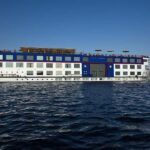
This itinerary is built for the classic Nile arc: Luxor out to Aswan, then back again to Luxor. In practical terms, that means you get multiple temple highlights, plus the actual sailing time that most people picture when they think of a Nile cruise.
The pace is a mix of early mornings and scenic afternoons. You’ll be off the boat for key visits (often by boat or car), then you return for food onboard and a calmer stretch on the deck. If you like a trip that feels organized—but still lets you experience the river day-to-day—this route works well.
You’re also in a cabin with facilities and included meals, which matters because Egypt’s touring can get long and tiring. Having breakfast, lunch, and dinner lined up helps you avoid the “what now?” scramble during busy sightseeing days.
You can also read our reviews of more boat tours in Luxor
Luxor West Bank First Day: Valley of the Kings, Hatshepsut, and Carter House
Your first day is a West Bank sampler that hits several major landmarks. You start with pickup and transport by air-conditioned mini bus, then cross down to the Nile by traditional motor boat. That part is simple, but it’s the kind of touch that makes the day feel like Egypt instead of a checklist.
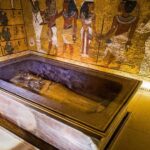
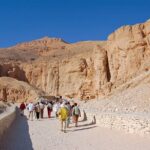
On the West Bank, the itinerary focuses on the Valley of the Kings. Even if you’ve seen photos before, you’ll probably feel how steeped this area is in ancient burial culture. It’s one of those places where you can stand in the silence and understand why the discoveries changed Egyptology.
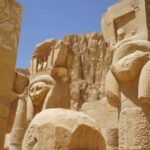
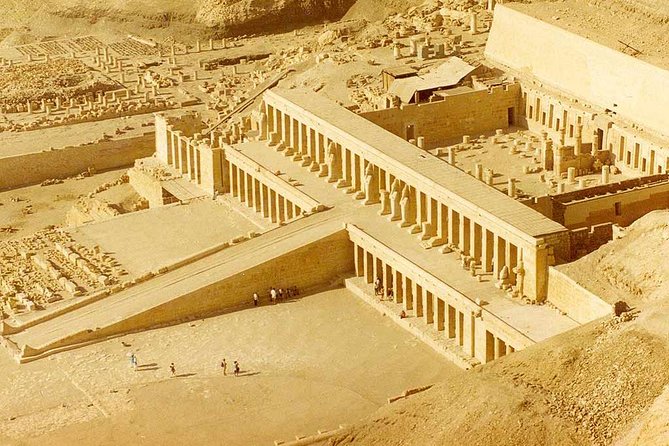
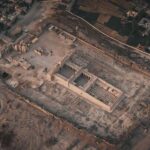
Then you move on to the Temple of Queen Hatshepsut. This is where you’ll likely notice architecture that doesn’t look “ruin-y” in the way some people expect. It’s grand and structured, and it gives you a strong visual anchor after the valley.
The day also includes time at the Carter House area. Again, you’re not just seeing stone—you’re connecting that location to the human story behind Tutankhamun’s treasures. If you’re the type who likes learning how discoveries actually happen, this stop adds weight.
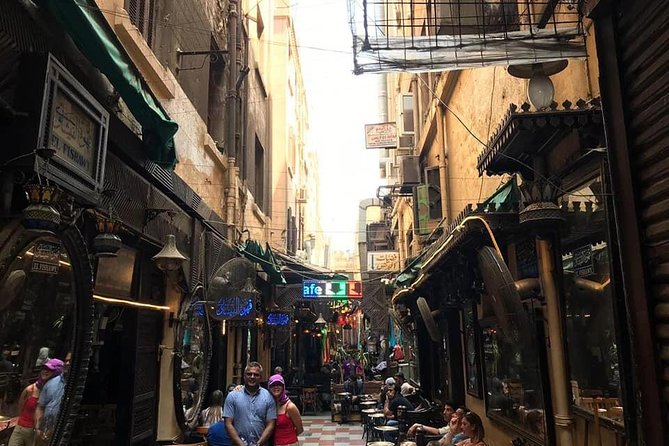
After you’re back on the east side, there’s time to check out the old market area of Luxor. It’s not an entire shopping marathon, but it’s a nice chance to get your bearings and snack like a normal person, not a museum visitor.
Potential drawback here: Day 1 can feel like it stacks a lot into one block—boat crossing, multiple sites, then market time, then onboard check-in. If you’re sensitive to long days right after arrival, plan to keep your first evening light.
Sunrise Luxor: Hot Air Balloon Views and Sailing Past Villages
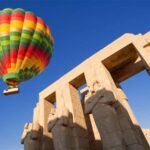
Day 2 is the “wow” moment: a hot air balloon ride early in the morning. The balloon experience is listed as included (hot air balloon entrance), which is a big value item on its own. You’re up before the day fully wakes up, and the view is the kind of perspective that makes Luxor feel enormous.
From above, you get the Nile ribbon, the bends, and the spread of life along both sides of the river. It’s also where you get those classic photo angles that no ground-level viewpoint can match.
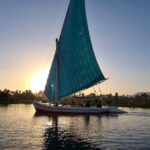
Once you land, the day transitions into cruising. You’ll sail with views of the river sides, including old villages and islands, and then pass the Esna lock. That lock passage is short, but it’s a real operational detail of river travel—seeing the river infrastructure makes the whole trip feel more grounded.
In the evening you’re back onboard for another overnight cruise day. The timing here matters: you’ll get the balloon energy, then a more relaxed rhythm as the boat carries you along.
Edfu to Kom Ombo: Horse and Carriage to the Temple of Horus
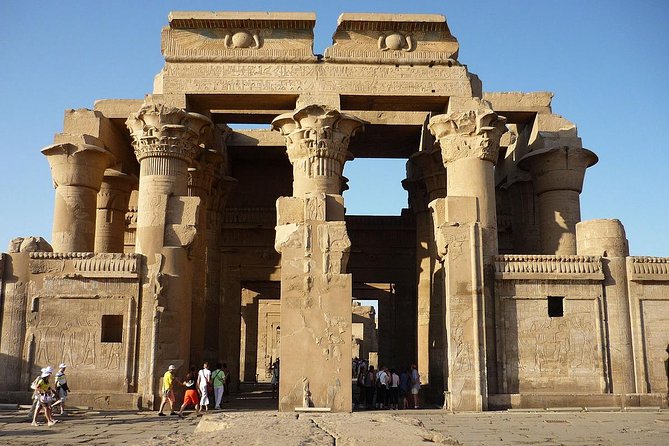
Day 3 is one of the most “Egypt movie” segments because it pairs a temple with a traditional ride. The cruise stops in Edfu, and you then take a horse and carriage to reach the Temple of Horus.
I like this arrangement because it reduces friction. You don’t have to navigate to the temple yourself, and you get a sense of how transportation and daily life connect with monument areas. Also, the carriage ride is short enough to feel like a story moment rather than a long ordeal.
The Temple of Horus is the kind of site where your mind starts comparing carvings and layout—what’s emphasized, what patterns repeat, what feels different. Even if you’re not a hardcore Egyptology fan, you’ll still enjoy the contrast between the modern town streets and the carved temple walls.
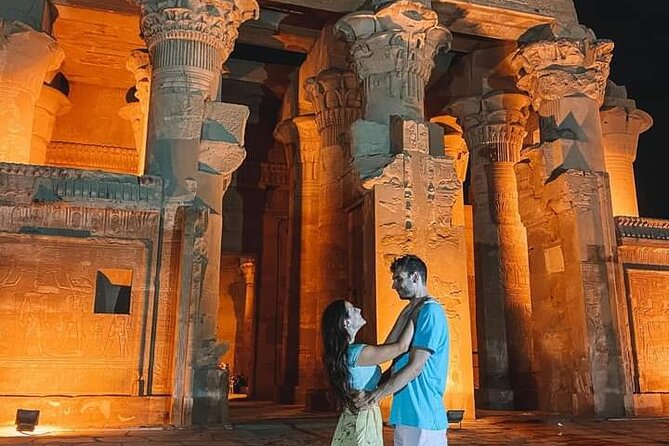
Afterward, you sail toward Kom Ombo. There’s time onboard—enjoying drinks on the sun deck during the sailing stretch—before you visit the Kom Ombo temple around sunset. Sunset visits are often the best way to manage heat and light at outdoor sites, and this plan respects that.
One consideration: the day is structured, and you’ll be on and off transport more than you would on a purely relaxing cruise. If you’re hoping for mostly deck time, this is still a sightseeing-heavy itinerary.
Aswan Arrival: Philae Island Temple, High Dam, and Nubian Culture Energy
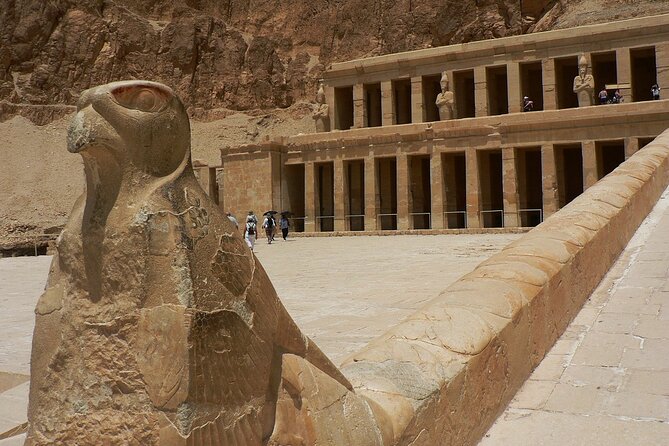
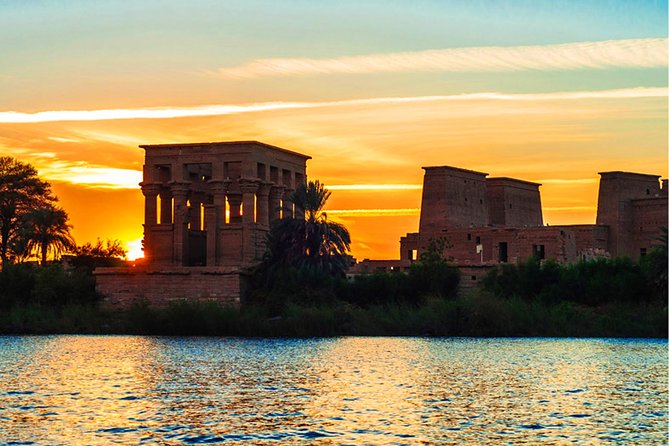
Day 4 is where the trip shifts into Aswan mode. You arrive and start with Philae island temple, reached by motor boat. That boat transfer is part of the experience—temple sites can blend into each other, but this one has a stronger “set” because it’s island-based.
Philae is often atmospheric because of its location, and you’ll likely feel that during your visit. It’s also paired with Aswan’s broader context through a drive to the Aswan High Dam. Seeing the dam in the middle of a history-focused trip changes your perspective fast. It’s not ancient; it’s modern—and it explains why the Nile’s relationship with people is constantly evolving.
Back onboard, the day doesn’t end with only monuments. There’s also time for the old market in Aswan, which is great for a change of pace. Markets let you reset your senses after temple days, especially when you can grab a drink and sit for a few minutes.
This is also a Nubian-focused day in the background. The overall cruise later highlights Nubian villages and islands, and Day 4 sets you up for that cultural shift.

Abu Simbel at Around 5 a.m.: Worth the Early Wake-Up
If there’s one day that can make or break the experience for you, it’s Abu Simbel. The itinerary schedules the trip around 5 a.m., which is early even by Egypt standards.
But Abu Simbel is a major reason people do this route at all. The scale and importance of the temples make it feel like one of those rare sights that’s bigger than the photos. You’re also likely to enjoy that you’re doing it before the hottest part of the day and before many crowds fully kick in—this plan has the early departure logic.
After Abu Simbel, you’re back on the cruise for another overnight. The day’s structure stays consistent: early departure for the big temple, then recovery onboard.
The possible drawback is obvious: if you hate early mornings, you’ll feel it more here than anywhere else. On the plus side, this is one of the few ways to see Abu Simbel without spending the entire day stressed about timing.
Nubian Islands and a Day of Leisure Before Luxor East Bank
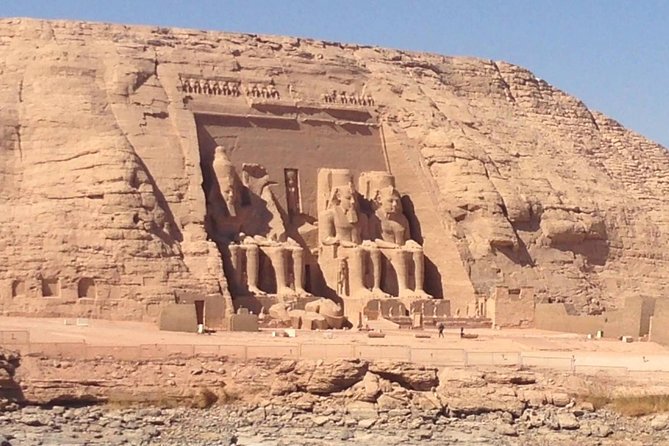
Day 6 leans into the “river travel” side of a Nile cruise. The cruise sails again toward Luxor, with Nubian islands and villages and green stretches visible along the way. This isn’t just scenery for scenery’s sake. It’s a reminder that the Nile isn’t only temples and monuments—it’s living communities.
The itinerary keeps Day 6 relatively simple, which helps you recharge. You’re on the boat, you can enjoy the view, and you’re not forced into another nonstop site sprint.
Then Day 7 is a day at leisure. You’ll still sleep onboard and enjoy the cruise rhythm, but this is your breathing day. It’s a good time to take photos without rushing, sit on the deck, and maybe catch up on rest if you’ve been running on early mornings.
Final Day in Luxor: Karnak and Luxor Temple on the East Bank
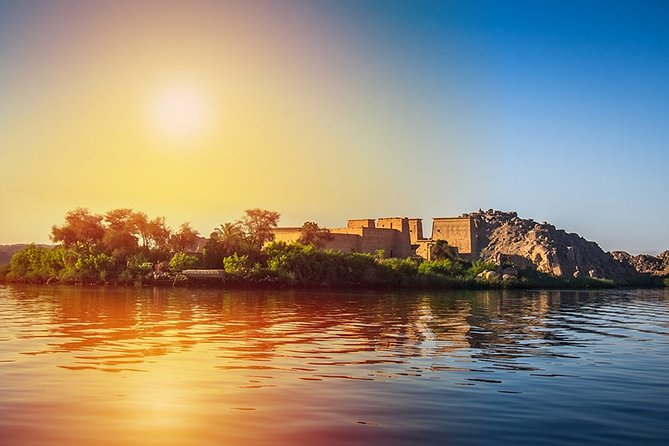
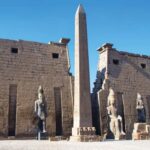
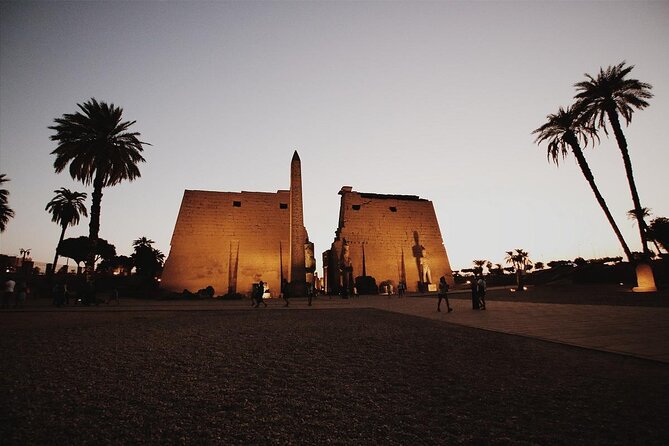
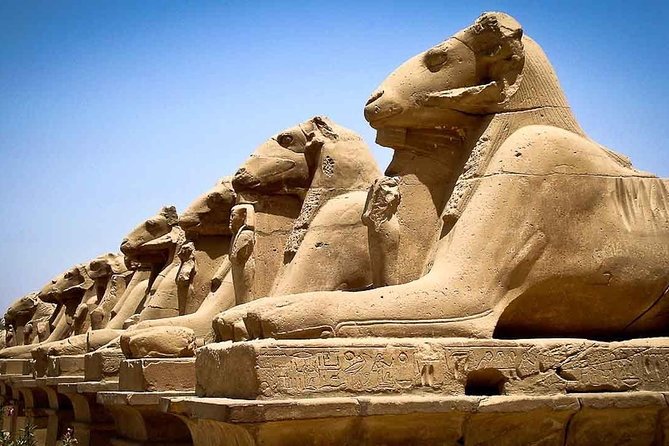
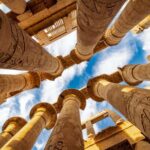
Day 8 is the “close the loop” finish: after breakfast, you head to the east bank. The first stop is Karnak Temple, described as the biggest temple in the world. Whether you measure that claim literally or not, Karnak is certainly the kind of place that makes you feel small in a useful way.
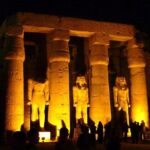
After Karnak, you visit the Luxor Temple. This pairing is smart because Karnak can overwhelm on first contact. Luxor Temple can then feel more manageable, more human-scaled, and easier to absorb.
At this point, you’ll probably realize why doing Luxor both at the West Bank and East Bank makes sense. You’re not just collecting sights—you’re seeing two different sides of the city’s sacred geography.
Cabins, meals, Wi-Fi, and the real comfort math
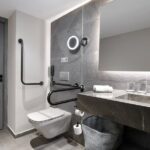
You’re staying onboard for 7 nights with a cabin that includes all facilities. While the exact cabin layout isn’t spelled out here, the important practical point is that you’re not constantly packing and unpacking across multiple hotels.
Meals are included with clear structure: meals start with lunch on the first day and end with breakfast on the last day, with 7 lunches, 7 dinners, and 7 breakfasts. That matters because long temple days can make meal planning a headache. Instead, you can focus on sightseeing and know food is handled.
There’s also Free Wi-Fi over 4GB per person. That’s useful if you want to message family, check maps, or upload a few balloon photos. It’s not the kind of deal for streaming nonstop all day, but it’s enough for normal connectivity.
Also note the itinerary uses a mix of transport methods: mini bus for many transfers, motor boats for river crossings and island access, and even a horse and carriage on the Edfu day. The good news: the tour handles coordination so you’re not hunting for connections.
Price and value: is $1,925 per person fair?
At $1,925 per person, this is not a budget Nile cruise. But you can still judge value based on what’s included versus what would cost extra if you booked piece by piece.
You’re getting:
- 7 nights onboard (major cost driver for any cruise)
- Egyptology tour guide
- pickup and drop-off via air-conditioned mini bus
- hot air balloon entrance
- multiple major temples across Luxor, Edfu, Kom Ombo, Aswan, and Abu Simbel
- onboard meals across the full trip
Where you need to be careful is entrance fees. The tour details state that admission tickets are not included on some days, while other inclusions are listed (like hot air balloon entrance), and entrance fees are listed under not included. In plain terms: don’t assume every temple ticket is covered. Before you go, ask your operator or confirm in writing what entrance fees you pay on-site.
So is it “worth it”? If you want the convenience of a full package plus the balloon plus a locked-in route, then yes, the price starts to make sense. If you’d rather travel slower, and you already know you’ll be fine arranging transport yourself, you might find cheaper options. But they won’t match the built-in structure and balloon inclusion.
A realistic heads-up: who should (and shouldn’t) pick this plan
This itinerary fits best if you:
- want a classic Luxor–Aswan Nile route
- like guided temple visits and don’t want to coordinate every transfer
- enjoy a mix of early starts and scenic cruising
- prefer that meals and onboard logistics are handled
It may be less ideal if you:
- hate early mornings (Abu Simbel starts around 5 a.m.)
- want lots of free time every day
- are traveling with very specific needs and must have a guarantee (one negative experience I saw involved a baby cot request and the stress of follow-ups)
If you’re traveling with a baby or with special requirements, I strongly recommend you confirm needs in writing well ahead of time and keep messages. Don’t wait until the last week.
Should you book this Nile Prince Travel cruise?
I’d book this if you want a well-structured Nile cruise that takes you to the big-name temples and still gives you real sailing time. The hot air balloon in Luxor plus the West Bank start, then Edfu/Kom Ombo, then Aswan and Abu Simbel, is a lot of iconic Egypt packed into a single smooth route.
I’d pause and ask extra questions if you care a lot about included entrance fees and want full clarity on what you’ll pay on-site. Also, be honest about your tolerance for early mornings.
For most people who want an organized, single-trip answer to Egypt’s “greatest hits,” this is a strong choice—especially if you treat it as a guided journey rather than a slow, independent cruise.
FAQ
What route does the cruise cover?
It’s a 7-night Nile cruise starting in Luxor, traveling to Aswan, and then returning to Luxor again.
How long is the experience?
The itinerary is listed as about 8 days.
Do I get picked up and dropped off?
Yes. Pickup and drop-off are included by air-conditioned mini bus.
Is the hot air balloon included?
Yes. Hot air balloon entrance is included, and the balloon ride is scheduled on the Luxor day early in the morning.
Are entrance fees included?
Entrance fees are listed as not included, and some days are marked as admission ticket not included. You may need to budget for tickets on-site depending on the stop.
Does the trip include Abu Simbel?
Yes. Abu Simbel temples are included, with the visit scheduled around 5 a.m.
What meals are included?
Meals include breakfast, lunch, and dinner across the cruise, with lunch starting on the first day and breakfast ending on the last day.
Is Wi-Fi available onboard?
Yes. Free Wi-Fi over 4GB per person is included.
What if weather is bad or the trip can’t run?
The experience requires good weather. If it’s canceled due to poor weather, you’ll be offered a different date or a full refund. There is also a minimum traveler requirement, and if that isn’t met you’ll be offered a different option or a full refund.