REVIEW · LUXOR
4Nights Nile Cruise from Luxor to Aswan with Abu Simbel & Balloon
Book on Viator →Operated by Luxor Magic Tours · Bookable on Viator
Sunrise over Luxor is unforgettable. This trip is built around a hot air balloon at sunrise plus a smooth Nile-ride pace that still hits the big hitters.
I also love that you get an Egyptology guide for the major temple and tomb stops, so you’re not just looking at carvings—you’re learning what you’re seeing.
The one drawback to weigh is the operator’s reputation. Some past customers report issues with business practices and a mismatch between what was marketed and what they experienced onboard, so I’d verify key details (especially the ship and inclusions) before you pay.
In This Review
- Key highlights at a glance
- Luxor to Aswan by Nile: why this 5-day rhythm works
- Sunrise hot air balloon over Luxor: the best way to start the trip
- Day 1 on the West Bank: Valley of the Kings, Hatshepsut, Colossi of Memnon
- Day 2: Karnak and Luxor Temple, then you sail toward Edfu
- Day 3 in Edfu and Kom Ombo: Horus by carriage and a sunset temple
- Day 4: Abu Simbel early morning, then Aswan markets and a long exhale
- Day 5: Philae, Aswan High Dam, and the Unfinished Obelisk
- What’s included (and what that means for your daily comfort)
- Price and value: is $1,391 a good deal for this itinerary?
- Practical tips to make your days smoother
- Should you book this Nile cruise?
- FAQ
- What is the route and overall duration of the cruise?
- Is the hot air balloon ride included, and when does it happen?
- Which major sites are included in the trip?
- Are meals included on board?
- Does the tour include Abu Simbel?
- Is tipping included in the price?
- What’s the cancellation policy if plans change?
Key highlights at a glance
- Sunrise hot air balloon over Luxor for wide-open views of the ancient city
- Full guided touring with an Egyptologist across the most important stops
- Abu Simbel as an early-morning mission, usually the most dramatic day on this route
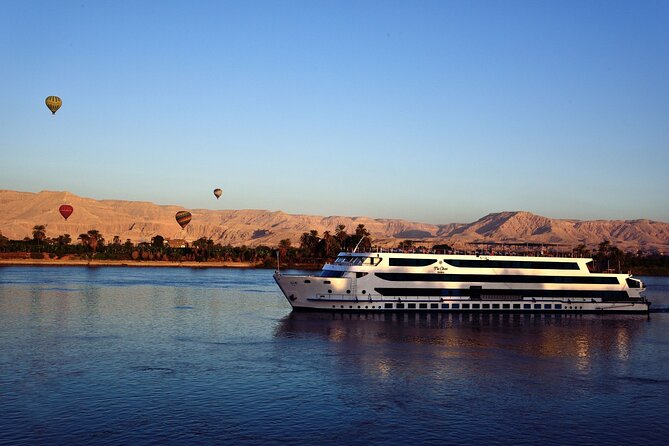
- 4 nights on a 5-star Nile cruise with meals included every day
- Aswan add-ons beyond temples, including the High Dam and Unfinished Obelisk
- Pickup and end transfers to Aswan hotel, train station, or airport
Luxor to Aswan by Nile: why this 5-day rhythm works
This is a classic Luxor-to-Aswan sweep, but it’s paced so you’re not sprinting from place to place all day. You start on the West Bank, then you get temples in Luxor, then you sail down the Nile and slowly stack the standout sites: Edfu, Kom Ombo, Abu Simbel, and finally Aswan.
What makes it feel efficient is that the big-ticket logistics are handled: air-conditioned vehicle, guided tickets where listed, and onboard meals. You spend less time figuring out routes and more time actually looking at what Egypt is famous for.
If you like tours that mix comfort with structure, this kind of cruise is a good fit. If you hate tight schedules, you’ll want to go in expecting early starts—especially on the balloon and Abu Simbel days.
You can also read our reviews of more boat tours in Luxor
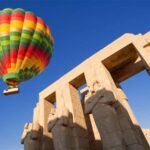
Sunrise hot air balloon over Luxor: the best way to start the trip
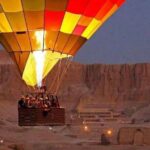
The balloon ride is one of the headline inclusions, and it’s scheduled at sunrise. That timing matters because Luxor’s light in the early morning makes the ancient shapes easier to read—temple edges, river bends, and the sense of scale over the valley.
This is also a rare moment where you’re not surrounded by tour buses and ticket lines. Even though the sites are crowded later, the balloon gives you a brief reset: quiet, open views, and that wow factor that photographs can’t fully capture.
Practical note: plan to be ready very early. Bring something warm for dawn, even if daytime in Egypt feels hot.
Day 1 on the West Bank: Valley of the Kings, Hatshepsut, Colossi of Memnon
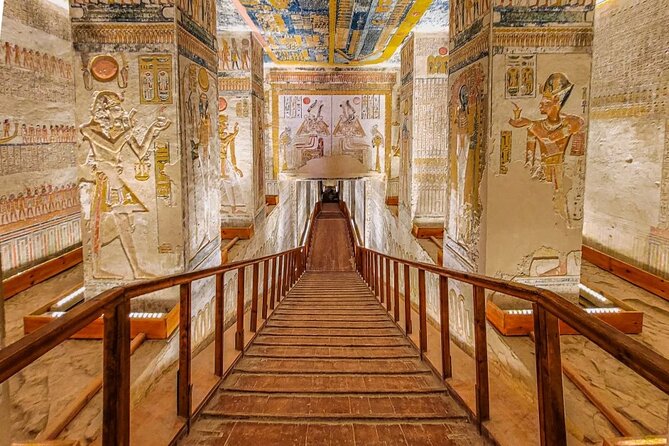
Day 1 is built for people who want Egypt’s royal story on Day 1.
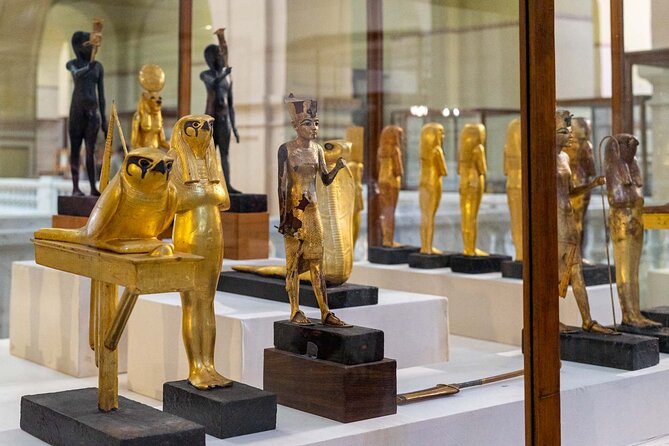
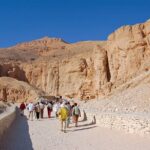
Valley of the Kings is where you’ll get the tomb context—royal burials, the logic of the site, and the famous name everyone associates with this place. The tour includes time to walk through and understand why these tombs were set up this way, not just where to stand for pictures.
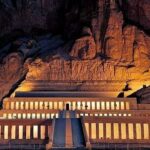
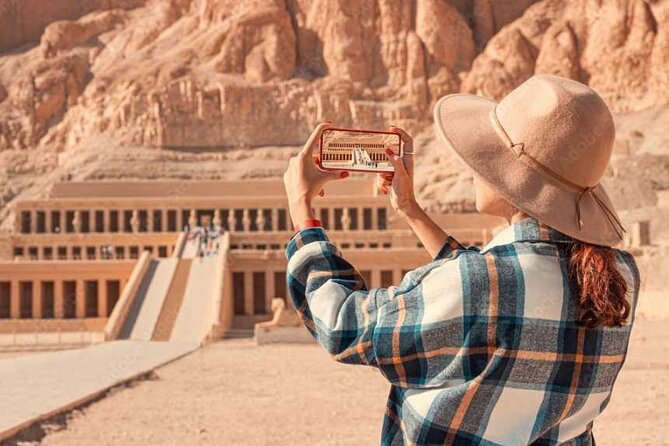
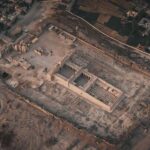
Next comes Temple of Hatshepsut at Deir el Bahari, a standout because it links architecture to power and to a real historical twist: Hatshepsut as Egypt’s first female Pharaoh. Even if you’ve never studied Egyptology, the guide should help you see what you’re looking at and why it mattered.
You end with the Colossi of Memnon—two huge statues tied to Amenhotep III. It’s a shorter stop, but it gives you a satisfying end point that’s dramatic even from a distance.
Consideration: this is a long “thinking” day. You’ll be absorbing a lot of names and dates, so pace yourself with water and take quick breaks when you need them.
Day 2: Karnak and Luxor Temple, then you sail toward Edfu
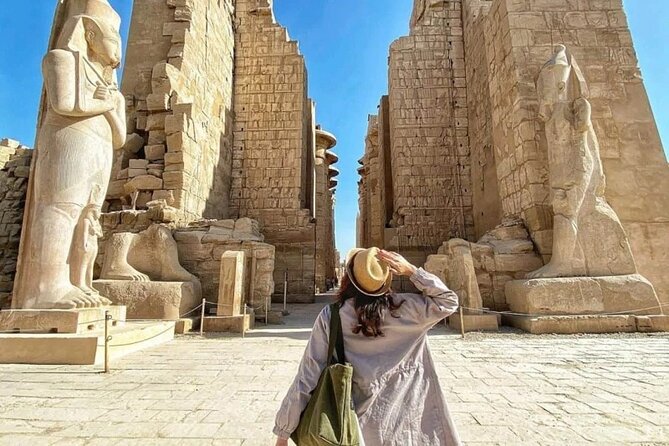
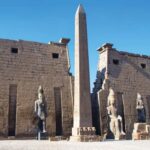
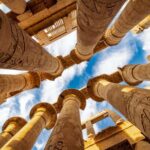
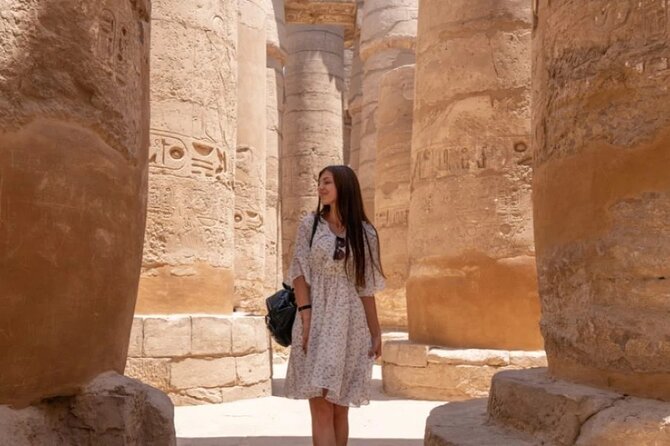
You start Day 2 with a second major element: Karnak Temple and Luxor Temple. Karnak is the big one—the scale alone tells you why it’s famous. With an Egyptologist guide, you can connect the size of the complex to centuries of worship, rebuilding, and political messaging.
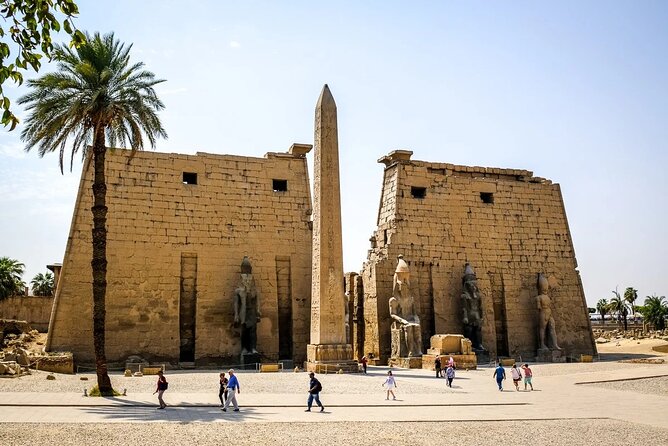
After Karnak, Luxor Temple gives you a different feel. It’s still grand, but it’s more about how the site functioned in the city and how later rulers built on earlier work. If you’ve never visited before, this pairing is a smart one: Karnak teaches the maximum scale; Luxor Temple shows what that power looked like day-to-day.
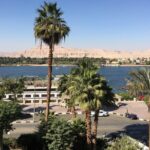
Then the day shifts to cruise time. You’ll move into sailing mode in the afternoon, passing through the Esna lock area, with Edfu as your overnight.
Why this helps: you get temples in the morning when it’s easier to concentrate, and you let the river do the rest. The sailing stretch is when the trip stops feeling like a checklist.
Day 3 in Edfu and Kom Ombo: Horus by carriage and a sunset temple
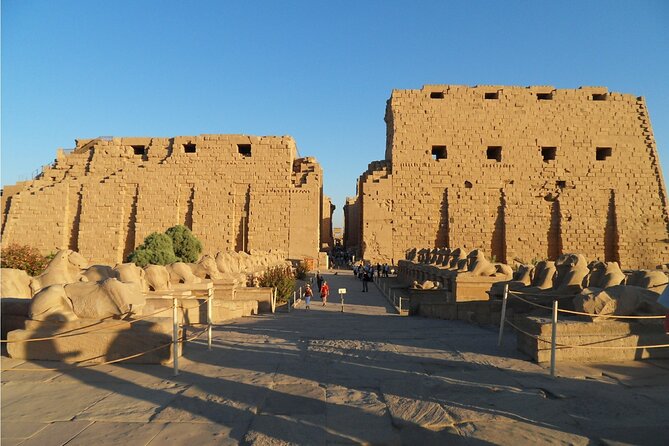
Day 3 is all about two temples with very different vibes.
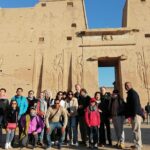
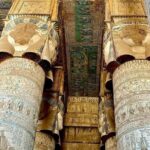
You head to the Temple of Horus at Edfu. The plan includes a traditional horse-drawn carriage ride to reach the site. That’s not just a cute detail—it helps set you in the rhythm of old Egypt while you’re approaching a place that’s still built around ancient religious choreography.
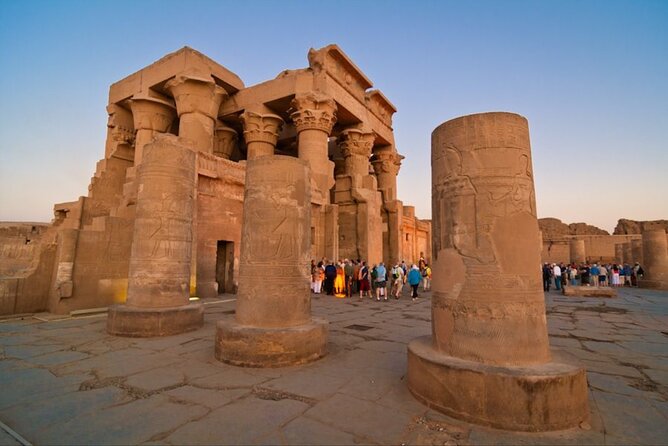
Later, you sail toward Kom Ombo. The timing here is the key: you visit Kom Ombo Temple around sunset. That works well because light changes how stone and carvings look, and it also makes the temple feel less like a daytime stop and more like an evening ritual.
Consideration: if you’re sensitive to motion, you’ll notice more travel time on this day. Build in downtime on the ship when you can.

Day 4: Abu Simbel early morning, then Aswan markets and a long exhale
This is the day most people remember. Abu Simbel Temple Complex is approached early, and you return to the cruise by around 1 PM, with lunch afterward and time to relax onboard, including access to the ship’s facilities like the swimming pool.
Abu Simbel works because it’s not just another temple. It feels engineered to impress—massive stone, monumental entrances, and the sheer effort it took to create something on that scale. Going early helps you avoid turning this day into a late-afternoon scramble.
After that, you reach Aswan for the evening. You’ll have time to explore the local market, which is where the trip starts to feel less strictly ancient and more real Egypt-now. This is also a good time to pick up small souvenirs and snacks without turning every stop into a shopping mission.
Consideration: Abu Simbel is long and demanding. Even with a return time built in, you’ll likely want a calm evening afterward.
Day 5: Philae, Aswan High Dam, and the Unfinished Obelisk
Your final day mixes ancient and modern in a way that actually makes sense.
First is Temple of Philae on Philae Island, dedicated to Isis. It’s a fitting closer because it feels both accessible and spiritually meaningful—again, this is where the guide matters, since you’ll want the story behind the structures, not just the photos.
Next comes the Aswan High Dam, a major engineering project. If you only come to Egypt for temples, this part can still be worth it because it shows how humans reshape landscapes and manage life around the river.
You end with the Unfinished Obelisk, left in its original place due to a crack in the stone. That stop is oddly compelling because it reveals the process—how massive workpieces were attempted, planned, and sometimes abandoned mid-stream.
After sightseeing, you’ll be transferred to your Aswan hotel, train station, or airport.
What’s included (and what that means for your daily comfort)
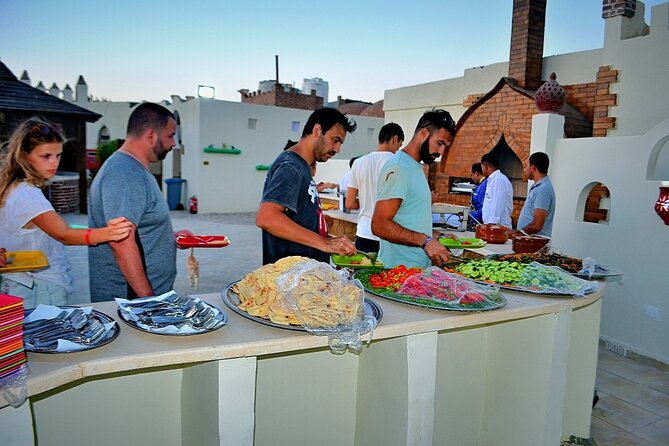
This package includes 4 nights in a 5-star Nile cruise, plus an air-conditioned vehicle, service charges and taxes, an expert tour guide, and the Abu Simbel trip. Meals are fully covered for the days listed: breakfast, lunch, and dinner each day during the cruise.
Two practical clarifications from the provided info:
- Tipping isn’t included, so you should budget for it.
- The tour is described as full board without drinks (not just alcoholic drinks). That means you’ll probably want to plan for water and other beverages separately.
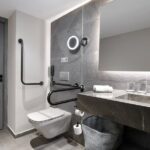
Onboard, you should expect a comfortable cabin, housekeeping, and time to use ship facilities like the swimming pool (mentioned as available during the Abu Simbel day). One of the more reassuring parts of the experience is that the ship comfort is a common theme among positive comments.
Price and value: is $1,391 a good deal for this itinerary?
At $1,391 per person, you’re paying for a lot of moving parts in one bundle: guided site admissions where listed, a multi-day Nile cruise, transfers, and the big-ticket add-ons like hot air balloon and Abu Simbel.
This can be excellent value if you want:
- guided interpretation at the major stops,
- the convenience of not coordinating daily transportation,
- a cruise that handles the “river” portion so you can focus on the sites.
Where value can slip is when you don’t match expectations. One concern raised in the feedback you provided is that the boat experience may not always match what people expected from online visuals. If ship category, cabin layout, or room standards matter to you, confirm the exact ship and cabin level before booking and keep your expectations realistic about how cruises look in person versus promotional footage.
Practical tips to make your days smoother
A few things I’d do to make this cruise feel effortless:
- Protect your early mornings. Sunrise balloon and the early Abu Simbel start mean you’ll be waking before you’re fully “day-ready.”
- Pack for heat and dust. Even when you’re indoors at temples, you’ll move between outside light and shaded spaces. Comfortable shoes matter more than fashion.
- Budget for drinks. Meals are included, but drinks are not, so don’t assume tea, juice, or water is covered.
- Use the onboard downtime. The trip has long sight-heavy days. Give yourself a break on the ship after Abu Simbel and between temple blocks.
- Verify key inclusions in writing. With the mixed feedback about business practices, I’d double-check what you’re getting: balloon confirmation, Abu Simbel logistics, and the specific cruise ship category.
Should you book this Nile cruise?
I’d recommend it if you want a structured Luxor-to-Aswan trip that hits the major monuments in a smart order and includes the two biggest “wow” extras: sunrise balloon and Abu Simbel. The guided approach also helps you make sense of what you’re seeing, especially on Day 1 and Day 5.
I wouldn’t book it blindly if your priority is a guaranteed, match-perfect onboard experience based on marketing images or if you’re uneasy about the operator’s communication. For peace of mind, confirm the ship details and inclusions clearly before you pay, and go in ready for early mornings.
FAQ
What is the route and overall duration of the cruise?
The experience runs for about 5 days, including 4 nights on a Nile cruise from Luxor to Aswan, with Abu Simbel included.
Is the hot air balloon ride included, and when does it happen?
Yes. A hot air balloon ride over Luxor at sunrise is included.
Which major sites are included in the trip?
You’ll visit the Valley of the Kings, the Temple of Hatshepsut at Deir el Bahari, the Colossi of Memnon, Karnak Temple, Luxor Temple, the Temple of Horus at Edfu, Kom Ombo Temple, the Abu Simbel Temple Complex, Philae Temple, the Aswan High Dam, and the Unfinished Obelisk.
Are meals included on board?
Yes. Breakfast, lunch, and dinner are included during the cruise (4 breakfasts, 4 lunches, and 4 dinners).
Does the tour include Abu Simbel?
Yes. The trip to Abu Simbel Temple Complex is included.
Is tipping included in the price?
No. Tipping is not included.
What’s the cancellation policy if plans change?
You can cancel for free up to 24 hours in advance for a full refund. If you cancel less than 24 hours before the start time, the amount you paid will not be refunded.