REVIEW · LUXOR
4-Nights Nile Cruise Luxor to Aswan full board with sightseeing
Book on Viator →Operated by Egypt Nile Trips · Bookable on Viator
Your passport for ancient Egypt is a boat. This Luxor to Aswan cruise mixes major temples and tombs with onboard downtime, so you’re not bouncing around hotels all day. I like that the sightseeing runs with an Egyptologist guide plus organized shore visits, hitting Karnak, the Valley of the Kings, Edfu, Kom Ombo, and Philae.
I also like the logistics: private door-to-door transfers in Luxor and Aswan, and full board on the ship with 12 meals across the 4 nights. One thing to consider before you book: entrance fees and a few specific Philae details are listed as optional add-ons, and I’d confirm the ship condition too, since at least one past guest flagged an older boat with technical issues.
In This Review
- Key things I’d focus on before you go
- What you’re really booking: a guided Luxor-to-Aswan cruise with “on-rails” days
- Day 1 in Luxor: Karnak first, then Luxor Temple by night (and your ship)
- Karnak Temple: the giant religious complex
- Luxor Temple: festivals and royal building, Amenhotep to Ramses
- West Bank day: Valley of the Kings, Hatshepsut, and Colossi of Memnon
- Valley of the Kings: the “Place of Truth”
- Hatshepsut at Deir el Bahari: a rare female pharaoh
- Colossi of Memnon: two towering reminders
- Edfu and Kom Ombo: horse carriage to Horus, then two-god temple at Kom Ombo
- Edfu’s Temple of Horus: best preserved cult temple
- Kom Ombo’s Temple: shared space for Sobek and Haroeris
- Aswan day: High Dam views and Philae’s relocated temple
- High Dam: a modern Egypt milestone
- Philae Temple: why the temple had to move
- The “extras” that make the cruise feel like a whole experience
- Hot-air balloon ride over Luxor sky
- Abu Simbel: small group, English-speaking guide
- Felucca + horse carriage
- Meals, onboard life, and that between-sites downtime
- Comfort and the ship question: what to check before you fall in love with the idea
- Price check: $499 per person and how to budget the real total
- Practical tips so your Luxor to Aswan days feel smooth
- Confirm what your voucher covers
- Dress for temple days and boat evenings
- Bring small patience for ticketing and walking
- Don’t ignore the transfer time
- Who this tour fits best
- Should you book this Luxor to Aswan Nile cruise?
- FAQ
- How long is the Luxor to Aswan cruise?
- Does the tour include pickup?
- Are meals included?
- Is this tour private?
- Is an Egyptologist guide included?
- Is the hot-air balloon ride included?
- Does the package include Abu Simbel?
- Are the attraction entrance tickets included?
- Is a motorboat to Philae Temple included?
- What is the cancellation policy?
Key things I’d focus on before you go
- Luxor to Aswan in 4 nights with guided highlights that feel efficient, not rushed
- Karnak, Valley of the Kings, Hatshepsut, Edfu, Kom Ombo, Philae all in one route
- Hot-air balloon ride over Luxor sky included in the package
- Small-group Abu Simbel with an English-speaking guide (sharing, not private)
- Horse carriage and felucca time for a change of pace beyond temple walls
- Private transfers in Luxor and Aswan, plus mobile ticket convenience
What you’re really booking: a guided Luxor-to-Aswan cruise with “on-rails” days
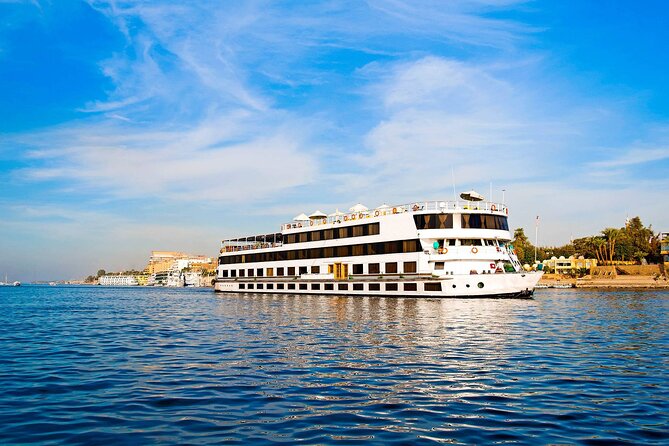
This is a classic Nile cruise route, but with enough structure to keep the heavy lifting off your plate. You get a full-board stay aboard a 5-star Nile Cruise for 4 nights, plus a dedicated Egyptologist guide and vehicle for the big shore days.
For me, the value is in how the days are assembled. You’re seeing the major Upper Egypt landmarks in a logical order, and each stop is paired with context so the temples don’t just look like stone boxes. You’ll also get your meals without hunting for lunch—nice when you’ve already got sun, walking, and ticket lines to deal with.
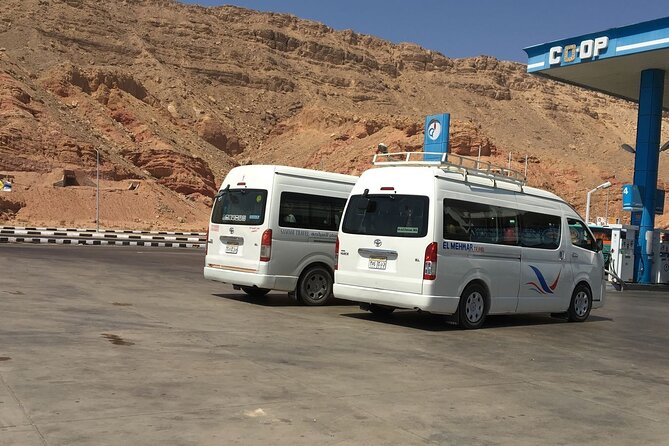
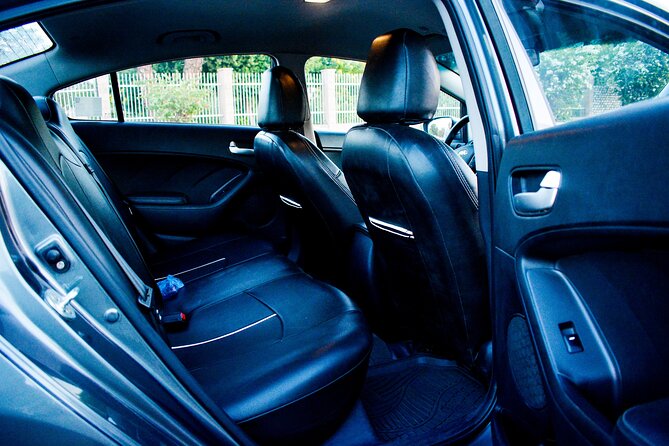
One more practical point: the package includes private transfers in Luxor and Aswan and mentions a mobile ticket. That usually means less friction on arrival, especially if you’re pairing this with international flights.
You can also read our reviews of more boat tours in Luxor

Day 1 in Luxor: Karnak first, then Luxor Temple by night (and your ship)
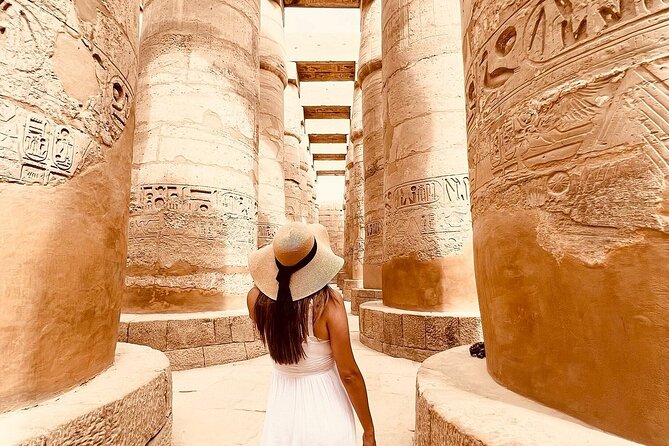
Your day starts in Luxor with two of the easiest places to understand why people get hooked on Egypt.
Karnak Temple: the giant religious complex
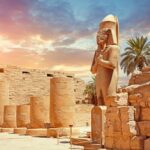
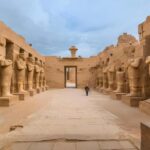
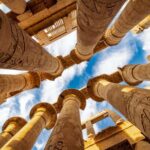
Karnak is described as the biggest religious complex in the world and the oldest in Luxor, built up over many Pharaohs. Even if you’re not the type who reads every inscription, a site this large does something useful: it gives you scale. You stop thinking in one temple at a time and start seeing a whole sacred city.
What to do with your time there:
- Go early if you can (the day starts with the tour), so the light and crowds are easier.
- Watch for the way additions from different rulers create an ongoing story, not one single era.
Luxor Temple: festivals and royal building, Amenhotep to Ramses
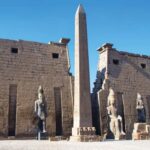
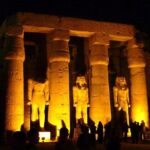
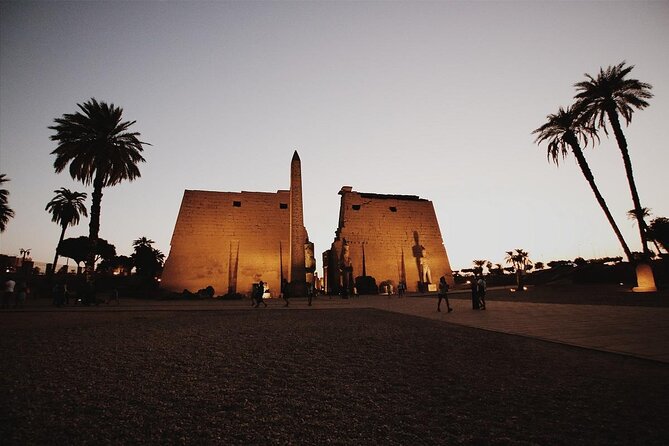
Then you shift to Luxor Temple, tied to ancient festivals and associated with Amenhotep III, with later additions by Ramses II. This is a more focused feeling compared with Karnak, and it helps your brain connect the dots between Thebes’ power and religious life.
After the sightseeing, you transfer to the Nile Cruise and check in. I like this flow: you get the hardest-hitting sites while you still have full energy, then the boat becomes your reset button.
West Bank day: Valley of the Kings, Hatshepsut, and Colossi of Memnon
This is the day that makes a Luxor cruise feel like more than scenery. It’s built around the West Bank—where tombs and funerary temples turn the past into something concrete.

Valley of the Kings: the “Place of Truth”
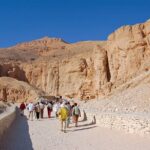
The Valley of the Kings is known as the “Place of Truth,” and it’s presented here as the necropolis of Thebes for New Kingdom Pharaohs. The key idea you’ll hear is protection: the tombs were carved into rock with the aim of keeping mummies safe from grave robbers.
Practical tip: wear sun protection and plan to move at a walking pace. Even with a guide, the volume of sites can add up fast.
Hatshepsut at Deir el Bahari: a rare female pharaoh
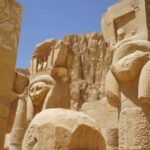
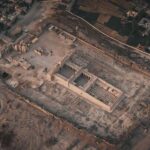
Next comes Deir Al Bahary, the funerary temple of Queen Hatshepsut, described as the only female pharaoh who ruled Egypt. This stop works especially well because it’s not just “another temple.” It’s tied to a specific person and political moment, which makes it easier to remember later.
Colossi of Memnon: two towering reminders
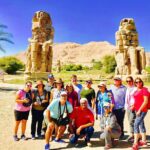
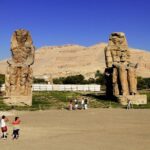
You finish at the Colossi of Memnon, twin statues about 18 meters high, linked to Amenophis III and the remains of a funerary temple. They’re brief compared to Karnak, but they’re powerful because they’re so big and so still—your body notices them even when your mind is tired.
Edfu and Kom Ombo: horse carriage to Horus, then two-god temple at Kom Ombo
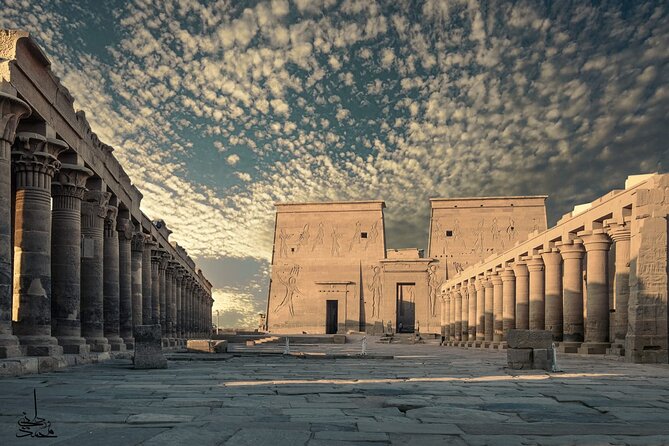
This day is where the cruise route starts mixing temples with small bits of “non-museum” experience.
Edfu’s Temple of Horus: best preserved cult temple
The shore excursion includes a horse carriage ride to the Temple of Horus in Edfu, described as the best preserved cult temple in Egypt. It’s presented as Ptolemaic, built from 237 to 57 BC.
The guide focus here is on the god symbolism: Horus is the falcon linked to sky, with eyes as sun and moon, and the king as Horus manifest. That kind of framing matters. Without it, you may see walls and carvings. With it, you start seeing an entire worldview drawn into stone.
Kom Ombo’s Temple: shared space for Sobek and Haroeris
Then you visit the Temple of Kom Ombo, shared by two gods: Sobek (crocodile) and Haroeris (headed falcon). The dates are given as about 180 BC (Ptolemaic) with additions into Roman times.
Here’s how I’d use your time: don’t rush to the next room just to check it off. Shared temple layouts are easier to understand when you slow down for a moment and notice repeated symbols.
Aswan day: High Dam views and Philae’s relocated temple
Aswan is where the cruise shifts from ancient power to the modern story of how humans changed the Nile.
High Dam: a modern Egypt milestone
You’ll go to the High Dam and get the big idea: it protected Egypt from the annual Nile flood. You’ll then continue toward Philae.
Even if you don’t care about engineering, this stop helps you see the river as a living force that shaped everything before modern controls.
Philae Temple: why the temple had to move
Philae is presented as relocated from Philae Island because the original site was submerged during construction. That context matters. When you walk through, you’re not just seeing a temple. You’re seeing a rescue story.
One practical caution: the package details say motorboat to Philae Temple is not included, and it also lists Philae Temple and High Dam entries as not included. So budget for add-ons unless your final voucher clearly states otherwise.
The “extras” that make the cruise feel like a whole experience
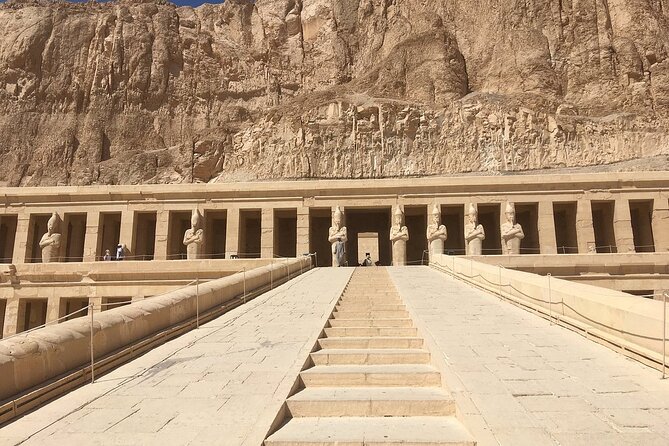
This tour includes more than just the temple circuit.
Hot-air balloon ride over Luxor sky
A hot-air balloon ride over Luxor sky is listed as included. That’s a big-ticket memory even for people who usually skip “activity tours.” Start thinking ahead about weather and what you’ll wear in the early hours, because balloon days often come with a very early wake-up (the exact timing isn’t spelled out here, so follow your confirmation).
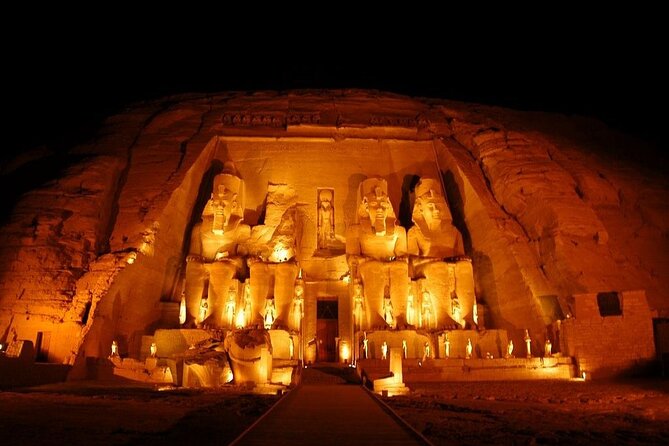
Abu Simbel: small group, English-speaking guide
You also get a sharing small group to Abu Simbel with an English-speaking tour guide. Abu Simbel isn’t listed in the day-by-day stops, so expect it to be slotted on a day by the operator. The key for you: it’s not fully private, so plan for some group logistics.
Felucca + horse carriage
The highlights mention a felucca ride and a horse and carriage ride. Horse carriage is clearly part of the Edfu excursion. Felucca is mentioned in the highlights but not spelled into a specific day, so consider it a bonus you’ll enjoy when it’s scheduled.
Meals, onboard life, and that between-sites downtime
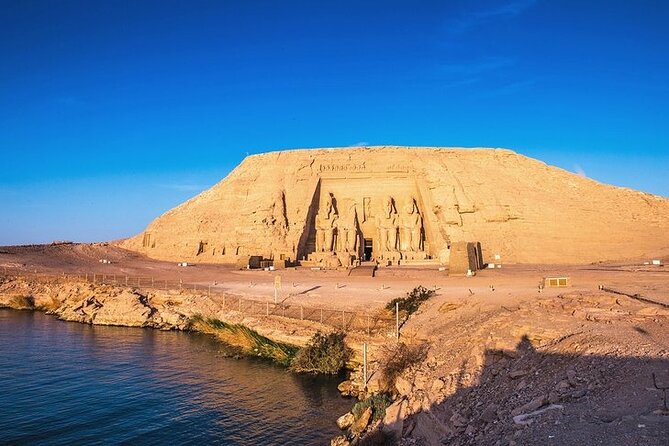
On this cruise, meals matter because you’re living on a schedule: shore visits, return time, then eating again. This package is set up as full board, with meals starting with lunch on the first day and ending with breakfast on the last day. It also lists 12 meals total, and the included meals are itemized as dinner (4), breakfast (4), and lunch (4).
What that means in real life:
- You don’t have to guess where to eat after temples.
- You get consistent energy for long walking days.
- You can treat the ship as recovery time instead of another chore.
Onboard, there’s also a lively entertainment program (exact details aren’t provided). I’d treat that as optional mood lighting. Even without the entertainment, the boat gives you one huge thing most Egypt trips lack: a guaranteed place to decompress.
Comfort and the ship question: what to check before you fall in love with the idea
The cruise is described as a 5-star Nile Cruise. Still, one past experience flagged an older ship (the Voyager was named) with technical problems that affected comfort.
I’m not saying this is your outcome. I am saying you should confirm two things:
- The ship you’re assigned (name and general condition) close to departure.
- What’s included around the ship experience, and whether any upgrades apply.
If you’re the type who hates surprises, ask for reassurance early. If you’re flexible and mostly there for the temples, you’ll likely focus on the sights and the time on deck.
Price check: $499 per person and how to budget the real total
At $499 per person, the headline price looks like good value for a 4-night cruise with guided major sites and full-board meals. You’re also getting private transfers in Luxor and Aswan and included items like the hot-air balloon ride and the Abu Simbel small-group day.
But here’s the money reality to plan for: the package includes entrance-ticket language in the stop details, while the additional info lists many attraction tickets as not included (including Karnak, Luxor Temple, Valley of the Kings, Hatshepsut, Colossi, Edfu, Kom Ombo, and the Philae/High Dam components). You should treat entrances as likely extra unless your final confirmation clearly says otherwise.
Also note gratuities: tipping is not included. Your guide and drivers are part of the daily work, and you’ll want to factor that into your budget.
A simple way to decide if it’s worth it for you:
- If your voucher includes most entrance fees, $499 can be a strong deal.
- If you still need to add many tickets on top, the total will rise fast, and you’ll want to compare against other cruise packages.
Practical tips so your Luxor to Aswan days feel smooth
Confirm what your voucher covers
Because the inclusions show some contradictions around attraction tickets, I’d read your final paperwork closely. If it’s unclear, message before you go.
Dress for temple days and boat evenings
You’ll be outside for multiple hours across several days. Plan light layers for sun and a bit of warmth if evenings feel cooler on the river.
Bring small patience for ticketing and walking
Even with guided tours, temples can involve waiting and uneven surfaces. Shoes that handle dust and steps matter.
Don’t ignore the transfer time
Private transfers in Luxor and Aswan help a lot. Still, keep your schedule flexible for pickup and return, especially if you have an early balloon ride or Abu Simbel day.
Who this tour fits best
This itinerary fits well if you want:
- A guided, structured route with big-name stops and less decision-making.
- Full board so you’re not hunting for meals between attractions.
- Comfort that comes from not switching hotels every night.
It’s also a good match if you like a mix of experiences: big temples, a horse carriage ride, and time on a felucca.
If you’re the type who absolutely needs a pristine ship environment, do your homework on the vessel assigned. And if you hate surprise costs, make sure your ticket/entrance situation is crystal clear before departure.
Should you book this Luxor to Aswan Nile cruise?
I’d book it if you want a simple, guided path through Upper Egypt and you like the idea of relaxing on the ship between ancient sites. The route hits the essentials, and the included meals and transfers make it feel like a package, not a DIY slog.
I’d pause and verify first if your main concern is entrance fees and ship condition. With a cruise, small details can change the whole experience. If your final confirmation clearly covers tickets and the ship details look solid, this is the kind of trip that’s easy to enjoy from day one to day four.
FAQ
How long is the Luxor to Aswan cruise?
It’s a 4-night cruise with an approximate total duration of 5 days.
Does the tour include pickup?
Pickup is offered, and the tour also includes private transfers in Luxor and Aswan.
Are meals included?
Yes. Meals start with lunch on the first day and end with breakfast on the last day, for a total of 12 meals (4 dinners, 4 breakfasts, and 4 lunches).
Is this tour private?
The tour is listed as private, with only your group participating for the included program. Note that Abu Simbel is listed as a shared small group.
Is an Egyptologist guide included?
The sightseeing is described as guided with an Egyptologist guide.
Is the hot-air balloon ride included?
Yes, a hot-air balloon ride over Luxor sky is included.
Does the package include Abu Simbel?
Yes. It includes sharing a small group to Abu Simbel with an English-speaking tour guide.
Are the attraction entrance tickets included?
The additional info lists attraction tickets and entrance fees as not included (with customization options). Check your final confirmation to see what’s covered.
Is a motorboat to Philae Temple included?
No. The motorboat to Philae Temple is listed as not included.
What is the cancellation policy?
Free cancellation is offered up to 24 hours in advance for a full refund.