REVIEW · LUXOR
4 Nights Nile Cruise from Luxor to Aswan
Book on Viator →Operated by Visit Egypt Now · Bookable on Viator
Nile cruising keeps the days moving. On this Luxor to Aswan trip, you stack major ancient sites with real sailing time, guided by an Egyptologist and run as a small group (up to 8).
I especially like two things: the Hypostyle Hall scale at Karnak, and the chance to see Valley of the Kings tombs as part of a guided west-bank day. The whole route makes sense geographically, so you’re not bouncing around Egypt for no reason.
One thing to keep in mind: the schedule is packed, and Abu Simbel is only an optional early-morning add-on. There’s also a high-season extra cost of $100 per person cash (20 Dec to 4 Jan).
In This Review
- Key highlights worth knowing upfront
- Luxor to Aswan Nile Cruise: the “big hits” route that actually works
- Pickup, meeting at 8:00 am, and how the logistics feel on day one
- Karnak Temple and Luxor Temple: Hypostyle Hall scale vs. downtown elegance
- West Bank tomb day: Valley of the Kings’ three tombs and the art you can actually see
- Hatshepsut, Memnon, and why the west bank pace matters
- Edfu’s Temple of Horus: a well-preserved centerpiece before Kom Ombo
- Aswan’s Philae day: sacred temple, modern dam context, and the unfinished obelisk
- Abu Simbel optional early morning: when that extra effort is worth it
- Accommodation and the boat stay: where the value really shows
- Price and what’s not included: the one extra cash moment
- Guides like Ramadan and Ahmed: why “qualified” matters here
- Who this Luxor-to-Aswan cruise suits best
- Should you book this 4 Nights Nile Cruise from Luxor to Aswan?
- FAQ
- How long is the Nile cruise from Luxor to Aswan?
- Where do you get picked up in Luxor, and where do you get dropped off?
- What time does the tour start?
- Are meals and entrance fees included?
- Is Abu Simbel included?
- What extra cost is there during high season?
- Do I need a passport, and how big is the group?
Key highlights worth knowing upfront
- Small group size (max 8) for a smoother pace and easier questions with your guide
- Qualified Egyptologist guiding across both east bank and west bank monuments
- Karnak + Luxor Temple + Valley of the Kings + Hatshepsut in one efficient Luxor-based arc
- Edfu’s Temple of Horus and Kom Ombo Temple timed with the cruise sailing
- Aswan focus that includes Philae, High Dam, and the unfinished obelisk
- Abu Simbel is optional and typically means an early start if you choose it
Luxor to Aswan Nile Cruise: the “big hits” route that actually works
This is the classic Nile corridor cruise—Luxor down to Aswan—built around the monuments most people picture when they think about ancient Egypt. Instead of trying to do everything by bus, you get the water in-between. That matters. Long days of walking and heat are easier when you have a boat schedule that naturally breaks things up.
What you’re really buying is flow: east bank temples first, then west bank tombs, then you slide into the middle-and-lower Nubian stops with Edfu, Kom Ombo, and Aswan. The cruise part isn’t just scenery; it’s the timing tool that keeps the days moving without turning the trip into nonstop transfers.
And the guide component is key. The itinerary doesn’t treat temples like a checkbox. You’ll get explanations tied to what you’re looking at—especially in the larger, more complex sites like Karnak and Hatshepsut.
You can also read our reviews of more boat tours in Luxor


Pickup, meeting at 8:00 am, and how the logistics feel on day one
The tour starts at 8:00 am, with pickup offered from your Luxor hotel, the train station, or Luxor airport. That’s a practical plus. Cairo can be a logistical circus; Luxor is easier, but having a driver lined up is still a stress reducer.
Transport is by air-conditioned vehicle, and the tour includes hotel-style pickup and drop-off at the end. You’re also issued a mobile ticket, and you’ll receive confirmation at booking. The group size cap (up to 8) helps here too—smaller groups usually mean fewer awkward waits as everyone gathers.
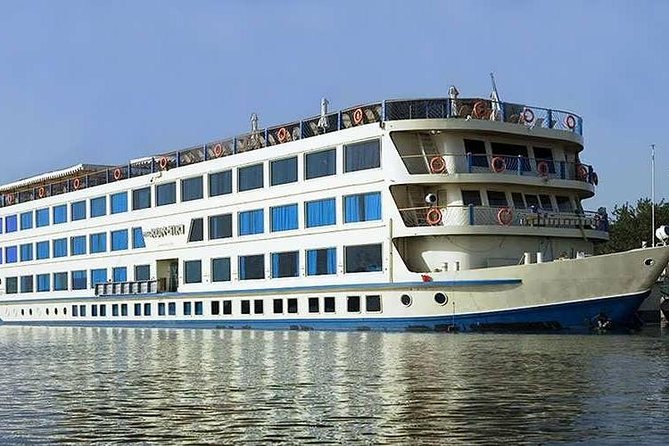
For day-one expectations: you’ll visit the east bank first (Karnak and Luxor Temple), then move on to your first overnight on a 5-star deluxe Nile cruise. In other words, the trip doesn’t ease you in with a small “teaser day.” It goes straight for the dramatic temples.
Karnak Temple and Luxor Temple: Hypostyle Hall scale vs. downtown elegance
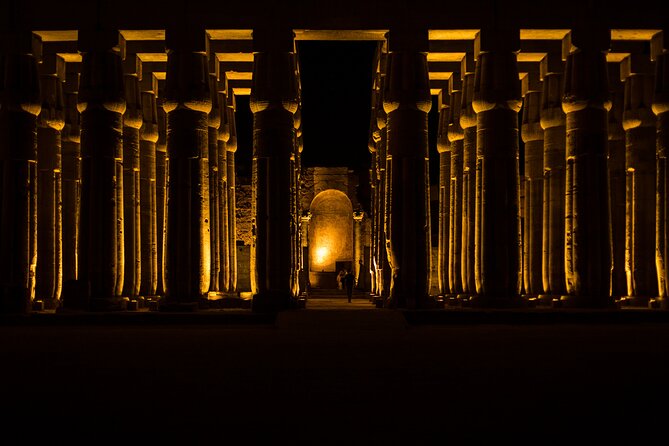
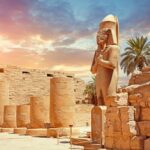
Day 1 centers on the east bank, starting at Karnak Temple, dedicated to the Theban triad: Amun Ra, his wife Mut, and their son Khonsu (moon god). Karnak is complicated because it wasn’t built by one ruler. Multiple kings added parts over time, so the layout feels layered—like reading different chapters of the same story.
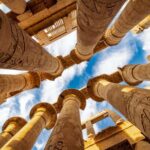
The main moment is the Hypostyle Hall, with 134 columns arranged in rows. This is the kind of space where you stop thinking in square meters and start thinking in weight and ambition. Even if you’ve seen photos, the column density hits you in person.
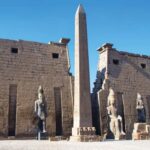
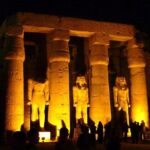
Next comes Luxor Temple, set in downtown Luxor and associated with Amenhotep III of the New Kingdom. It’s a different vibe than Karnak—more focused on the sense of a lived-in ceremonial center rather than the sprawling mega-complex. Together, these two stops give you a full sense of how grand temple-building could be in one day.
West Bank tomb day: Valley of the Kings’ three tombs and the art you can actually see
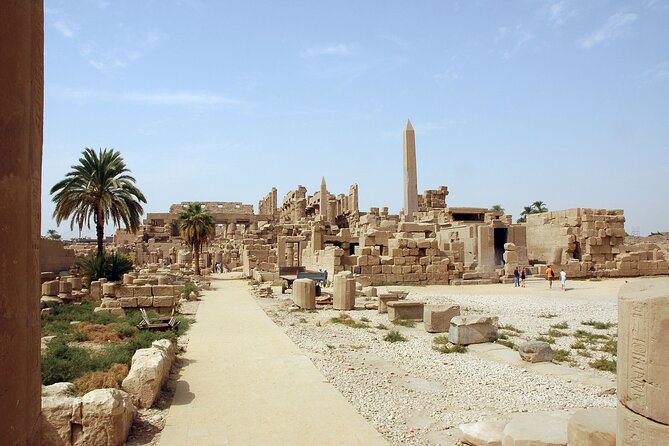
After breakfast on the boat, Day 2 switches to the west bank—often called the city of the dead. This is the day when the trip turns from “temple as monument” to “tomb as artwork and meaning.”
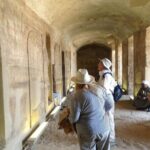
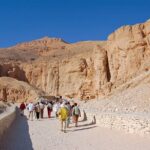
You’ll visit the Valley of the Kings and explore three tombs. That number matters. With three tombs, you get enough time to notice patterns: the layout of scenes, the way color and detail work, and how tomb design reflects beliefs about the afterlife. You also get a clearer sense of why this place mattered so much to ancient Egyptians over centuries.
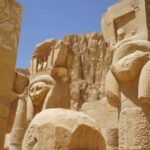
Then you move to the Temple of Queen Hatsheput. Your guide explains how she reached the throne, her divine birth, and her struggle against Thutmose III. Hatshepsut’s story isn’t just trivia here; it shapes how you interpret what you see. You’re standing in the physical argument of a ruler who wanted legitimacy.
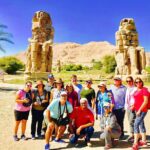
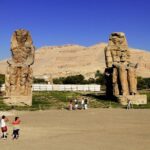
The last west-bank stop is the Colossi of Memnon—two massive statues connected with Amenhotep III. You’ll have time for photos and for that classic “how is this still standing?” feeling.
By the end of the day, you return to the boat for lunch and then sail toward Edfu. That sailing transition is a nice reset after two heavy temple blocks.
Hatshepsut, Memnon, and why the west bank pace matters
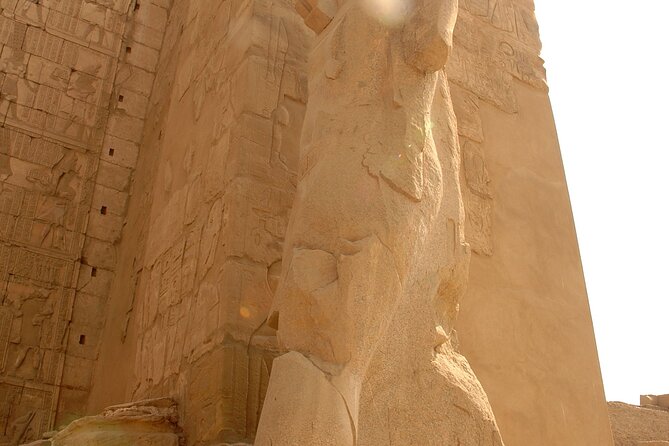
Day 2’s structure is smart: tombs first, then Hatshepsut, then Memnon. It keeps your eyes from getting tired too early. Valley of the Kings is visually detailed, Hatshepsut gives you scale and narrative, and the Colossi offer big, simple forms that are easier to take in after hours of complex carvings.
This is also where having an Egyptologist guide helps. A tomb can look like a collection of images if you don’t know what you’re looking at. A guide helps you connect motifs and symbolism to what those artists were trying to communicate.
One practical consideration for this part: plan on a long day. You’re doing multiple major sites plus guided time. The tour can feel intense, but it’s also one of the best ways to see the west bank without wasting energy on logistics.


Edfu’s Temple of Horus: a well-preserved centerpiece before Kom Ombo
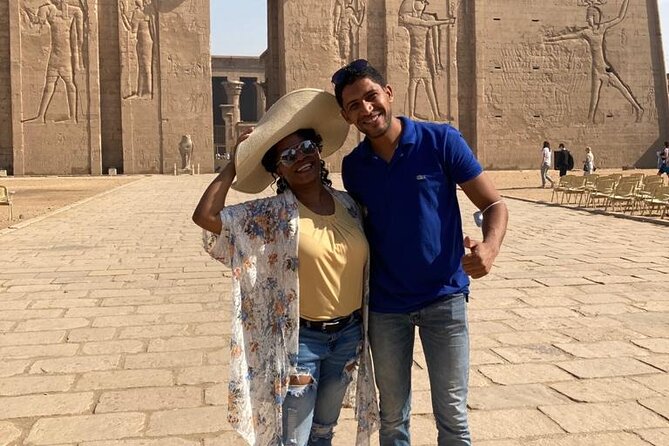
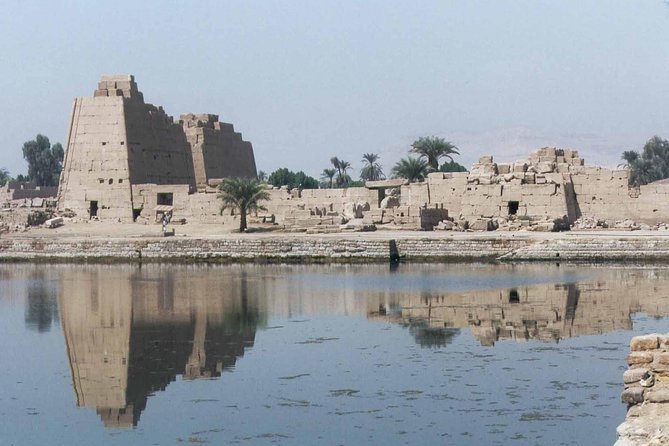
Day 3 is dedicated to Edfu. After breakfast, your qualified guide takes you to the Temple of Horus, dedicated to the Falcon god and associated with protection. The itinerary notes this stop as about 2 hours, and admission is included.
Edfu is the kind of temple where you feel the craft. Even when you don’t read the inscriptions, the structure and relief style show how carefully the place was built for religious performance and royal messaging.
After Edfu, you return to the boat and sail to Kom Ombo. Then you visit the Kom Ombo Temple. This is a great contrast stop: same “temple gravity,” different architectural rhythm. You get another anchor point along the route before the final Aswan cluster.
Aswan’s Philae day: sacred temple, modern dam context, and the unfinished obelisk
Day 4 arrives in Aswan, and the feel shifts from ancient-only to ancient plus modern context. You’ll tour with your Egyptologist guide and cover three major items:
- Philae Temple
- High Dam
- Unfinished obelisk
The tour includes about 4 hours here, and admission is included for the relevant visits. Philae is one of the best-known temple names in the Aswan region, and pairing it with the High Dam and the unfinished obelisk gives you an extra layer. You can connect the monuments you’re seeing to the changes the region has gone through.
This is also the day where your brain appreciates pacing. After Luxor’s dense program, Aswan’s mix of sites feels like a breather without losing the historic focus.
You’ll have an overnight in Aswan after this day, which helps you avoid finishing everything and then immediately traveling again.
Abu Simbel optional early morning: when that extra effort is worth it
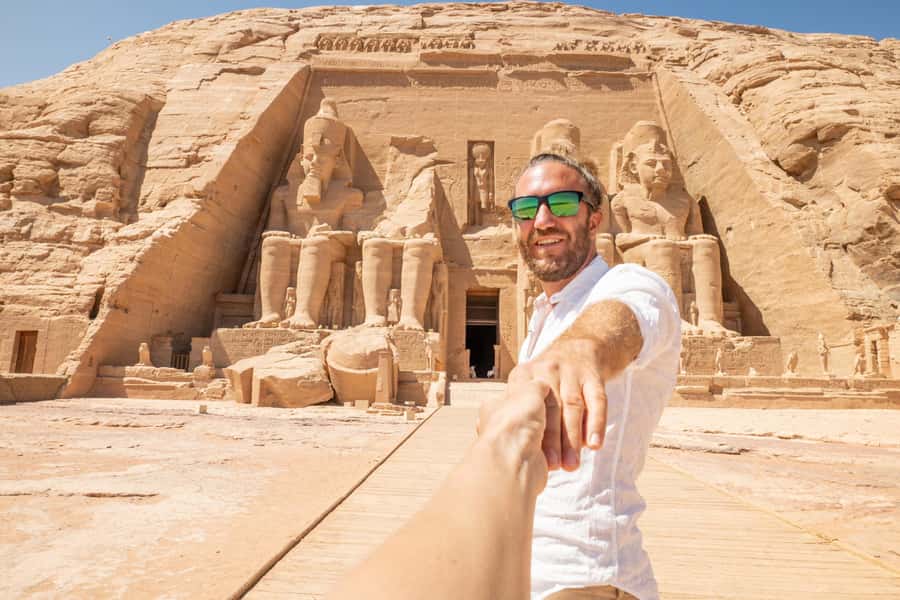
Day 5 is lighter in structure but still meaningful. After breakfast, you get a chance to visit Abu Simbel early in the morning. It’s explicitly labeled optional, and admission is included (about 5 hours in the itinerary block).
Abu Simbel is famous for a reason, but not everyone wants the early wake-up and the extra time commitment. If you’re the type who wants the big “final boss” monument of the region, this is the add-on. If you prefer a slower finish after several full days of guided stops, you might choose to skip it and focus on a smoother return.
After Abu Simbel (if you take it) or after breakfast and checkout, the tour ends with transfer by air-conditioned vehicle to your hotel, train station, or airport.
Accommodation and the boat stay: where the value really shows
The trip includes 4 nights accommodation total. Day 1 includes an overnight on a 5-star deluxe Nile cruise. Day 4 includes an overnight in Aswan. So you get the “sleep on the Nile” experience plus the finish in town.
What I like about the value setup is that you’re not just paying for sightseeing. The package includes:
- Meals as per itinerary (breakfast 4 times, lunch 4 times, dinner 4 times)
- Entrance fees
- Qualified Egyptologist guide
- Pickup and drop-off
- Transport by air-conditioned vehicle
At $685.13 per person for the full sequence, it’s less about bargain-basement pricing and more about “you’re not getting nickeled and dimed.” When entrance fees and guide time are included, it adds up fast on Egypt monument days.
Price and what’s not included: the one extra cash moment
The price you see can change in a specific window. The tour states an extra $100 per person during 20 Dec to 4 Jan, paid in cash at Luxor. It’s tied to high season and a New Year party period.
If your travel dates fall outside that window, your planning is straightforward: the tour includes entrance fees and the main guided sites. If your dates fall inside it, budget that extra cash up front so day-of stress doesn’t creep in.
Also note: Abu Simbel is optional. If you want it, that will be the time and schedule decision on Day 5.
Guides like Ramadan and Ahmed: why “qualified” matters here
The tour leans on the Egyptologist guide for a reason. Karnak and Hatshepsut are the sort of places where you’ll either wander silently or you’ll understand what you’re looking at. This trip is built to support the second option.
I’ve seen strong praise connected to guides such as Ramadan, including comments about him being prepared, kind, and able to guide in Italian. There’s also praise for Ahmed as an excellent, well-prepared guide who can help a lot with your trip planning.
You may not get the exact same guide every time, but the pattern is consistent: the guide quality can change your day from impressive to meaningful.
Who this Luxor-to-Aswan cruise suits best
This works well if you want a guided, highlight-driven Nile cruise without the stress of managing tickets and connections. The max 8 traveler group size suggests it’s designed to keep things organized and talk-friendly.
You’ll also like this if you care about both sides of the Nile:
- East bank: Karnak and Luxor Temple
- West bank: Valley of the Kings, Hatshepsut, Colossi of Memnon
- Lower stops: Edfu, Kom Ombo
- Aswan: Philae plus modern context points
It’s also a good fit if you want to see a lot in a short time (about 5 days) while still having the boat to break the pace.
Should you book this 4 Nights Nile Cruise from Luxor to Aswan?
If your goal is maximum ancient Egypt per day, with a real Nile cruise between stops, this is a strong choice. The included guide time, entrance fees, and meals do the heavy lifting for value. And the route makes sense: it’s not random temples; it’s the classic Luxor-to-Aswan sequence.
I’d skip or think twice if you dislike early mornings or prefer a gentler schedule, because the itinerary is structured around full guided days and an early-morning optional Abu Simbel. Also check whether your dates fall in the 20 Dec–4 Jan window for the extra cash cost.
If you want the highlights with less planning friction, this is the kind of cruise that lets you focus on the monuments instead of logistics.
FAQ
How long is the Nile cruise from Luxor to Aswan?
It runs for about 5 days, including 4 nights of accommodation.
Where do you get picked up in Luxor, and where do you get dropped off?
Pickup is offered from your hotel in Luxor, the train station, or Luxor airport. At the end, you’ll be transferred by air-conditioned vehicle to your hotel, train station, or airport.
What time does the tour start?
The tour starts at 8:00 am.
Are meals and entrance fees included?
Yes. Meals are included as per the itinerary (breakfast, lunch, and dinner), and entrance fees are included.
Is Abu Simbel included?
Abu Simbel is an optional visit on the early morning of Day 5, with admission tickets included if you choose it.
What extra cost is there during high season?
There is an extra $100 per person during 20 Dec to 4 Jan, paid in cash at Luxor.
Do I need a passport, and how big is the group?
A current valid passport is required on the day of travel. The tour has a maximum of 8 travelers.