REVIEW · LUXOR
4 nights Luxor and Aswan Nile Cruise With Abu Simbel & Air Balloon from Luxor
Book on Viator →Operated by Go Tours Egypt · Bookable on Viator
Sunrise mornings, rock temples, Nile cruising. This 5-day Luxor to Aswan Nile cruise bundles the big names—Karnak, Luxor Temple, the West Bank sites, Edfu, Kom Ombo, and Abu Simbel—with an English-speaking Egyptologist guide and meals handled for you. I especially like the five-star cruise setup with organized transfers so you spend less time figuring out what bus goes where.
My second favorite part is how the days are structured: temples on the clock, then sailing time to reset. The pickup included transfers in air-conditioned vehicles also make the start feel smoother, especially if you’re arriving by train or airport.
One drawback to plan for: entrance fees are not included, and the Abu Simbel and balloon morning depend on timing and conditions. Also, one review raised a concern about an advertised boat image not matching the vessel they received, so I’d confirm the exact boat details before you pay final balances.
In This Review
- Quick Highlights You’ll Feel Day to Day
- Nile Cruise Reality Check: What 4 Nights Aboard Means
- Karnak Temple and Luxor Temple: Thebes in One Guided Pass
- West Bank Morning: Valley of the Kings, Hatshepsut, and Colossi of Memnon
- Edfu’s Temple of Horus and Kom Ombo’s Double Temple
- Abu Simbel Day Trip: Worth It, but Accept the Early Start
- Aswan High Dam and Philae Temple: A Calm Ending After Big Days
- Price and Value for $399: Where the Real Math Happens
- Comfort, Timing, and Guides: What to Expect Day-to-Day
- Who This Cruise Fits Best (and Who Should Think Twice)
- Should You Book This Luxor to Aswan Nile Cruise?
- FAQ
- How long is the Luxor and Aswan Nile Cruise?
- Where does the tour operate?
- What is the price per person?
- Is pickup offered?
- Are meals included?
- What language are the guides?
- Which major sites are included in the schedule?
- Are entrance fees included for temples and sites?
- Is the hot-air balloon ride included?
- What is the group size limit?
- What’s the cancellation flexibility?
Quick Highlights You’ll Feel Day to Day
- 5-star Nile cruise with breakfast, lunch, and dinner included for four days
- Karnak + Luxor Temple in one guided sweep
- West Bank morning: motor-boat crossing, planned hot-air balloon ride, Valley of the Kings
- Edfu’s Horus Temple and Kom Ombo’s double temple on the sailing south
- Abu Simbel with a very early shared pickup (about 4:30)
- Aswan finale: High Dam viewpoint and Philae Temple by boat
Nile Cruise Reality Check: What 4 Nights Aboard Means
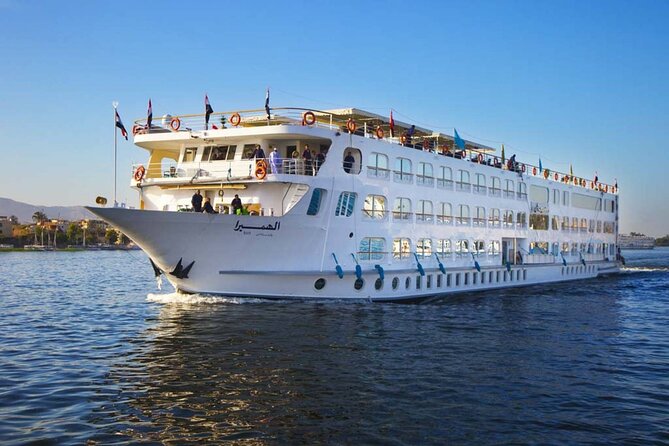
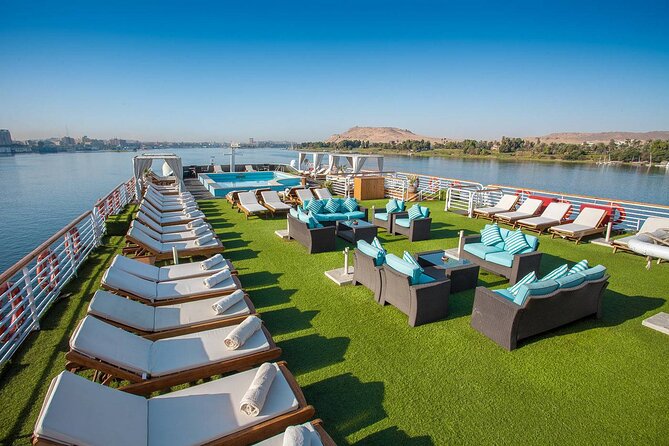
This is one of those Egypt trips where the ship is more than a hotel. It’s your base. You sleep on the Nile while the itinerary drags you through major sights—Karnak in Luxor, the West Bank temples, then temple stops as you sail south to Edfu and Kom Ombo, and finally Aswan and Abu Simbel.
The cruise component is also where a lot of value hides. You’re not paying for separate hotel rooms in two cities and then stitching together day tours. Instead, you get 4 nights on a 5-star cruise boat plus included meals (breakfast four times, lunch four times, dinner four times). That matters because Egypt day tours often mean uneven food plans. Here, you get fewer “where should we eat?” problems.
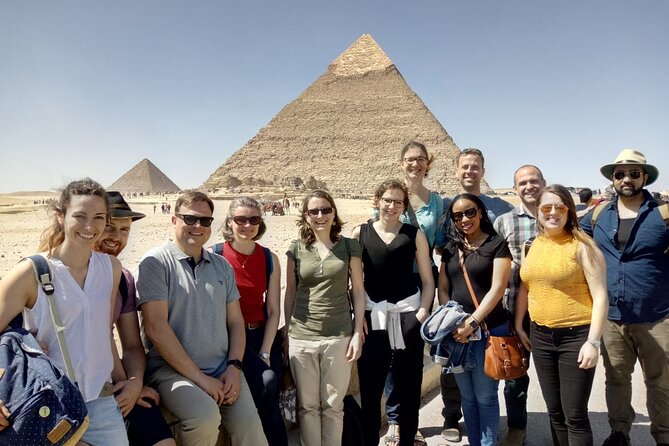
Group size is capped at up to 20 travelers, which usually helps keep things from becoming a cattle-car parade. It’s not private, but it’s not chaos either. And you’ll have an English-speaking guide for the excursions, which makes temple visits far less intimidating—especially when carvings and symbols do a lot of the talking.
You can also read our reviews of more boat tours in Luxor
Karnak Temple and Luxor Temple: Thebes in One Guided Pass
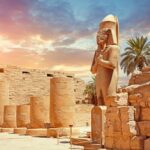
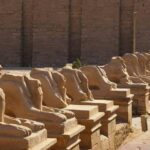
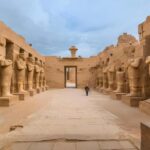
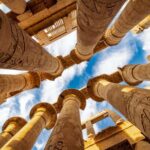
Your Luxor start hits like a one-two punch: Karnak Temple first, then Luxor Temple. Karnak is described as taking more than 2,000 years to build and as the largest temple complex in the ancient world. That scale is the point. Without a guide, Karnak can feel like you’re walking through a forest of columns and doors that all look similar. With a guide, you can pick up the logic of axes, sacred spaces, and why each area matters.
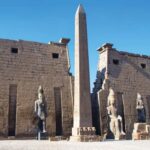
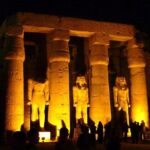
Luxor Temple, built during the New Empire, gives you a different vibe than Karnak. It’s more compact, more “finished,” and often easier to connect emotionally because you can see how it functions as a temple in active use—not just ruins in a field.
Practical note: site admission tickets are not included. So if you’re trying to estimate your total budget, assume you’ll pay entrances on top of the tour price. The time window listed is about 4 hours, so you’ll want comfortable shoes and a water bottle you can grab fast between photos.
West Bank Morning: Valley of the Kings, Hatshepsut, and Colossi of Memnon
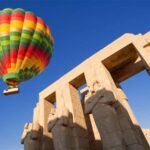
This is the day that most people picture when they think of Luxor—except in your case, it’s layered. You start with an early pick-up and head to the marine. From there, you take a motor boat to the West Bank, then the plan includes a hot-air balloon ride.
That balloon piece is the reason the morning starts so early. The itinerary specifically frames it as a hot-air balloon experience during the West Bank day. But here’s the practical caution: the balloon is mentioned as an activity in the schedule, yet it’s not listed under the tour’s inclusions. So you should confirm whether the balloon ride cost is actually covered in the price you’re paying. If it’s not, you may need to budget extra.
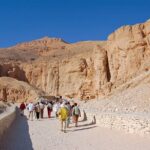
After that, the West Bank tour focuses on the Valley of the Kings. This is where the pharaohs from Egypt’s New Kingdom had tombs carved into the mountains—partly to hide their treasures and protect their mummies. Even if you’re not the type to memorize dynasty names, you’ll appreciate the mindset: this wasn’t built for visitors; it was built for secrecy, power, and survival.
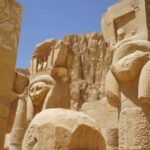
Next up is Temple of Hatshepsut at Deir el Bahari. Hatshepsut’s temple is often a favorite because it feels theatrical—sun on terraces, a dramatic approach, and a layout that rewards slow looking. The itinerary gives about 1 hour here, so you won’t have time to become a professional photographer, but you’ll get enough to see why people keep returning to it.
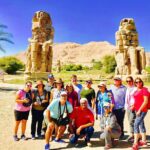
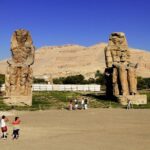
On the way back to the cruise, you may stop at the Colossi of Memnon for photos. These are listed as free, and the stop is short (about 30 minutes). Think of it as a quick “wow, there it is” moment rather than a full museum-style visit.
If there’s a drawback, it’s that this is a big-effort day. It starts early, includes a boat crossing, and stacks major sights back to back. That can be amazing—or it can feel like your alarm clock is doing a personal attack.
Edfu’s Temple of Horus and Kom Ombo’s Double Temple
After breakfast, the cruise plan moves you to Edfu to visit the Temple of Horus. It’s described as very well preserved, and that’s exactly what you want here. Edfu’s temples can read clearly because the details are still there. You’ll see how Horus is presented and you’ll get a better sense of how ancient Egypt’s gods were woven into daily life and royal authority.
Then the cruise sails to Kom Ombo, and the itinerary highlights it as the only double temple in Egypt dedicated to Horus and Sobek. Double temples are fun because you can compare how two divine “roles” share space. It’s a great stop for anyone who likes learning through contrasts: one set of meanings, then another, both carved into the same stone world.
Time-wise, you’re looking at about 1 hour for Kom Ombo on the ground, and then you sail onward to Aswan. The trade-off with a schedule like this is you don’t linger forever, but that’s also why this kind of cruise works. You see a lot without feeling like you’re missing half the trip waiting in line.
Again, entrance fees are not included, so plan for those on top of the base price.
Abu Simbel Day Trip: Worth It, but Accept the Early Start
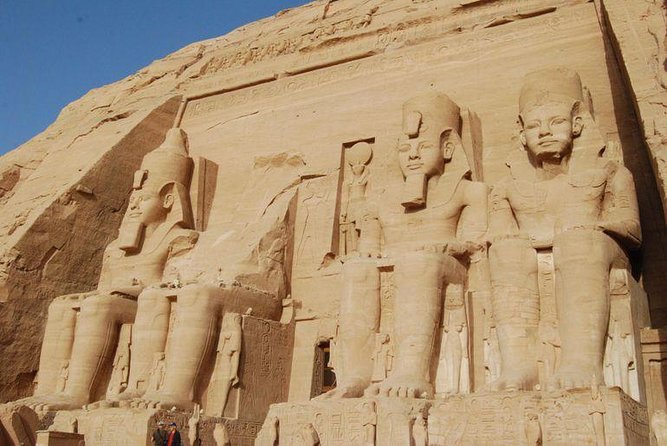
Abu Simbel is famous for a reason: it’s a rock-cut temple complex with a strong “wow” factor. The itinerary frames it as one of the most impressive places in Egypt, built for King Ramses II and his beloved Queen Nefertari. Even if you’ve seen photos, the scale is what hits when you’re there. These temples are not subtle.
The big thing to know is timing. You’re picked up around 4:30 for the Abu Simbel excursion, and it’s done in a sharing small group with your luggage. That means you’ll be up early, moving fast, and trying to stay awake through the long day. Abu Simbel is not a leisurely add-on. It’s the main event.
The day is listed as about 9 hours total. That long block is your compensation for distance and the effort it takes to run a day trip like this smoothly. If you hate early alarms, plan your evenings on the ship to be low-key.
Also, Abu Simbel isn’t included under the tour’s included tickets—entrance fees are not included—so budget for that.

Aswan High Dam and Philae Temple: A Calm Ending After Big Days
After breakfast, the trip shifts into an Aswan “highlights” mode. You check out, then your guide covers the Aswan High Dam and the story around it—specifically that it was achieved in 1960 to protect Egypt from flooding and generate electricity. That’s a modern Egypt moment, but it also connects directly to why the Nile matters to millions of people today.
Next is Philae Temple, dedicated to Isis. You travel there by small motorboat, which makes the approach part of the experience rather than just transportation. The itinerary lists about 2 hours here, then you’re transferred to your Aswan hotel, airport, or railway station.
This last day is a good balance: after temple-heavy mornings and a very early Abu Simbel, you get a more paced finale. The boat ride to Philae is also one of those small details that often turns into a memorable photo moment.
Price and Value for $399: Where the Real Math Happens
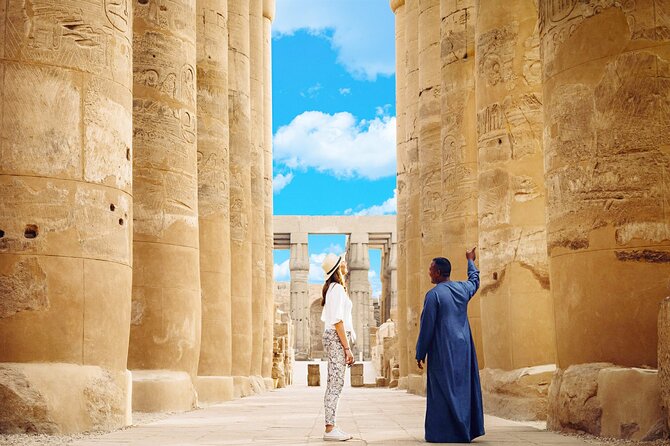
At $399 per person, this Nile cruise can be a smart value if you want organization, English guidance, and meals handled. Here’s what you’re paying for beyond the “sleeping on a boat” idea:
- 5-star cruise for 4 nights
- All transfers in an air-conditioned deluxe vehicle
- English-speaking tour guide for excursions
- Service charges and taxes
- Meals included (breakfast, lunch, dinner each four times)
Now, the part that changes your budget: entrance fees are not included, and tipping isn’t included either. The itinerary lists multiple sites, and all of those have admissions in the real world. So the total cost for your trip will be tour price plus site fees plus whatever you choose to tip.
There’s also the balloon ride question. The schedule includes a hot-air balloon ride, but the pricing details aren’t listed under inclusions. I’d treat that as a “confirm before you go” item so you don’t get an unpleasant surprise.
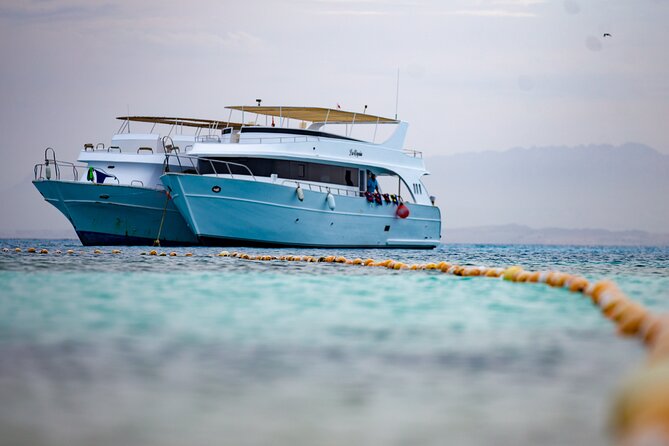
Finally, one review theme you should take seriously is the boat quality mismatch concern. The operator’s materials may use promotional images, and at least one traveler claimed their actual vessel didn’t match the advertised boat. You can reduce risk by asking for the exact boat name/model (and current photos) when you book.
Comfort, Timing, and Guides: What to Expect Day-to-Day
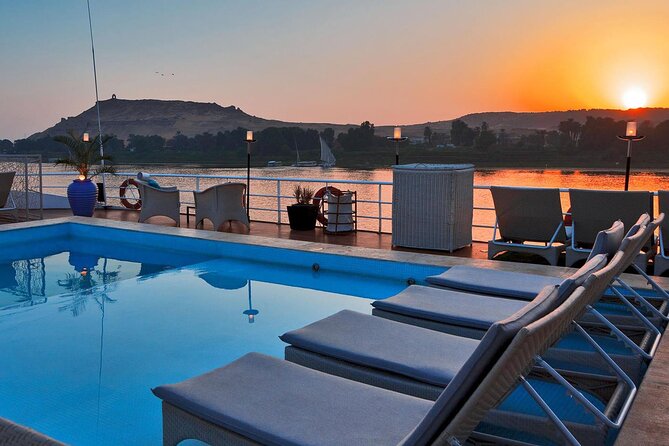
The best parts of this trip, based on the feedback patterns and the way the schedule is built, are usually:
- the responsiveness of the organizer from booking through the end of the cruise
- the cruise experience itself: clean boat, decent food, and staff who aim to be helpful
- strong guide work on each site, where the explanations make the carvings and layout easier to read
There’s also a recurring practical warning: some people find the mornings very early. With a West Bank balloon plan and an Abu Simbel pickup around 4:30, you’re trading sleep for access. If you’re the kind of traveler who can’t function on short rest, you’ll want to go in with that reality.
A small-group style helps. Maximum 20 travelers makes it more realistic to ask questions, move together, and not get totally separated on the ground. Still, you should expect to follow instructions quickly—temple sites move you through in time slots, and Abu Simbel especially runs on a tight clock.
Who This Cruise Fits Best (and Who Should Think Twice)
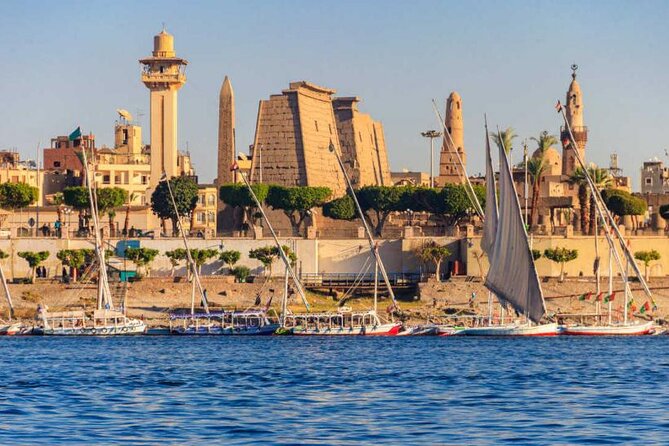
This cruise is a good match if you:
- want one organized route from Luxor to Aswan
- like having meals included and transfers handled
- care about seeing major sites like Karnak, Valley of the Kings, Edfu, Kom Ombo, Abu Simbel, and Philae
- prefer an English guide so you don’t have to figure out temple meanings alone
It may be less ideal if you:
- hate early starts and long travel blocks
- don’t want extra costs for entrance fees
- are very sensitive to exact boat details matching what was advertised (ask for the boat name and current images first)
Also note the trip is most travelers can participate, so it’s broadly accessible in terms of tour fit. But temple days involve stairs, uneven ground, and a lot of walking. Wear grippy shoes and plan for heat and dust.
And because this is popular—on average booked about 100 days in advance—don’t wait until the last minute if your dates are firm.
Should You Book This Luxor to Aswan Nile Cruise?
I’d book it if your priority is a structured, high-impact route with a 5-star Nile cruise base, guided temple time, and meals managed. The combination of Karnak, the West Bank power hitters, Edfu and Kom Ombo, plus Abu Simbel is a lot to pack into five days—and that’s exactly what this does.
I’d hesitate only if you:
- don’t want to pay on top for entrance tickets
- refuse very early mornings
- can’t risk a boat-not-matching-the-photo situation
If you do book, do two smart things: confirm whether the hot-air balloon ride cost is included, and ask for the exact boat details before departure. Get those two items straight, and this itinerary can deliver a big Egypt experience with less stress than planning it alone.
FAQ
How long is the Luxor and Aswan Nile Cruise?
It runs for about 5 days and includes 4 nights aboard the cruise boat.
Where does the tour operate?
The tour is based in Luxor, Egypt, and the route travels between Luxor and Aswan with day trips along the way.
What is the price per person?
The price listed is $399.00 per person.
Is pickup offered?
Yes. Pickup is offered, including transfers in a modern, air-conditioned deluxe vehicle.
Are meals included?
Yes. Breakfast, lunch, and dinner are included for 4 days each during the cruise.
What language are the guides?
The excursions are guided by an English-speaking tour guide.
Which major sites are included in the schedule?
You’ll visit Karnak Temple, Luxor Temple, the Valley of the Kings, Temple of Hatshepsut at Deir el Bahari, Colossi of Memnon, Temple of Horus in Edfu, Temple of Kom Ombo, Abu Simbel Temple Complex, Aswan High Dam, and Philae Temple.
Are entrance fees included for temples and sites?
No. Entrance fees are not included, and tipping is also not included.
Is the hot-air balloon ride included?
The itinerary includes a hot-air balloon experience on the West Bank morning, but the balloon is not clearly listed under the provided inclusions, so confirm with the operator what is covered in your price.
What is the group size limit?
The maximum number of travelers is 20.
What’s the cancellation flexibility?
Free cancellation is available up to 24 hours in advance for a full refund.