REVIEW · LUXOR
4 Nights Cruise Luxor to Aswan Including Air Balloon, Abu Simbel&Nubian Village
Book on Viator →Operated by Egypt Gift Tours · Bookable on Viator
A sunrise balloon over Luxor is hard to beat. This 4-night Nile cruise pairs the classic sites with big extras like Abu Simbel and a Nubian village boat ride. You get a private guide and transfers, but the ship still has an upbeat feel that helps you meet people.
Two things I really like about this trip: the mix of major temples across Luxor and Nubia, and the fact that you’re not just rushing through stops on your own. I also like how the plan builds in real time for the Nile—sailing, deck tea, and evenings with onboard entertainment. If you’re the type who loves photos and wants variety, this route has it.
One consideration: entrance fees aren’t included for the sights in the schedule, and you’ll pay them on arrival (with a couple cash exceptions). That’s normal in Egypt tours, but it can change your final budget.
In This Review
- Key takeaways before you go
- Why this Luxor-to-Aswan cruise works (and doesn’t feel like a checklist)
- Price and what $1,050 really covers
- Day 1 in Luxor: Karnak and Luxor Temple on your first night of sailing
- Day 2 at sunrise: hot-air balloon flight plus the West Bank trio
- Day 3 in Edfu and Kom Ombo: Horus at Edfu, then Kom Ombo’s double temple
- Day 4’s long day: Abu Simbel small-group trip, then Nubian village by boat
- Day 5 in Aswan: High Dam, Philae temple, and the end of the cruise
- Cruise life details that affect your comfort and photos
- Weather, timing, and the small rules you should know
- Should you book this Luxor to Aswan cruise with balloon, Abu Simbel, and Nubian village?
- FAQ
- What sights are part of the cruise route?
- Are entrance fees included in the tour price?
- Does the tour include the hot-air balloon and Abu Simbel?
- What happens if the hot-air balloon is canceled due to weather?
- What happens if Abu Simbel is canceled due to weather?
- How does pickup and drop-off work in Luxor and Aswan?
- Is Wi-Fi included on the cruise?
- Is there a limit on who can join the balloon trip?
Key takeaways before you go
- Hot-air balloon at sunrise: pickup around 5:00 am for a 30 to 45 minute flight over Luxor’s west bank.
- Abu Simbel timing and effort: a long day with a pickup around 4:30, done as a small-group outing.
- Nubian village by boat: motorboat ride to Soheil Island, welcome drink with a local family, then a Nubian show.
- A true Luxor-to-Aswan route: Karnak and Luxor Temple, then the West Bank trio, Edfu (Horus) and Kom Ombo (double temple).
- Cruise comfort with social energy: 5-star ship, pleasant crew service, and onboard entertainment that keeps nights lively.
- Weather rules are real: balloon and Abu Simbel can be refunded if canceled due to bad weather.
Why this Luxor-to-Aswan cruise works (and doesn’t feel like a checklist)
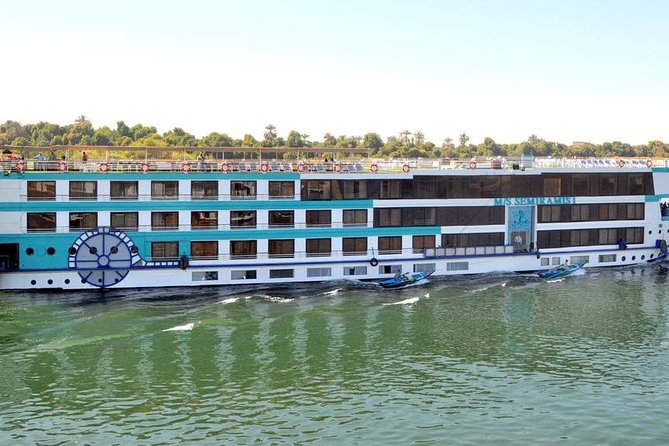
This is the kind of itinerary I like: you get the “must-see” Upper Egypt monuments, but the day-to-day flow prevents temple overload. Each morning has a clear anchor—then you return to the ship for lunch, deck time, and a slower pace before the next stop.
A big part of the value here is how the trip is structured around movement along the Nile, not constant car time. You’re sailing between Luxor, Edfu, Kom Ombo, and Aswan, so you’re not just “driving to sights” for five days. Even the entertainment on board helps the cruise feel like a destination, not a moving hotel.
And yes, the standout extras matter. A hot-air balloon gives you a perspective you can’t fake with any photo angle from ground level. Abu Simbel is the other giant “wow” moment, and the Nubian village visit adds something more personal than another temple room.
You can also read our reviews of more boat tours in Luxor
Price and what $1,050 really covers
At $1,050 per person, you’re paying for a 4-night stay on a 5-star Nile cruise with full board plus a lot of guided touring. The core includes:
- 4 breakfasts, 4 lunches, 4 dinners
- the scheduled cruise excursions
- a professional English-speaking Egyptology guide
- private A/C vehicle transfers for pickups and drop-offs
Where costs can shift is the details you should plan for up front. Entrance fees for the major sites listed are not included. Water and drinks during meals on the cruise are also not included, and Wi-Fi on the ship isn’t included. On top of that, tips to guide, drivers, cruise crew, and others are not included.
The good news: these are predictable add-ons, not surprises. The tour is built so you’re not stuck on logistics each day. Your money is going toward smooth transfers, guidance, and the big experiences—balloon, Abu Simbel, and the village visit.
Day 1 in Luxor: Karnak and Luxor Temple on your first night of sailing
Your day begins with pickup assistance in Luxor—at the airport, railway station, or hotel—then an A/C van transfer to your 5-star Nile cruise. Check-in is tied to the cruise schedule (12:00), and if your arrival is early, the tour starts right away so you’re not stuck waiting in a lobby.
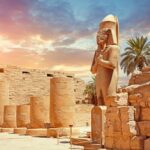
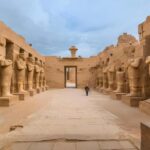
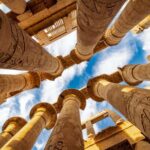
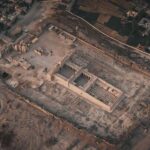
After lunch on board, you go to Karnak Temple, the largest temple complex ever built by ancient Egyptians. It’s huge—big enough that the experience can feel like walking through time. Expect a lot of scale and a lot of carved details, and plan to pace yourself so you don’t rush the columns, halls, and main areas.
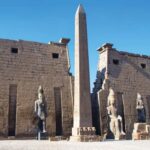
Then comes Luxor Temple, a different kind of atmosphere. This one shows more mixed-era layers: ancient Egyptian, Christian, and Islamic features. You’ll see obelisks and statues, and it feels like a calmer companion to Karnak’s sheer size.
You return to the ship for dinner and overnight in Luxor. This is a smart first-night plan because you’re still fresh after travel. Also, if you like taking evening photos, Luxor Temple’s setting works well for that.
Day 2 at sunrise: hot-air balloon flight plus the West Bank trio
This is the day most people talk about after the trip, because it starts before the sun does.
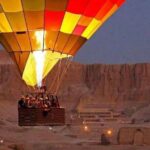
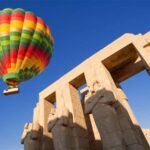
You’ll be picked up around 5:00 am for a hot-air balloon flight over the west bank of Luxor. The flight time is 30 to 45 minutes, and the purpose is simple: watch sunrise spill light across Luxor’s temple views and mountain edges. It’s one of those moments where you understand why people plan months ahead.
A practical rule to remember: you can’t use a camera in the balloon basket—you can use a cellphone to take pictures instead.
After breakfast on the cruise, you drive to the West Bank for the Theban Necropolis sites:
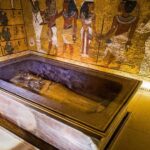
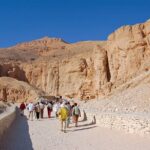
- Valley of the Kings: carved New Kingdom tombs in the mountains, built to protect treasure and mummies. This is where you feel the Egyptian approach to secrecy—everything is about placement and protection.
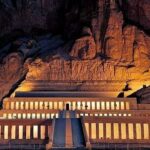
- Temple of Hatshepsut at Deir el Bahari: the mortuary temple of Egypt’s famed queen. You’re not just looking at stones; you’re hearing the story of how she ruled as a sole pharaoh.
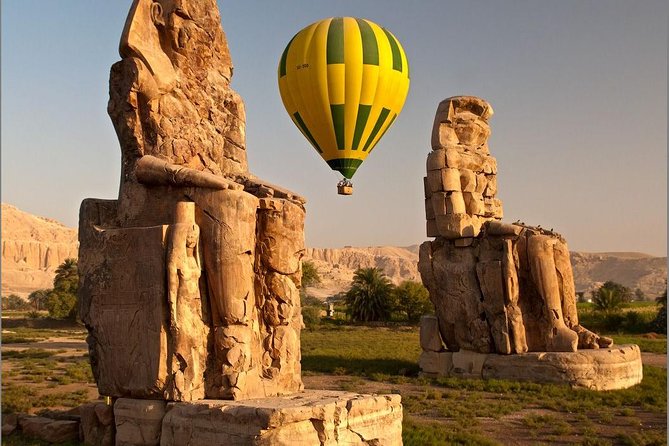
- Colossi of Memnon: a photo stop with the giant standing statues. It’s brief, but those scale-shots are worth it.
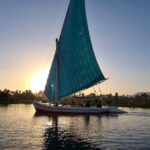
You return to the cruise by noon for lunch. Then the ship sails toward Edfu, and you’ll have afternoon tea on the sundeck. That sundeck time is more than a perk—it’s your recovery window after early mornings.
Day 3 in Edfu and Kom Ombo: Horus at Edfu, then Kom Ombo’s double temple
Day 3 keeps the structure the same: breakfast, a major temple stop, then sailing and deck time.
At Edfu, you visit the Temple of Horus, often described as the best preserved of Egypt’s temples. You also do a horse carriage ride with your tour guide to get there. That’s a small detour that adds atmosphere, even if you’re not thrilled about rides.
After returning to the cruise, you relax while the Nile scenery passes by and the ship heads to Kom Ombo. Lunch is on board, and there’s more deck tea.
In the late afternoon you go to Temple of Kom Ombo, known for its double structure: Sobek (the crocodile god) and Horus (the falcon god). This temple is a good change of pace from the ones you saw earlier because the symbolism and layout feel distinct, and the “two sides” theme keeps your eyes moving.
Back on board, you’ll have dinner and then a folkloric party run by the cruise staff and tour guides. It’s not just filler entertainment; it gives the trip a social rhythm. You’ll see that people mix more on the deck and in common spaces when the evenings have something organized.
Then the ship continues sailing to Aswan for overnight.
Day 4’s long day: Abu Simbel small-group trip, then Nubian village by boat
If you want one day that feels like a whole separate adventure, Day 4 is it.
Around 4:30, your guide picks you up for the Abu Simbel trip as a small-group outing. This is a full-on excursion, about 8 hours, and it’s one of the most impressive sets of rock-cut temples in Egypt. The plan centers on Ramesses II and Queen Nefertari, and you’ll learn how the temples were designed with intention, down to the very way the whole complex was meant to function.
Back to the cruise by noon, you eat lunch. Then you switch gears into a more local, slower experience: the Nubian village on Soheil Island.
Around 3:30, you’re picked up to take a motorboat along the Nile to the village. The experience is built around meeting people. You’ll get a welcome drink in one of the Nubian families’ houses, talk with them about customs, walk around the village with your guide, and then finish around sunset.
Afterward, you return to the cruise for dinner and a Nubian show. The show helps close the loop on what you learned during the village visit—especially if you’re interested in daily life, not just monuments.
Day 5 in Aswan: High Dam, Philae temple, and the end of the cruise
Your last morning begins with breakfast, then check-out and an Aswan highlights tour with your guide. You’ll hear the story of Nubian immigration, followed by a visit to the Aswan High Dam.
The High Dam stop is shorter (about 40 minutes), but it matters because it frames how modern Egypt manages water. It’s a different lens from the ancient temple focus—more about engineering, impacts, and living with the Nile.
Next is Temple of Philae, dedicated to goddess Isis. You’ll head there by small motorboat (motorboat cost to Philae isn’t included) and visit the Graeco-Roman temple complex. After the temple, you transfer onward to your Aswan hotel, airport, or railway station.
So you end with a historical anchor (Philae) plus modern context (the High Dam). It’s a nice way to close a trip that otherwise leans ancient.
Cruise life details that affect your comfort and photos
This cruise is built around full board, so you’re never wondering where your next meal is coming from. Lunch and dinner are on board across the four cruise nights, plus breakfast each morning. You’ll also have afternoon tea while sailing, which is a small moment that makes the days feel less rushed.
One of the best things I’d factor in is crew service. I like the way the ship experience is described as consistently pleasant—crew attention feels like part of the tour value, not just background. There’s also mention of pleasant surprises in the room, which is the kind of touch that makes a cruise feel more cared-for.
Food quality is another praised point, and it’s practical to note: since drinks during meals aren’t included, you may want to budget for bottled water or choose purchases on board. Also, there’s no Wi-Fi on the cruise. If you need constant connectivity, plan for limited options and use your time onboard for rest or offline photo editing.
Finally, it’s worth knowing how entrance payments work. You’ll pay entrance fees by card for most sites, but the High Dam and the motorboat to Philae are cash. Having some cash ready saves stress at the exact moment you’re trying to keep your group moving.
Weather, timing, and the small rules you should know
Two parts of this itinerary depend on conditions: the hot-air balloon and Abu Simbel.
If the balloon is canceled due to bad weather, you’re refunded $30 USD per person. If Abu Simbel is canceled due to bad weather, the refund is also $30 USD per person. That doesn’t replace the experience if you’re set on those moments, but it’s helpful to know the policy is in place.
Camera rules are specific for the balloon: no camera in the basket, cellphone only. That’s a detail you should plan for so you don’t end up stuck without the gear you expected.
There are also document rules. Passport copies are required for the cruise line company and for permissions tied to Abu Simbel and the balloon trip. Build that into your pre-trip prep.
If you’re traveling with kids: a child under 6 isn’t allowed for the balloon trip. Also, a child 5 to 11 sharing with one adult is treated as an adult for pricing.
One more real-world travel note: sailing conditions on the Nile can change the order or timing. The promise is that you’ll still see what’s on the itinerary, just potentially in a different sequence. It’s common on the river.
Should you book this Luxor to Aswan cruise with balloon, Abu Simbel, and Nubian village?
I’d book this if you want a Luxor-to-Aswan cruise that goes beyond the usual temple checklist. The pairing of sunrise balloon + Abu Simbel + Nubian village gives you variety you can’t get from a standard “temples only” route. You also get the comfort of full-board cruising, plus private A/C transfers and a professional Egyptology guide.
It may not be the best fit if:
- You hate early mornings (the balloon pickup is around 5:00 am).
- You don’t want to deal with entrance fees on top of the tour price.
- You need Wi-Fi onboard.
If you’re curious, flexible, and photo-ready, this itinerary is a strong value. At $1,050, the big-ticket experiences are already built in; you’re mostly just managing the pay-as-you-go entrance fees and planning for weather.
FAQ
What sights are part of the cruise route?
You’ll be taken to Karnak Temple and Luxor Temple in Luxor, then the West Bank sites including Valley of the Kings, Temple of Hatshepsut (Deir el Bahari), and the Colossi of Memnon. In the southbound cruise you’ll visit Temple of Horus in Edfu and the double Temple of Kom Ombo in Kom Ombo. In Aswan, you’ll see the Aswan High Dam and Temple of Philae.
Are entrance fees included in the tour price?
Entrance fees for the sightseeing listed are not included. You’ll need to pay entrance fees during the trip. Most entrance fees are paid by card, but the High Dam and the motorboat to Philae temple are cash.
Does the tour include the hot-air balloon and Abu Simbel?
Yes, both are included as part of the program. The balloon trip is scheduled for an early morning pickup, and Abu Simbel is a long day trip with a pickup around 4:30.
What happens if the hot-air balloon is canceled due to weather?
If the balloon trip is canceled due to bad weather, you will be refunded $30 USD per person.
What happens if Abu Simbel is canceled due to weather?
If the Abu Simbel trip is canceled due to bad weather, you will be refunded $30 USD per person.
How does pickup and drop-off work in Luxor and Aswan?
Pickup is offered from Luxor Airport, railway station, or hotel. There’s an extra $10 USD per person to pick up travelers from Luxor west bank hotels. Drop-off options in Aswan include transfer to an Aswan hotel, airport, or railway station, with an extra $10 USD per person to drop off travelers at hotels in Aswan west bank.
Is Wi-Fi included on the cruise?
No, Wi-Fi on the cruise is not included.
Is there a limit on who can join the balloon trip?
Yes. A child less than 6 years old is not allowed for the balloon trip.