REVIEW · GIZA
Half Day Tour to Giza Pyramids & 1-Hour Felucca Ride
Book on GetYourGuide →Operated by Egypt Nile Felucca · Bookable on GetYourGuide
The Giza Pyramids feel different when you visit with a plan. This half-day private tour pairs hotel pickup and guided pyramid time with a 1-hour felucca ride on the Nile, so you get the wow factor without spending your whole day in transit. It’s a tight schedule, but the guide structure helps you see more than just stone piles.
I love the convenience of private A/C transfers plus a guide who meets you with a sign showing your name. I also like how the tour focuses on the big three pyramid complexes and the Sphinx, with enough guided context to make each stop feel connected instead of random photo stops.
One possible drawback: the schedule is compact. If you want slow wandering, extra time inside areas, or you’re picky about language fluency, you’ll want to double-check your guide language choice ahead of time, because one past guest noted a weak communication experience and another mentioned a less-than-clean vehicle.
In This Review
- Key highlights worth your attention
- Private pickup that actually saves time in Cairo and Giza
- The 3-hour pyramid circuit: how the guide makes it make sense
- Khufu, Khafre, Menkaure: what to look for at each stop
- Great Pyramid (Khufu): start by reading the complex
- Khafre: causeway, Sphinx temple, and why the view feels different
- Menkaure: the smaller pyramid with added layers
- The Sphinx stop: close-up time and how to not rush your eyes
- One hour on a felucca: what sunset sailing actually gives you
- Price and value: what $50 covers, and what you should budget for
- Picking the right guide experience: languages and the human factor
- Who should book this half-day Giza and Nile combo?
- Should you book this tour?
- FAQ
- How long is the tour?
- What does the tour cost?
- Is the tour private, and is there a hotel pickup?
- Which areas are pickup and drop-off available from?
- How long do you spend at the pyramids and the Sphinx?
- What about the Nile ride—how long is it?
- What’s included in the price?
- What’s not included?
Key highlights worth your attention
- Private hotel pickup/drop-off across Cairo and Giza, with a name sign for easier meet-up
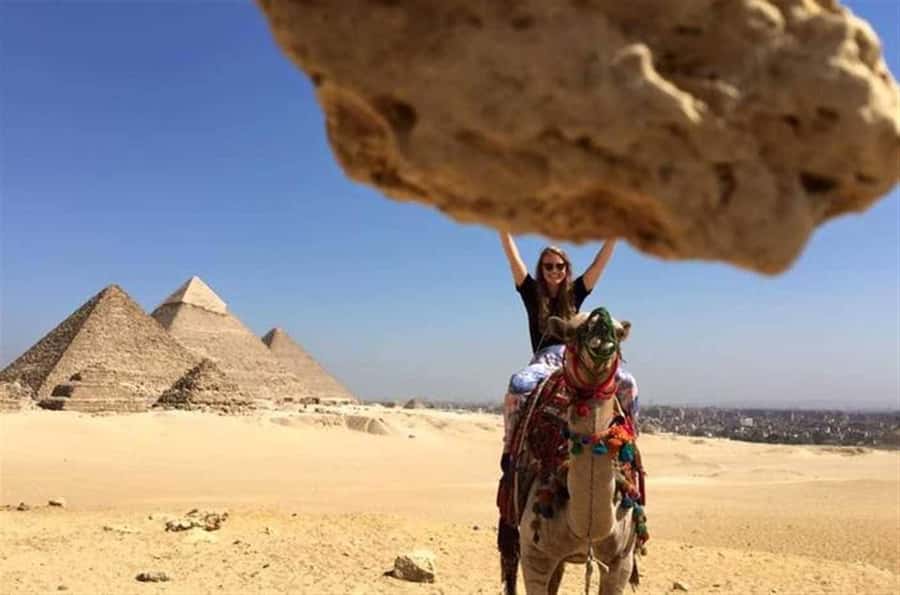
- Guided pyramid route that hits Khufu, Khafre, Menkaure, plus the Sphinx on the same visit
- Specific stop timing (about 30 minutes at each pyramid/Sphinx, with a longer opening block)
- A real Nile break: 1 hour on a felucca with sunset sailing time
- All entry fees included plus bottled water, so you can budget tips separately
- Mixed feedback on language and vehicle condition in a small number of cases, so confirm preferences
Private pickup that actually saves time in Cairo and Giza
Cairo and Giza traffic can turn a half-day plan into a long day fast. What makes this tour practical is the up-front organization: pickup from multiple areas like Al Haram, New Cairo City, Giza, Al Giza, 6th of October City, and Cairo, then drop-off back in the same style. You don’t have to figure out transport, ticket lines, or which entrance to use.
The meet-up process is also built for real life. Your guide waits holding a sign with your name, then you’re moved by private car with A/C. In a city where buses, taxis, and random vendors love to test your patience, that alone is worth something.
Small bonus: it’s a private group, so the pace is less about herding people around and more about matching your time. That matters on a route like Giza, where the distances between viewpoints add up quickly.
A few more Giza tours and experiences worth a look

The 3-hour pyramid circuit: how the guide makes it make sense
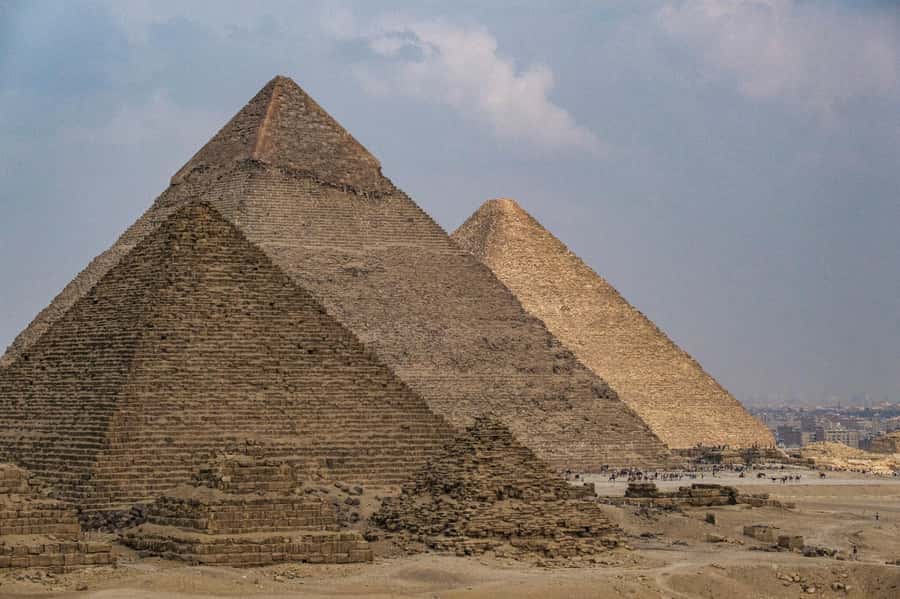
The heart of the tour is the guided Pyramids of Giza segment, scheduled for about three hours. This is the part where a good guide pays off. Without guidance, you can stand in front of these giants and feel a bit lost: Which pyramid is which? Why does one have a causeway? What’s the deal with the valley temples?
This tour’s approach is to connect the major complexes:
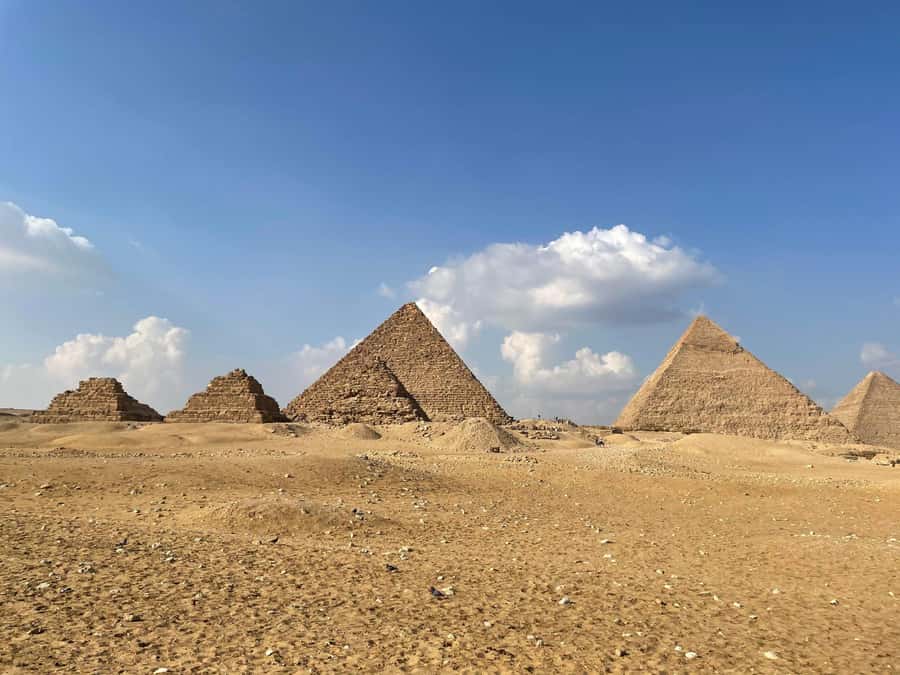
- Khufu’s complex (Great Pyramid complex)
- Khafre’s complex (with the Sphinx temple and causeway)
- Menkaure’s complex (the smaller king’s pyramid complex)
Your guide also explains details like the valley temple context of Khufu’s complex, including notes about it being covered by a modern village (Nazlet el-Samman) and the kinds of stone and paving elements found there. Even if you’re not going deep into archaeology, that kind of info helps you understand why the layout looks the way it does.
And it’s not just lectures. You get guided sightseeing time that keeps you moving through the right viewpoints for photos, plus time to actually look.
If you’re traveling with kids, this structured timing can be a plus. One family-friendly review praised the guide’s stories and pacing, keeping children engaged without turning it into a marathon.
Khufu, Khafre, Menkaure: what to look for at each stop
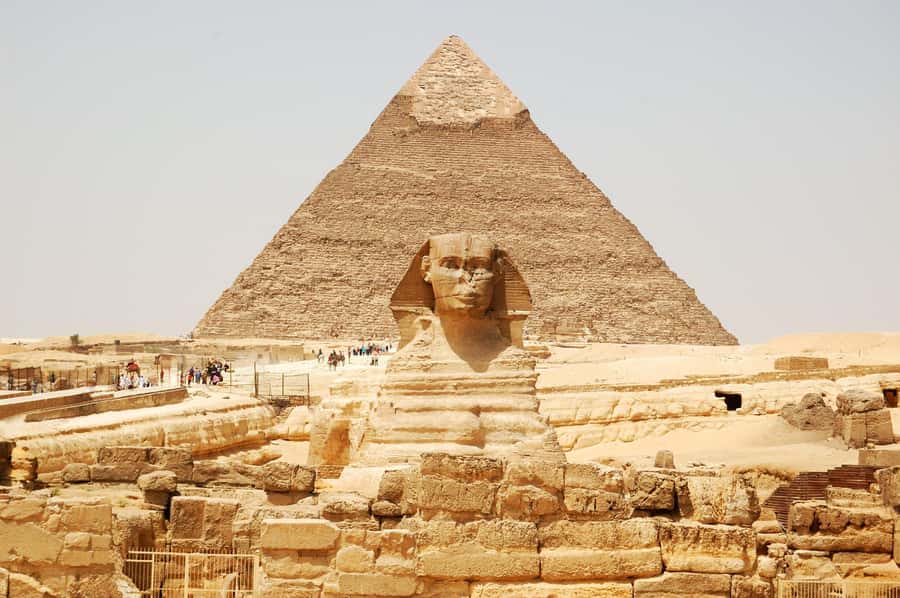
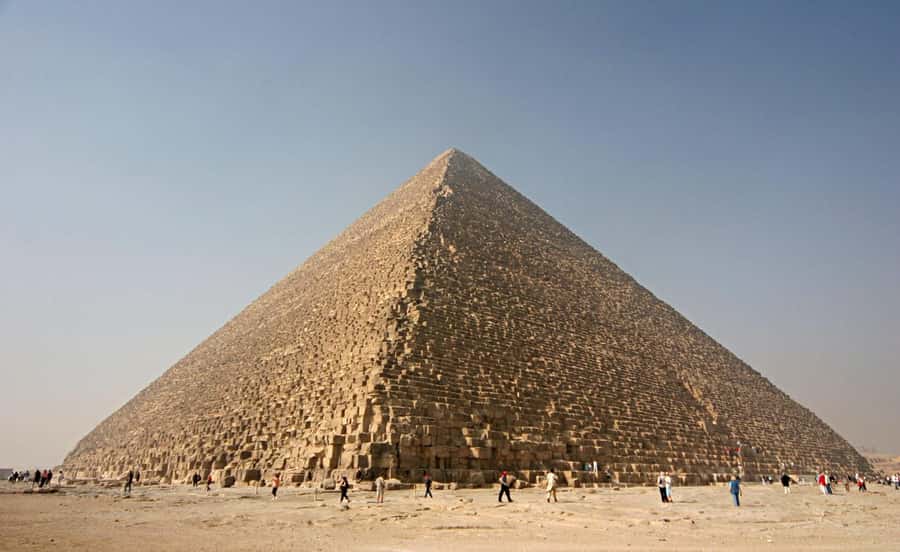
After the initial three-hour guided block, the tour breaks the visit into tighter segments: about 30 minutes each for the Great Pyramid (Khufu), Pyramid of Khafre, Pyramid of Menkaure, then another stop for the Sphinx. That helps you manage attention spans and heat.
Great Pyramid (Khufu): start by reading the complex
The Great Pyramid stop is short, so your best strategy is to look at the whole area as a system. Even in a limited time, you can notice how the complex includes valley temple components and surrounding elements that tell you this wasn’t built as an isolated monument. The guide’s explanations about layout matter here because you might otherwise miss what you’re standing next to.
A useful mental trick: treat each pyramid as part of a family of structures. You’re not just visiting a peak—you’re visiting a planned funerary zone.
Khafre: causeway, Sphinx temple, and why the view feels different
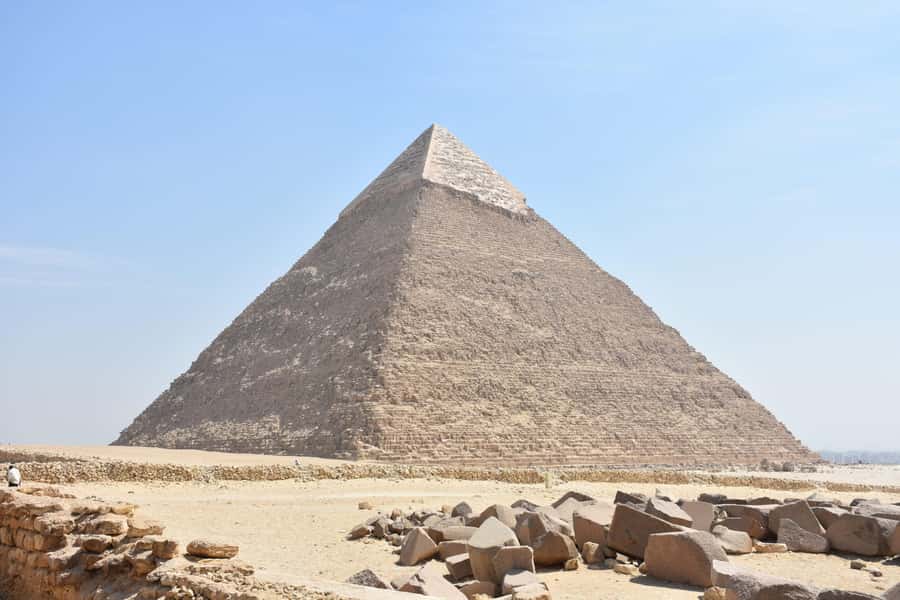
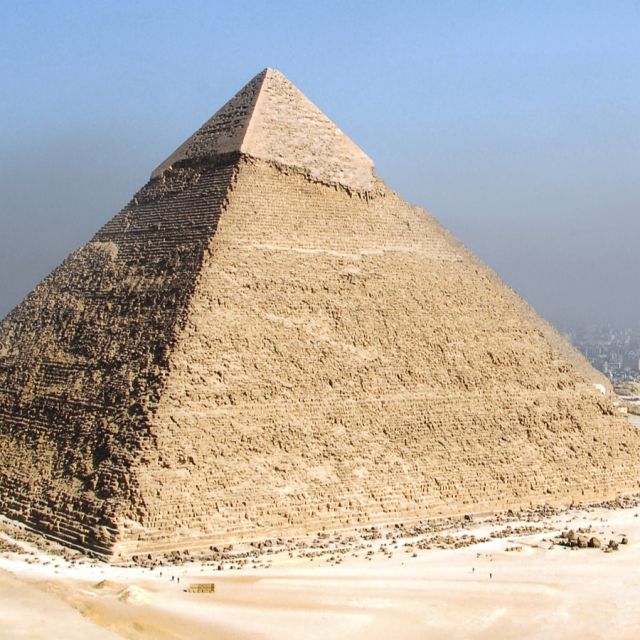
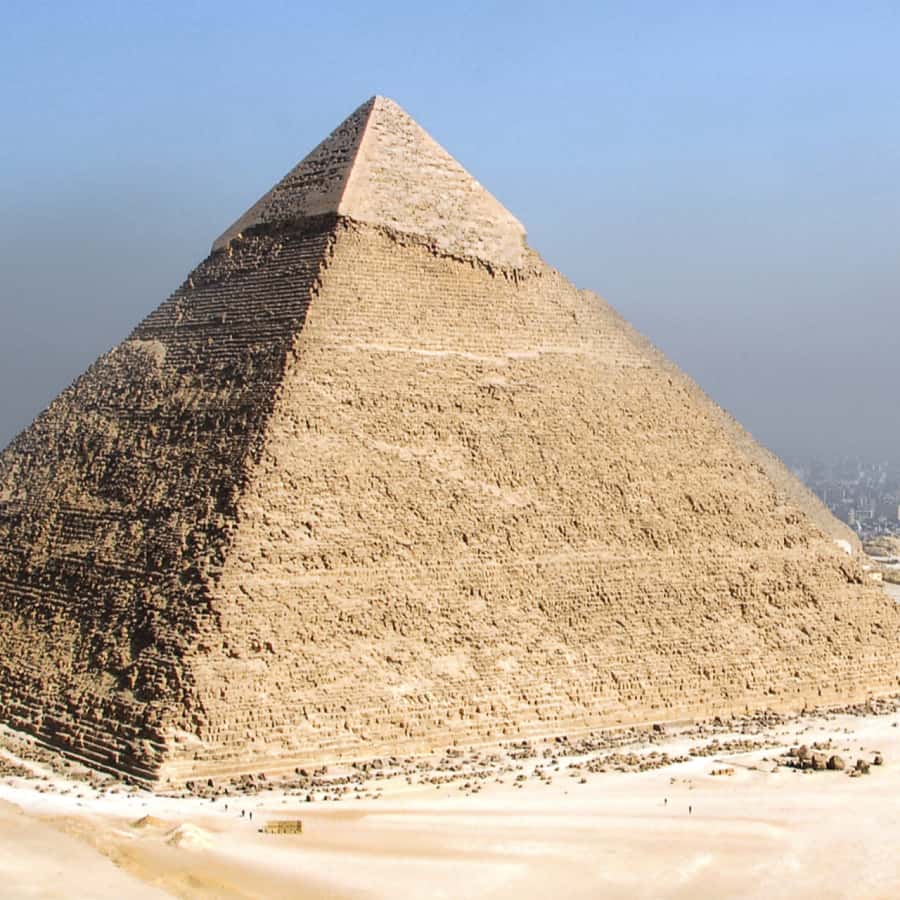
Khafre’s pyramid complex gets special attention because it includes more than the pyramid itself. The tour’s guide focus typically includes the causeway and mortuary temple ideas, plus what’s associated with the Sphinx temple.
Here’s one reason Khafre often feels visually dramatic: the way the complex sits in relation to the Sphinx. In a short stop, you can still pick up that the Sphinx isn’t random decoration. It connects to this king’s story and the broader layout.
Your guide may also mention statue findings from past work at the valley temple, including references to statues found in a well by Mariette in 1860 and other excavations later. That sort of detail gives you a clue that this area isn’t just stone—it’s a site with layers of discovery.


Menkaure: the smaller pyramid with added layers
Menkaure’s complex is described as including valley temple, causeway, and mortuary temple, plus an interesting note about an ante-temple added during the 5th Dynasty. Even if you don’t see all of it firsthand, that info changes how you interpret what you’re viewing.
Menkaure’s pyramid can feel less massive than Khufu’s from a distance, but your guide’s framing helps you notice it for what it is: another royal complex with its own structure and timing.
Practical tip: if you care about photographs, pick your best angles quickly at the start of each 30-minute stop. Once you’re in, you’ll be moving on whether the light is perfect or not.
The Sphinx stop: close-up time and how to not rush your eyes
The Sphinx is the kind of landmark that gets photographed from every angle, yet you can still miss what makes it special when you rush.
This tour includes a guided Sphinx sightseeing segment of about 30 minutes. That’s enough time to get close, look at the lion body and the king’s head relationship, and understand how it fits into the funerary complex.
If you like details, your guide’s talk tends to connect the Sphinx to Khafre’s world. The Sphinx is often presented as the guardian paired with the huge funeral complex, which helps you see it as part of a designed setting—not just a statue you happen to pass.
One review praised the guide Hosam for smooth organization and storytelling, including for children. That’s the right vibe for this stop: short enough to keep energy up, long enough to make the Sphinx feel like more than a photo op.
One hour on a felucca: what sunset sailing actually gives you
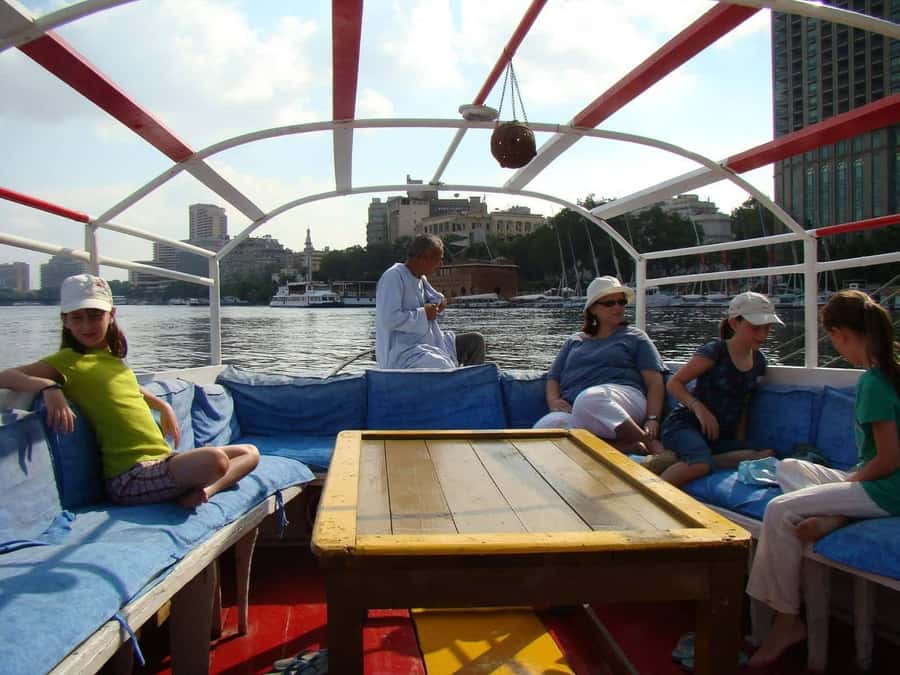
After the pyramids, you head back downtown Cairo for the Nile felucca ride, scheduled for one hour with sunset sailing time. This is the emotional contrast of the day. You go from dry stone giants to a slow, floating river moment.
A felucca isn’t about speed. It’s about the feeling: the boat moving quietly, the sense that the Nile is doing its job no matter what humans build around it. Even if you’ve seen photos, seeing the river from the water gives you scale you can’t get from land.
Also, because it’s included as a set part of the tour, you don’t have to hunt for a reputable boat operator afterward. Entry fees, guide time, and transfers are already handled, plus bottled water is included.
If you’re sensitive to sun and wind, bring sunglasses and plan for sun exposure before you get on the water. The tour is short, so you’ll want to be ready at the moment you step out.
Price and value: what $50 covers, and what you should budget for
At $50 per person for about 5 hours, the value is mostly about what’s included:
- Private A/C transfers (hotel pickup and drop-off)
- Entry fees
- Tour guide
- 1-hour felucca ride
- Bottled water
That matters because the pyramids visit isn’t only about the sights. It’s the logistics: transport time, entry handling, and staying oriented. If you try to piece it together on your own, costs and headaches can add up quickly.
What’s not included is also clear: tipping and lunch. So I suggest you plan for those separately. If you’re aiming for a smooth day, pack a quick snack or plan your lunch for after the tour, since the timing is focused on sightseeing plus the boat ride.
One more value note: this is a private group. Even if you’re traveling alone, the private setup can be worth it because it reduces waiting and keeps the guide focused.
Picking the right guide experience: languages and the human factor
The tour states live guide availability in Arabic, English, and Spanish. That’s great on paper, but language comfort is the difference between hearing facts and just hearing noise.
Two different reviews point to the human side:
- Guides Amira and Bassem were praised for patience and for making the experience enjoyable, including with a child in the group.
- One negative note mentioned the guide speaking Italian and English poorly and an older vehicle feeling dirty.
So here’s practical advice: once you book, ensure your guide language preference is clearly set. If you’re comfortable with English or Spanish, choose the language you’ll actually understand well. And when your vehicle arrives, do a quick check. You’re paying for comfort; you should feel comfortable.
Even with a tight schedule, a great guide can turn a 30-minute stop into a memorable scene. A mismatched language can do the opposite.
Who should book this half-day Giza and Nile combo?
This is a strong fit if you:
- Want the big Giza highlights without committing to a full day
- Like a guided route that tells you what you’re looking at
- Prefer private, A/C transportation and hotel convenience
- Want a quick cultural change of pace with the Nile felucca afterward
It might not be ideal if you:
- Want a slow, meandering visit with lots of unstructured time
- Plan to spend extra time inside sites or beyond the listed stops
- Need very specific expertise beyond general guided context (the tour is short by design)
If you’re in Cairo for just a couple of days, this combo helps you avoid the classic Egypt problem: doing too much and remembering too little.
Should you book this tour?
Yes, I’d consider booking it if you want an efficient, guided hit of Giza Pyramids + Sphinx + Nile felucca in one tidy package. The inclusion of transfers, entry fees, guide support, bottled water, and the felucca ride makes it feel like a rounded deal rather than a sketchy add-on.
I’d book with eyes open: confirm guide language, and expect a fast rhythm. If you’re the type who likes to linger, you might want a longer pyramid tour later or add extra time before/after.
If you’re ready for a well-paced half-day with real views and a proper river finish, this is the kind of tour that earns its place on a first trip to Cairo.
FAQ
How long is the tour?
The total duration is 5 hours.
What does the tour cost?
It’s priced at $50 per person.
Is the tour private, and is there a hotel pickup?
Yes. It’s a private group tour with hotel pickup and drop-off.
Which areas are pickup and drop-off available from?
Pickup and drop-off are offered in Al Haram, New Cairo City, Giza, Al Giza, 6th of October City, and Cairo.
How long do you spend at the pyramids and the Sphinx?
The guided sightseeing includes about 3 hours for Pyramids of Giza, plus shorter guided stops of around 30 minutes each for the Great Pyramid, Pyramid of Khafre, Pyramid of Menkaure, and the Sphinx.
What about the Nile ride—how long is it?
The tour includes a 1-hour felucca ride on the Nile with sunset sailing.
What’s included in the price?
Included are private A/C transfers, entry fees, a tour guide, the 1-hour felucca ride, and bottled water.
What’s not included?
Tipping and lunch are not included.