One trip, five days of ancient awe. You’ll float from Luxor to Aswan for 4 nights, with Abu Simbel as the big highlight and an expert Egyptology guide to keep every ruin meaningful. I love the steady onboard meal plan (lunch day 1 through breakfast day 5) and the included air-conditioned transfers that cut down on Egyptian logistics stress. The main thing to watch is that entrance fees are not included, so most sites will cost extra.
You get a classic mix: grand temple complexes on the Nile’s east and west banks, tombs in the Valley of the Kings area, then a full-day jump to Abu Simbel. It’s an efficient itinerary with a few breathing spaces, including a free-choice market and Corniche walk in Luxor. If you prefer long, slow mornings, plan around a few longer days—Day 4 is especially full.
In This Review
- Key highlights you’ll actually feel
- What this Luxor to Aswan cruise feels like in real life
- Value check: is $590 per person a good deal here?
- Day 1: Karnak and Luxor Temple set the tone for everything
- Day 2: West Bank power moves—Tombs, Hatshepsut, then Colossi of Memnon
- Day 3: Edfu and Kom Ombo show the Nile’s long religious timeline
- Day 4: Abu Simbel is the long day worth planning around
- Day 5: Philae and the High Dam before your transfer out
- Meals and cabin comfort: the quiet quality that keeps the trip pleasant
- Who this cruise is best for
- Tips to get the most from the days
- Should you book this Luxor to Aswan Nile Cruise with Abu Simbel?
- FAQ
- How long is this tour?
- What is the price per person?
- Are entrance fees included?
- What meals are included?
- Does the tour include transfers?
- Is there a guide during the site visits?
- How is Abu Simbel handled?
- Can the tour accommodate dietary restrictions?
- What’s the cancellation policy?
- Is this tour private?
Key highlights you’ll actually feel
- Abu Simbel, handled on a shared small group outing (8 hours), so you can focus on the site instead of transport puzzles
- Karnak + Luxor Temple on Day 1 for an instant sense of scale in Egypt’s most temple-heavy region
- West Bank highlights: Valley of the Kings (optional King Tut) and Hatshepsut at Deir el Bahari
- Edfu and Kom Ombo temples that show Egypt’s long timeline, not just one dynasty
- Modern cabin comfort and meal coverage from lunch on Day 1 to breakfast on Day 5
- Meet-and-assist plus air-conditioned transfers, with taxes and service charges included in the package price
What this Luxor to Aswan cruise feels like in real life
This cruise is built for people who want the big-name places without the constant back-and-forth. You’re not searching for tickets, arranging rides, or timing connections between sites. Instead, your day structure is pretty clear: you visit key temples and monuments with your guide, then return to the ship for meals and downtime.
The value starts with the coverage. You’re not just getting a boat ride. You also get a comfortable cabin for 4 nights, onboard meals starting with lunch on the first day and ending with breakfast on the final day, plus meet-and-assist support at arrival and departure points. You also get a history-focused guide for all the sites in the program, which makes a huge difference when you’re standing in front of carvings that would otherwise feel like random stone marks.
The other practical win is the transport. Air-conditioned transfers are included between your arrival/departure point and the cruise ship. That matters in Egypt, where heat can turn a short wait into a long one. Even with a great itinerary, it’s the comfort between stops that keeps the day enjoyable.
You can also read our reviews of more boat tours in Luxor


Value check: is $590 per person a good deal here?
At $590 per person, you’re paying for a full 5-day experience that includes 4 nights on the Nile, meals for most of each day, guided visits to the major listed sites, and the package basics like taxes and service charges. Entrance fees are separate, but almost every Egypt temple visit has them—so it’s common to budget extra for admissions.
Where this price tends to make sense is if you’d otherwise have to piece together:
- a cruise stay (not just day trips),
- guided site visits across multiple locations, and
- the Abu Simbel logistics, which usually demand extra time and coordination.
If you’re traveling solo and you’re already planning to visit Abu Simbel, this package often feels efficient. If you’re the type who only wants a couple of sites, you might end up paying for more than you personally need. For history lovers who want the highlights in one run, it’s a solid value.
Day 1: Karnak and Luxor Temple set the tone for everything
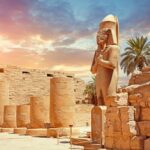
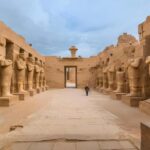
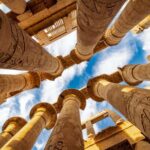
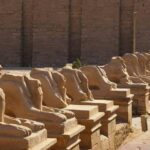
Your first serious wow comes in Karnak. The Temple of Karnak complex is dedicated to Amun and his wife Mut, and it carries an incredible sense of scale—so many halls and pylons that you can easily understand why people spent lifetimes building it. Your guide also points out a standout detail tied to the idea of diplomacy: an early international peace treaty is referenced on a wall in the Temple of Amun. That’s a reminder that these places weren’t only about religion; they were political and cultural centers too.
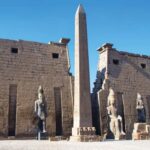
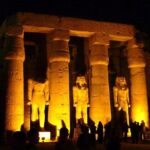
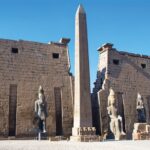
Next comes Luxor Temple, built initially by Amenhotep III and completed by Ramesses II. You’ll see it dedicated to Amun-Ra, Mut, and their son Khonsu. Don’t skip the entrance obelisk of Ramesses II—it’s one of those moments where your brain clicks: this is power made stone.
After that, you get a lighter option: an independent walk in Luxor’s market and along the Corniche. This is one of the best “choose your own pace” breaks in the whole program. You can browse spices and handmade crafts, then slow down with views over the Nile and even stop for traditional Egyptian tea.
Watch-out for Day 1: Karnak and Luxor Temple are both listed at 2 hours each. With that kind of time, wear good walking shoes and keep water handy. Also remember entrance tickets for these stops aren’t included.
Day 2: West Bank power moves—Tombs, Hatshepsut, then Colossi of Memnon
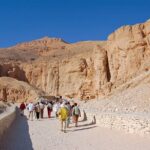
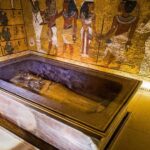
Day 2 shifts you across the Nile to the West Bank, where the mood gets more dramatic. The Valley of the Kings is all about tombs of pharaohs, and it’s also where an optional visit to King Tutankhamun’s tomb can appear in the program. Even if you skip the optional tomb, the sheer idea of a carved burial landscape is striking. It’s not a single monument—it’s a whole world of stone corridors and secrecy.
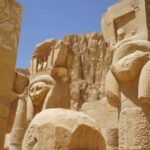
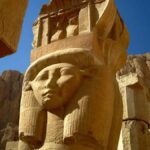
Then you head to Deir el Bahari for the Temple of Hatshepsut. This is one of the most visually satisfying sites in the itinerary. Hatshepsut is dedicated to Egypt’s only female pharaoh, and the temple’s terraces blend into the limestone cliffs in a way that feels almost engineered. Your guide’s explanations matter here because the temple isn’t just impressive to look at; it’s impressive to understand.
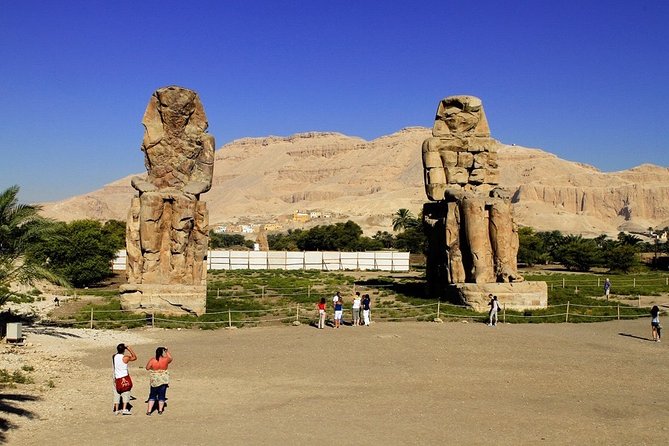
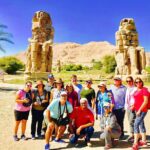
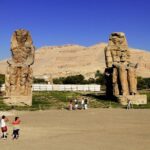
You end the day with a photo stop at the Colossi of Memnon—quick, listed at 30 minutes. It’s a nice change of tempo: you get the iconic statues, snap a few photos, and then you return to the cruise for lunch.
Consideration for Day 2: the West Bank can feel busier and more time-sensitive than the river-side stops. The optional King Tut piece can be a time decision, so decide your priority early—do you want maximum tomb access, or do you want more time absorbing the temple ruins and views?
Day 3: Edfu and Kom Ombo show the Nile’s long religious timeline
Day 3 takes you to Edfu for the Temple of Horus. This is a Ptolemaic-era temple with plenty of structure: pylons, courts, and halls filled with reliefs. The falcon god Horus theme is usually easier to follow when you’ve already visited earlier temples, because you start noticing patterns in how Egypt presented the gods through architecture.
Then you move to Kom Ombo, a temple that’s unique because it’s dedicated to both Sobek, the crocodile god, and Horus the Elder. The symmetrical layout is a real feature here: two entrances, courts, and sanctuaries arranged around the idea that different worship and symbolism can coexist in one complex.
This combination is smart for your brain. Instead of seeing only New Kingdom monuments, you’re watching Egypt’s religious and political stories keep evolving. Even the design choices feel like a snapshot of how rulers wanted people to remember and repeat their beliefs.
Practical tip: both temple stops are listed at 3 hours each. That’s enough time to feel like you got the main points, but it’s also enough time that you’ll want to take breaks when you can. If you’re prone to heat fatigue, slow your pace during the hottest parts of each site.
You can also read our reviews of more evening experiences in Luxor





Day 4: Abu Simbel is the long day worth planning around
Day 4 is the star: the Abu Simbel Temple Complex. You’ll go on a shared small group tour, and the visit is listed at 8 hours. That’s a long block, but it matches the reality of the distance and the special nature of the site.
Abu Simbel was commissioned by Ramesses II for himself and Queen Nefertari. The temples are rock-cut and famously iconic. What makes your guide’s role important is the story of why the temples exist today where you can see them: they were relocated to prevent submersion by Lake Nasser’s waters, with UNESCO and Egyptian collaboration making the rescue possible. That’s not trivia—it’s part of why Abu Simbel feels different from other monuments. It’s a monument that survived engineering and politics, not just centuries of sand.
The Temple of Ramesses II (often described as a Sun Temple) gets attention for its architectural brilliance and its connection to the New Kingdom era. Even without knowing all the symbols, you can usually feel the intention. The scale and workmanship are hard to fake.
How to enjoy this day: treat it like a full-day event. You’ll have less energy left for side wandering, and that’s fine. The “win” is being present for the actual site and letting your guide connect the dots.
Day 5: Philae and the High Dam before your transfer out
Your final day is a blend of ancient worship and modern engineering.
First is Temple of Philae, dedicated to Isis and located on Agilkia Island. You access the temple via a short motorboat ride, which is a simple but effective “change of scene” before you enter the ruins. Philae is described as Greco-Roman, and that combination can be fascinating if you like seeing how Egypt absorbed outside influences while still keeping iconic themes visible in the carvings.
Next comes the Aswan High Dam. This is a different type of monument, and it helps you understand the Nile as a living system, not just a postcard. The dam was inaugurated in 1971 and designed to control Nile flow and provide electricity to Egypt.
After the High Dam visit, your transfer to the airport or train station is arranged, ending the services.
Small reality check: entrance fees aren’t included here either, so expect admissions to add up across the week. Also, you may leave at a specific time depending on where you’re headed, so don’t plan extra last-minute sightseeing that could risk timing.
Meals and cabin comfort: the quiet quality that keeps the trip pleasant
A big part of why cruises can feel better than nonstop touring is recovery time. Here, you’re covered with meals onboard. Lunch starts on day 1 and breakfast ends on day 5. That means you spend less time hunting for food and more time focusing on what you came for.
Your cabin is described as comfortable with modern amenities. You also get the benefit of a stable base: you’re not packing and unpacking constantly. For many people, that’s the difference between a trip that feels doable and a trip that feels like a homework assignment.
Dietary restrictions are noted as something the company can accommodate, including vegetarian, vegan, and gluten-free. So if you have food needs, this is worth flagging when you book.
Who this cruise is best for
This is a great match if:
- you want a guided, high-efficiency tour from Luxor to Aswan,
- you’re excited about temple architecture and Egyptology-style explanations,
- you’re planning to see Abu Simbel, and
- you appreciate built-in meals and transfers more than total freedom.
It may not be the best fit if you prefer:
- lots of independent time,
- a very slow pace,
- or you only care about one or two sites and don’t want a structured week.
Tips to get the most from the days
A few practical ideas based on what’s in the program:
- Budget for entrance fees. The major sites are listed as admission ticket not included, so plan on paying extra during the week.
- Pick your West Bank strategy early. The Valley of the Kings includes an optional King Tut visit. Decide before you’re standing there with heat and time pressure.
- Plan for Abu Simbel stamina. Day 4 is 8 hours, so treat it like the key athletic event of the trip.
- Use the Luxor free-choice block wisely. The market and Corniche option is your chance to slow down and taste local life without forcing yourself through another guided stop.
Should you book this Luxor to Aswan Nile Cruise with Abu Simbel?
I’d book it if your priority is seeing the best-known sites—Karnak, Luxor Temple, West Bank monuments, Edfu, Kom Ombo, Philae—and you specifically want Abu Simbel handled in a way that doesn’t require you to solve transport and timing on your own.
The package earns its keep with meals included, a proper Egyptology guide, and transfers that reduce friction. The main downside is straightforward: you’ll pay entrance fees on-site for most stops and you’ll spend long hours moving through major sights, especially on Day 4.
If that trade-off sounds like your kind of trip, this is a strong, classic way to do Upper Egypt.
FAQ
How long is this tour?
It’s listed as 5 days (about 5 days), including a 4-night Nile cruise from Luxor to Aswan plus the scheduled visits on each day.
What is the price per person?
The price is $590.00 per person.
Are entrance fees included?
No. Entrance fees are listed as not included for the stops.
What meals are included?
Meals on the ship are included starting with lunch on Day 1 and ending with breakfast on Day 5. Dinner is included on four days as well.
Does the tour include transfers?
Yes. Air-conditioned transfers are included between your arrival/departure point and the cruise ship, plus meet-and-assist support at Luxor Airport, Train Station, or Luxor Hotel.
Is there a guide during the site visits?
Yes. An expert tour guide is included for all the historical sites indicated in the program.
How is Abu Simbel handled?
You’ll visit Abu Simbel as part of a shared small group tour, and the time listed for the Abu Simbel day is 8 hours.
Can the tour accommodate dietary restrictions?
Yes. The tour states it can accommodate dietary restrictions such as vegetarian, vegan, and gluten-free options.
What’s the cancellation policy?
Free cancellation is available. You can cancel up to 24 hours in advance for a full refund; cancellations within 24 hours are not refunded.
Is this tour private?
It’s described as a private tour/activity, meaning only your group participates, but the Abu Simbel visit is specifically described as a shared small group tour.