REVIEW · LUXOR
4-Day 3-Night – 5 Star Nile Cruise from Luxor to Aswan + Abu Simbel
Book on Viator →Operated by Oceanus Tours and Travel · Bookable on Viator
Few mornings in Egypt start this early. This 4-day, 3-night Luxor to Aswan cruise mixes major temple hits with real cruise time on the Nile. I like that you get private guide + A/C vehicle for Luxor and Aswan temple days, not just a generic hop-on tour.
Two things I really value here: the cruise is described as 5-star with full board meals included, and the planning is tight enough that you see Karnak and Luxor Temple on Day 1, then Edfu and Kom Ombo on Day 3, before the big Abu Simbel morning. One thing to think about first: entrance fees, tipping, and drinks are not included, and Abu Simbel starts with a 4:30 am pickup.
In This Review
- Key things to know before you go
- Luxor Start: Karnak + Luxor Temple With Hotel-to-Boat Transfers
- Valley of the Kings + Hatshepsut: The West Bank Day That Really Delivers
- Edfu Temple by Horse and Carriage, Then Kom Ombo on the Way to Aswan
- Abu Simbel: The 4:30 a.m. Morning Run (And Why It’s Still Worth It)
- Philae Temple + Aswan High Dam: A Solid Afternoon Before Your Drop-Off
- Price and Logistics: Does $637.50 Actually Make Sense?
- Practical Tips That Save Time (and Avoid Holiday-Day Stress)
- Who This Nile Cruise Fits Best
- Should You Book This Luxor to Aswan 5-Star Cruise With Abu Simbel?
- FAQ
- What’s included in the tour price?
- Are entrance fees included?
- Do I need cash for anything?
- How early do I need to be for Abu Simbel?
- Is the Abu Simbel visit private?
- What meals are included during the cruise?
- Is water or Wi-Fi included on the cruise?
- Where will you pick me up and drop me off?
- What if the trip to Abu Simbel is canceled due to weather?
Key things to know before you go
- Private guide for Luxor and Aswan makes the temple visits feel organized instead of rushed
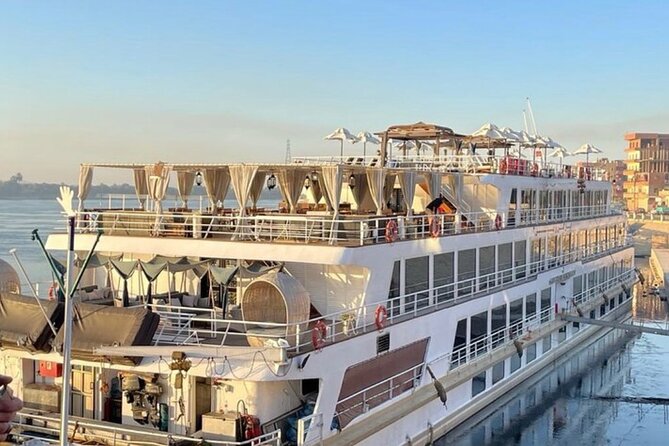
- 5-star Nile ship for 3 nights with full board meals included (breakfast, lunch, dinner)
- Edfu Temple includes horse and carriage to get you there the traditional way
- Abu Simbel is a shared small-group bus/minibus trip with a very early departure
- Max 20 travelers helps keep the days from feeling chaotic
- Entrance fees aren’t included, so bring a card for most sites and some cash for tipping
Luxor Start: Karnak + Luxor Temple With Hotel-to-Boat Transfers
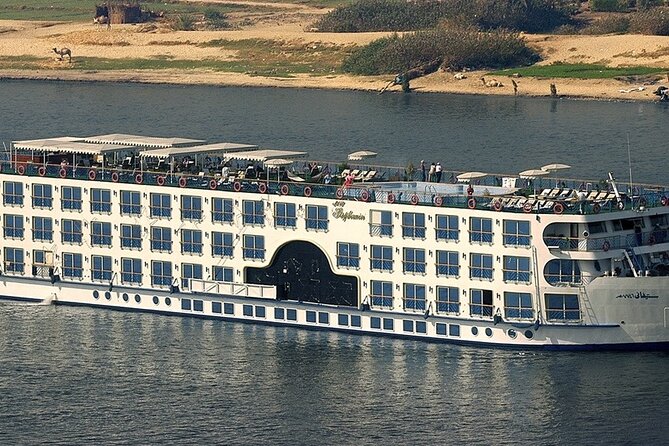
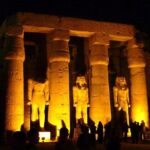
Day 1 is designed to get you into the action right away. After pickup from your hotel (east bank), Luxor train station, or Luxor airport, you head straight to the cruise to check in and eat lunch. Then you meet your Egyptologist guide and step into Karnak, one of Egypt’s most spread-out temple complexes.
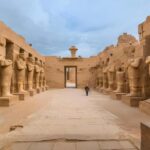
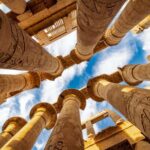
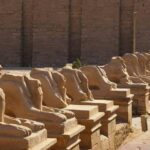
Karnak is impressive because it was built over long stretches by different kings, each adding their own offerings and pieces. I like how the tour explains the temple’s main connections: the triad of Thebes—Amun Ra, Mut, and Khunsu—and how the plan grew complex over time. You’ll also spend time in the Hypostyle Hall with its 134 columns, arranged in rows, which is the kind of place where you automatically slow down and look up.
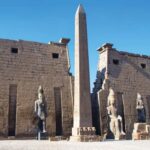
From there you switch gears to Luxor Temple in downtown Luxor. This one is tied to King Amenhotep III of the New Kingdom era, so it feels like a different chapter of the same broader Theban story. It’s a shorter visit than Karnak, but it’s a nice contrast after all that scale.
Practical note: both Karnak and Luxor Temple have entrance fees not included, so you’ll want to budget for that early. Plan on comfortable shoes and a bottle you can buy later—water and drinks on the cruise aren’t included either.
You can also read our reviews of more boat tours in Luxor

Valley of the Kings + Hatshepsut: The West Bank Day That Really Delivers
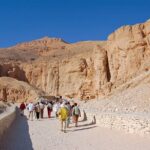
Day 2 is your West Bank day, and it’s set up to make the “city of the dead” feel concrete. After breakfast onboard, your guide takes you to the west bank for a visit to the Valley of the Kings, including three tombs.
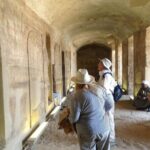
What makes this stop work is the framing: you’re not just walking into tombs, you’re seeing how ancient Egyptian artists used color and design to tell stories and communicate beliefs. Three tombs isn’t too much, and it’s enough time to notice the patterns and differences between decorations without feeling like you’re on conveyor-belt time.
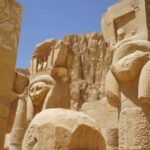
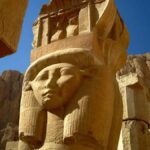
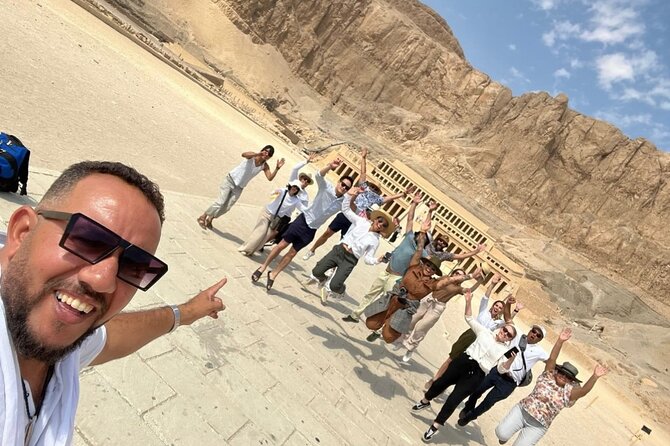
Next comes Temple of Hatshepsut, with the guide explaining her rise to power and her claim of divine birth. This temple often sticks in people’s minds because it connects architecture with political history—how a ruler justified power in ways the ancient world understood.
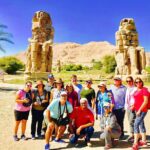
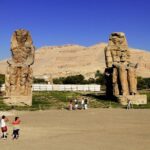
After that, you’ll stop at the Colossi of Memnon for photos. These two huge statues of Amenhotep III are simple in shape but huge in presence, and they’re a good mental reset before you head back toward the ship.
One consideration: the west bank is where you’ll likely feel the day’s pace most. You’ll be switching sites by vehicle and moving through multiple areas in one day, so if you like slow travel, build in extra breaks where you can.
Edfu Temple by Horse and Carriage, Then Kom Ombo on the Way to Aswan
Day 3 starts gently with breakfast onboard, then you head out for Edfu. The standout detail here is that you visit Edfu Temple with horse and carriage. It’s not just a novelty. It slows the day in a fun way, and it helps you connect with the place rather than treating it like one more courtyard.
Edfu is dedicated to the falcon god Horus, known for protection. The temple is well preserved, so you can actually make out many elements instead of only seeing ruins. If you like temples that still feel “complete,” this is a strong day.
After Edfu, you sail on to Kom Ombo. In the afternoon you visit the Temple of Kom Ombo, dedicated to Horus and Sobek. This temple is intriguing because it mixes two cults in one complex, and it helps you understand how Egyptian religion could share space while still keeping distinct identities.
Then you arrive Aswan late evening and overnight in Aswan. That timing matters. It means you get your temples by daylight and only then switch into the “settle in” rhythm of a city stay.
A small drawback to note: Kom Ombo’s time window is often shorter than Edfu’s, so it’s easy to end up wanting just a bit more. The upside is that you’re not packed into an exhausting all-day marathon.
Abu Simbel: The 4:30 a.m. Morning Run (And Why It’s Still Worth It)
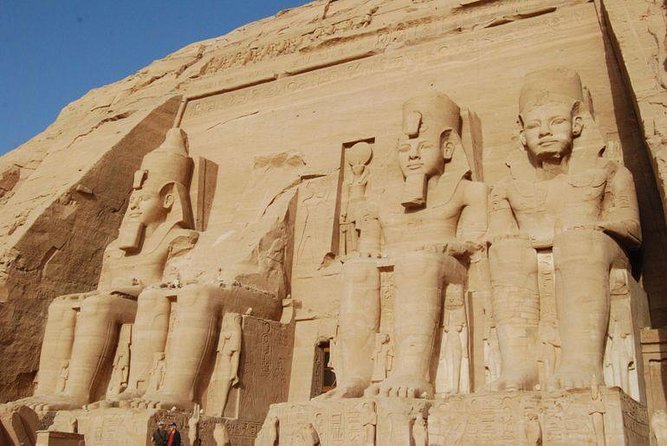
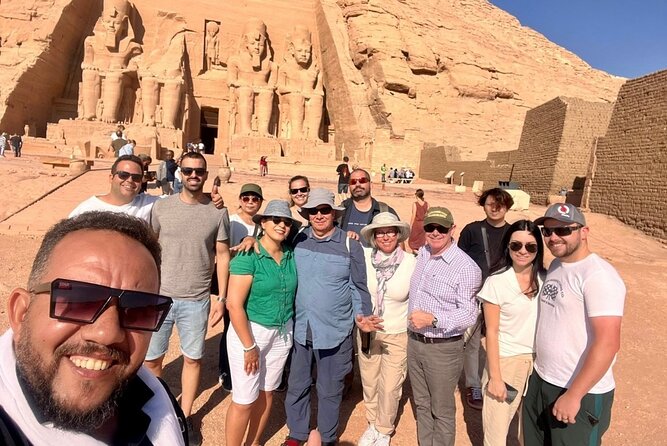
If you do one early thing in Egypt, do it for Abu Simbel. Day 4 begins with a pickup time of 4:30 am, and the temples are about 285 km south of Aswan. The drive is roughly 3 hours, and the whole outing is about 8 hours.
The tour includes the Abu Simbel Temple Complex visit, and it’s run as a shared group in a bus or minibus. That matters for expectations: you won’t have a private vehicle for this portion, and you’ll follow the group tempo. But the trade-off is that you get access to a top-tier site without paying for a fully private day.
Why I think this is worth it: Abu Simbel is one of those places that instantly changes your sense of scale. The effort you spend getting there pays off in a very direct way—you’re not just hearing stories about ancient power. You’re standing in the work itself.
Back in Aswan around 1:00 pm, you still have a full afternoon program, so the day is long but not dead. Just remember: this is the part of the trip that punishes late-night habits. If you want decent sleep, avoid turning the cruise “night life” into a late schedule—your alarm is doing the driving.
Philae Temple + Aswan High Dam: A Solid Afternoon Before Your Drop-Off
After returning to Aswan at about 1:00 pm, you meet your Egyptologist guide for sightseeing. The plan includes Philae Temple and the High Dam.
One important detail: the motorboat to Philae is not included. So even though the stop is part of the day, you should plan for that extra cost. The High Dam is a modern counterpoint, and it helps you place the Nile in a bigger story—water management, power, and how Egypt shapes life around the river.
By the end of the tour, you’re transferred to your Aswan hotel east bank, or to Aswan airport or train station. The tour strongly recommends booking an evening train or flight, which is smart. Your day ends after a busy schedule, and you don’t want to gamble with timing if you’re trying to make a tight connection.
You can also read our reviews of more evening experiences in Luxor



Price and Logistics: Does $637.50 Actually Make Sense?
At $637.50 per person, this package looks most valuable when you consider what’s bundled versus what you’ll pay separately.
Included items that add real weight:
- 3 nights on a 5-star Nile cruise with full board meals (breakfast, lunch, dinner for 3 days)
- Hotel/airport/train transfers by A/C vehicle
- Qualified English-speaking Egyptologist guide
- Private guide + vehicle for the Luxor and Aswan sightseeing blocks
- Abu Simbel excursion as a shared group trip
- Dinner (3), lunch (3), breakfast (3)
Not included, but common in Egypt tours:
- Entrance fees for the listed sights
- Water or drinks on the cruise
- Tipping for guide, drivers, and cruise crew
- Wi-Fi on the cruise
- Motorboat to Philae
So the value comes from structure. You’re paying for a smooth chain of transportation, guided temple time, and the cruise stay. If you’re someone who would otherwise stitch together separate transfers, lodging, and tours, this tends to come out cleaner—even if you’ll still spend on entrance tickets and small extras.
A final logistics note: the tour keeps the group small (maximum 20 travelers). That’s the difference between feeling like a parade and feeling like a manageable group.
Practical Tips That Save Time (and Avoid Holiday-Day Stress)
A few real-world things to plan now so the trip feels smooth later.
1) Expect entrance fees to be paid on the day.
Most entrance fees are described as payable by card, except the High Dam and the motorboat to Philae temple, which are in Egyptian money cash. Carry both card and some cash.
2) Budget for tipping.
Tipping for the guide, drivers, and cruise crew is not included. The tour also says you’ll need cash for tipping. If you show up with no cash, you’ll feel it fast.
3) Pick the right Luxor-side pickup option.
You can be picked up from the east bank Luxor hotel, or from Luxor train station/airport with no extra charge. If you’re in a Luxor west bank hotel, there’s a $10 USD per person extra pickup fee (and a $10 USD per person option for dropping at Aswan west bank hotels).
4) Abu Simbel means early sleep.
With a 4:30 am pickup, you’ll want a calmer evening that lets you get up. On a cruise, it’s tempting to linger—this itinerary doesn’t.
5) Rooms and solo travel.
If you want your own room, you’ll need a single-person booking. If traveling in a group of three, there’s a triple room option. As a solo traveler, you can still do this; one report specifically described a smooth solo start with pickup handled by Mido after arriving at the airport.
Who This Nile Cruise Fits Best
This is a great fit if you:
- want a classic Luxor-to-Aswan route with the big names—Karnak, Valley of the Kings, Edfu, Kom Ombo, Abu Simbel
- like having an Egyptologist guide for context while you walk through temples
- prefer organized logistics more than building a day-by-day plan yourself
It can also work well for families, since the itinerary is scheduled and supported with A/C vehicle transfers. If you’re a very independent traveler who dislikes early starts or shared group travel, the Abu Simbel shared minibus/bus day may feel less flexible than you’d like.
For anyone focused on comfort, the “5-star” cruise claim is a big part of the appeal—especially because meals are included and you’re not constantly hunting for food between stops.
Should You Book This Luxor to Aswan 5-Star Cruise With Abu Simbel?
I’d book this if you want a high-effort sightseeing itinerary without having to manage the moving parts. The mix of guided temple days, 3 nights on a 5-star ship with full board meals, and the included Abu Simbel outing makes it feel like a complete package.
I’d pause if:
- you hate early mornings and would struggle with a 4:30 am start
- you’d rather pay less and manage your own entrances and transport
- you’re counting on cruise drinks and water being included (they aren’t)
If you can handle the early alarm and you’re comfortable paying entrance fees and tips, this is one of the more satisfying “Luxor to Aswan” styles of trip: structured, guided, and built around the sites that define Egypt for most first-timers.
FAQ
What’s included in the tour price?
Transfers by A/C vehicle, an English-speaking Egyptologist guide, 3 nights on a 5-star Nile cruise with full board meals (breakfast, lunch, dinner), and the Abu Simbel trip as a shared small-group bus or minibus outing.
Are entrance fees included?
No. Entrance fees for the sights mentioned are not included, and you’ll need to pay them for most sites by card, with some exceptions noted below.
Do I need cash for anything?
Yes. The tour specifies cash is needed for tipping to the guide, drivers, and cruise crew. It also notes that you’ll pay in Egyptian money cash for the High Dam and the motorboat to Philae.
How early do I need to be for Abu Simbel?
The pickup time for Abu Simbel is 4:30 am. You return to Aswan around 1:00 pm.
Is the Abu Simbel visit private?
No. Abu Simbel is done as a shared group in a bus or minibus (described as a small group).
What meals are included during the cruise?
The tour includes 3 breakfasts, 3 lunches, and 3 dinners on the cruise, as part of the full board arrangement.
Is water or Wi-Fi included on the cruise?
No. Water or drinks on the cruise are not included, and Wi-Fi on the cruise is not included.
Where will you pick me up and drop me off?
Pickup is available from east bank Luxor hotels, Luxor train station, or Luxor airport. Drop-off is to your Aswan east bank hotel, Aswan airport, or Aswan train station.
What if the trip to Abu Simbel is canceled due to weather?
The tour notes it requires good weather. If Abu Simbel is canceled due to poor weather, you’ll be refunded $30 USD per person. The experience can also be canceled for minimum traveler requirements with an alternative date or full refund.