Three temples, one West Bank day. This tour strings together Medinat Habu, the Valley of the Nobles, and Deir el-Medina in a tight 3 to 4 hours, with pickup and an air-conditioned ride so the day stays smooth. The real appeal is how your guide turns each tomb and wall scene into a story you can actually follow, not just a checklist.
Two things I like a lot: the guide experience, especially when Samar is leading, with a warm, engaging way of explaining what you’re looking at. I also value practical perks like bottled water and snacks, plus clean, air-conditioned cars that make the heat and driving between sites feel less draining.
One consideration: tickets are not included in the price, even though the itinerary notes admission ticket free for the listed stops. You also get a focused set of tombs (not every tomb in the area), so if you want maximum quantity, you might want a longer plan.
In This Review
- Key highlights before you go
- West Bank in 3 to 4 hours: a practical route that makes sense
- Medinat Habu: Ramses III’s well-preserved temple stop
- Valley of the Nobles: three tombs and New Kingdom artistry
- Deir el-Medina (Valley of the Artisans): where workers lived
- Getting there in comfort: pickup, A/C rides, and small conveniences
- Price and value: $75, group sharing, and the ticket question
- The guide really drives the day: Samar, Essam, and the timing advantage
- Who this West Bank tour fits best
- Should you book it? My honest call
- FAQ
- How long is the Luxor West Bank tour?
- What sites are included?
- Is pickup included?
- Are entrance tickets included in the price?
- What’s included besides the guide?
- Can the price be lower if we travel with more people?
- What is the cancellation policy?
Key highlights before you go
- A/C pickup and clean transport between three West Bank sites
- Guide-led route built around what to notice in tomb carvings
- Ramses-era setting at Medinat Habu, with an emphasis on preservation and detail
- Valley of the Nobles highlights: three of the most famous tombs
- Deir el-Medina time with context: artisans’ homes plus tombs and a small Ptolemaic temple
- Samar’s style is repeatedly praised, including timing tips to help with crowds
West Bank in 3 to 4 hours: a practical route that makes sense
Luxor’s West Bank can feel like a lot when you’re trying to choose what to see. This tour keeps things sensible: it’s built for a half-day view of three major stops, with enough time to look at carvings and not just hurry from gate to gate.
I also like the comfort layer. Pickup is offered, and you ride in a clean, air-conditioned vehicle, which matters on a West Bank day where the walking and waiting can add up. You’ll also have bottled water and snacks during the tour, so you’re not forced to hunt for refreshments while you’re in sightseeing mode.
The tour is described as a private tour/activity, meaning only your group participates. At the same time, the price can be shared for less if you’re traveling with more than one person. So the experience is still focused, but your total cost can drop when your group grows.
Timing is a quiet secret weapon here. The itinerary gives you set time blocks—about 1 hour at Medinat Habu, 1 hour at the Valley of the Nobles, and about 2 hours at Deir el-Medina—so you’re not stuck guessing how long things will take. Guides like Samar are also known for advice on when to visit to help you avoid the worst of the crowds, which turns a stressful day into a calm one.
You can also read our reviews of more tours and experiences in Luxor.


Medinat Habu: Ramses III’s well-preserved temple stop
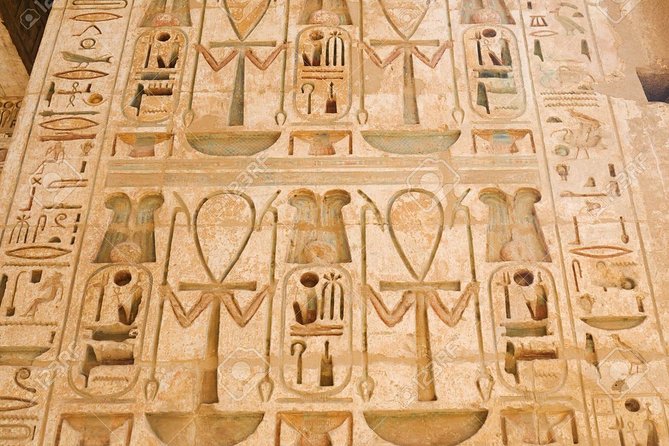
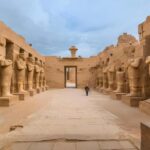
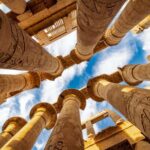
The first stop is the Temple of Medinat Habu, connected with King Ramses III. This is one of those places where you can see why Egypt’s temple walls have such a reputation. The site is described as one of the best preserved temples in Egypt, with beautifully decorated walls and carvings that go unusually deep.
What I’d focus on here is not just how impressive it looks from the outside, but how the wall decoration works as a message. A good guide helps you connect the patterns and scenes you see to the bigger idea of royal commemoration—this temple is a memorial, not a casual building.
You’ll have about an hour for this stop. That’s a good chunk of time for looking slowly and still keeping momentum. If you rush, you’ll miss the texture of the carvings. If you slow down, you’ll start noticing how the decoration is structured, and the whole thing stops feeling like random stonework.
The listing also notes that admission tickets for this stop are marked as free. Still, the tour pricing notes that tickets are not included, so you should confirm what you need at each entrance when you book. Either way, even without getting stuck in ticket admin, this is a strong opener because it sets the tone for what you’ll see in the tomb valleys later.
Valley of the Nobles: three tombs and New Kingdom artistry
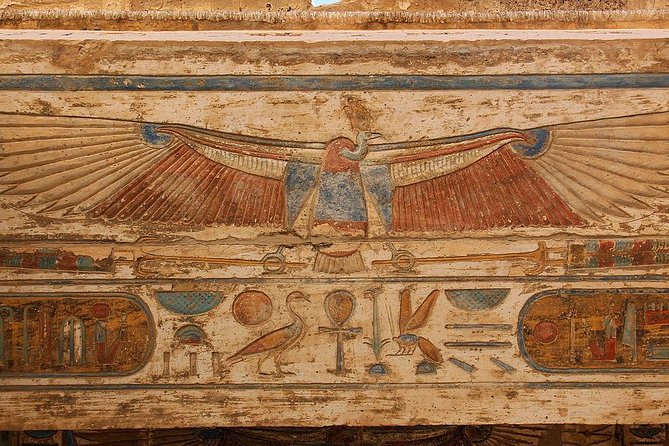
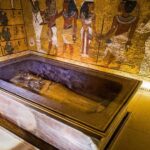
Next is the Valley of the Nobles, described as a set of hidden tombs from the New Kingdom period. This stop is interesting because it shifts you from royal temple space into the world of officials and noble men. The walls are described as beautifully carved and colored, which is exactly what you want for a guide-led visit—you can’t read everything alone, but you can learn how to look.
In this tour, you’ll be able to see three of the most famous tombs at the site. That matters because the Valley of the Nobles can feel broad. Instead of trying to cover everything, the route gives you a curated set. Your guide can then slow down for what makes each tomb worth your attention.
One practical benefit of the structured approach: the tour is only about an hour at this stop. That time limit helps you keep perspective. You’ll come away with clear highlights rather than a foggy sense that you saw a bunch of doors and corridors.
The main caution is mental, not logistical. Tomb sites require attention and patience. If you prefer constant movement, you may feel tempted to skim. But if you let the guide point out what to look for, the carvings and the color story start making sense.
Also, this is yet another stop where the itinerary notes admission ticket free. Since the overall tour price says tickets aren’t included, check on the ground whether any entry procedure is still required, even if the admission cost is listed as free.
Deir el-Medina (Valley of the Artisans): where workers lived
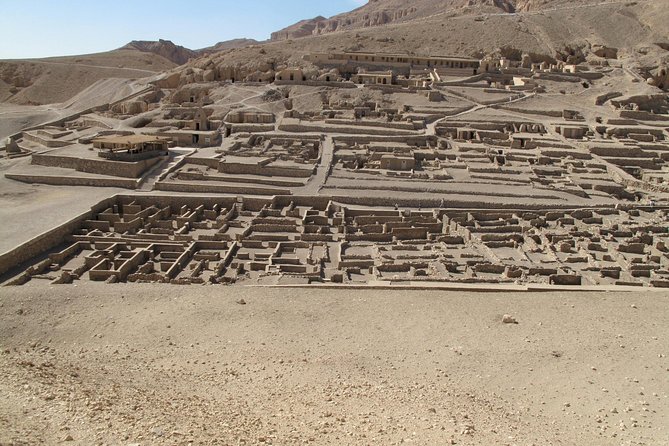
The final major stop is the Valley of the Artisans, also known as Deir el-Medina. This is the most “human” stop on the route, at least in the way the site is described. The men who cut and decorated the tombs of Egypt’s New Kingdom Pharaohs lived here with their families.
That detail changes how you view the whole area. Instead of only thinking about tomb owners and ceremonies, you start thinking about the craft and the community behind the work. It turns the West Bank from a stage set into a workplace and a home.
You’ll spend about 2 hours here. The longer time block makes sense because the tour includes three tombs and a small temple that belonged to the Ptolemaic period. The combo helps you see multiple layers: the artisan connection through the tombs, and a later religious footprint through that small temple.
This is also where a strong guide makes the biggest difference. If you understand who these artisans were and what their job involved, you’re more likely to notice how tomb decoration reflects skilled labor and consistent methods. You’ll also get more out of the visit if you slow down enough to look at scenes and learn how they connect.
Same ticket note applies here. The itinerary marks admission ticket free, but the tour’s included list does not promise tickets. So you’ll want to confirm what, if anything, you need to pay on-site.
Getting there in comfort: pickup, A/C rides, and small conveniences
Luxor days run on timing. The tour is built around a smooth flow: pickup is offered, and you travel in a clean, air-conditioned car. That helps a lot when the West Bank involves short hops between sites and waiting at entrances.
Another small but real convenience is the bottled water and snacks. It means you can stay focused during transitions. Instead of thinking about your next stop for food, you can keep your mind on what you’re seeing.
There’s also a mobile ticket. That’s practical in a place where paperwork and lines can waste time. The experience confirmation is said to be received at booking, so you shouldn’t be left wondering what to show up with.
The meeting area is described as near public transportation, which is helpful if you’re mixing this tour with independent exploring. Even though pickup is offered, it gives you a backup option if your schedule shifts.
Finally, the tour says most travelers can participate and that only your group participates. That’s a good fit if you want to talk to your guide without feeling rushed or filtered through a giant group rhythm.


Price and value: $75, group sharing, and the ticket question
The price is listed as $75.00 per person, with a tour duration of about 3 to 4 hours. On paper, that’s a reasonable rate for a guide-led West Bank route with air-conditioned transport, bottled water, and snacks—especially when you’re covering three major stops.
The value gets better when your group grows. The tour notes it can be shared for less price if there’s more than one traveler. So if you’re traveling with family, friends, or another couple, it’s worth asking about group pricing before you lock in.
Two budget details matter for planning:
1) Tickets are not included in the tour price.
2) The itinerary notes admission ticket free for the mentioned sites.
Those two statements can sound contradictory, so treat them as a prompt to verify. It’s entirely possible the sites have free admission but still require some on-site entry process. Either way, don’t assume the cost is zero until you confirm.
Also, extra tombs and additional sites are not included. That’s not a dealbreaker, it’s just how this tour stays within the time window. You’ll get clear highlights, but you won’t suddenly find yourself covering every nearby corridor.
For most first-timers, that’s good. For archaeology nerds who want to maximize tomb counts, you may want a longer route or an additional day.
The guide really drives the day: Samar, Essam, and the timing advantage
If you look across the strong reviews tied to these Luxor experiences, one theme keeps showing up: the guide experience makes the difference between seeing ruins and understanding them.
Samar is repeatedly praised for being engaging and for making stops feel effortless to navigate. One review notes that a couple even stopped the group after hearing her talk and asked for her contact info, which tells you her explanations land in a memorable way. Another review praises her for knowing the right spots and the right times to help avoid crowds.
Essam and Sumatra are also named in other high-scoring experiences in the same guide family. The common thread is the ability to explain without turning the day into a lecture. In practical terms, that means you’ll spend less time wondering what you should be looking at.
You’ll also benefit from guide flexibility. One review describes Samar as flexible, which tends to matter on the West Bank where plans can shift based on entrance rules and pacing. A flexible guide keeps the day on track and avoids the classic stuck-at-a-door problem.
So when you book, I’d treat the guide choice as part of the value. If the option exists to confirm you’ll have Samar, that’s a strong reason to choose this tour.
Who this West Bank tour fits best
This tour fits best when you want a clear, manageable West Bank day. If you’re short on time—like you only have a few hours between travel days—this is a solid way to see three key areas without feeling lost.
It’s also a good fit if you want expert help understanding what you see in tombs. The stops are specific: three notable tombs at the Valley of the Nobles, and three tombs plus a small Ptolemaic temple at Deir el-Medina. That structure works well when you want highlights and explanation, not just walking.
If you’re a strict completionist who wants every single tomb within a valley, you might find the fixed lineup limiting. This tour is designed for focus, not exhaustive coverage.
Should you book it? My honest call
I think you should book this West Bank tour if you want an organized half-day that gets you onto the right sites in the right order, with air-conditioned comfort and a guide who can tell you what the carvings and tomb scenes are actually about. The guide quality—Samar in particular—is a standout reason to choose it.
I’d hesitate if you’re expecting the tour to include everything for free, including any ticket costs, or if you’re aiming for a do-everything tomb crawl. The tour’s structure is purposeful: three stops, set time blocks, and a focused set of tombs.
If you’re trying to decide quickly, here’s the simplest test: do you want a guided, efficient West Bank day? If yes, this tour makes sense. If you want total freedom and unlimited tomb options, you may want a longer independent plan or a different itinerary.
FAQ
How long is the Luxor West Bank tour?
The tour runs about 3 to 4 hours.
What sites are included?
You visit Temple of Medinat Habu, the Valley of the Nobles, and the Valley of the Artisans (Deir el-Medina).
Is pickup included?
Pickup is offered, and the tour uses an air-conditioned vehicle.
Are entrance tickets included in the price?
Tickets are listed as not included. The itinerary also notes admission ticket free for the mentioned sites, so you should confirm what’s required on-site when you book.
What’s included besides the guide?
The tour includes an air-conditioned vehicle, bottled water, and snacks, plus a tour guide in the mentioned languages.
Can the price be lower if we travel with more people?
Yes. The tour notes it can be shared for less price if there is more than 1 traveler.
What is the cancellation policy?
There is free cancellation. You can cancel up to 24 hours in advance for a full refund.
If you want, tell me your travel dates and approximate group size, and I’ll help you think through whether the 3–4 hour format will feel right for your schedule.