REVIEW · LUXOR
Tour to The East &West Bank of the Nile Visiting Luxor-Karnak-Hatshepsut Temples
Book on Viator →Operated by Sun Pyramids Tours · Bookable on Viator
Luxor’s two banks feel like two different worlds. This private 8-hour loop covers the big-name East Bank temples and the West Bank burial sites in one day, with hotel pickup and included admission tickets for most stops. I especially like the practicality here: you get a private guide and air-conditioned transfers, so you’re not wasting your day negotiating transport.
The main thing I’d flag is cost and effort at the West Bank. The entry ticket to the Tutankhamen Tomb isn’t included, and the Valley of the Kings involves real stair climbing, so plan for plenty of steps.
In This Review
- Key highlights from this East & West Bank Luxor day
- East and West Bank, one loop: why this plan clicks
- Price and what you’re actually getting for $174
- Hotel pickup and a private vehicle: the day stays under control
- Stop 1 on the West Bank: Valley of the Kings and choosing the tomb
- Temple of Hatshepsut at Deir el-Bahari: grandeur with a story
- Colossi of Memnon: a quick pass with big-scale presence
- Karnak Temple and Luxor Temple: why this East Bank pairing works
- Lunch break and bottled water: small comforts that matter
- Transfers, timing, and how a typical day feels
- Who should book this East & West Bank day tour
- Should you book this one-day Luxor East & West Bank tour?
- FAQ
- Is pickup from my Luxor hotel included?
- How long is the tour?
- Is this tour private?
- What’s included besides entry tickets?
- Which sites have admission tickets included?
- Is the Tutankhamen Tomb ticket included?
- Are there any extras I should expect to pay for?
- Do I get a ticket on my phone?
- What kind of transportation will I use?
- Can I cancel for a full refund?
Key highlights from this East & West Bank Luxor day
- Hotel pickup and return make this one-day plan feel effortless
- Private guide means you can ask questions and move at your group’s pace
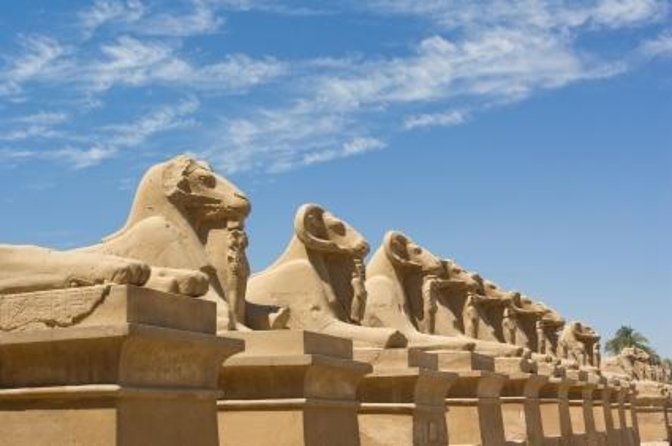
- Major admissions included at the Valley of the Kings, Hatshepsut Temple, Karnak, and Luxor Temple
- Two-bank “Nile story” in a single day, moving from burials to worship
- Lunch at a good quality local restaurant keeps the break worthwhile
- Valley of the Kings tombs you’ll recognize from names like Tutmosis I, Tutmosis III, and Ramesses VI
East and West Bank, one loop: why this plan clicks
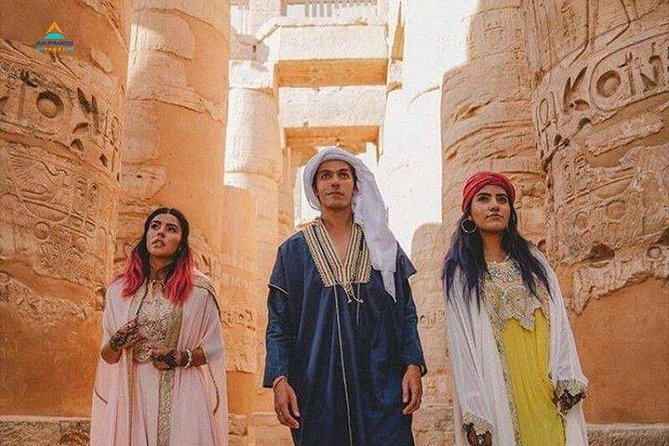
If you only have one day in Luxor, this is the right kind of busy. The East Bank focuses on temple life and royal worship, while the West Bank is tied to funerary traditions and the afterlife. Doing both in one day helps you see the “same civilization” from two angles, without requiring you to commit to a multi-day schedule.
I also like that the route is logical. You start on the West Bank, then cross over to the East Bank for the heavier temple sites. That sequencing matters because it keeps you from bouncing back and forth across the river all day. You’ll also get a nice rhythm: tombs, then the dramatic setting of Hatshepsut at Deir el-Bahari, then grand religious architecture at Karnak and Luxor Temple.
One more practical point: this is a private tour/activity for your group. That’s not just a comfort upgrade. It also means your guide can tailor what you spend time on—especially helpful at the Valley of the Kings, where there are multiple tombs to choose from.
You can also read our reviews of more tours and experiences in Luxor.


Price and what you’re actually getting for $174
At $174 per person for an ~8-hour day, the value comes from what’s bundled. This includes pickup and return, transfers by a private air-conditioned vehicle, a private tour guide, and lunch, plus bottled water during the tour. It also includes admission tickets for the key sites listed on the route.
What you’re paying for, in plain terms, is time saved and stress reduced. Luxor’s sites can be spread out, and the West Bank especially rewards having someone who knows how to manage the flow. If you were doing this on your own, you’d still pay for transportation, guide support, and entry fees—often without the same “all set” feeling.
The only notable extra cost to budget for is the Tutankhamen Tomb entry ticket, which is explicitly not included. If Tutankhamen is on your must-see list, you’ll want to add that before you go so the day stays smooth.
Hotel pickup and a private vehicle: the day stays under control
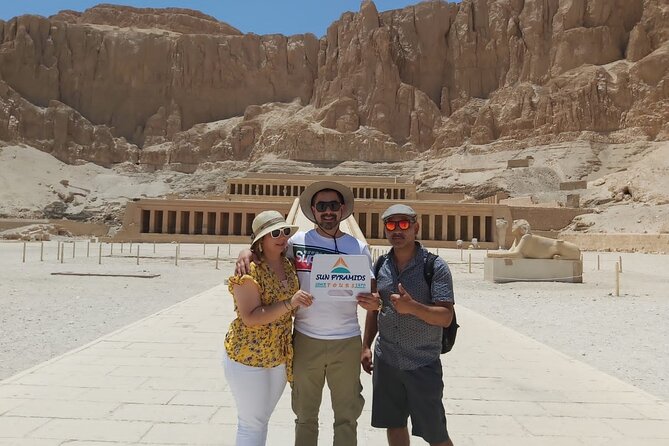
This tour starts with pickup from your hotel in Luxor and returns you to your hotel afterward. That matters more than it sounds. When you’re dealing with multiple major sites across both banks, a tight pickup system prevents the common first-day chaos: waiting, re-checking meeting points, and losing momentum.
You’ll ride in a private air-conditioned vehicle, which helps you keep the day comfortable and predictable. There’s also bottled water on board, plus service charges and taxes are handled as part of the package. That means fewer small surprises once you’re out in the field.
If you like structure but hate feeling rushed, you’ll likely appreciate the private format. In the feedback for this operator, guides are praised for being on time and professional, with strong story delivery—one guide was even described as patient and suited for an all-girls trip, keeping the pace comfortable rather than sprint-like.
Stop 1 on the West Bank: Valley of the Kings and choosing the tomb
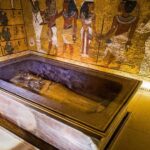
Your West Bank start is the Valley of the Kings. You’ll transfer there first, then spend about 1 hour inside with admission included. This is where Luxor goes from impressive to unforgettable fast, because you’re looking at the setting for royal burials—rock-cut tombs built for kings of the New Kingdom era.
The key tomb names you’ll likely hear during your visit include Tutmosis I, Tutmosis III, Tut-Ankh-Amon, Ramesses VI, Mrenptah, and Amonhotep II. Those names aren’t random trivia. They’re anchors for understanding how different rulers used this valley across time, and how tomb art and burial practices evolved.
One practical consideration: entry to the Tutankhamen Tomb isn’t included on this tour. That doesn’t mean you can’t see it at all—it just means you should expect to pay separately if it’s the specific tomb you want. Ask your guide about priorities when you arrive so you don’t waste time.
Also, plan for movement. At least one guide experience on this route came with the note that there are lots of steps. So bring comfortable shoes and be ready for an active hour, not a stroll.
Temple of Hatshepsut at Deir el-Bahari: grandeur with a story
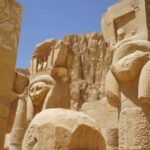
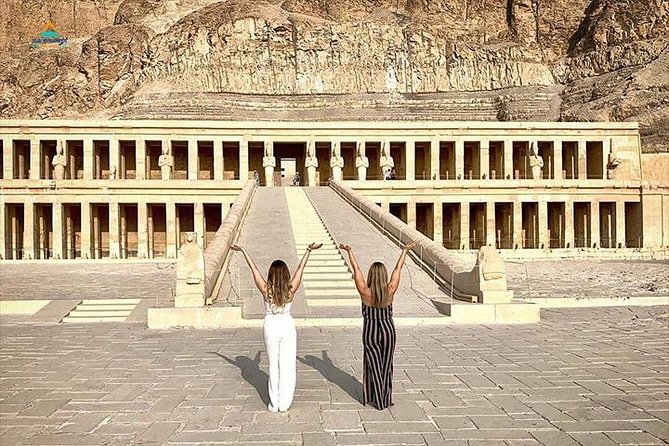
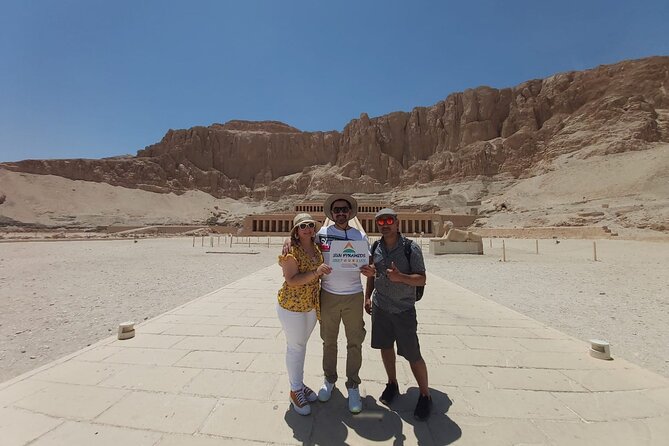
After the Valley of the Kings, you’ll head to the Temple of Hatshepsut at Deir el-Bahari, again about 1 hour with admission included. This stop is special because it’s not just a temple you walk through—it’s a setting built for impact.
Hatshepsut is one of the most compelling figures connected to Luxor. She was the daughter of Thutmosis I, ruled for around 20 years during the 18th Dynasty (approximately 1490–1469 B.C.), and is noted as the only pharaonic woman who reigned ancient Egypt. Your guide should help translate that importance into something you can actually picture—why the architecture and placement mattered, and how her reign fits into the larger flow of dynastic history.
The Deir el-Bahari location also gives you a strong sense of theater. Even if you’re not a “temple person,” this is the kind of site where you understand the ambition immediately. And because your time here is scheduled, you’re not stuck spending hours and hours drifting through rooms while the rest of the day collapses.


Colossi of Memnon: a quick pass with big-scale presence
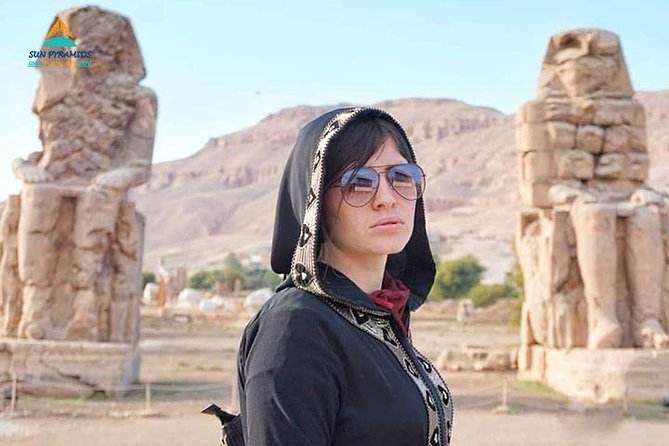
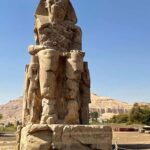
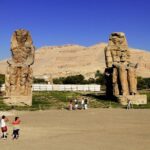
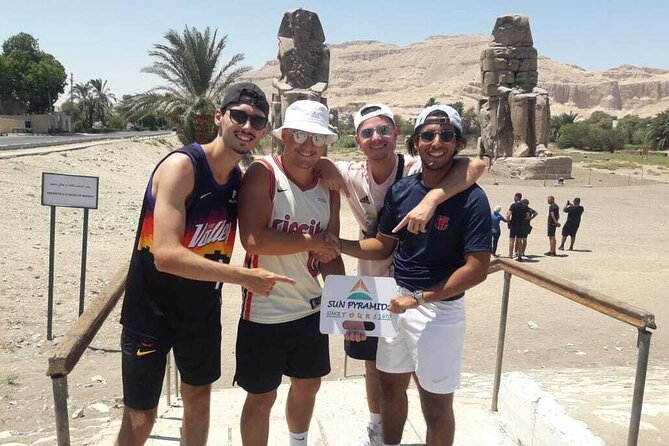
Next up is a drive-by at the Colossi of Memnon. You won’t spend a full stop here, but you’ll pass by them, and your guide can connect them to their larger origin: they’re the remains of the mortuary temple of Amenhotep III.
This is one of those moments where short-and-satisfying works well. You get to see the scale, make the mental link to Amenhotep III’s legacy, and then move on before you lose time. If you love archaeology and visual cues, you’ll enjoy how quickly a few statues can tell a bigger story about what used to exist on this site.
Karnak Temple and Luxor Temple: why this East Bank pairing works
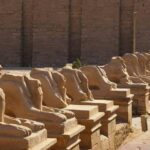
After returning to the East Bank, you’ll enjoy lunch at a local restaurant before continuing to Karnak Temple. Karnak is the real heavy hitter, with about 2 hours on the site, and admission included.
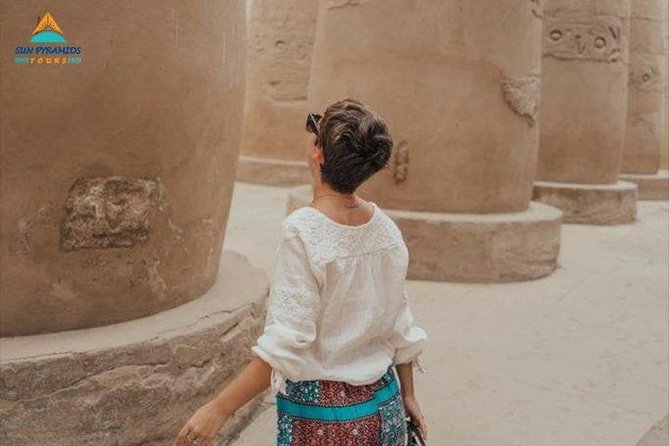
Karnak is dedicated to Amon and also tied to his family—Mut and Khonsu. That matters because it helps you interpret what you’re looking at. You’re not just seeing “big ruins.” You’re walking through a place designed for worship, where the scale reflects the importance placed on ritual and royal support.
This is where a good guide really makes the day. Guides on this route are often praised for being strong with storytelling and explanations, which helps turn architecture into meaning. Instead of trying to read every inscription yourself (not realistic in a day), you get the parts that connect the temple sections into a coherent picture.
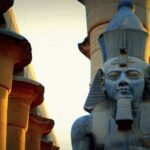
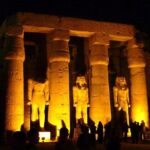
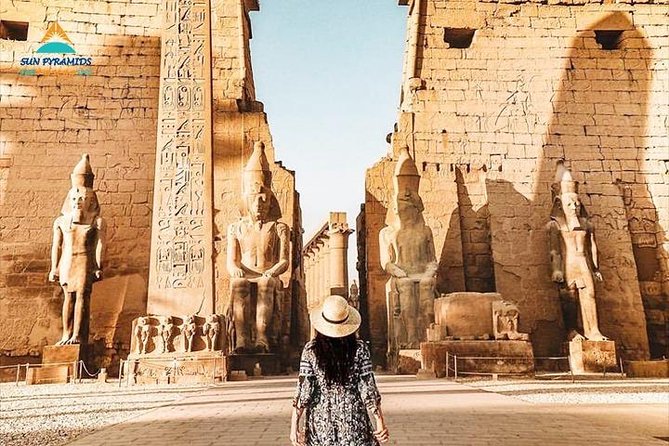
Then comes Luxor Temple, your final major site with about 1 hour there. You’ll learn that it was built by Amunhotep III in the 18th Dynasty and later completed by Ramesses II during the 19th Dynasty. That Amunhotep III to Ramesses II link is a satisfying “time bridge,” because you can see Luxor Temple as both a continuation and a statement by later rulers.
Even if you’re not chasing perfect photo angles, Luxor Temple tends to feel like a good finale. It’s closer to town than many West Bank locations, so the mood often feels less “burial valley” and more “royal city temple.”
Lunch break and bottled water: small comforts that matter
Lunch is included at a good quality restaurant, and bottled water is provided in the vehicle. It may sound minor, but it’s a real quality-of-day difference. You won’t be hunting for food under time pressure, and you can rely on a scheduled break after you finish the first cluster of sites.
I also like that lunch happens between Karnak travel phases. That makes the East Bank portion flow better—temples first, then lunch, then temples again—rather than losing your energy right when you want to focus.
Transfers, timing, and how a typical day feels
The tour is listed as about 8 hours. One reported day ran from around 7:30 to roughly 17:00, which gives you a sense of how full it is. It’s not a casual afternoon stroll. You’ll be on the move, and you’ll want to treat it like your main Luxor day.
Because this is private, the pace can be shaped around your group. In the feedback for this operator, guides are repeatedly described as professional and on time, with strong story delivery and sometimes an ability to customize the experience at a comfortable pace. That’s the difference between checking boxes and actually enjoying what you’re seeing.
Who should book this East & West Bank day tour
This is a smart fit if:
- You want one-day coverage of Luxor’s absolute top hits
- You’re traveling with a group that would benefit from a private guide
- You like knowing what you’re looking at, not just moving between photo stops
- You want the East Bank and West Bank in a single, well-structured day
It might not be the best fit if:
- You specifically care about seeing only one tomb in the Valley of the Kings and want extended time there (the Valley of the Kings portion is about 1 hour)
- You know you want Tutankhamen’s tomb and don’t want any extra ticket payments at all (that entry is not included)
- You struggle with stairs, given the Valley of the Kings involves lots of steps
Should you book this one-day Luxor East & West Bank tour?
I’d book it if you’re the type of traveler who wants your Luxor day to feel complete. The included admissions for the major stops, the hotel pickup/return, lunch, and private vehicle support make it a good value package—especially when you compare it to piecing everything together yourself.
If Tutankhamen’s tomb is your top priority, plan for the extra ticket and ask your guide how to manage tomb selection efficiently. And pack for walking—comfortable shoes are not optional on the West Bank.
Overall, this is the kind of day that helps you get your bearings fast in Luxor: West Bank funerary power, then East Bank worship architecture, then an ending at Luxor Temple that ties the story together.
FAQ
Is pickup from my Luxor hotel included?
Yes. Pickup services from your hotel in Luxor and return transfer are included.
How long is the tour?
The tour runs for approximately 8 hours.
Is this tour private?
Yes. It’s a private tour/activity, and only your group participates.
What’s included besides entry tickets?
Included items are private air-conditioned transfers, a private tour guide, lunch at a good quality restaurant, bottled water on board, and all service charges & taxes.
Which sites have admission tickets included?
Admission tickets are included for the Valley of the Kings, Temple of Hatshepsut at Deir el Bahari, Karnak Temple, and Luxor Temple.
Is the Tutankhamen Tomb ticket included?
No. Entry ticket to Tutankhamen Tomb is not included.
Are there any extras I should expect to pay for?
Extras not mentioned in the itinerary and tipping are not included.
Do I get a ticket on my phone?
Yes. Mobile ticket is listed as a feature.
What kind of transportation will I use?
All transfers are by a private air-conditioned vehicle.
Can I cancel for a full refund?
Yes, free cancellation is available. You can cancel up to 24 hours in advance for a full refund; within 24 hours, the amount paid isn’t refunded.