REVIEW · LUXOR
Tour to the East Bank in Luxor
Book on Viator →Operated by Nile Cruisess · Bookable on Viator
Ancient stones, big stories, and zero guesswork. This East Bank tour is a practical way to hit Karnak Temple and Luxor Temple in one efficient run, with transportation and tickets handled for you. It’s the kind of tour where the guide’s explanations actually change what you notice—especially at Karnak, where size alone can feel unreal.
I like two things most. First, you get round-trip hotel pickup and a real guide, which cuts the stress that comes with navigation and ticket lines. Second, the focus stays tight: two major temples with enough time to slow down and understand what you’re looking at, not just rush through photo stops.
One consideration: since this is a half-day on the East Bank, it won’t cover the rest of Luxor’s major sites. If you’re hoping to add Valey of the Kings or other big-ticket stops, you’ll likely need a separate day.
In This Review
- Key things that make this East Bank tour worth your time
- Luxor’s East Bank in 4 hours: what you can realistically expect
- Karnak Temple: the 1500-year New Kingdom heart of Egypt
- Luxor Temple: why the modern city and the Nile both matter
- Private guide energy: flexibility without losing momentum
- Transfers and included admission: where the $25 value actually comes from
- Your East Bank day flow: a simple plan that keeps you sane
- Who should book this East Bank tour (and who should skip it)
- Should you book the East Bank tour?
- FAQ
- What sites are included on the East Bank tour?
- How long is the tour?
- Is hotel pickup and return included?
- Are admission fees included in the price?
- Is this a private tour?
- Is the transportation air-conditioned?
- Can I cancel for a full refund?
Key things that make this East Bank tour worth your time
- Karnak’s New Kingdom scale: a temple complex that grew over 1500 years and served multiple roles beyond religion.
- Luxor Temple’s great preservation: carved statuary and reliefs you can actually read at a human pace.
- Hotel pickup + air-conditioned transfers: comfort matters when you’re doing temples in Luxor heat.
- A private setup: only your group, so you can move at a sensible tempo.
- Admission fees included: no surprise ticket budget when you arrive.
Luxor’s East Bank in 4 hours: what you can realistically expect
This is a half-day plan, designed for maximum impact without turning your schedule into a sprint. You’ll typically spend your time between Karnak on the northern side of Luxor and Luxor Temple closer to the modern city, with driving time folded in.
The real payoff is how the two stops complement each other. Karnak shows you power and religious life on a massive stage, while Luxor Temple feels more “alive” because it sits right where modern Luxor has grown up around it. Together, they give you a strong sense of why Thebes (ancient Luxor) mattered so much.
If you want a temple day that feels organized—pickup, transfers, admission, and a guide who ties details together—this kind of format works well.
You can also read our reviews of more tours and experiences in Luxor.


Karnak Temple: the 1500-year New Kingdom heart of Egypt
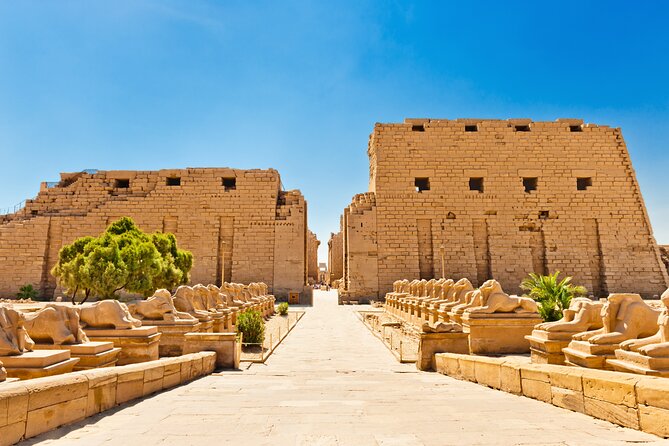
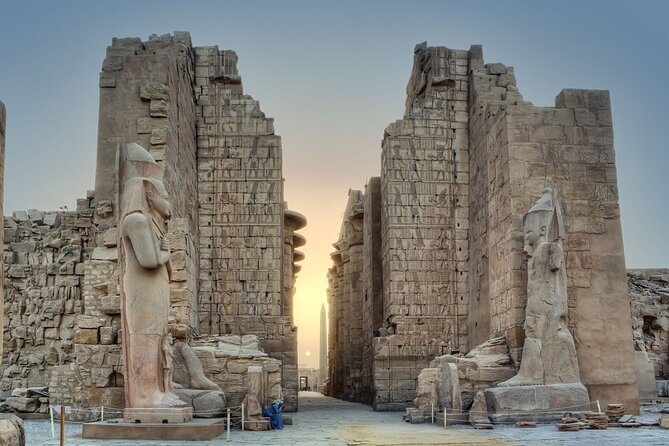
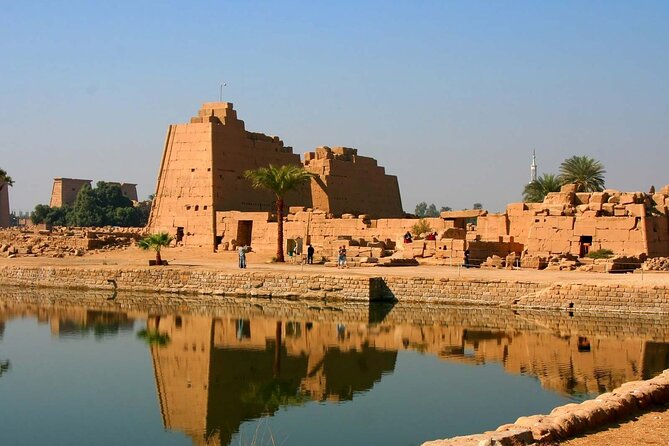
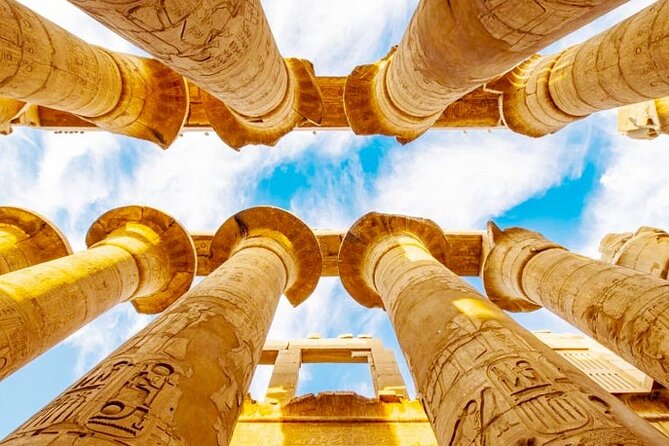
Karnak isn’t just big. It’s big in a way that changes your brain’s sense of proportion. This complex was tied to the New Kingdom and it functioned as the religious center when power was concentrated at Thebes (today’s Luxor). It also wasn’t limited to worship—it acted as a treasury, an administrative center, and even a palace space for New Kingdom pharaohs.
What I love about going with a guide here is that the scale stops being random. Karnak developed over about 1500 years, with pharaoh after pharaoh adding temples, sanctuaries, pylons, and decorations. When you understand that it’s a centuries-long project, you start seeing it as a historical document you can walk through.
Practical note: Karnak can feel like a maze if you’re trying to figure everything out on your own. With a guide, you’re not just looking at stones—you’re learning what each area was for and how the complex worked as a whole.
Luxor Temple: why the modern city and the Nile both matter
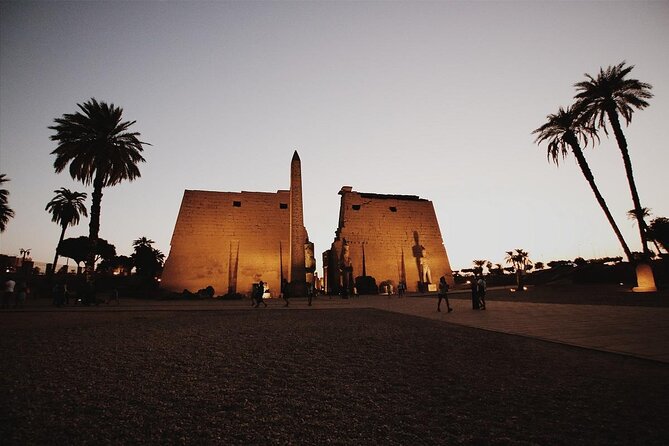
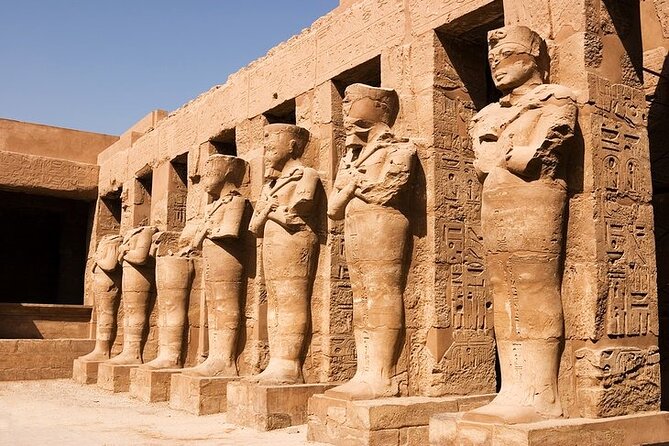
After Karnak’s vastness, Luxor Temple feels like the next chapter—more contained, often easier to absorb, and packed with visible detail. It’s one of the best-preserved temples in the Luxor area, with structure, statuary, and relief carvings still intact.
Here’s the part that really hits: Luxor Temple sits in the modern city of Luxor, built on the ancient site of Thebes. On one side you have the modern urban world, and on the other you have the Nile drifting by. That contrast makes the long timeline of Egypt feel immediate, not academic.
And yes, Luxor Temple is also the reason Luxor earns the nickname World’s Largest Outdoor Museum. You’re not trapped inside a building with glass cases—you’re in the open air, with the carvings and layout doing their work without needing a single extra explanation from you.
If you’ve ever looked at photos and wondered why people keep calling Luxor spectacular, this is where it becomes obvious.
Private guide energy: flexibility without losing momentum
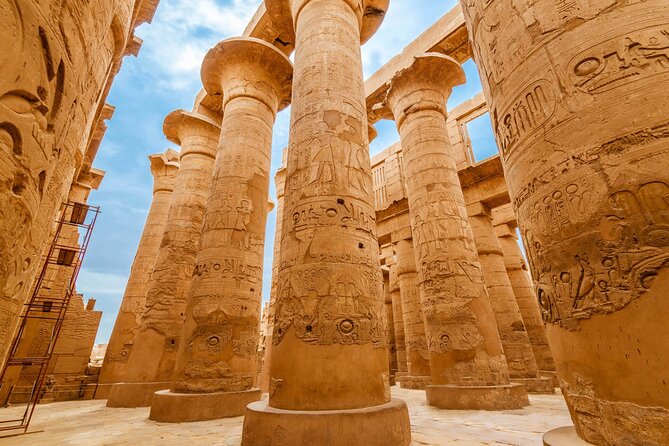
This is a private tour, meaning it’s only your group. That changes the vibe. Instead of getting swept along at whatever pace a larger bus group needs, you can slow down when something catches your eye—or spend a little extra time if a question turns into a mini lecture.
The guide quality is a major theme in the feedback. Names that have come up include Mohammad, Mo Noor, Abdelrahman, Mohamed, and Abdel (spelled a few ways across reviews). Multiple guests praised guides for being prompt, patient, and genuinely invested in Egypt’s history. One guest even noted a guide with advanced academic training in Egyptology who could read hieroglyphs and connect temple scenes to ideas about the afterlife.
You should expect the guide to do the heavy lifting on context: what you’re seeing, why it matters, and how the temple spaces fit into the bigger story of Thebes.
A small but real advantage: one review highlighted that the ride used clean, newer air-conditioned transport. In Luxor heat, that isn’t a luxury—it’s what makes the afternoon feel manageable.
Transfers and included admission: where the $25 value actually comes from
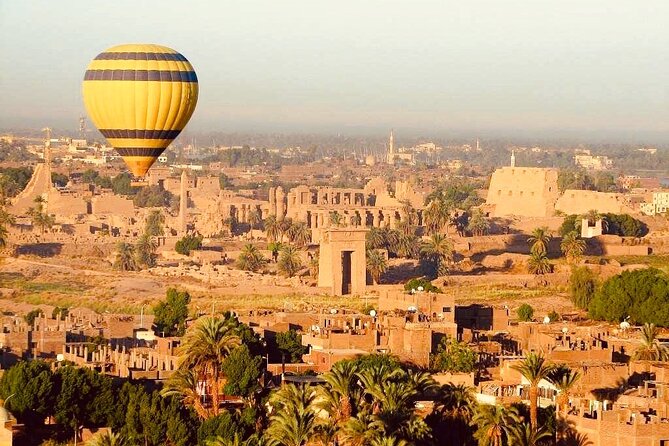
At $25 per person for a roughly 4-hour tour, the headline price looks friendly. But the better way to judge value is to look at what you’re not paying extra for.
This tour includes:
- hotel pickup and return
- air-conditioned transfers
- an expert guide
- entrance fees to the sites listed
- service charges and taxes
When admission is included, you avoid the annoying last-minute moments—like figuring out ticket lines while everyone’s already standing in the sun. And because transfers are included, you don’t have to spend time arranging rides between Karnak and Luxor Temple.
Is $25 always the cheapest thing you’ll see in Luxor? Maybe not. But when you compare it to the cost of two temple entries plus transport and guided interpretation, it starts making sense. You’re paying for convenience and context, not just access to monuments.
The one thing not included is tipping, so budget a tip if your guide made the day feel easier and more meaningful.


Your East Bank day flow: a simple plan that keeps you sane
Think of this tour as a two-stop arc:
1) Karnak Temple first
2) Luxor Temple second
Karnak is the heavier mental lift because of the sheer size and layered history. Luxor Temple tends to feel like the payoff: preserved details, strong layout, and that striking Nile-plus-modern-city setting.
Timing-wise, the tour runs about 4 hours. That’s long enough to see what matters, but short enough that you can still tack on dinner plans or another activity later. If you’re arriving in Luxor for the first time and want a high-impact orientation day, this schedule is a good fit.
One tip from a recent comment: if you return for more, consider walking along the Sphinx Avenue toward Luxor Temple. That idea isn’t part of what’s described here, but it’s an example of how people use their remaining time to extend the story of the site.
Who should book this East Bank tour (and who should skip it)
This tour is a smart match if you:
- want Karnak and Luxor Temple with minimal friction
- like explanations that help you understand what you’re seeing
- prefer a private group pace over a bus-group sprint
- are trying to make the most of limited time in Luxor
You might skip it if your priority is doing several additional Luxor landmarks in one day. Since this focuses on only these two temples, it won’t satisfy someone looking for a full “everything in Luxor” checklist.
Also, if you’re the type who loves studying independently with no guide at all, you might feel the experience is too structured. But most people come to Egypt specifically because they want help reading what’s in front of them.
Should you book the East Bank tour?
I think you should book it if you value included tickets and hotel pickup, and you want a guided day that stays focused on two of Luxor’s most important sites. For the money, the structure saves time, and the guide support turns the temples into something you can actually understand.
If you’re in Luxor for a short visit, this is the kind of half-day that gives you a strong foundation. Karnak gives you the scale and history. Luxor Temple gives you the preservation and the setting. Together, they help Luxor feel like one story instead of two separate photo stops.
FAQ
What sites are included on the East Bank tour?
The tour includes two stops: Temple of Karnak and Luxor Temple, with admission tickets included for both.
How long is the tour?
The tour is listed as approximately 4 hours.
Is hotel pickup and return included?
Yes. Pickup from your hotel in Luxor and return transportation are included.
Are admission fees included in the price?
Yes. Entrance fees to the mentioned sites are included, along with service charges and taxes.
Is this a private tour?
Yes. It’s a private tour/activity, so only your group participates.
Is the transportation air-conditioned?
The transfers are included by air-conditioned vehicle.
Can I cancel for a full refund?
Yes. You can cancel up to 24 hours in advance for a full refund.