REVIEW · LUXOR
Tour To karnak and Luxor temple from Luxor
Book on Viator →Operated by Booking2Egypt · Bookable on Viator
Karnak and Luxor in one tidy half day. I like that this tour pairs Karnak Temple (the big worship center tied to Amon, Mut, and Khonsu) with Luxor Temple (built by Amunhotep III and finished by Ramesses II), so you see both the mega-scale and the more intimate layout without bouncing around. I also love the way the guides stay close and focused once you’re picked up, including standout storytelling from guides like Ahmed Abdel Aziz and Mostafa/Mustafa. The only real catch is time: 4 to 5 hours goes fast, so if you want to linger for photos or sit down for a slower read, you’ll feel a bit of pressure.
From the moment you meet your Booking2Egypt guide holding a sign, the plan is simple: hop in an air-conditioned vehicle, get thoughtful guidance on the drive, then walk the temple grounds with entrance tickets taken care of. You’re back at your hotel afterward, which matters in Luxor, where the heat and sun can turn a long day into a short fuse.
If you’re going during peak sun hours, wear sunscreen and plan for walking on uneven stone. Even with a smooth schedule, temples are temples—expect stairs, large courtyards, and plenty of standing around staring upward.
In This Review
- Key things I think you’ll enjoy
- Meeting your guide and getting moving without headaches
- Karnak Temple: where worship turns into an architectural marathon
- What you’ll take away here
- A reality check for your legs
- Luxor Temple: Amunhotep III, Ramesses II, and the Theban triad
- The Theban triad shows up in the story
- How the half-day timing keeps things enjoyable
- Price and value: what you’re really paying for
- What to bring (and how to make the day easier)
- Who this tour suits best
- Should you book this Luxor Karnak and Luxor Temple tour?
- FAQ
- How long is the Karnak and Luxor Temple tour?
- Is hotel pickup and return included?
- Are entrance fees included for Karnak and Luxor Temple?
- Do I need to pay for the guide separately?
- Is this tour private?
- Can I cancel for a refund?
Key things I think you’ll enjoy
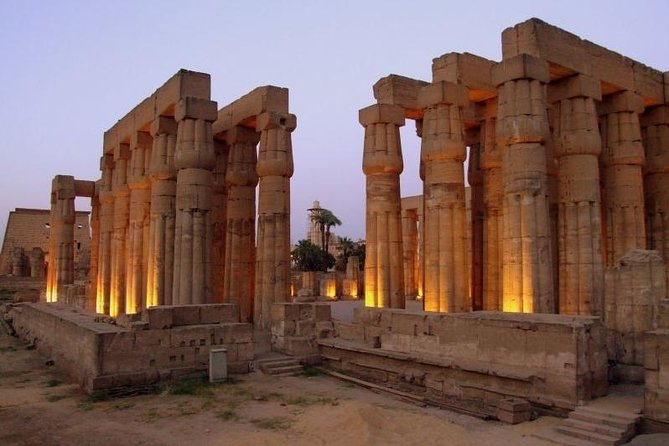
- Two iconic temple stops: Karnak’s vast worship complex plus Luxor Temple tied to the Theban triad (Amun-Ra, Mut, Khonsu)
- Real guide time: your guide gives full attention from pickup through both sites, with helpful historical context
- Admission included: entrance fees are covered for the stops on the program
- Comfort-focused transit: all transfers by air-conditioned vehicle with hotel pickup and return
- Simple, low-stress format: private tour means only your group participates
- A chance to keep learning: guides often connect columns, obelisks, and carvings into a bigger story
Meeting your guide and getting moving without headaches
This tour starts with a practical perk: hotel pickup in Luxor, with a guide from Booking2Egypt waiting for you and holding a sign. You don’t have to hunt around or play phone-tag—your guide finds you. Once you’re in the car, you’ll have a built-in buffer of comfort and orientation while the guide talks through what you’ll see and how the sites connect.
That small “start strong” moment matters. Luxor can feel like a lot of stone and signage on your first day. Having someone explain what to look for before you step into the courtyards helps you get your bearings fast—especially at Karnak, where the scale can trick your brain into thinking you’re always walking in circles.
You’ll also have the advantage of a private setup (only your group participates). That means you can move at a pace that fits you, instead of waiting for a large crowd to shuffle forward.
You can also read our reviews of more tours and experiences in Luxor.


Karnak Temple: where worship turns into an architectural marathon
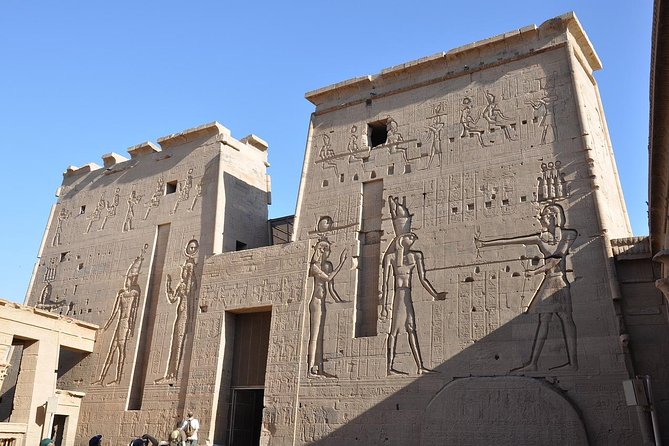
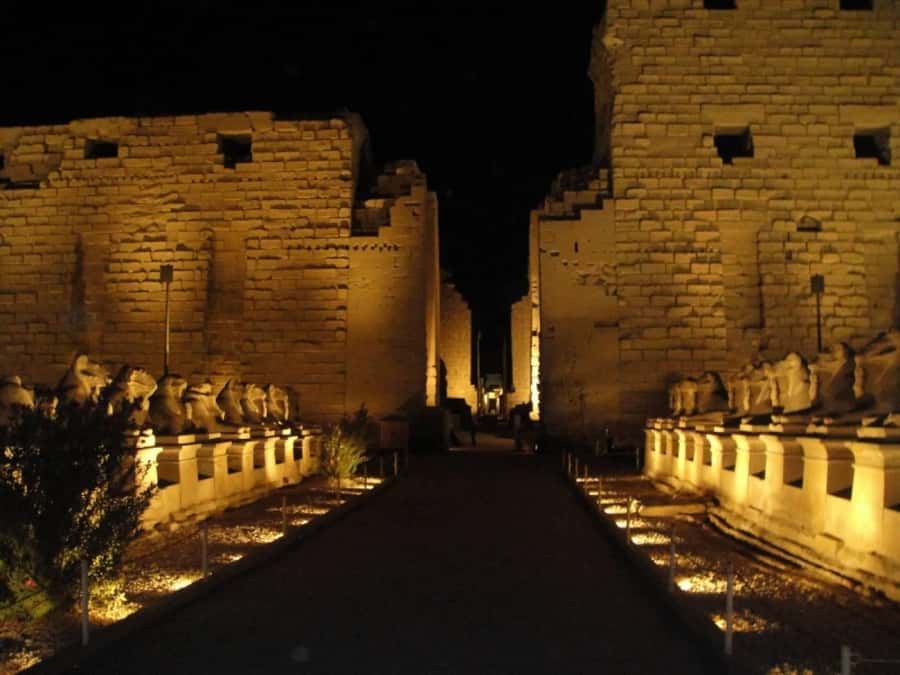
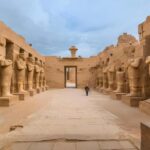
Stop one is Karnak Temple, and it earns the attention. This is dedicated to Amon, along with Mut (his wife) and Khonsu (their son). The complex spans a long construction story, built from the beginning of the Middle Kingdom through to the Graeco-Roman period. In plain terms: you’re not just seeing one temple. You’re seeing layers of time in one continuous sacred space.
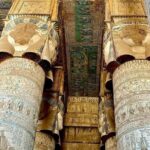
Karnak is often described as one of the world’s great temple sights, and the reason is visible fast: the place is huge, and the stonework is relentless. Even if you’re not a “stand and study carvings” person, you’ll still feel it when you’re inside. Massive columns, carved walls, and broad ceremonial areas make the site feel like a whole civilization practicing its beliefs in stone.
What you’ll take away here
I like that the tour doesn’t treat Karnak like a quick photo stop. With about 3 hours allocated, you can actually absorb the layout—how the site is organized, what major spaces are for, and how devotion shaped the architecture over centuries.
If a guide like Ahmed Abdel Aziz is on your schedule, you’ll likely get the kind of explanations that connect the details: why certain parts matter, how kings and priests used the complex, and how to interpret what you’re seeing without needing a textbook.
A reality check for your legs
Here’s the main consideration at Karnak: it’s a lot of walking and standing. The stones can be uneven, the courtyards open and sunny, and the scale invites you to keep looking up. If you’re sensitive to heat, go prepared—more on that later.
Luxor Temple: Amunhotep III, Ramesses II, and the Theban triad
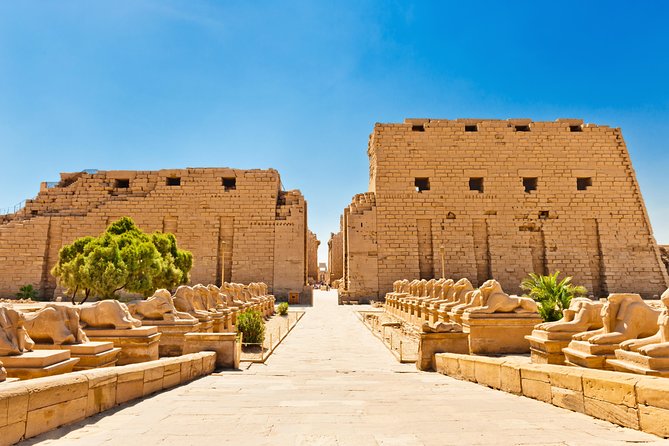
After Karnak, you head to Luxor Temple. This site feels different right away. Karnak is monumental and sprawling; Luxor Temple is more focused, with key landmarks that help you build a mental map.
Luxor Temple was built by Amunhotep III in the 18th Dynasty, then completed by Ramesses II in the 19th Dynasty. Ramesses II is one of the most recognizable pharaoh names, and it’s useful context here: he ruled for about 67 years, long enough to leave major marks across Egypt’s monumental sites.


The Theban triad shows up in the story
The temple is dedicated to the great god Amun-Ra, along with Mut and Khonsu, meaning you get another chance to understand the Theban triad’s role in royal and religious symbolism.
One highlight called out in the visit is the Obelisk of Ramses II in front of the 1st Pylon. Obelisks can look “just tall stone” from afar, but up close they help you read the site’s structure. When you know it’s the same king tied to such a long reign, the monument feels less random and more intentional.
Luxor Temple is allocated about 1 hour on this tour. That’s enough to see the main features and get the story, but not enough to linger like you might at Karnak.
How the half-day timing keeps things enjoyable
This is a 4 to 5 hour experience overall, with entrance included at both stops. The schedule is built around a classic strategy: hit Karnak for deep attention, then finish at Luxor Temple before the day’s energy drains.
That structure works especially well if it’s your first Luxor day. You get the “wow” concentration of Karnak plus the satisfying payoff of Luxor Temple, without spending your whole day in a heat-and-hustle marathon.
It also helps that the transport is planned. You’re not figuring out buses, routes, or where to stand. You’re back at your hotel after the tour. In Luxor, that matters because once you’ve seen temples, you still want energy for supper, a walk along the river (if time allows), or at least a decent shower before you call it a night.
Price and value: what you’re really paying for
The price is $72.38 per person, and the best value angle isn’t the sticker. It’s what’s included.
Here’s what’s covered:
- Hotel pickup and return
- Air-conditioned vehicle transfers
- Expert tour guide
- Entrance fees to the mentioned sites
So you’re paying for three key things that cost time and stress if you do it on your own: transportation, guided context, and admission.
A private tour usually costs more than a basic shared option, but here you get the benefit of only your group participating. For families, friend groups, or anyone who wants a guide who can answer questions without repeating themselves, the added cost can feel more justified than it first appears.
Tipping isn’t included, so budget a little extra if you want to reward great guidance.
What to bring (and how to make the day easier)
The tour itself handles the big logistics, but you still control how comfortable you feel.
Bring:
- Sunscreen and a hat (temples mean open sun areas)
- Water (staying hydrated is the difference between enjoying stone and just surviving it)
- Comfortable shoes with grip (stone floors and curb edges are real)
- A light layer if you’re sensitive to AC in the car afterward
Also, think about your photo habits. Karnak rewards slow looking, but your schedule is a half day. Pick a few “must-capture” spots—like the major columns and the most recognizable ceremonial areas—then let the rest be about noticing details with your guide’s explanations.
Who this tour suits best
This is a good match if you:
- Want two major Luxor temple experiences without spending your day planning
- Prefer a guide who explains what you’re seeing, including the roles of Amon, Mut, and Khonsu
- Like the comfort of hotel pickup/return and air-conditioned transport
It’s also a solid choice if you’re traveling with someone who wants history but not a museum lecture. The sites are visually powerful, and the guide helps translate what you’re seeing into something you can actually understand.
If you’re the type who wants to sit and read every carving for an hour straight, you might find the tempo tight—especially the Luxor Temple stop.
Should you book this Luxor Karnak and Luxor Temple tour?
I’d book it if you want a smooth, guided half day with entrance fees handled and a focused route through two of the area’s most important temple sights. The combination of Karnak’s vast worship story and Luxor Temple’s royal connections—especially the presence of Ramesses II and the Obelisk of Ramses II—is a strong way to spend limited time in Luxor.
Skip it (or consider adjusting your expectations) if you’re hoping for a slow, unhurried stroll where you never feel time pressure. This is designed for getting a lot of meaning out of a short window, not for marathon wandering.
If you’re flexible and ready to walk, you’ll leave with a clearer picture of how Egyptian worship and royal power shaped these places—one monumental complex after another.
FAQ
How long is the Karnak and Luxor Temple tour?
The tour runs about 4 to 5 hours total. Karnak Temple is listed at about 3 hours, and Luxor Temple about 1 hour.
Is hotel pickup and return included?
Yes. The tour includes pickup from your hotel in Luxor and return after the visit.
Are entrance fees included for Karnak and Luxor Temple?
Yes. Entrance fees to the mentioned sites are included, and both stops list admission ticket included.
Do I need to pay for the guide separately?
The tour includes an expert tour guide. Any extras not mentioned in the program are not included, and tipping is not included.
Is this tour private?
Yes. It’s private, so only your group participates.
Can I cancel for a refund?
Yes, free cancellation is available. You can cancel up to 24 hours in advance for a full refund.