REVIEW · CAIRO
12 Days Cairo – Alexandria and Nile Cruise by Flight (Ancient Egypt)
Book on Viator →Operated by Luxor and Aswan Travel · Bookable on Viator
Egypt comes with a built-in pace. This private 12-day loop pairs a private Egyptologist guide with domestic flights, hotels, and a Nile cruise, so the big ancient sights line up without you juggling schedules. You also get meet-and-assist support on arrival and departure in Cairo, which matters on a first trip.
I like how much of the trip is covered up front: most meals are included (breakfast nearly every day, plus several lunches and dinners), and you’re moved by private air-conditioned vehicles. I also like the way the plan spreads ancient Egypt across different “zones” of the story, from Giza and Saqqara to Luxor/Aswan temples, then into Alexandria’s Greco-Roman era.
One consideration: this is not a slow wander. You’ll stack major sites across long days, including a full Abu Simbel excursion, so if you prefer downtime, build in your own breaks where the schedule leaves room.
In This Review
- Quick hits if you want the short version
- Why this 12-day Cairo to Alexandria loop feels manageable
- Day 1 in Cairo: arrival support that keeps you from starting on hard mode
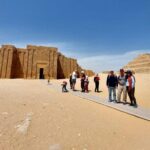
- Day 2: Giza pyramids plus Saqqara’s Step Pyramid
- Day 3: Egyptian Museum, mummies’ room, Citadel, and Khan el Khalili
- Day 4: Fly to Luxor and get the East Bank temples in full focus
- Day 5: Valley of the Kings, Hatshepsut at Deir el Bahari, and Colossi of Memnon
- Day 6: Edfu’s Temple of Horus, Kom Ombo’s twin-god layout, and sailing time
- Day 7: Abu Simbel by private van for a full Ramses II day
- Day 8: Aswan High Dam, Philae at Agilkia Island, and the Unfinished Obelisk
- Day 9: Alexandria Library, Roman Amphitheater, Pompey’s Pillar, and Citadel views
- Day 10: Islamic Cairo and Coptic sights in one well-structured day
- Day 11: A real free day in Cairo
- Day 12: Depart Cairo with private transfer
- Price and value: what your $3,333 is actually buying
- The main trade-offs: when a packed plan becomes a deal-breaker
- Should you book this 12-day Cairo + Alexandria Nile cruise?
- FAQ
- How long is the tour?
- Where does the tour take place?
- Do I get an Egyptologist guide?
- Are domestic flights included?
- Is pickup offered?
- How are meals handled?
- Are entry tickets included?
- Is the tour private?
- Can I request a vegetarian option?
- What is the cancellation window for a full refund?
Quick hits if you want the short version
- Private Egyptology guide on the key days: you’re not just watching monuments—you’re getting explanations tied to what you’re seeing.
- Two domestic flights: Cairo to Luxor, then Aswan back to Cairo, which helps you keep the cruise timeline on track.
- Nile cruise included with real sightseeing days: temple visits are built around the boat’s movement, not tacked on as separate chaos.
- Abu Simbel gets its own long day: Ramses II’s colossal temples are treated as a priority, with a private van transfer.
- Coptic Cairo and Jewish heritage landmarks: Hanging Church, St. Sergius and Bacchus, and Ben Ezra Synagogue appear in the same broader city day.
- Alexandria on the calendar: Alexandria Library, Roman Amphitheater, Pompey’s Pillar, and an outside look at Sultan Qaitbay Citadel.
Why this 12-day Cairo to Alexandria loop feels manageable
Egypt can be exhausting in the wrong setup: too many moving parts, too much waiting, and too little context. This tour is built for a comfortable pace because it handles the big logistics for you—private transfers, domestic flights, and an in-the-flow schedule that links hotels and the Nile cruise.
You’re also not stuck doing only “temples all day.” The plan mixes power-era sights (Cairo’s Citadel and mosques), ancient royal burial sites (Valley of the Kings), and a cultural detour into Alexandria’s Roman/Greek layers. That mix helps the trip feel like a journey through time instead of one long monument checklist.
Price check: at $3,333 per person, you’re paying for a lot of included infrastructure. You’re not just buying tickets to a few places—you’re buying guides, transfers, domestic flights, and a cruise that functions like your floating hotel while daily tours happen on shore.
You can also read our reviews of more boat tours in Cairo



Day 1 in Cairo: arrival support that keeps you from starting on hard mode
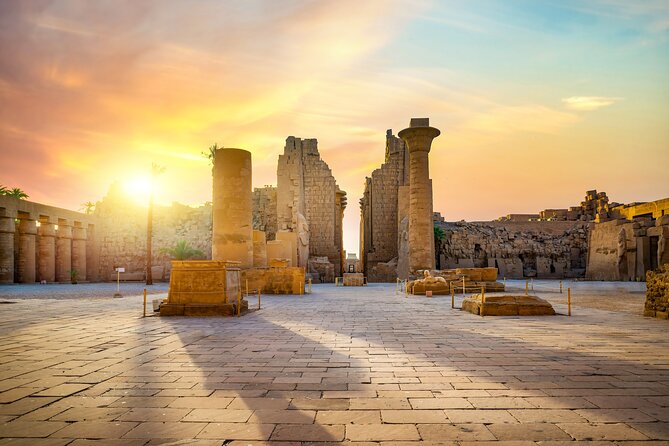
On arrival at Cairo International Airport, you’re met by an English-speaking representative. They handle the formalities and then transfer you to your hotel for overnight.
This matters more than it sounds. On Day 1, you’re still adjusting to time, language, and movement. Having someone waiting for you reduces the usual airport stress and helps you start the trip with your energy intact.
Day 2: Giza pyramids plus Saqqara’s Step Pyramid
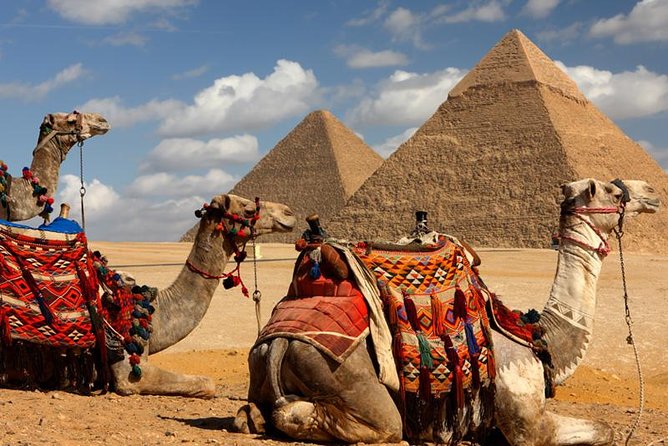
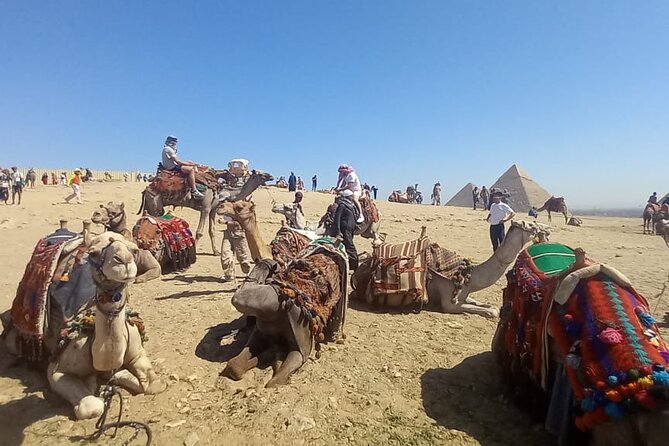
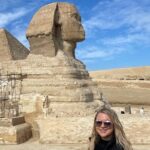
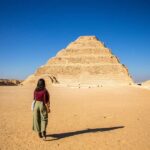
Day 2 is a classic opener: Pyramids of Giza (Khufu, Khafre, Menkaure) plus the Sphinx area. A private English Egyptologist guide leads the visit, then you lunch at a local restaurant. After that, you head to Saqqara for the Step Pyramid of King Djoser.
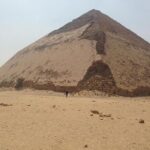
What makes this combo work is the contrast. Giza gives you the famous “pyramid end state,” with three monuments that anchor Egypt’s Old Kingdom ambition. Saqqara shows the earlier idea—the step-style breakthrough—so your understanding of how this architecture evolved feels more grounded.
Practical note: the plan clocks about 8 hours with admissions included on this day. That’s not a quick stop, so wear shoes you’re confident walking in and plan to keep your phone charged for lots of photos.
Day 3: Egyptian Museum, mummies’ room, Citadel, and Khan el Khalili
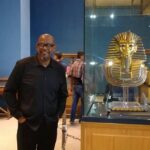
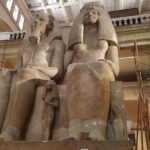
You start with breakfast, then visit the Egyptian Museum with an English Egyptologist. The museum visit includes major Pharaonic collections and time for the Mummies’ Room, which is one of the experiences people find most memorable because you’re seeing bodies preserved from Egypt’s royal past.
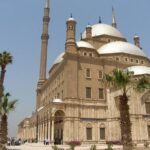
After lunch at a local restaurant, you move into Old Cairo for the Citadel of Salah El-Din, a seat of power used for centuries. You finish the day with Khan el Khalili, one of the Middle East’s well-known bazaars, then return to your hotel for overnight.
This is a strong day if you like context. The museum sets the stage with artifacts and royal history, then the Citadel and Old Cairo give you a sense of how Cairo’s power centers evolved later.
Day 4: Fly to Luxor and get the East Bank temples in full focus
After breakfast you check out and transfer to Cairo Airport for a flight to Luxor. Once in Luxor, you’re transferred by private A/C van to your Nile cruise, with embarkation before noon.
In the afternoon you tour the Karnak Temple Complex on the East Bank—described as the largest structures built in human history—and then you add Luxor Temple, linked to Amun Re and associated with rulers including Ramses II. You return to the ship, where dinner is served and an Egyptian folkloric show is scheduled.
The way Day 4 is structured helps you settle into the Nile phase. You’re not rushing to ten temples in two hours—you’re anchored in the biggest complexes first, then you have the evening set up by the cruise.

Day 5: Valley of the Kings, Hatshepsut at Deir el Bahari, and Colossi of Memnon
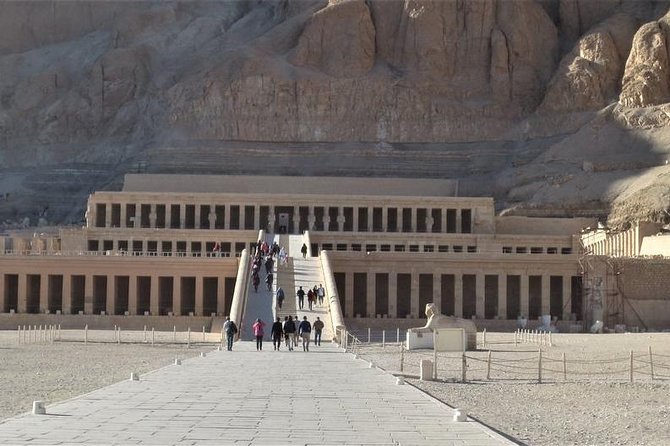
After breakfast on the cruise, you head out to explore the West Bank of Luxor: the Valley of the Kings, known as the royal cemetery for Theban rulers. Then you visit the Temple of Hatshepsut at Deir el Bahari, carved into the mountain, followed by the Colossi of Memnon.
You return to the ship for lunch, then enjoy free time on the afternoon, with dinner and overnight aboard.
If you care about “how burial and power worked,” this is one of the best days in the whole plan. Valley of the Kings gives you the royal burial logic, while Hatshepsut’s temple shows how a ruler used monumental design to project legitimacy. Colossi of Memnon adds a big visual reminder of scale.
Day 6: Edfu’s Temple of Horus, Kom Ombo’s twin-god layout, and sailing time
Your day begins with breakfast on board, then you visit Temple of Horus in Edfu, noted as one of Egypt’s best-preserved temples. Afterward, you return to the ship, then sail toward Kom Ombo.
In the afternoon you tour the Temple of Kom Ombo, associated with worship of Sobek and Haroeris. Lunch is served on board, with time to watch the Nile from the sun deck. Dinner and overnight continue as you sail on toward Aswan.
This day is about rhythm. The schedule builds in cruising time so the temples don’t feel like your whole day every day. You’re still seeing major sites, but you’re not burning out between transfers.
Day 7: Abu Simbel by private van for a full Ramses II day
Breakfast is on board, and then you transfer by private A/C van to Abu Simbel. This is one of the longest special excursions in Egypt, and this plan treats it that way: the drive is about 3 hours by car (one way), and the day is listed at about 8 hours total.
At Abu Simbel, you tour the temples built by Ramses II. The plan specifically calls out:
- the larger temple dedicated to the god Rahorakhty
- the smaller temple dedicated to Ramses II and Queen Nefertari
After the tours, you drive back toward Aswan.
This is a “make or break” experience for many people visiting Egypt. If you want to check the most dramatic monumental portraits off your list, this day earns its place.
Day 8: Aswan High Dam, Philae at Agilkia Island, and the Unfinished Obelisk
You start with breakfast on board, then tour Aswan High Dam, erected in 1960 to protect Egypt from Nile flooding.
Next comes Agilkia Island via motor boat, where you visit the Temple of Philae, dedicated to goddess Isis in the Gaeco-Roman period (as described in the plan). Then you see the Unfinished Obelisk, carved from red granite and dedicated to Amun Ra.
After the tours, you head to Aswan Airport for a flight back to Cairo, then transfer to your Cairo hotel for overnight.
What’s nice here is the mix. High Dam connects to modern Egypt’s relationship with the river, while Philae and the unfinished obelisk bring you back into older craftsmanship and religious focus.
Day 9: Alexandria Library, Roman Amphitheater, Pompey’s Pillar, and Citadel views
Day 9 shifts you away from the Nile loop and into Alexandria. After breakfast at your hotel, you tour with an Egyptologist guide, beginning at Alexandria Library.
Then you visit:
- Roman Amphitheater
- Pompey’s Pillar
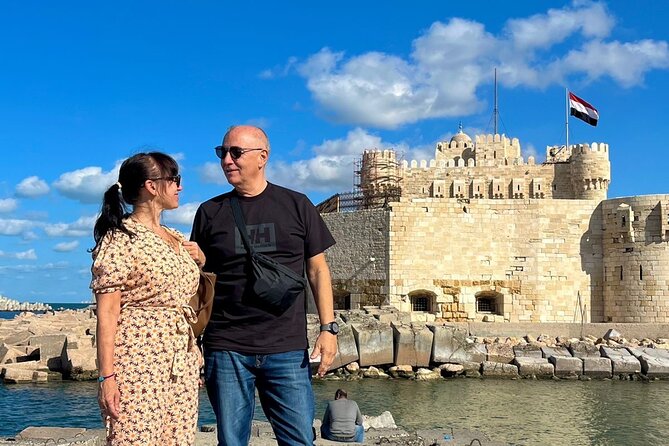
- and Sultan Qaitbay Citadel (from outside)
After lunch at a local restaurant, you head back to Cairo for overnight.
This day is worth it because it prevents “only Pharaonic Egypt” tunnel vision. Alexandria’s Greco-Roman layers add a different kind of historical weight, and the Library stop gives you a sense of knowledge and scholarship, not just royal power.
Day 10: Islamic Cairo and Coptic sights in one well-structured day
This is one of the most interesting days because it traces multiple faith and cultural strands in Cairo in a logical order.
You begin with Islamic landmarks:
- Ahmed Ibn Tulun Mosque (called the oldest intact, functioning Islamic monument in Cairo in the plan)
- Mosque of Sultan Hassan
- El Refa’i Mosque
Then lunch at a local restaurant.
After that you shift into the Coptic/Jewish heritage axis:
- Hanging Church (The Church of the Virgin Mary)
- Church of St. Sergius and Bacchus
- Ben Ezra Synagogue (listed as Egypt’s oldest and dating to the 9th Century)
This sequence helps the day feel like more than a grab bag. You’re not just checking buildings; you’re connecting Cairo’s religious architecture across periods.
Day 11: A real free day in Cairo
Day 11 is intentionally light: breakfast at your hotel, then free time at leisure in Cairo.
This is where you can do what the schedule doesn’t allow. Maybe you revisit a favorite street, buy gifts at a calmer pace, or simply take a break after days packed with long museum and temple blocks.
Day 12: Depart Cairo with private transfer
After breakfast and check out, a representative transfers you to Cairo International Airport for final departure.
It closes the loop cleanly: you started with meet-and-assist at arrival, and you end with the same kind of support.
Price and value: what your $3,333 is actually buying
At $3,333 per person, the number can look big until you break down what’s included.
What you get covered (from the tour package details):
- English-speaking representatives for meet-and-assist
- Private Egyptology tour guidance
- Private air-conditioned vehicles for transfers
- Domestic flights: Cairo–Luxor and Aswan–Cairo
- Nile cruise accommodation plus scheduled meals
- Mineral water and soft drinks during tours, plus bottled water
- A set of included lunches/dinners/breakfasts (breakfast 11 times, lunches 8 times, dinners 4 times)
What’s not included:
- Entry visa to Egypt
- Tipping kitty
- Optional tours, if you decide to add extras
Here’s the value math I use: when a tour includes flights, private guides, and a cruise “base” in the middle of your sightseeing, it usually costs less than trying to assemble it yourself—and you avoid the worst part of Egypt travel: the coordination burden.
The main trade-offs: when a packed plan becomes a deal-breaker
This is a strong choice for people who want structure. But the schedule can feel dense because many days include multiple major stops and travel time between zones.
The biggest example is Abu Simbel, where the plan builds in a private van drive and a full day dedicated to Ramses II’s temples. If you’re sensitive to long travel days, that’s where you’ll feel it most.
Also, the Cairo days stack a lot of major sites. Day 10 alone mixes Islamic landmarks with Coptic and Jewish heritage stops, plus you have lunch in the middle. That’s great if you like variety, but it’s not the day for a slow pace.
Should you book this 12-day Cairo + Alexandria Nile cruise?
You should seriously consider booking if:
- You want private Egyptology guiding across the headline sites.
- You prefer a package that handles domestic flights so the schedule stays coherent.
- You like mixing ancient Egypt with Cairo’s religious history and a full day in Alexandria.
- You’d rather not spend time planning the “how do we get there” part.
You might think twice if:
- You’re the type who needs lots of downtime each day.
- You expect a trip that feels mostly relaxed; this plan has long, active sightseeing blocks built in.
Based on the included flights, the guided days, and the fact that you’re not only seeing monuments but also moving through different eras with context, I’d call this a solid value for a first-timer who still wants depth—and for repeat visitors who want a clean, organized route.
FAQ
How long is the tour?
It runs for about 12 days.
Where does the tour take place?
It covers Cairo, Giza/Saqqara (from Cairo), Luxor, Edfu, Kom Ombo, Abu Simbel, Aswan, and Alexandria.
Do I get an Egyptologist guide?
Yes. The plan includes a private English-speaking Egyptology tour guide.
Are domestic flights included?
Yes. The package includes domestic flights Cairo to Luxor and Aswan to Cairo.
Is pickup offered?
Yes. Meet-and-assist is included, including transfer on arrival and on departure.
How are meals handled?
Breakfast is included 11 times, lunch is included 8 times, and dinner is included 4 times. Mineral water/soft drinks are provided during tours, and bottled water is also included.
Are entry tickets included?
The day-by-day activities list admission as included on the scheduled sites.
Is the tour private?
Yes. It’s listed as a private tour/activity, so only your group participates.
Can I request a vegetarian option?
Yes. A vegetarian option is available if you advise at booking.
What is the cancellation window for a full refund?
You can cancel up to 6 days in advance for a full refund, with refunds decreasing if you cancel closer to the start time.