REVIEW · LUXOR
Private Luxor Package 2 Full Days
Book on Viator →Operated by Historia Tours · Bookable on Viator
Two days in Luxor hits hard. This private package brings you to Karnak and Luxor Temple on Day 1, then the West Bank lineup—Valley of the Kings plus Hatshepsut—on Day 2, guided all the way through. I like the fact it feels focused on the monuments that matter most, not a long checklist of stops you half-remember later. I also like that you get a private Egyptologist, plus air-conditioned transport. The one thing to plan for: starts are early (around 06:00–07:00) or you may do an afternoon start (around 15:00–16:00), so this isn’t a lie-in kind of vacation.
Pickup makes the whole thing feel workable. You can be collected from your hotel or from a cruise ship, and the tour is private, meaning it’s just your group in the vehicle and with the guide. If you’re arriving in Luxor and want a clean way to see both the East Bank and West Bank classics without coordinating multiple tickets, you’ll appreciate that.
I also like that Luxor is built into the schedule in the right order. You start with Karnak and Luxor Temple, then you move to the tomb/temple zone of the West Bank. And if you want an extra challenge, Tutankhamun’s Tomb is listed as optional.
In This Review
- Key highlights worth knowing
- How this 2-day Luxor plan actually flows
- Day 1: Karnak Temple + Luxor Temple, New Kingdom in full scale
- Day 2: King’s Valley, Hatshepsut’s Temple, and the Colossi of Memnon
- Why a private Egyptologist guide changes the whole experience
- Price and logistics: what $85 per person includes (and what it means for value)
- Optional Tutankhamun’s Tomb: worth adding or skip it?
- Timing, comfort, and what to plan for on site
- Who this Luxor package suits best
- Should you book this 2-day private Luxor package?
- FAQ
- What sites are included in the two days?
- Is pickup included, and when does it happen?
- Is this tour private?
- What’s included in the price?
- Are tickets for the sites included?
- What’s the cancellation and weather policy?
Key highlights worth knowing
- Private guide + air-conditioned vehicle for a less stressful, more story-rich day
- Two different start options on Day 1: morning (06:00–07:00) or afternoon (15:00–16:00)
- Karnak + Luxor Temple together via the New Kingdom connection through a dromos lined with sphinxes
- West Bank power trio: King’s Valley, Hatshepsut’s temple, and the Colossi of Memnon
- Tickets and site fees included, so you’re not hunting down paperwork midday
- Optional Tutankhamun’s Tomb, if you want to spend more time in the tomb circuit
How this 2-day Luxor plan actually flows
This is a classic Luxor “East Bank first, West Bank second” approach. Day 1 focuses on the big temple centers, while Day 2 goes to the burial and mortuary spaces on the west side. That split helps you make sense of what you’re seeing: worship and power on the East Bank, and burial and afterlife beliefs on the West Bank.
Day 1 is flexible. You’ll be picked up either in the morning between 06:00 and 07:00 or in the afternoon between 15:00 and 16:00, and you’ll visit Karnak Temple and Luxor Temple. Day 2 is an early start again (06:00–07:00) for the West Bank stops: King’s Valley, Hatshepsut, and the Colossi of Memnon.
Because it’s private, your guide can set the pace. That matters in Luxor, where you can lose time fast if you’re constantly waiting for groups to gather or figuring out where to go next. You also avoid the awkward moment of realizing you needed a ticket but didn’t buy one earlier.
You can also read our reviews of more private tours in Luxor
Day 1: Karnak Temple + Luxor Temple, New Kingdom in full scale
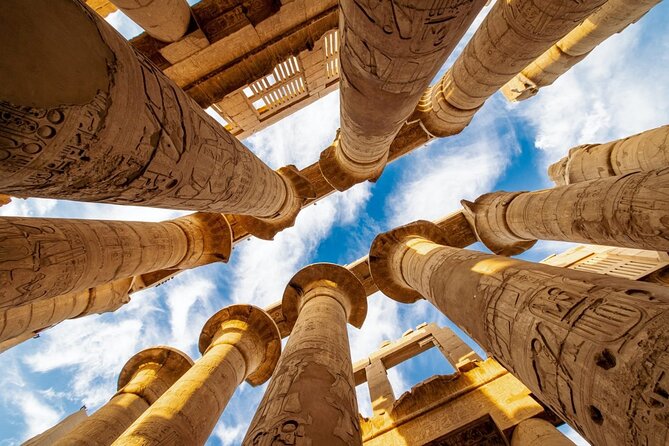
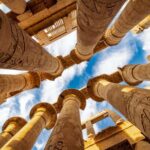
Day 1 starts with Karnak Temple, and it’s the right place to begin. Karnak was one of the most influential religious centers in ancient Egypt, especially in the New Kingdom era. The main temple area was dedicated to the worship of Amun, and like many Egyptian temples, other deities were also venerated there. In plain terms: this wasn’t a small local shrine. It was a major spiritual and political hub.
What I like about seeing Karnak first is that the scale forces your brain to slow down. Even if you don’t count every column or wall relief, you start noticing the layers. Karnak is where you get that feeling that multiple generations built on each other’s work, and each new ruler added their mark.
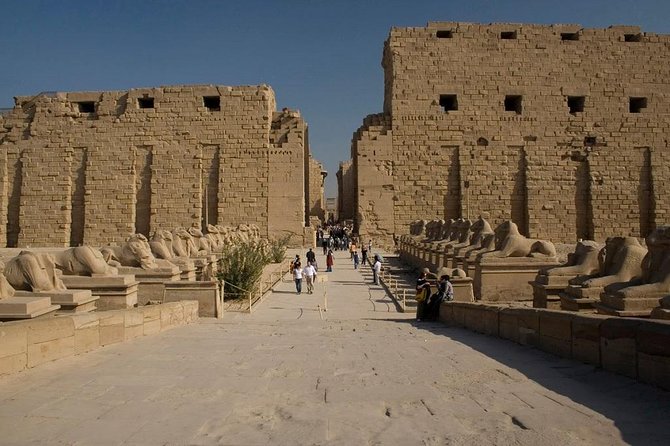
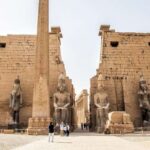
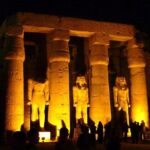
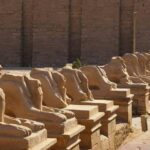
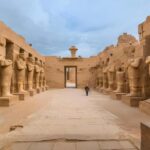
Then you head to Luxor Temple. Luxor Temple is tightly linked to Karnak by an avenue (called a dromos) lined with sphinxes. The connection isn’t just poetic. It’s part of the architecture and the ceremonial geography between the sites. Luxor Temple was built by two major pharaohs: Amenhotep III (responsible for the interior area) and Ramses II (finishing the temple). That kind of detail is exactly what a good guide helps you notice.
One practical upside: doing Karnak and Luxor Temple in the same day makes the story easier to hold. Instead of seeing Karnak and then forgetting it by the time you get to Luxor Temple, you can compare them while the whole theme is still fresh.
A small consideration: temple days can involve lots of walking on uneven ground. You’ll want comfortable shoes and a plan for sun and heat, especially if you’re on the morning or late afternoon start.
Day 2: King’s Valley, Hatshepsut’s Temple, and the Colossi of Memnon
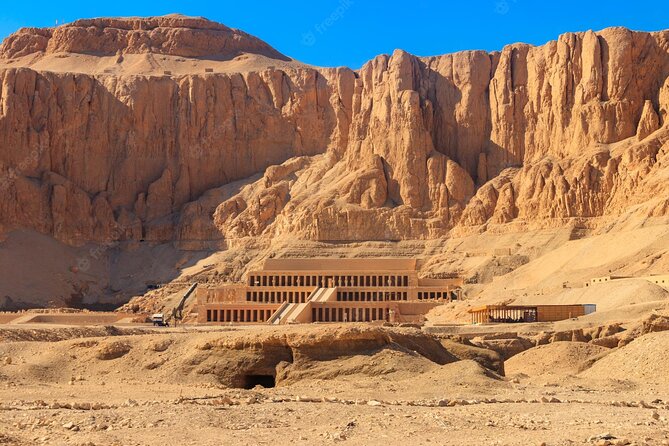
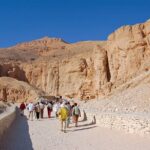
Day 2 shifts from grand temple worship to the West Bank’s burial landscape. The first stop is the King’s Valley (Valley of the Kings). In the New Kingdom, it was where pharaohs were buried. You’re told the kings of the 18th, 19th, and 20th dynasties were buried here, along with queens, princes, nobles, and even animals. That variety is worth wrapping your head around, because it widens your understanding beyond the idea that it was only for one kind of royal figure.
This is also one of those places where time inside tombs (if you choose add-ons) changes the vibe. The base tour includes the Valley of the Kings visit and the major temple sites around it. If you choose the optional Tutankhamun’s Tomb, you’ll be adding more time in the tomb circuit, which can mean more crowds and tighter conditions. Your guide can help you judge what fits your energy.
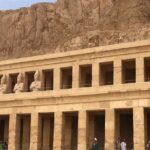
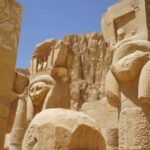
Next is the Temple of Queen Hatshepsut. This temple is described as unique in the valley and the only one of its kind in all of Egypt. That’s a big claim on paper, but what you’ll feel on the ground is how “different” it seems compared to the more typical shapes you might expect from other monumental spaces. Hatshepsut’s temple is tied to the XVIII dynasty, and it’s described as the most monumental of those built in the valley.
I like pairing Hatshepsut after the King’s Valley because it gives your brain a break from tomb mode while staying in the same story world. You go from burial beliefs to a royal, monumental statement of power and legitimacy.
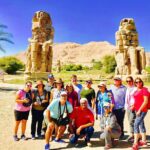
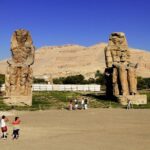
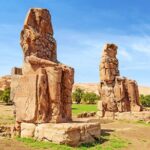
Then you end with the Colossi of Memnon. These are on the East Bank of Luxor, and they’re a classic capstone because they’re visible from afar and easy to photograph. After the West Bank sequence, it’s a nice way to bring the whole Luxor map back into view. Even if you’re not a huge statue person, those massive figures have a way of making you stop and think about how long ago this was built.
Why a private Egyptologist guide changes the whole experience
At temples and tomb sites, the difference between seeing and understanding can be massive. The tour includes a private guide (an Egyptologist guide), and that’s not a luxury detail. It’s what turns your photos into context.
For example, at Karnak, it’s one thing to see walls and columns. It’s another thing to understand the temple’s role and that the worship of Amun sits at the center of the main temple story. At Luxor Temple, the dromos concept (the sphinx-lined avenue connecting it to Karnak) becomes more meaningful when someone can point out how this ceremonial route fits into the bigger picture.
From past experiences shared with this tour company, names like Sayed Hafiz and Sultan come up as guides people felt were friendly and detailed. The common thread is that the guides explain the history clearly, and they also handle the human side—keeping your day moving, helping you understand what you’re looking at, and making you feel comfortable asking questions.
Even if you’re a casual traveler, you’ll probably appreciate that you’re not trying to translate everything on your own while also dodging the midday heat.
Price and logistics: what $85 per person includes (and what it means for value)
The headline price is $85.00 per person for an approx. two-day private package. What makes this price feel reasonable is what’s included:
- Air-conditioned vehicle
- Private guide
- All fees and taxes
- Tickets to the included sites (Valley of the Kings, Karnak, Luxor Temple, Hatshepsut, Colossi of Memnon)
In other words, you’re not paying extra for basic entry just to get through the doors. In Luxor, that matters because ticket lines and last-minute purchases can eat up time when you’re on a tight schedule.
There are also clear items that are not included. Tips are recommended (a standard travel reality), and Tutankhamun’s Tomb is optional. That optional add-on is the only major “maybe” in the plan; everything else is covered for the sites listed.
The logistics are also straightforward. You’re picked up from your hotel or cruise ship, you’re driven between East/West Bank areas, and you’re returned back afterward. When you’re doing only two days in Luxor, cutting down on unnecessary back-and-forth is a big win.


Optional Tutankhamun’s Tomb: worth adding or skip it?
Tutankhamun’s Tomb is explicitly marked as optional. That’s a good sign, because it means your guide can tailor the day based on your interests and stamina.
If you’re the type who feels happiest when you can say you visited the famous tomb, then adding it can be a satisfying bucket-list moment. But if you prefer a broader “big picture” tour—temples, valley context, and monuments—then you might find the base schedule already hits the core highlights without pushing you into extra tight quarters.
Either way, this is exactly how you want an optional: it’s not shoved into the plan automatically. You get to choose what kind of Luxor day you want.
Timing, comfort, and what to plan for on site
This tour requires good weather. That’s not just a legal note; it affects how pleasant the walks are between stops and how comfortable the outdoor spaces feel. If weather is poor, your plan may shift to another date or you may get a full refund.
You should also mentally budget for early starts. Day 1 can start at 06:00–07:00 or 15:00–16:00, but Day 2 is always 06:00–07:00. Early pickup can be great for comfort and light, but it does mean you’ll want to be organized the night before.
On the ground, temple and tomb areas typically involve uneven surfaces and a lot of moving around. I’d wear shoes that can handle stone and stairs. Bring water, and take sun breaks when your guide suggests it. Your air-conditioned vehicle will help you reset between stops, but you’re still outside for most of the visiting time.
One more small tip: if you’re sensitive to crowds or confined spaces, plan your expectations for the tomb environment. Even with a private guide, tomb sites can feel tighter than open temple courtyards.
Who this Luxor package suits best
This fits best if you want the Luxor highlights in a tight window. If you’re spending only two days in Luxor and want both East Bank temple monuments and West Bank burial sites, this plan is built for that.
It’s also a strong match for:
- First-timers who want the meaning behind what they’re seeing
- Couples or families who prefer privacy over waiting around for others
- Travelers who like structure, but still want a guide to explain the story in a clear way
- People who want hotel or cruise pickup handled for them
If you already know Luxor very well and want more off-the-beaten-path options, you might feel this is a “greatest hits” version. But most first-time Luxor visits benefit from exactly that approach.
Should you book this 2-day private Luxor package?
If you’re looking at Luxor as the crown jewel of your trip, I’d seriously consider booking this. The combination of Karnak and Luxor Temple on Day 1, then King’s Valley and Hatshepsut on Day 2 gives you a balanced Luxor experience: worship plus afterlife. The private guide, air-conditioned vehicle, and included tickets make it one of the less stressful ways to do a fast Luxor.
Book it if:
- You want both sides of Luxor in two days
- You care about context, not just photos
- You want pick-up from your hotel or cruise ship and a clean return afterward
- You prefer a private format so your pace is your own
Skip it or consider a different plan if:
- You hate early mornings (Day 2 starts around 06:00–07:00)
- You only want one “type” of site (temples only, or tombs only)
One practical bonus: this comes with free cancellation up to 24 hours in advance, and it can be adjusted if weather cancels the outing. So you can book with some peace of mind.
FAQ
What sites are included in the two days?
You’ll visit Karnak Temple and Luxor Temple on Day 1. On Day 2 you’ll visit the King’s Valley, the Temple of Queen Hatshepsut, and the Colossi of Memnon. Tutankhamun’s Tomb is optional.
Is pickup included, and when does it happen?
Yes. Pickup is offered from your hotel or cruise ship in Luxor. Day 1 pickup is either in the morning between 06:00 and 07:00 or in the afternoon between 15:00 and 16:00. Day 2 pickup is in the morning between 06:00 and 07:00.
Is this tour private?
Yes. It’s a private tour/activity, so only your group participates.
What’s included in the price?
The price includes an air-conditioned vehicle, a private guide, all fees and taxes, tickets to the listed sites, and transport between stops with returns to your hotel or cruise.
Are tickets for the sites included?
Yes. Tickets to Karnak, Luxor Temple, the Valley of the Kings, Hatshepsut, and the Colossi of Memnon are included.
What’s the cancellation and weather policy?
You can cancel for a full refund up to 24 hours before the experience starts. If it’s canceled due to poor weather, you’ll be offered a different date or a full refund.
If you want, tell me your hotel or whether you’re on a Nile cruise, plus your arrival day/time in Luxor. I can help you decide whether the Day 1 morning start or the 15:00–16:00 start will feel easier.