REVIEW · LUXOR
Marsa Alam : Over Day Tour to Luxor & Balloon Ride & Felucca
Book on GetYourGuide →Operated by Nice Tours · Bookable on GetYourGuide
Luxor feels like ancient Egypt unplugged from a museum label. This over-day combo from Marsa Alam layers a sunrise balloon ride, big temple sites, and a real Nile sail into one practical plan.
What I like most is the pacing: you get major sights on the East Bank first, then you actually rest before sunset. I also like that someone else handles the driving so you can focus on photos, stories, and not reading a map at 6 a.m.
One drawback to keep in mind: some versions of this experience may add stops outside the core plan or ask for extra cash along the way. If you hate surprise detours, you’ll want to confirm inclusions for lunches and any optional add-ons.
In This Review
- Key Things to Know Before You Go
- Marsa Alam to Luxor: the early start that actually works
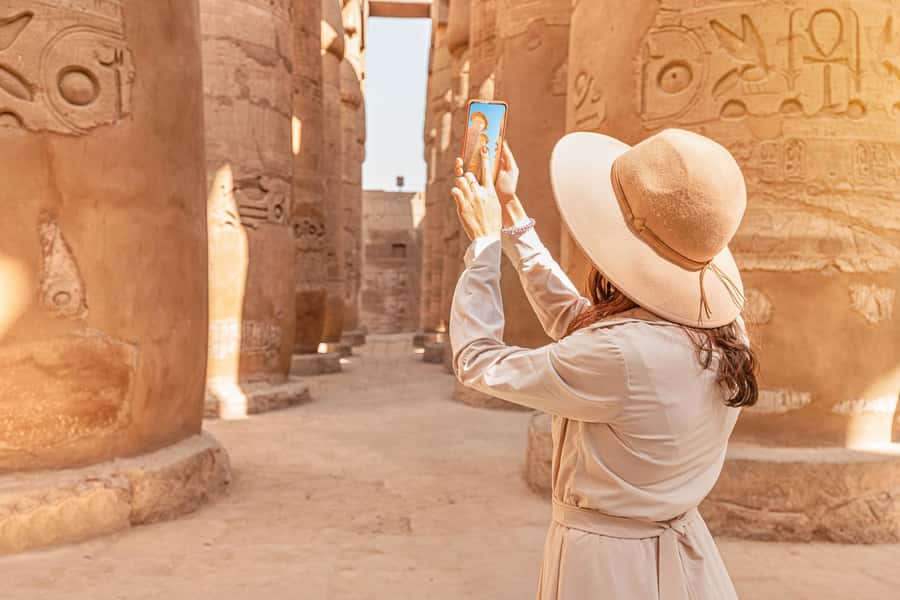
- Luxor East Bank: Luxor Temple and Karnak Temple in one flow
- Luxor Temple: a pharaoh-built timeline you can walk through
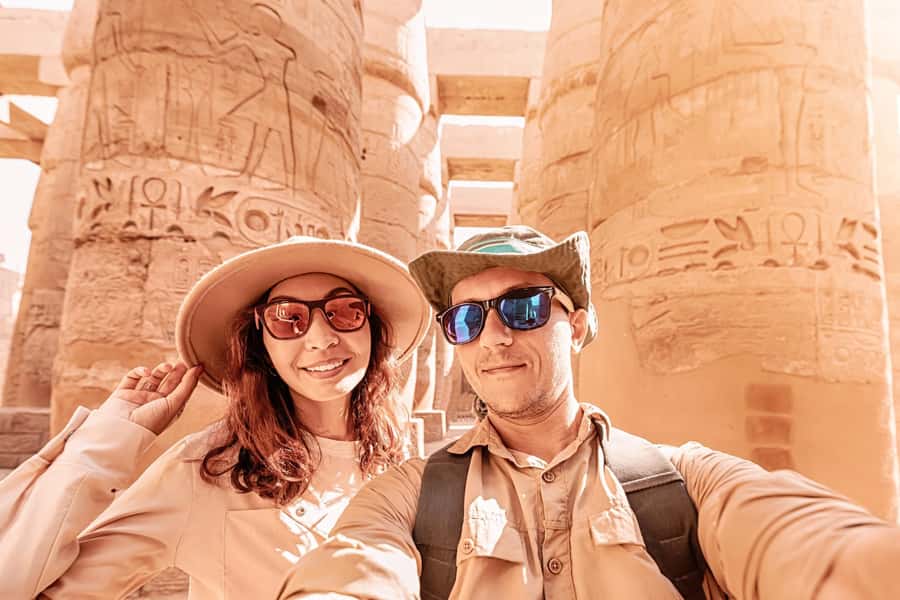
- Karnak Temple: it’s not one temple, it’s multiple kingdoms
- A note on tempo
- Hotel rest: the underrated ingredient for a better Luxor
- Felucca on the Nile at sunset: classic, scenic, and photo-friendly
- Sunrise Hot Air Balloon: the highlight moment and how to get the most
- What you’ll see from the air
- How to prepare for balloon photos
- West Bank: Valley of the Kings, Hatshepsut, and Memnon photos
- Valley of the Kings: 63 royal tombs worth the time
- Hatshepsut’s Mortuary Temple: power built in stone
- Colossi of Memnon: quick stop, great picture payoff
- Camel ride through villages: the human-scale Egypt moment
- Meals, hotel, and guides: where the experience feels “private”
- Lunch and dinner: what’s included, what to watch
- Price and Logistics: the value is real, but confirm the extras
- Who this Luxor combo tour suits best
- Should you book Marsa Alam: Luxor over-day with balloon and felucca?
- FAQ
- What time is the pickup from Marsa Alam?
- How long is the drive to Luxor?
- Are Luxor hotels included, and how many nights?
- What does the sunrise hot air balloon ride include?
- Which Luxor sights are included on the East Bank?
- Which sights are included on the West Bank?
- Is a felucca ride included?
- Is a camel ride included?
- Are entrance fees included?
Key Things to Know Before You Go
- Sunrise balloon timing: watching balloons fill and lift is part of the show
- East Bank first, West Bank next keeps the days less chaotic
- Felucca on the Nile is included and built for scenic photos at sunset
- Camel ride through villages adds a human, everyday Egypt moment
- Dinner and both lunches are included, but drinks may be extra
- Entrance fees are not included, so plan for ticket costs
Marsa Alam to Luxor: the early start that actually works
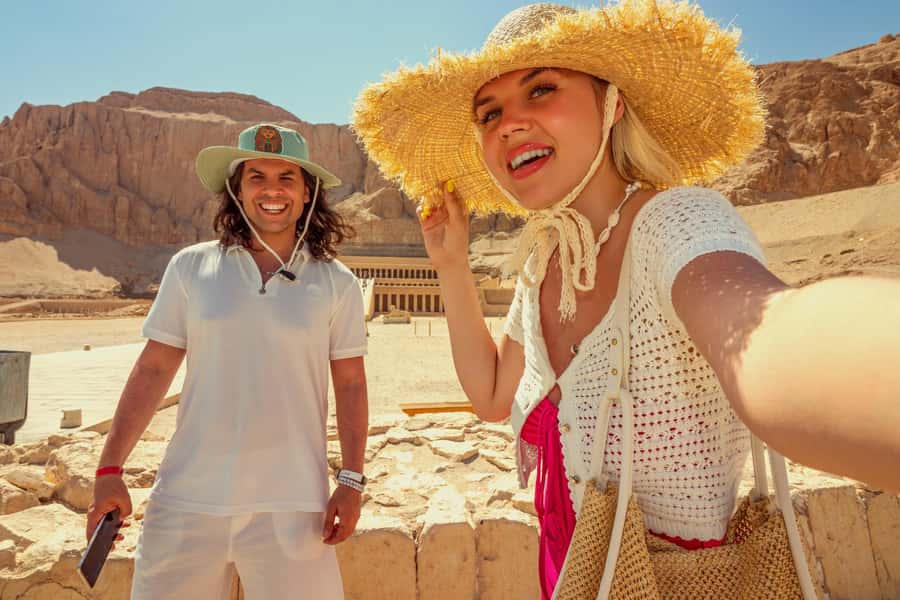
Pickup is scheduled at 5:00 am from your accommodation in Marsa Alam. That start matters because it buys you enough daylight in Luxor on Day 1 and leaves the real magic—your balloon sunrise—for Day 2.
You’ll ride in a comfortable private, air-conditioned vehicle. The drive is about 4 hours, so it’s the kind of trip where you should pack with the mindset that you’ll be awake, then sightseeing, then awake again. Bring something for the ride (water, a light snack if you’re the type who gets hungry fast, and a layer—early morning air can feel cool even in Egypt).
On arrival, you don’t waste time. Lunch comes first, then the East Bank temples. That order is smart. It keeps the first day from turning into a stress-fest of hunger plus heat plus tickets plus crowds.
You can also read our reviews of more tours and experiences in Luxor.

Luxor East Bank: Luxor Temple and Karnak Temple in one flow
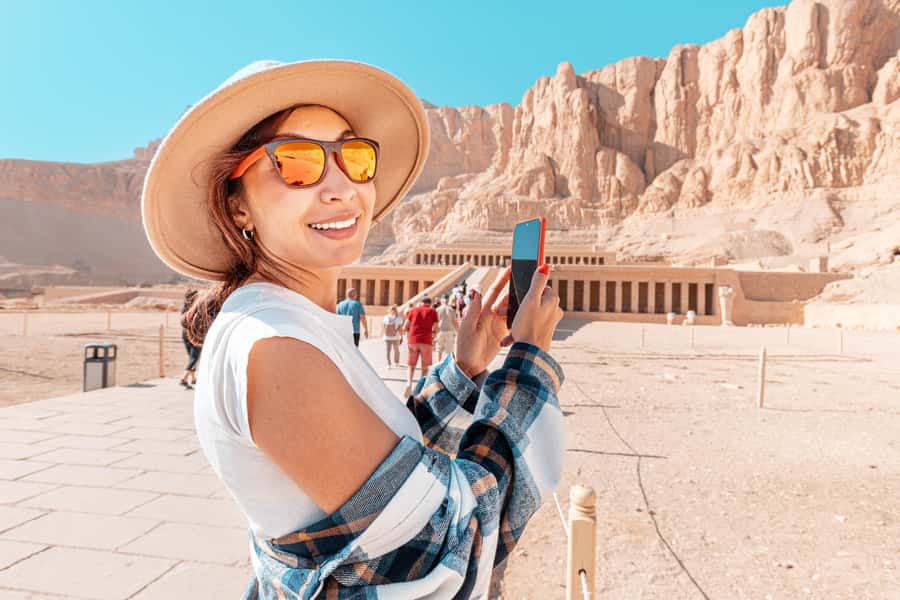
Day 1 is built around two heavyweights: Luxor Temple and Karnak Temple. This is where the trip earns its name as a best-of Luxor approach, because you’re seeing the main religious center and the massive temple complex in the same day.
Luxor Temple: a pharaoh-built timeline you can walk through
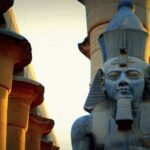
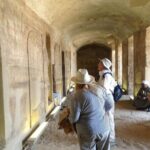
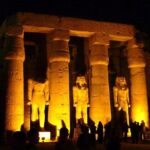
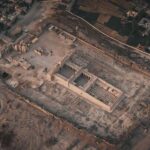
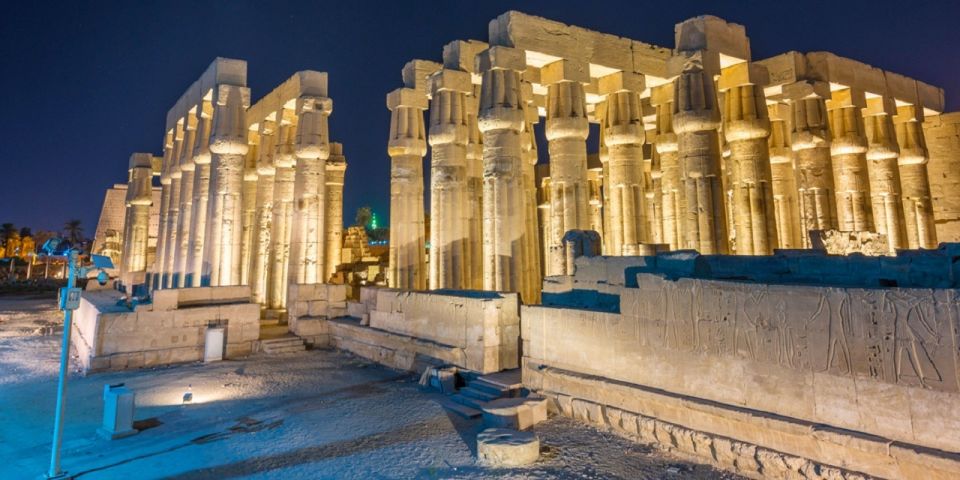
Luxor Temple was constructed over hundreds of years by pharaohs including Amenhotep III, Ramses II, and Tutankhamun. It’s the kind of site where details feel layered—different rulers leaving their mark as history rolls forward.
In practical terms, I like this stop early in the day. The light helps carved surfaces read better, and you get a calmer rhythm compared with later afternoon. Even if you’re not a hardcore Egypt history nerd, it’s easy to spot why this place mattered: it functioned as a major religious center for generations.
Karnak Temple: it’s not one temple, it’s multiple kingdoms
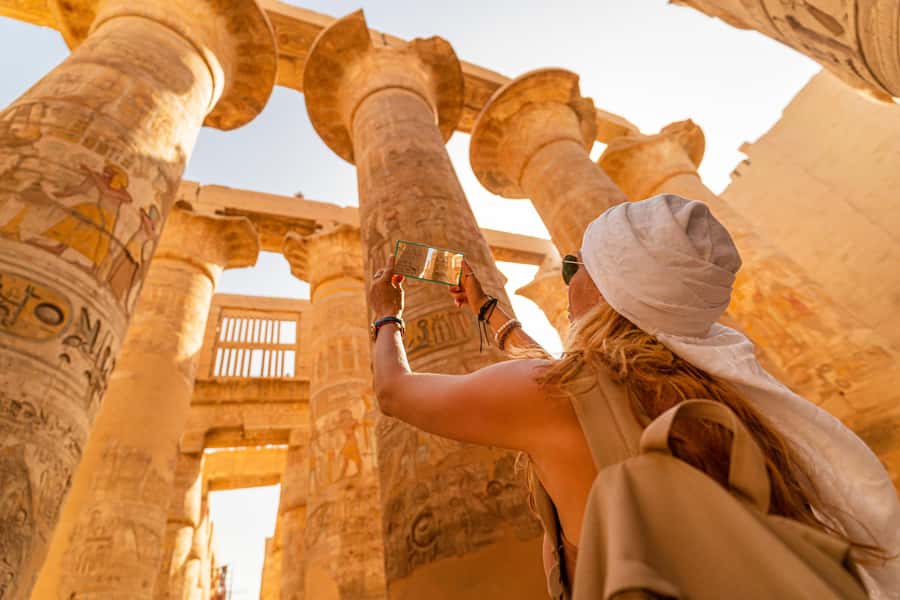
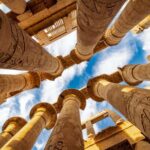
Then you move to Karnak Temple, a huge complex where dozens of pharaohs added constructions over time. The key idea here is that Karnak wasn’t a single-purpose building. It had main precincts for gods including Amun-Re, plus sections tied to Mut and Montu.
Karnak can feel overwhelming if you show up cold. That’s why having an Egyptologist or expert guide is a real value. With the right explanations, you understand what you’re looking at—temple sections, roles, and how rulers used architecture to reinforce power.
A note on tempo
This East Bank block is a lot to see in one day, but it’s not a “run-and-sprint” schedule. After the temples, your driver drops you at your Luxor hotel for rest. That break is a quiet feature that improves the entire experience.
Hotel rest: the underrated ingredient for a better Luxor
After the East Bank temples, the plan gives you time to reset. You’re dropped at the hotel booked for you in Luxor to rest before the evening program.
That matters because Luxor can wear you down. Heat, long walking distances, and early pickup add up. The afternoon break makes the sunset felucca ride feel like a treat instead of another obligation.
If you’re the type who likes a quick shower and a nap, this is your window. Don’t underestimate it. A well-timed rest is what keeps the second day from feeling like one long blur.
Felucca on the Nile at sunset: classic, scenic, and photo-friendly
At sunset, your driver returns to pick you up for a felucca ride on the Nile. The goal here is simple: calm water views, warm light, and an authentic Egyptian way to cruise.
A felucca isn’t about speed. It’s about the atmosphere—slow movement, skyline reflections, and time to take photos with your group. This is one of those moments where you can actually enjoy being off your feet for a bit.
That said, I’d set expectations carefully. Some people find the felucca segment shorter than they hoped, because they’re brought close to the boat and then whisked back. It still delivers the signature “Nile from a sailboat” experience, but if you want a long, drifting cruise, you may want to ask the operator in advance how long you’ll be on the water.
Dinner follows after the ride at a restaurant. The tour includes dinner on Day 2, and lunch is included both days—so you’re not stuck hunting for food. Still, you should plan around drinks possibly being extra depending on the restaurant.
Sunrise Hot Air Balloon: the highlight moment and how to get the most
Day 2 starts early, with a balloon pickup rhythm built around sunrise. Before any flying happens, there’s time to reach the takeoff area, where balloons get filled with hot air and begin lifting.
Watching that process is part of the magic. You see the balloons become real, you see the crew work fast, and you start building the expectation that you’ll soon be high above Luxor.
What you’ll see from the air
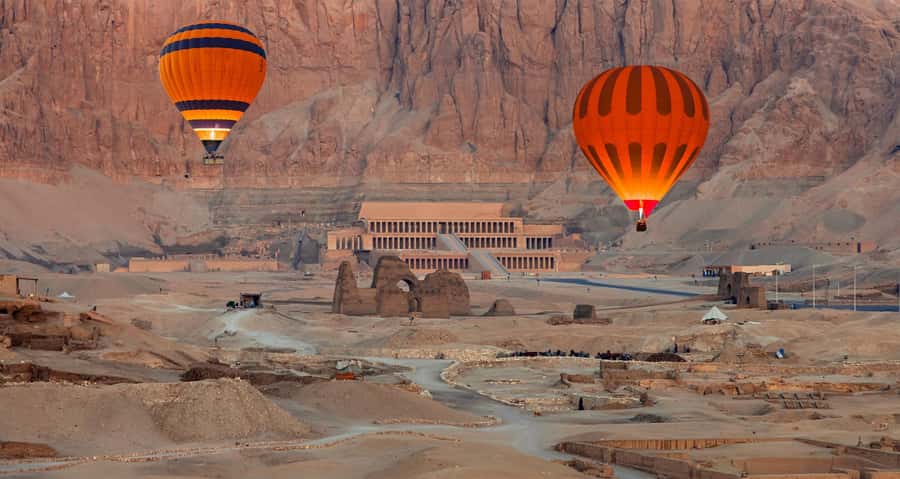
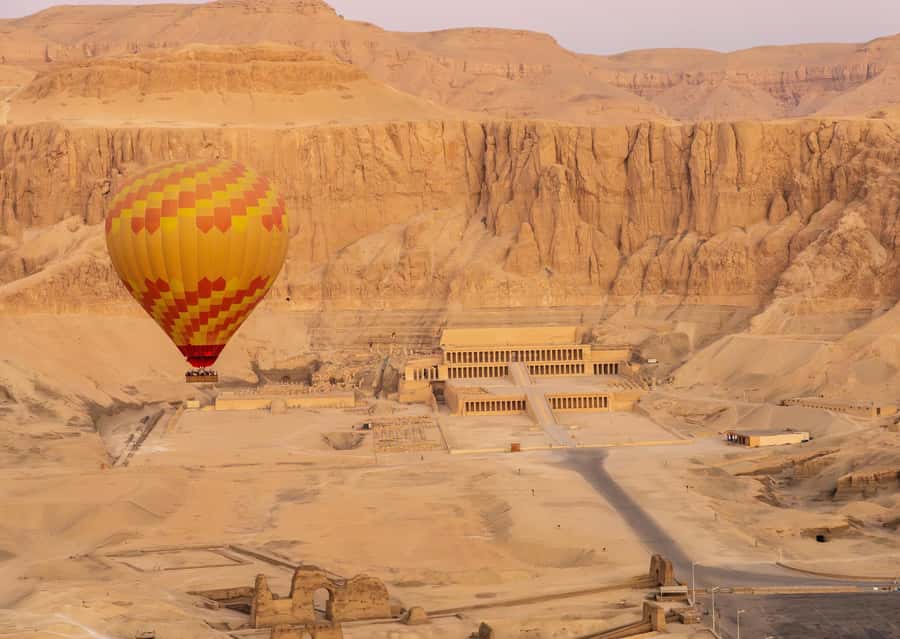
You fly in time for sunrise views over Luxor—described as watching the city like an open museum. The route also includes views over the temples, giving you a different sense of scale than you get at ground level.
From a practical travel standpoint, this is the one activity where you want to treat the sunrise window as sacred. Don’t plan to be late. Arrive ready, bundled, and focused.
How to prepare for balloon photos
You’ll want a camera ready, but don’t forget the basics:
- Dress in layers. Mornings can feel cooler than daytime.
- Keep your phone secure and protected.
- Plan to shoot fast during the best light, then put your device away and enjoy a few minutes of quiet.
In terms of value, the balloon is the reason to choose this specific package over a plain Luxor temple tour. It gives you a memory that feels completely separate from the ground-based sites.
West Bank: Valley of the Kings, Hatshepsut, and Memnon photos
After the balloon, the schedule moves to the West Bank, which used to be the capital zone of ancient Egypt. You start with the Valley of the Kings, described as the Place of Truth and known historically as the Great Necropolis of Millions of Years of Pharaoh.
Valley of the Kings: 63 royal tombs worth the time
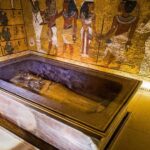
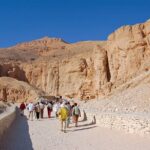
The Valley of the Kings includes 63 magnificent royal tombs, and they vary from tomb to tomb. Even if you only enter a subset (entrance fees aren’t included, so access may depend on tickets and time), the setting alone sells the idea: this is where rulers planned their afterlife, literally carving centuries into rock.
With an expert guide, tombs and decorations start to make sense. Without that, you’ll still enjoy the “wow” factor—but it’s the stories that turn it into a deeper experience.
Hatshepsut’s Mortuary Temple: power built in stone
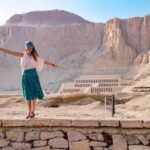
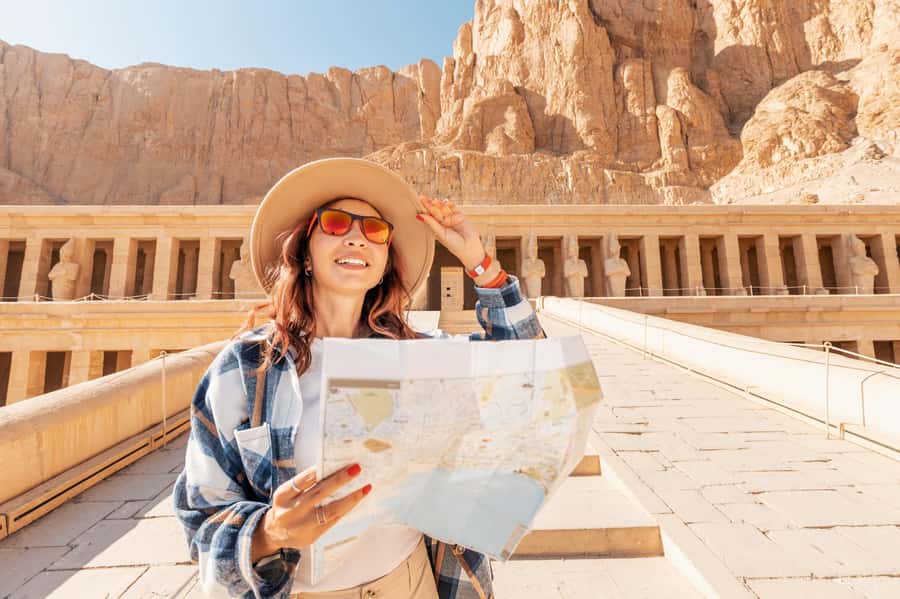
Next is the Mortuary Temple of Queen Hatshepsut. The plan highlights something key: her temple was designed to mirror an older temple of Mentuhotep II, but on a much grander scale. It’s like seeing architectural persuasion in action—Hatshepsut making her presence unmistakable.
This stop is easier to appreciate than it might sound. Big shapes, terraces, and the way the temple sits in its environment help you feel the ambition behind the design.
Colossi of Memnon: quick stop, great picture payoff
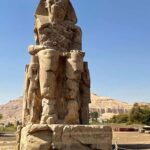
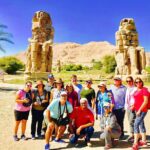
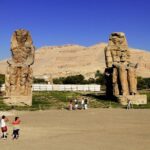
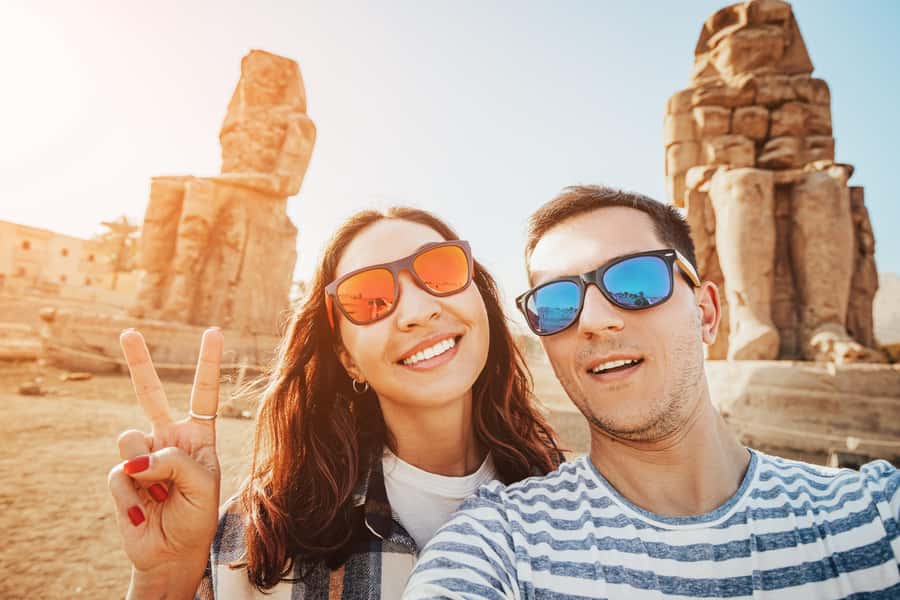
You finish with a quick visit to the Colossi of Memnon for photos. This is a classic “photo moment” stop: less walking time, strong visuals. It’s also a good way to end the West Bank portion without burning out.
Camel ride through villages: the human-scale Egypt moment
Then comes something more intimate: a camel ride. The plan says you’ll pass through villages and see how local people live and traditionally work the land.
This portion is valuable because it changes the feel from monumental stone to daily life. You also get a different perspective on the region’s texture—paths, village rhythms, and the contrast between the tourist circuit and everyday Egypt.
Just keep it realistic. Camel rides are usually short and more about the experience of being there than about a long trek. Wear shoes you don’t mind getting dusty, and hold on securely when the camel shifts.
Meals, hotel, and guides: where the experience feels “private”
Your package includes a 4-star hotel in Luxor with breakfast. You’re not just day-tripping and disappearing. You get a real overnight stay, which makes the whole flow more comfortable.
The tour also includes a professional English guide. If you want Spanish, German, or French, there’s an option for that with additional cost. A good guide makes the difference between staring at stone and understanding what each building represents.
Names that have come up in past groups include guides like Manal, Pola, Samar Helmy, and Basim, along with key support contacts such as Marina and drivers like Assan, Usman, and Youssef. Obviously, your exact team can vary, but the pattern is clear: when the guide is strong, the history hits in a way you’ll remember later.
Lunch and dinner: what’s included, what to watch
Lunch is included on the first and second day, and dinner is included on Day 2. That’s a big convenience win.
One thing to watch: some people find lunch without drinks. Drinks can mean extra cost at the restaurant. If you’re budgeting carefully, plan to purchase beverages separately.
Also, you’ll pay attention to entrance fees. Those are not included in the tour price, so tickets and any paid tomb access should be kept separate in your planning and budget.
Price and Logistics: the value is real, but confirm the extras
This is a two-day package with long transport legs, a sunrise balloon, temple visits, hotel nights, meals, and rides (felucca and camel). That’s a lot of moving parts—so it’s not the kind of tour to treat like a simple checklist.
In terms of value, the balloon and the overnight stay are the “center of gravity.” If you love sunrise moments and want a Luxor plan that’s handled for you, you’re paying for convenience and access.
Where people can feel disappointed is when there are add-on stops that don’t feel tied to the core experience. Some schedules may include extra factory or craft stops, or guides may steer you toward other paid locations. If you dislike this, ask up front:
- Are there any stops outside the temple and Nile plan?
- Will any lunch location include drinks, or will you pay for beverages separately?
- How are entrance fees handled, and how much cash should you keep ready?
Some groups also report occasional miscommunication about transfers. The practical fix is simple: keep your contact info handy for the local representative, and confirm pickup timing the evening before any big morning.
Who this Luxor combo tour suits best
This is a strong fit if:
- You want a compressed two-day Luxor highlight without planning bus routes or timing.
- You care about big photo moments: temples at ground level plus balloon views.
- You’d rather pay for organization than spend your vacation figuring out logistics.
It may be less ideal if:
- You hate any optional detours, extra stops, or cash requests for add-ons.
- You prefer a long, slow felucca cruise and want every minute on the water.
- You want extremely deep tomb-by-tomb history with zero flexibility in the schedule.
Should you book Marsa Alam: Luxor over-day with balloon and felucca?
I’d book it if balloon sunrise is on your bucket list and you want Luxor arranged into two focused days: East Bank temples first, then sunrise balloon + West Bank icons, with rides that feel genuinely Egyptian.
If you’re choosing between this and a simpler Luxor tour, go with this one when you value the full package—hotel night, balloon, and meals—over squeezing in a few extra hours yourself.
Before you commit, do two quick things:
- Confirm what’s covered for meals beyond just food (especially drinks).
- Ask whether any extra paid stops are part of the standard day.
If they answer clearly and stick to the plan, this is the kind of trip that can give you one sunrise you’ll talk about long after your photos fade.
FAQ
What time is the pickup from Marsa Alam?
You’re picked up from your accommodation in Marsa Alam at 5:00 am on Day 1.
How long is the drive to Luxor?
The car trip is described as about 4 hours in a comfortable private vehicle.
Are Luxor hotels included, and how many nights?
Yes. The package includes accommodation in Luxor at a 4-star hotel for the overnight stay, and it includes breakfast.
What does the sunrise hot air balloon ride include?
It includes a sunrise hot air balloon ride, with time to watch balloons fill with hot air and begin rising, plus views over Luxor and the temples.
Which Luxor sights are included on the East Bank?
The East Bank stops include Luxor Temple and Karnak Temple.
Which sights are included on the West Bank?
The West Bank includes the Valley of the Kings, the Mortuary Temple of Queen Hatshepsut, and a photo stop at the Colossi of Memnon.
Is a felucca ride included?
Yes. A felucca ride on the Nile is included at sunset on Day 1.
Is a camel ride included?
Yes. A camel ride is included, described as passing through villages.
Are entrance fees included?
No. Entrance fees are not included.