REVIEW · LUXOR
Luxor Tour to the East & West Bank of the Nile
Book on Viator →Operated by Lily Travel Egypt · Bookable on Viator
Luxor’s temples hit different when you switch banks. This tour strings together the West Bank highlights and the East Bank’s big-worship sites with a private Egyptologist guide, so you’re not just looking at stones—you’re getting the why behind them. I especially like the way the day is paced around major monuments, and I like that you can focus your time in the Valley of the Kings instead of trying to sprint through everything. One heads-up: it’s listed at about 4 hours, so it’s an efficient hit of Luxor rather than a slow, all-day wander.
The West Bank start is a smart choice because the Valley of the Kings, Hatshepsut, and the Colossi of Memnon all tell the story of power, afterlife beliefs, and royal image-making. On the East Bank, Karnak (and likely Luxor Temple as part of the plan) helps you see how this city’s sacred role kept evolving over centuries. I also really like the small group size (maximum 5), because it makes your guide’s explanations easier to follow. The only drawback I’d plan for is that entrance fees and tipping are not included, so your final cost depends on what you choose at the gates.
Key Points That Matter Before You Go
- Pick up to 3 tombs in the Valley of the Kings, so you spend time, not just stamp tickets.
- West Bank to East Bank flow: you see the Nile’s two worlds in one smooth circuit.
- Qualified Egyptologist guide with clear, on-the-ground explanations (with English support).
- Small group (max 5) keeps the experience feeling private.
- Pickup + transfer included, so you avoid the “how do we get there” hassle.
- Mobile ticket means less waiting around to confirm your spot.
In This Review
- East and West Banks in One Tight Plan
- Pickup and How the Day Gets You Moving Fast
- Valley of the Kings: Choosing 3 Tombs Out of 63
- Temple of Queen Hatshepsut: Power Built Into Stone
- Colossi of Memnon: Two Giants, One Big Visual Payoff
- Crossing to the East Bank for Karnak’s Main Deities
- Luxor Temple: The City’s Sacred Ending Point
- Guide and Group Size: Why Small Feels Better Here
- Price and Value: Is $35 Worth It?
- Practical Tips for Getting the Most From a 4-Hour Highlights Tour
- Who This Tour Suits (and Who Might Want Something Else)
- Should You Book This Luxor East & West Bank Tour?
- FAQ
- What sites are included on this Luxor tour?
- How many tombs can I visit in the Valley of the Kings?
- How long is the tour?
- Is pickup from my hotel included?
- What time does the tour start?
- Is this tour private?
- Do I get a mobile ticket?
- Are entrance fees included?
- Is tipping included?
- What is the cancellation policy?
East and West Banks in One Tight Plan
Luxor works best when you connect the dots. The West Bank feels about legacy and the afterlife; the East Bank feels about living worship and daily rituals. This tour is built to link those ideas in a single run, which is exactly what you want if you’re short on time or trying to make the most of one visit to Luxor.
I like that it’s private, not a giant bus situation. With a maximum of 5 people, your guide can pace the stops and actually explain what you’re seeing instead of tossing facts over your shoulder while everyone moves on.
One reality check: the description says full-day private tour, but the listed duration is about 4 hours. So think of this as an intensive highlights package. You’ll get a lot in a short window, but you won’t have hours to linger in every corner.
Pickup and How the Day Gets You Moving Fast
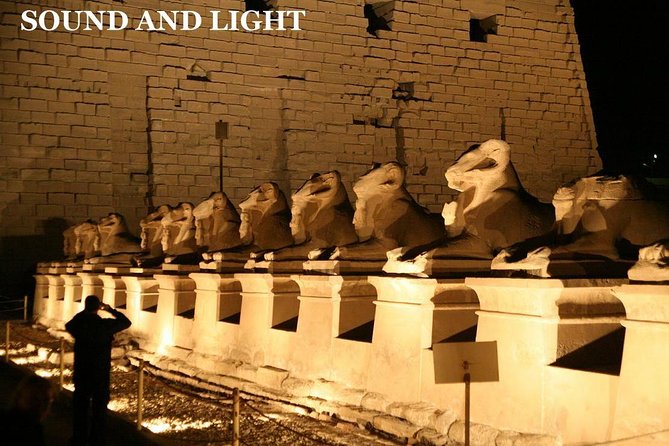
You start from Luxor, with pickup offered and transfers included. That matters because traffic, check-in lines, and hopping between sites can eat up your day. Here, the tour includes guide and transfer, so you can focus on the monuments rather than logistics.
You’ll also have a mobile ticket, which simplifies the start. And when you book, confirmation is received at the time of booking, so you’re not stuck guessing about what’s been arranged.
Timing starts at 8:00 am, which is a good move for Luxor. Morning light makes photos easier, and the sites feel more human before the midday crowd energy kicks in. If you’re arriving on a late cruise, the setup also seems flexible—your best bet is to ask early for any needed adjustments to keep the day workable.
You can also read our reviews of more tours and experiences in Luxor.

Valley of the Kings: Choosing 3 Tombs Out of 63
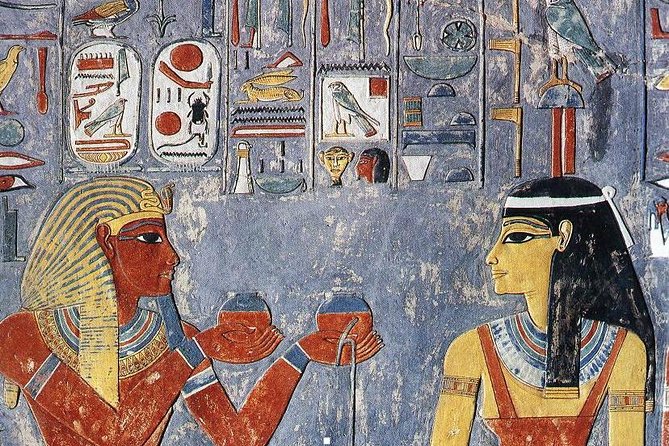
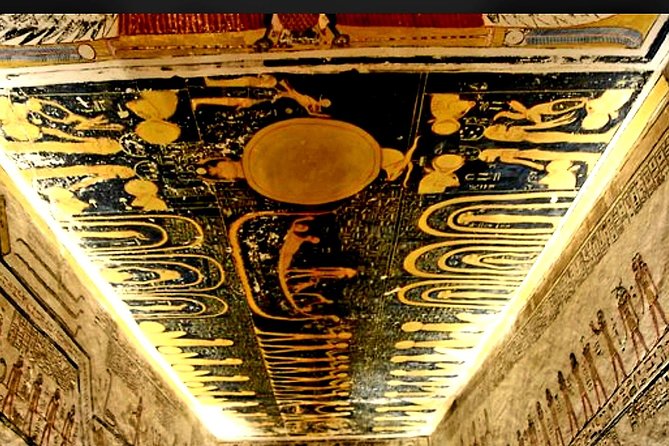
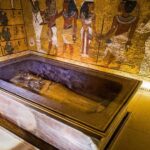
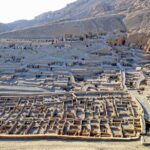
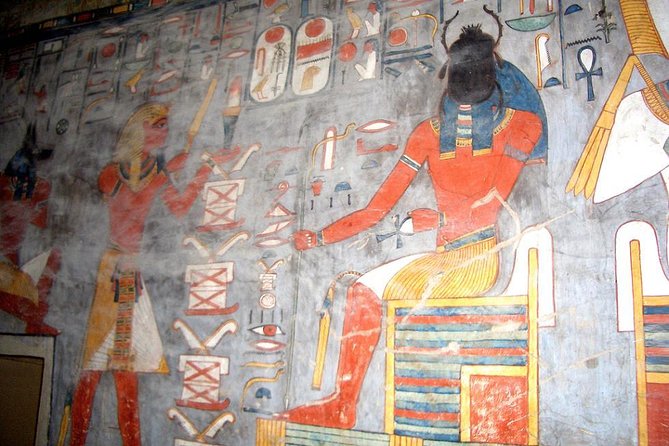
The West Bank begins with the Valley of the Kings. This is the part people imagine when they picture Luxor: carved tomb entrances in a landscape shaped by time, not modern development. You’ll get the tour of the complex of 63 tombs dating back nearly 4,000 years, but you don’t need to see all of them.
Here’s why that choice is valuable: the tour lets you pick a maximum of 3 tombs to visit. That’s a sweet spot. You get multiple tombs to compare styles and artwork without turning the experience into a checklist sprint.
What I’d do in your shoes: choose tombs based on what you most want to understand—royal imagery, afterlife scenes, or distinctive artwork. If you try to see too many, you’ll spend the last tomb feeling like you’re walking through the same room again and again.
Possible drawback: the Valley is active and full of stairs and uneven steps. You might find it tiring if you’re not used to walking on historic surfaces, even with the guide keeping you moving smartly.
Temple of Queen Hatshepsut: Power Built Into Stone
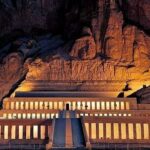
Next comes the Temple of Queen Hatshepsut. This is one of the most fascinating stops in the West Bank because it’s not just impressive—it’s political. Hatshepsut is remembered as one of the most successful female rulers of all time, and her temple was designed to make that authority feel solid and inevitable.
I like this stop because it slows the day down in a good way. After tombs (which are about the future in a very literal sense), you’re seeing a ruler using architecture to project legitimacy in the present.
You’ll also get context from an Egyptologist guide. That turns the visit from I see columns into I understand what the design is doing. It’s the difference between admiring shapes and grasping intent.
If you’re sensitive to heat, you’ll want water and a hat. Morgues and temples share one thing: they don’t care that you’re tired. Morning start helps, but the physical comfort factor still matters.
Colossi of Memnon: Two Giants, One Big Visual Payoff
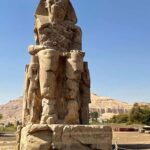
Then you’ll transfer to the Colossi of Memnon. These are the two massive stone statues of a pharaoh—giants sitting in the open, staring at you like they’ve been waiting for your questions.
This stop is great for two reasons. First, it’s easy to appreciate even if your brain is full from the tombs. Second, it’s a strong photo moment without needing a long indoor stay.
What I love about this kind of landmark is how it anchors the story of the West Bank. The Valley tombs explain belief; Hatshepsut’s temple explains rulership; the Colossi are a visual statement of royal presence meant to last.
You won’t get stuck here for hours, which is good. You’ll move on while you’re still energized instead of checking out.
Crossing to the East Bank for Karnak’s Main Deities
After the West Bank stops, you drive to the East Bank in Luxor. This is where the atmosphere shifts from royal burial to daily religious importance. Luxor’s East Bank is about worship and the long-term weight of ritual.
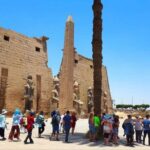
At Karnak Temple, you’ll see the greatest example of worship in the history of ancient Egypt, tied to Amon, with Mut and Khonsu as part of the divine family. That triad detail is worth paying attention to because it helps you interpret what you’re looking at—people weren’t just building impressive halls. They were building a religious system in stone.
I like Karnak in tours like this because you’re not wandering aimlessly. Your guide keeps the meaning attached to each stop, so the temple doesn’t become a maze of columns.
A practical note: Karnak is huge. Even on a highlights route, you’ll likely do more walking than you expect. Wear shoes you can trust, and keep your hydration going. If you feel your pace slowing, ask your guide to adjust what you prioritize rather than forcing it.

Luxor Temple: The City’s Sacred Ending Point
The overall plan also includes Luxor Temple. This is the kind of stop that often feels like the bow at the end of the story: you’ve seen the grand worship world at Karnak, and now you’re back inside the theme of Luxor as a living religious center.
Even if your day feels packed, Luxor Temple can still land well because it’s more connected to the rhythm of the city. It helps you tie together the big religious ideas with Luxor’s everyday identity.
If you’re the type who likes symbolism, this is where you can start noticing how sites feel designed to work together—not as separate attractions, but as part of a single cultural landscape.
Guide and Group Size: Why Small Feels Better Here
This is listed as a private tour with a maximum of 5 travelers. That small-group size changes everything. It means you can ask questions without raising your voice over a dozen people. It also means your guide can make small timing choices that keep the day smooth.
From past experiences with guides on this route, names like Nagla and Lily show up often. Guests have described guides as punctual and efficient, with solid explanations and a willingness to help make the day feel organized.
I also like that this style of guide support can extend beyond just the day itself. One account describes a guide following up after the trip with an answer to a question. You shouldn’t expect that every time, but it tells you the guides on this route tend to care about clarity, not just reciting a script.
Language-wise, the tour is described as having a private English Egyptologist guide, and some guides have been reported as also speaking Italian. If language support matters to you, confirm during booking so you know what to expect.
Price and Value: Is $35 Worth It?
At $35 per person, this tour is positioned as a budget-friendly way to hit major East and West Bank sites with a qualified guide and transfers. The big value here isn’t just what you see—it’s how the logistics are handled for you.
But there’s one important cost note: entrance fees aren’t included, and tipping isn’t included. Entrance costs can change depending on what sites and tombs you choose, so you should treat $35 as the tour price, not the full day total.
Here’s how I think about value for tours like this:
- If you’re trying to do East Bank + West Bank in one go, a guided route with transfer saves time and stress.
- If you’d rather pick only a few tombs and do them properly, the Valley of the Kings max of 3 tombs helps you get more quality per hour.
- If you’re short on Luxor time, this is a way to see the headline monuments without building a self-guided plan from scratch.
If you have a full day and love slow travel, you might prefer a longer itinerary that gives more breathing room. If you have limited time, this price-to-coverage ratio is strong.
Practical Tips for Getting the Most From a 4-Hour Highlights Tour
Since the time window is tight (about 4 hours listed), you’ll enjoy the day more if you make small choices that prevent fatigue.
A few practical moves:
- Decide ahead what you want most: tomb art, Hatshepsut’s story, or the big scale of Karnak.
- Be ready to walk more than you expect, especially at Karnak.
- Bring essentials for heat and sun (water, hat, sunscreen). The tour includes guide and transfer, but you’ll still be outdoors.
- Expect that your final cost will go up for entrance fees. Ask what’s needed when you confirm what tombs you’re choosing.
One more tip: if your travel day is messy—late arrival from a cruise—reach out and ask if your schedule can be adjusted. This route has shown it can accommodate changes when time is tight.
Who This Tour Suits (and Who Might Want Something Else)
This tour is a great fit if:
- You want a small-group private experience rather than a crowded ride.
- You have limited time in Luxor and want both banks.
- You like guided context—so you’re not just taking photos, you’re understanding the monuments.
- You’re traveling with someone who benefits from clear planning and pacing.
It may be less ideal if:
- You’re looking for a truly unhurried full day with lots of free time at each site.
- You want to see many more than three tombs in the Valley of the Kings.
- You struggle with walking in uneven historic terrain.
Should You Book This Luxor East & West Bank Tour?
If you want a smart Luxor hit—West Bank tombs and temples paired with Karnak’s main worship world—then yes, I’d book it. The combination of pickup and transfers, a guide who can keep the story coherent, and the small group size makes the price feel justified even before you count the time it saves.
My biggest advice is to go in with realistic expectations about pacing. This is not a slow museum day. It’s an efficient highlights circuit, so choose tombs thoughtfully and let your guide handle the flow.
If you’re ready to connect the Nile’s two worlds in one morning and walk away with a clearer sense of what these sites meant, this tour is a solid bet.
FAQ
What sites are included on this Luxor tour?
The tour covers the West Bank stops (including the Valley of the Kings, the Temple of Queen Hatshepsut, and the Colossi of Memnon) and then visits the East Bank, including Karnak Temple. Luxor Temple is also listed as part of the experience.
How many tombs can I visit in the Valley of the Kings?
You can choose to visit a maximum of 3 tombs during the Valley of the Kings portion.
How long is the tour?
The duration is listed as about 4 hours.
Is pickup from my hotel included?
Pickup is offered, and the tour includes guide and transfer.
What time does the tour start?
The start time is 8:00 am.
Is this tour private?
It’s described as a private tour, with a maximum of 5 travelers.
Do I get a mobile ticket?
Yes, a mobile ticket is included.
Are entrance fees included?
No. Entrance fees are not included.
Is tipping included?
No. Tipping is not included.
What is the cancellation policy?
Free cancellation is available. You can cancel up to 24 hours in advance for a full refund.