REVIEW · LUXOR
Luxor Tour from Hurghada by bus
Book on GetYourGuide →Operated by Egypt Excursions Online · Bookable on GetYourGuide
Luxor day trips start early, for a reason. This one takes you from Hurghada to some of Egypt’s most famous temple and tomb sights, with a crossing of the Nile by felucca and a proper lunch in Luxor.
I especially like two things. First, the focus is on the big-name stops that really matter: Karnak Temple and the Colossi of Memnon. Second, the day is built around a smooth “see, then move” rhythm with a modern A/C vehicle and entrance fees handled for you.
One thing to consider is timing pressure. You start at 05:00, and if your pickup or transport runs late, the whole day can feel rushed once you’re inside the sites.
In This Review
- Key Points at a Glance
- Early 05:00 Pickup From Hurghada: Why It Matters
- Karnak Temple: The Best “First Big Stop”
- Colossi of Memnon: Big Statues, Big “Wait, That’s It?” Energy
- Valley of the Kings or Temple of Queen Hatshepsut: Choose Your Flavor
- Crossing the Nile by Felucca: The Calm Moment You’ll Appreciate
- Lunch in Luxor: Included, But Expect Local
- Price and Value: Is $271 Fair for What You Get?
- Guides and Language: Getting Explanations That Stick
- Timing, Comfort, and What to Watch for
- Who Should Book This Hurghada to Luxor Tour
- Should You Book This Tour?
Key Points at a Glance
- Karnak Temple: a huge, worship-focused complex that makes the scale of Egypt click fast
- Colossi of Memnon: two towering statues tied to a royal legacy
- Valley of the Kings or Hatshepsut: your choice shapes what kind of “West Bank” experience you’ll get
- Felucca crossing + lunch: a calmer beat between temples and tombs
- Entrance fees included: fewer money puzzles once you’re there
Early 05:00 Pickup From Hurghada: Why It Matters
This tour begins with pickup from your hotel in Hurghada at 05:00. That early start is not random. It’s what gives you enough daylight time to reach Luxor, fit in multiple major sights, and still make the return trip back to your hotel.
You’ll travel by a modern air-conditioned vehicle. In practice, that matters in Egypt. The difference between tolerable and miserable is usually shade, air flow, and not sitting in the sun for hours.
One practical tip: wear comfortable shoes and plan for a warm day once you’re out touring. Even if the morning feels cool, Luxor can shift quickly, and temples and tombs reward sturdy footwear because you’ll be walking, standing, and climbing small steps.
You can also read our reviews of more tours and experiences in Luxor.
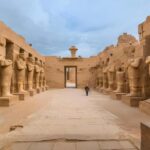

Karnak Temple: The Best “First Big Stop”
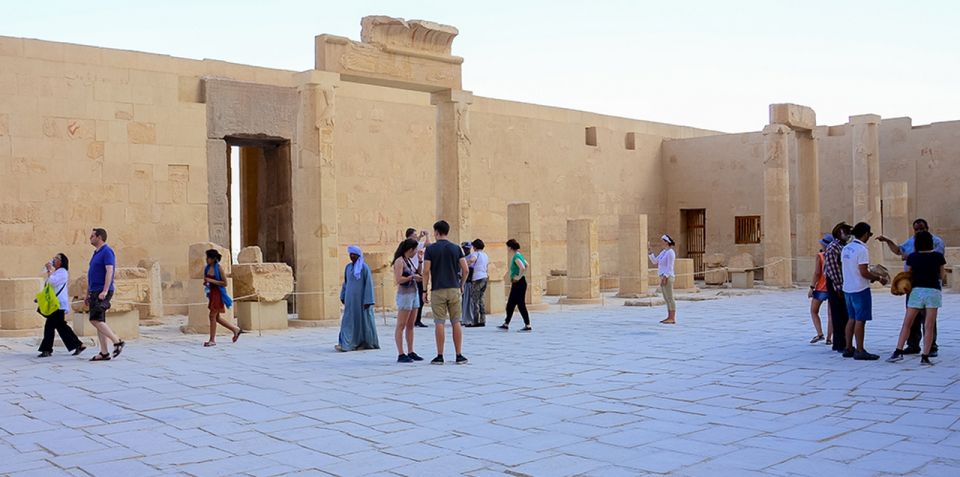
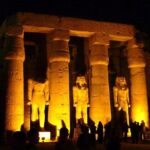
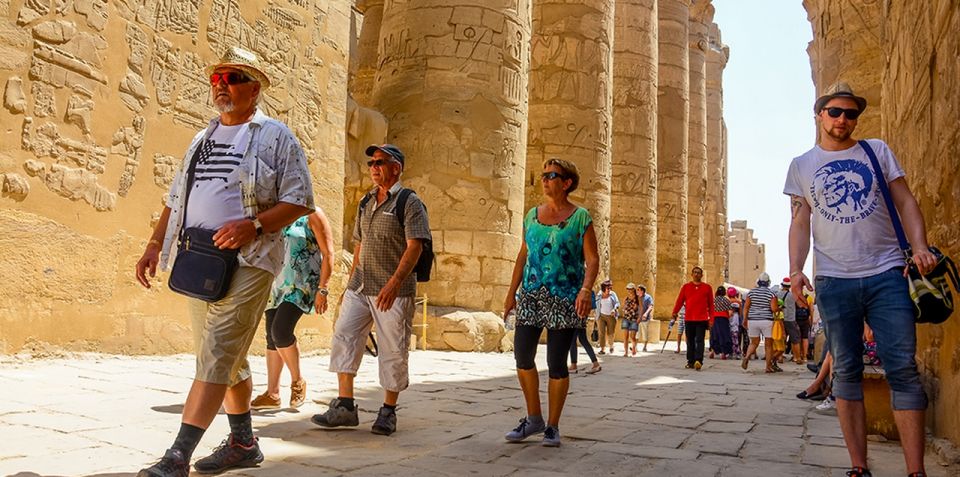
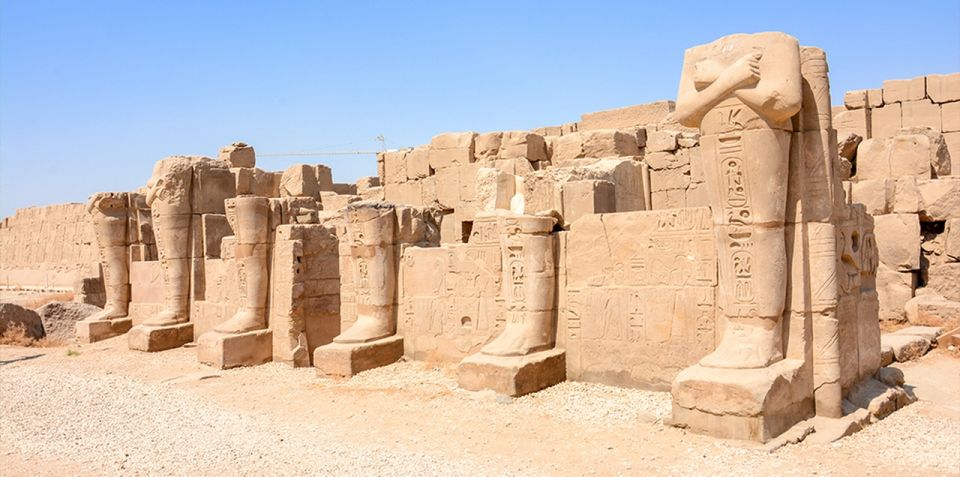
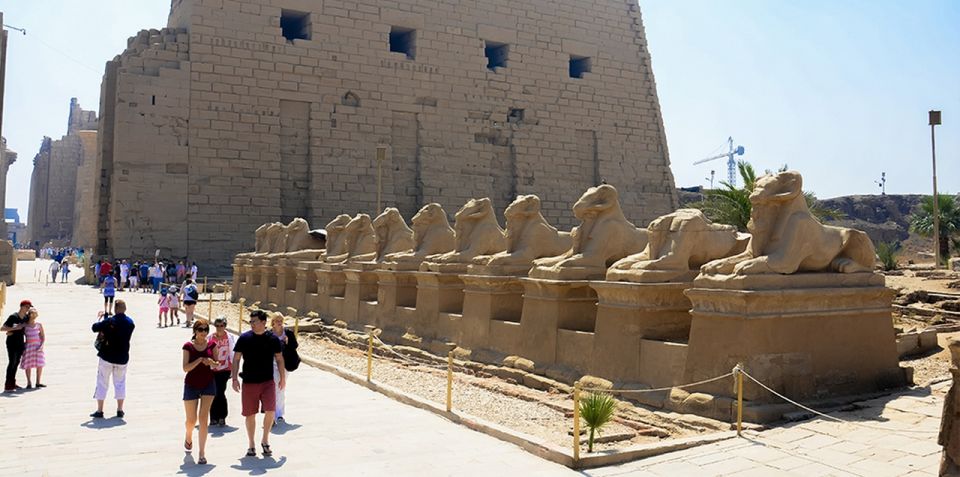
Karnak Temple is the center of this day, and it’s easy to see why. This is described as the greatest example of worship in Egyptian history, and walking through the complex gives you a strong sense of how temples functioned as more than buildings. They were machines for ritual, power, and belief.
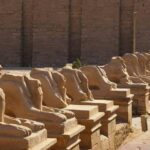
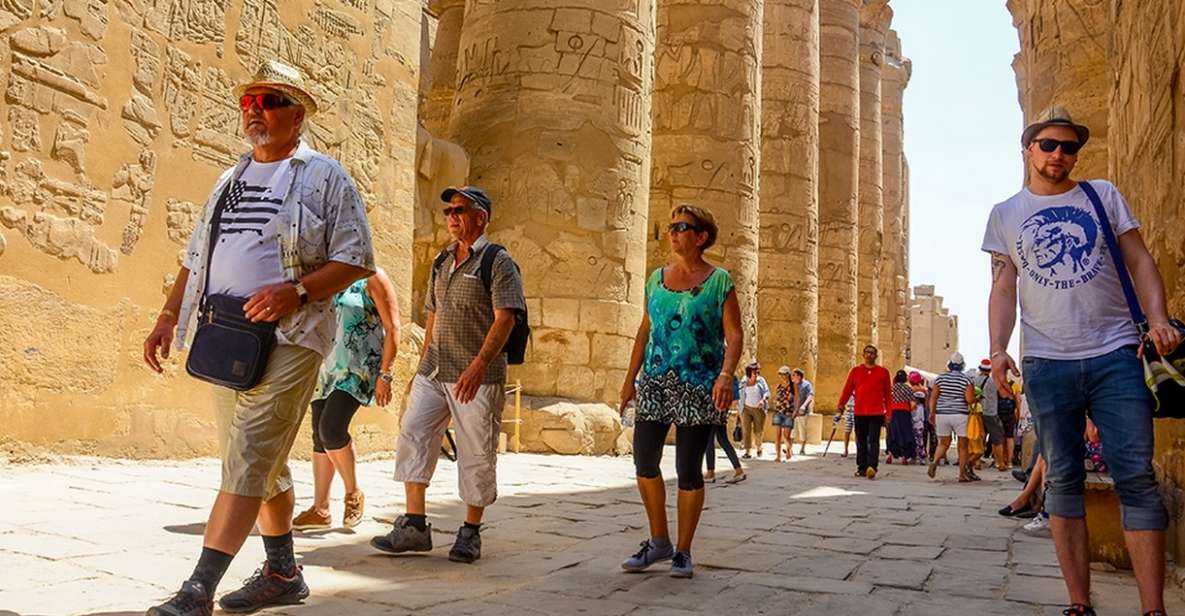
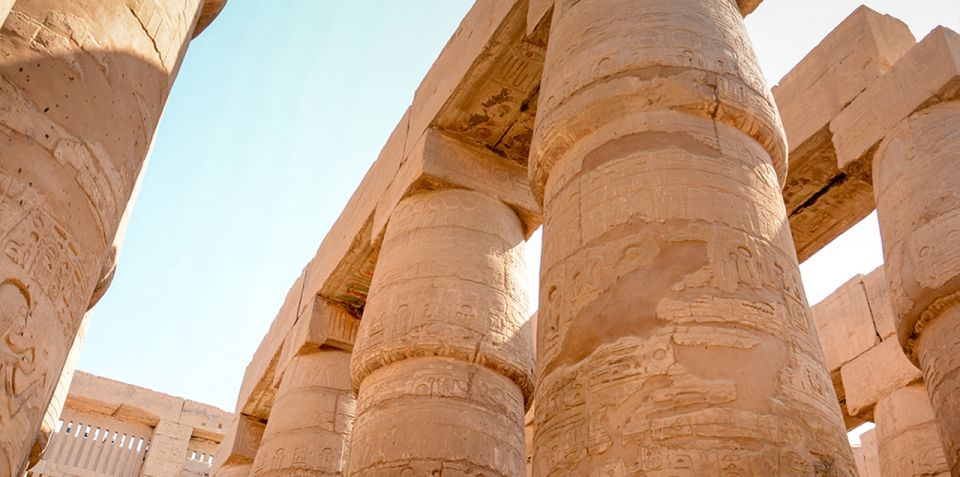
You’ll get to see Karnak as a key part of the package. Expect to spend time moving through a dramatic mix of monumental spaces. Even if you’re not a museum person, Karnak works because it’s visual: columns, courtyards, and the sense that every direction is bigger than the one before.
The value here is simple. Karnak is the kind of site where a guide can turn “wow” into understanding. Many guides on this route focus on what worship looked like, who was represented in stone, and why the complex grew so large.
If you get sensitive to crowds, go with the right mindset. This is a major classic, so you won’t be alone. Your best move is to let the guide explain the meaning first, then take your time with photos after you get what you’re looking at.
Colossi of Memnon: Big Statues, Big “Wait, That’s It?” Energy
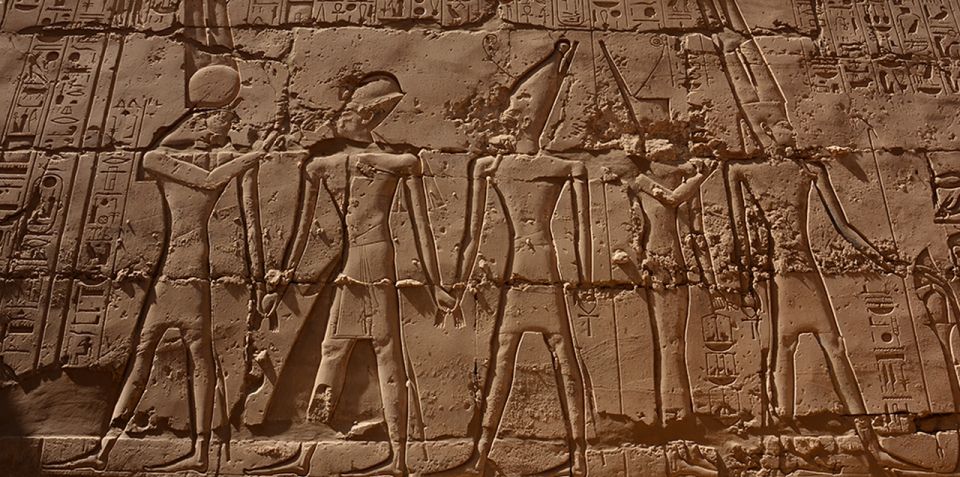
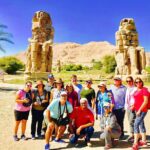
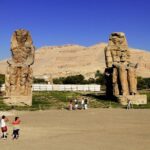
Next up are the twin statues of the Colossi of Memnon. The statues are famous, but the experience can surprise you if you expect an entire “full temple” scene. This stop is more focused: two massive figures, strong scale, and a royal story tied to the Memnon name.
What I like about this portion is how it breaks up the day. Karnak is dense with structures and details; then you step into open space and the statues hit you in a different way. It’s a good mental reset before heading deeper into Luxor’s West Bank atmosphere.
A good guide also helps you connect this stop to the idea of the pharaoh’s lasting presence. Even when you’re not reading every inscription, the overall effect is memorable: these are monumental objects meant to be seen, witnessed, and remembered.
Practical move: don’t rush the photos. The sunlight angle matters, and the statues can look totally different depending on where the light sits. If you care about pictures, take a moment to compare angles before you move on.
Valley of the Kings or Temple of Queen Hatshepsut: Choose Your Flavor
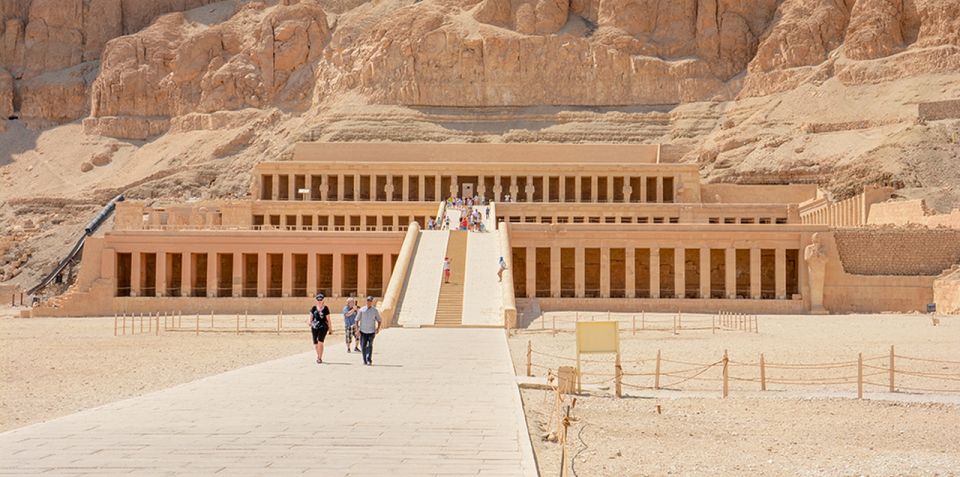
This tour gives you an important choice. You’ll visit the Valley of the Kings or the Temple of Queen Hatshepsut, depending on what option you selected.
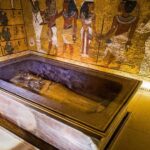
If you go for the Valley of the Kings, your day leans toward tombs and royal afterlife ideas. You’re in the world of sealed chambers, painted walls, and carefully planned burial. It’s a powerful contrast to the brighter feel of Karnak’s outdoor spaces.
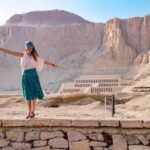
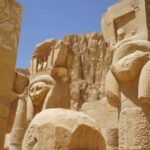
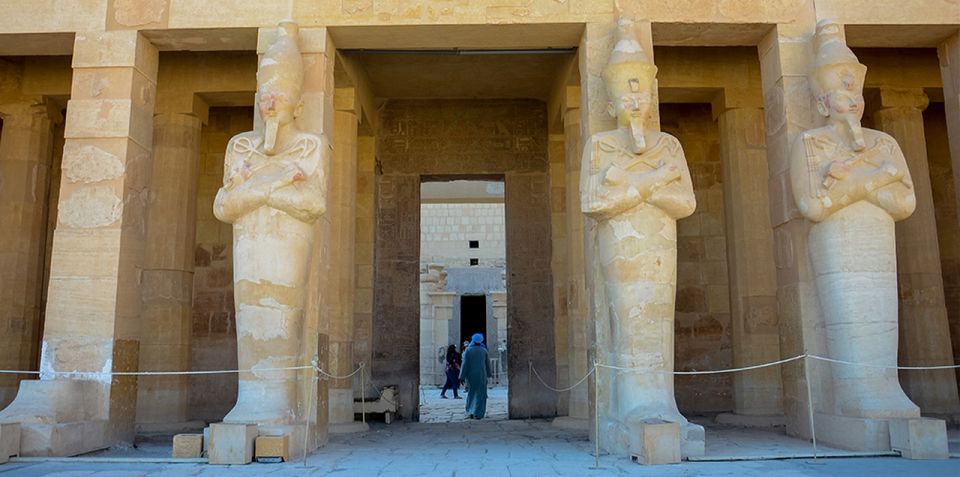
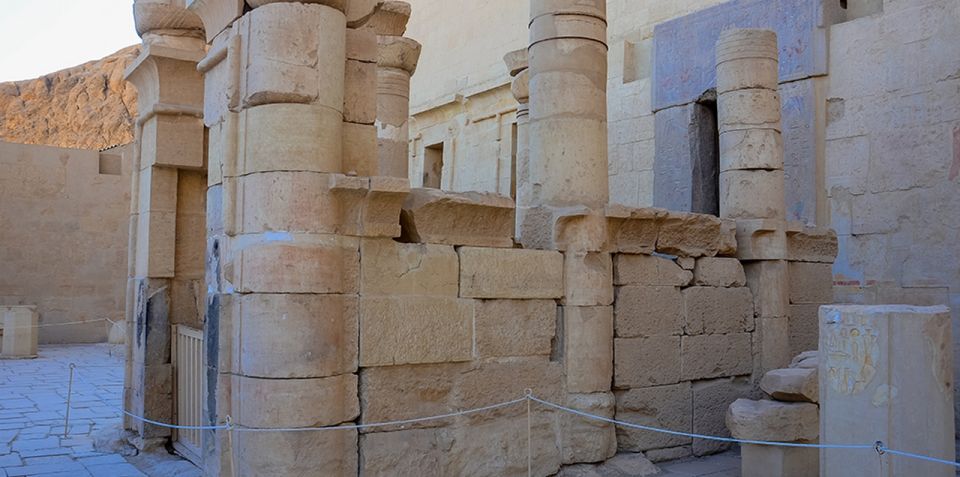
If you go for Hatshepsut’s temple, the tone shifts. Hatshepsut’s story is tied to leadership, legitimacy, and building as political statement. The temple is visually impressive and often feels more open and structured for appreciating architecture.
Either way, what you should watch is pacing. Tomb and temple time can shrink fast if your transport timing runs late. On a packed day, you’ll get the most satisfaction when you keep your energy steady and avoid getting stuck in one spot too long.
Also, plan for sun protection. Even if the tomb portion is cooler, the approach areas and waiting moments are still very exposed.
Crossing the Nile by Felucca: The Calm Moment You’ll Appreciate
The program includes a crossing of the Nile by felucca, a typical Egyptian sailing boat. This is one of the smartest parts of the day because it’s not just transportation; it’s a reset.
You’ll get a break from walking between monuments. You also get a different set of views: the river itself, the sense of place, and a slower tempo before you re-enter tomb and temple mode.
What makes it valuable is how it changes your senses. After hours of history in stone, the river adds breathing room. You’re still in Luxor, still in Egypt’s geography, but the pacing is kinder.
If you’re the type who gets restless on long tours, treat this as your mental recharge. Take a moment, drink some water if you have it, and let the experience catch up with you.

Lunch in Luxor: Included, But Expect Local
Lunch is included in the day at a good quality local restaurant in Luxor. This matters more than it sounds because transport days often fail at meals: either you get something rushed, or you’re left figuring it out while hungry and tired.
Here, you have a set stop for lunch, which helps you keep the day on track. You’ll also avoid the awkward scramble of deciding what’s safe and convenient when you’re already running on early-morning time.
A small advice note: drinks and personal expenses are not included. So if you care about bottled water, juice, or soft drinks, keep that in mind and budget a bit extra. The included lunch is solid, but you’ll still want to stay hydrated while you’re out in the heat.
Price and Value: Is $271 Fair for What You Get?
At $271 per person, this tour isn’t a bargain-basement option. The value comes from what’s wrapped in, not just the sightseeing list.
You’re covered for:
- Pickup and return transfers from/to your Hurghada hotel
- All entrance fees
- All transfers by a modern A/C vehicle
- Lunch at a local restaurant
- All service charges and taxes
That mix helps. Entrance fees alone can add up quickly at major sites. When those are included, you spend less time at ticket desks and more time actually touring.
There is also a practical value in the structure. You’re doing Luxor in one day, which means someone is managing the sequence, timing, and movement. That’s worth money when you’re not sleeping in Luxor and you’re starting at 05:00.
That said, don’t ignore the “real world” factor. A few reports highlight situations where pickup timing or the day’s flow didn’t match expectations, which can affect how much you actually see. The tour is best when everything runs smoothly, so I’d go in with a little flexibility and a plan for patience.
Guides and Language: Getting Explanations That Stick
The tour is available in multiple languages: English, German, French, Romanian, Russian, Spanish. That’s important because history at big sites feels flat without context.
On this route, guides often focus on what you’re seeing: tombs, temples, statues, and what each site meant in its original setting. Several people also described the guide’s Spanish explanations as clear and attentive, which is a good sign that the guides aren’t just reading facts off a list.
Still, I’d treat this as an opportunity, not a guarantee. If your guide explains a stop in a way you enjoy, lean in. Ask quick questions like:
- What should I look for first here?
- Why is this spot significant?
- How does this connect to the other sites today?
You’ll walk away with a stronger memory even if the schedule feels tight.
Timing, Comfort, and What to Watch for
This is the part I’ll be blunt about: with a day starting at 05:00, you’re on a clock. Most people end up happy because the sights are spectacular and the logistics are handled. But the “clock” means delays can turn a sightseeing day into a sprint.
Some people have had issues like late pickup, transport hiccups, or extra charges for certain situations. Even when a tour is advertised as inclusive, it’s worth confirming any details that affect your specific day, especially if you’re not in the standard pickup zone.
The tour notes a few extra-charge situations:
- Transfers from Makadi Bay, Soma Bay, El Gouna, or Safaga cost an extra €10 per person
Also, the tour is listed as not suitable for wheelchair users, so if mobility is a concern, you’ll need a different plan.
My best advice is simple: if your pickup feels delayed, don’t just wait silently. Have your operator details ready and keep yourself oriented. When you know where you’re headed next, you recover faster if something slips.
Who Should Book This Hurghada to Luxor Tour
You’ll likely love this tour if you want a classic Luxor hits-the-main-stops day. It’s a good fit for:
- First-time visitors who want Karnak + major West Bank sights
- People who prefer a guided flow rather than self-planning
- Anyone who values entrance fees, lunch, and transfers handled
It’s less ideal if:
- You dislike early mornings or long travel days
- You need a very relaxed pace at each site
- You’re very sensitive to schedule changes
If you’re trying to decide between Karnak-heavy days versus tomb-and-temple days, remember you can choose Valley of the Kings or Hatshepsut. Pick based on what you want most: tombs and afterlife symbolism, or architecture tied to a powerful queen’s reign.
Should You Book This Tour?
If you want a packed but well-structured Luxor day with Karnak Temple, the Colossi of Memnon, and a West Bank highlight plus a felucca crossing and included lunch, this is a strong option to consider. The inclusion of entrance fees and the organized A/C transport makes it easier to enjoy without turning the day into admin work.
I’d book it if you’re comfortable with an early start and you’re okay with the fact that one-day Luxor means prioritizing the big sights over lingering forever. If early-morning timing is a deal-breaker for you, or you want a slower “tour at your own pace” experience, then you might be happier with a multi-day Luxor stay instead.