Luxor’s temple walls can feel like they’re still talking. This private half-day trip strings together Karnak and Luxor Temple with a licensed Egyptologist, plus door-to-door pickup from your hotel or Nile cruise. You’ll get structured time in the big sights, not just wandering with a map and a prayer.
I especially like the focus on big-picture meaning: Karnak’s dedication to Amon and Mut, the Sacred Lake moment, and the Scarab statue stop, all explained in human terms. I also like the way Luxor Temple layers eras on top of each other, with pharaonic foundations plus later Coptic and Islamic presence. The main drawback to consider is that guide quality can vary a lot—if fluent English matters to you, plan to ask questions early and set expectations.
In This Review
- Key Highlights at a Glance
- A Fast Half-Day on Luxor’s East Bank
- Hotel Pickup and Private A/C Transfers: Less Hassle, More Looking
- Karnak Temple Complex: Amon, Mut, Sacred Lake, and the Scarab Wish
- Luxor Temple: Pharaonic Foundations with Coptic and Islamic Layers
- Egyptologist Guide: Personal Attention, But Check the Language Fit
- Price and Value: What $80 Buys You in Real Terms
- Timing Tips: Make the Most of Your 3 to 4 Hours
- Who This Tour Fits Best (and Who Should Skip It)
- Should You Book This Karnak and Luxor Temple Private Tour?
- FAQ
- How long is the Karnak and Luxor Temples private half-day tour?
- Do I get pickup from my hotel or Nile cruise?
- Are admission tickets included?
- What’s included in the tour price?
- Is this tour private or shared?
- Can I cancel and get a refund?
Key Highlights at a Glance
- Private, personal pacing across both temples, so you can linger when something clicks
- Hotel or Nile cruise pickup plus private A/C transfers (less stress, more time looking)
- Admission tickets included for both Karnak and Luxor Temple
- Karnak’s Sacred Lake + Scarab statue stops that turn ruins into stories
- Luxor Temple’s layered timeline: Pharonic, Coptic, and Islamic eras in one visit
- Bottled water provided, so you’re not scrambling in the heat
A Fast Half-Day on Luxor’s East Bank
This is a classic “best of” half day: enough time to understand what you’re seeing, but not so long that you feel fried. The tour runs about 3 to 4 hours, splitting time between Karnak (around 2 hours) and Luxor Temple (around 1 hour). That balance matters, because Karnak alone can swallow a morning if you go in with zero plan.
You’re also visiting the East Bank temple zone, where the big complexes are physically close enough to pair together without losing time to constant back-and-forth. The private setup helps here. Instead of queue-shuffling with a larger group, you can get straight to the parts you’ll actually want photos of and, more important, the details you’ll want explained.
If you like tours that feel organized but not rushed, this format usually works well. And if you hate feeling dragged, the private nature gives you a little breathing room while still keeping the visit efficient.
You can also read our reviews of more private tours in Luxor

Hotel Pickup and Private A/C Transfers: Less Hassle, More Looking
In Luxor, the difference between a good half day and an annoying one is often logistics. This tour includes round-trip transfers using a private A/C vehicle, picking you up from your starting point and bringing you back after the temples. That means no hunting for shared taxis, no guessing where you’re supposed to meet, and no awkward “are we late?” moments.
You’ll also have bottled water during the tour and transfers. It’s a small thing, but it helps you stay focused on the carvings and inscriptions rather than thinking about thirst every 10 minutes.
One more practical detail: you get a mobile ticket. That’s convenient when you’re bouncing between places and don’t want to juggle paper. And since the tour is set up as a private experience with only your group participating, the timing feels steadier from start to finish.
Karnak Temple Complex: Amon, Mut, Sacred Lake, and the Scarab Wish
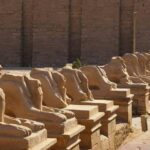
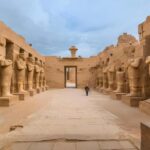
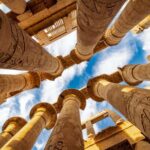
Karnak is the heavyweight. If Luxor Temple is a well-lit conversation, Karnak is a library with thousands of chapters. Here, you’ll spend about two hours exploring the Karnak Temple Complex with your Egyptologist guide.
I like how the visit is anchored in meaning. Karnak was built in dedication to Amon and his wife Mut, so the guide can connect what you’re seeing to why it existed in the first place. That context turns piles of columns into an actual story.
Two highlights that can make Karnak feel personal (even when it’s huge):
- The Sacred Lake area, which helps explain the sacred landscape concept, not just the architecture
- The Scarab statue, where there’s a tradition tied to walking around it and making a wish
Whether you treat the wish tradition as fun folklore or a meaningful local idea, it’s a memorable pause inside the larger space.
Tip for making Karnak work: wear shoes you can trust. The ground can be uneven, and you’ll likely spend a lot of time walking from one focal point to another. Also, slow down for inscriptions. When someone points out what you’re looking at, Karnak stops being “big ruins” and becomes readable.
Luxor Temple: Pharaonic Foundations with Coptic and Islamic Layers
After Karnak, you head to Luxor Temple for about one hour. This stop is shorter, but it often feels more human-scale because you’re not surrounded by the same endless sprawl.
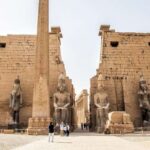
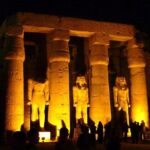
Luxor Temple is especially interesting because it shows how different civilizations used the same sacred space over time. The guide will frame it in three layers: Pharonic, Coptic, and Islamic. That matters because you’re not just seeing one civilization’s idea of power—you’re seeing how later communities reused, adapted, and reinterpreted earlier monuments.
On the pharaonic side, the temple is connected to Amunhotep III in the 18th Dynasty and later completion work by Ramesses II in the 19th Dynasty. If you’ve got any curiosity about how long major building projects took (and how rulers built on each other’s work), this is the place where that curiosity pays off.
I also think Luxor Temple is a good payoff after Karnak. Karnak can overwhelm. Luxor Temple helps you consolidate. You start to notice patterns: how processional spaces work, how religious purpose shapes the layout, and how the later layers change the feel of the walls.
Egyptologist Guide: Personal Attention, But Check the Language Fit
This tour stands or falls on the guide, and the good news is that the experience is built around having a qualified, fully licensed Egyptologist. In practice, that typically means you’ll get clear explanations, not just someone pointing at stones.
A couple of guide names from past experiences you may run into include Anton, Abdu, Ahmed, Barry, Youssef, Muhamed, and Hajjaj. What these names have in common is the ability to make the temples feel less like background and more like a guided conversation with the past.
The one caution: English ability isn’t guaranteed to be equally smooth for every guide. If clear, detailed explanation is your priority, I’d treat the first few minutes as your test drive. Ask something simple like what the main dedication of Karnak was, or who built Luxor Temple’s key pharaonic pieces. If you can follow the answer easily, you’re in a great spot.
If English isn’t your highest priority and you just want to see and understand more than you could alone, this kind of private format can still be an excellent choice.




Price and Value: What $80 Buys You in Real Terms
At $80 per person, this isn’t a budget “grab-and-go” option—but it also isn’t priced like a luxury day either. The value comes from what’s included.
You get:
- Private A/C transfers from and back to your starting point
- An Egyptologist guide
- Admission tickets for both Karnak and Luxor Temple
- Bottled water
- Service charges and taxes
That package matters because in Egypt, the cost creep often happens at the edges: admission fees, transport, and the time you lose without a plan. Here, you’re paying a single number and getting the main friction points handled.
A good way to think about it: if you were to self-organize, you’d likely spend time sorting transport and tickets, and you’d miss the explanation that turns carvings into meaning. When the goal is understanding what you’re seeing—not just checking boxes—this price usually feels fair.
Timing Tips: Make the Most of Your 3 to 4 Hours
You’ll be moving through two major sites, so the trick is not overpacking your expectations. Karnak gets about two hours, and Luxor Temple gets about one. That means you should decide in advance what matters most to you.
My suggestion:
- If you care about big architectural layout and sacred spaces, prioritize Karnak’s Sacred Lake and statue areas
- If you care about the layered timeline of Egypt’s later eras, focus your attention at Luxor Temple’s pharaonic plus Coptic and Islamic context
Also, because this is a half-day tour, you’ll likely have the rest of your day for other plans—maybe a second temple visit, photos along the Nile, or simply downtime. That’s the hidden value of a well-structured half day: it keeps your schedule flexible.
Don’t forget practical heat and comfort basics. Comfortable shoes and light clothing are your best friends. Even with bottled water, you’ll want to be able to move easily without constantly adjusting your gear.
Who This Tour Fits Best (and Who Should Skip It)
This private half day is ideal if you want:
- A structured visit that covers the two biggest temple experiences
- Personal attention from a guide, not just a group headset
- Included admission tickets so you’re not juggling payments and lines
- Comfort-focused logistics with pickup and A/C transfers
You might want to choose a different option if:
- You have a strong preference for very long temple time, since Karnak’s two-hour slot is solid but not exhaustive
- You’re sensitive to guide language differences, and you need very detailed English on every topic
Families and solo travelers can both work well with this setup. The key is that you’re not stuck on a rigid bus tour. You’re in control of your pace within the time window.
Should You Book This Karnak and Luxor Temple Private Tour?
If you’re trying to make the most of limited time in Luxor, I’d lean toward booking. Karnak and Luxor Temple are the two anchor stops, and getting them together in one efficient half day is a smart move.
This is especially worth it when you care about understanding why things were built and how later cultures changed what the temples meant. The Sacred Lake and Scarab tradition at Karnak add a human moment to the scale, while Luxor Temple’s pharaonic plus Coptic and Islamic layers help you see the continuity and change across centuries.
Just do one thing before you go: if language clarity is critical for you, make sure the guide can explain the basics early on. Then you can relax and enjoy the stones for what they are—Egypt’s long memory, set in stone.
FAQ
How long is the Karnak and Luxor Temples private half-day tour?
The tour is listed as approximately 3 to 4 hours total.
Do I get pickup from my hotel or Nile cruise?
Yes. Pickup is offered from your starting point, and the tour includes return transfers back to your hotel or cruise ship.
Are admission tickets included?
Yes. Admission tickets for both Karnak Temple and Luxor Temple are included.
What’s included in the tour price?
Included features are private A/C transfers, a qualified fully licensed Egyptologist guide, bottled water, service charges and taxes, and entry/admission for both temples.
Is this tour private or shared?
This is a private tour/activity. Only your group will participate.
Can I cancel and get a refund?
Yes. Free cancellation is available up to 24 hours in advance for a full refund. If you cancel less than 24 hours before the start time, the amount paid is not refunded.