REVIEW · LUXOR
Luxor East and West Bank Tour
Book on Viator →Operated by Journey To Egypt · Bookable on Viator
Luxor can feel like a history test you actually want to take. This East and West Bank day tour strings together Luxor’s biggest hits, from the Valley of the Kings to Karnak, with a private car so you spend less time sorting logistics and more time looking at the details that matter.
I like that the plan moves fast but still aims for context, not just photos. I also really like the comfort extras: pickup, a private air-conditioned vehicle, and bottled water for the ride.
One possible drawback: it’s a lot of tombs and temples in one go, so if you hate crowds or you’re easily tired by heat and walking, you’ll want to pace yourself and plan for breaks.
In This Review
- Key things that make this Luxor tour worth your time
- East and West Banks: why this route hits harder than doing it alone
- Price and logistics: what you’re really paying for
- Valley of the Kings: the one stop you should not treat like a quick photo
- Deir el Bahari and Hatshepsut’s Temple: when architecture becomes politics
- Colossi of Memnon: short stop, big presence
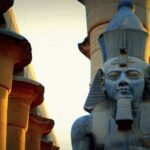
- Karnak Temple: why this is Luxor’s main stage
- Luxor Temple: the quieter finale with strong symbolism
- The guide makes or breaks a long day
- Lunch, water, and the small comfort wins
- How long is enough? A realistic read on the 6 to 8 hours
- What kind of traveler will love this most
- Should you book this East and West Bank Luxor tour?
- FAQ
- FAQ
- Is this tour private?
- How long does the Luxor East and West Bank tour take?
- Does the tour include hotel pickup and drop-off?
- What sites are included in the itinerary?
- Are entrance fees included?
- Is lunch included?
- What’s included for the ride between sites?
- Do I need to bring a mobile ticket?
- What if I need to cancel?
- Is this tour suitable for most travelers?
Key things that make this Luxor tour worth your time
- East Bank + West Bank in one day: You get the famous temple complex of Karnak and Luxor Temple plus the royal funerary sites across the Nile.
- Major sites with time to see them: You’re not rushed through every stop; the schedule includes longer blocks at the big anchors like the Valley of the Kings and Karnak.
- Private transport that keeps the day smooth: A modern, air-conditioned vehicle plus hotel pickup and drop-off means fewer moving parts.
- Guides who explain what you’re looking at: Multiple guides are praised for clear English and for handling lots of questions without making you feel rushed.
- Comfort perks that help in the heat: Reviews mention cold towels and water, which is a big deal when you’re out all day.
- Flexibility if you want extra ideas: Some guides may suggest nearby add-ons beyond the core route, but you should confirm what fits your day.
East and West Banks: why this route hits harder than doing it alone
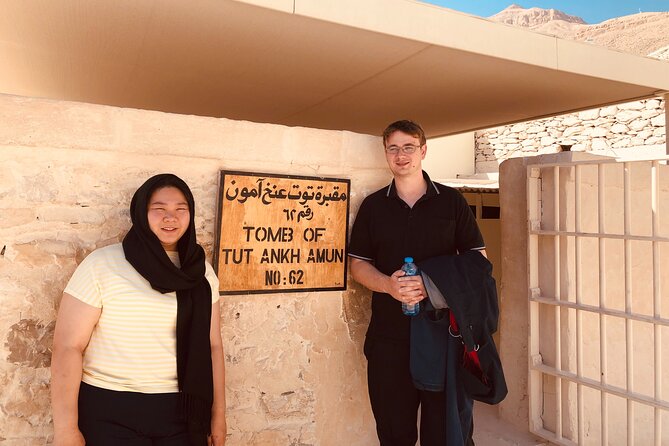
Luxor’s two sides of the Nile don’t just split geography. They split the vibe. The West Bank is about royal burials and the dramatic, remote setting of ancient Egypt’s necropolis. The East Bank is where you get temple life: massive ceremonial spaces and the constant building-and-rebuilding cycle of pharaohs.
What I like about doing this as a single private day is that you can connect the story. When you stand in front of Karnak right after being in the Valley of the Kings, the meaning of kingship, religion, and power starts to feel more linked instead of like five separate sightseeing stops.
And yes, it’s a whistle-stop day. But the structure is built around the places that actually anchor Luxor’s identity.
You can also read our reviews of more tours and experiences in Luxor.

Price and logistics: what you’re really paying for
This tour is listed at $25 per person, and for that price you’re getting a private, air-conditioned vehicle with pickup and drop-off. That’s the real value: not just transportation, but time and hassle saved. Luxor can be busy at the entrance areas, and having a plan with transfers already handled keeps your day from turning into a scavenger hunt.
Two things to double-check before you go:
- Entrance fees: the stop details mention tickets, but the included section also notes entrance fees as not included. That means you should confirm what’s covered in your exact booking.
- Lunch: the overview says a tasty Egyptian lunch is included, but the included list also says lunch meal is not included. If lunch matters to you, ask the operator what’s included for your specific option.
Even with those small gray areas, the core logistics are solid: private transfers, bottled water, and a schedule that hits five major monuments.
Valley of the Kings: the one stop you should not treat like a quick photo
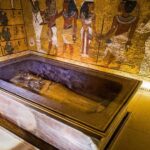
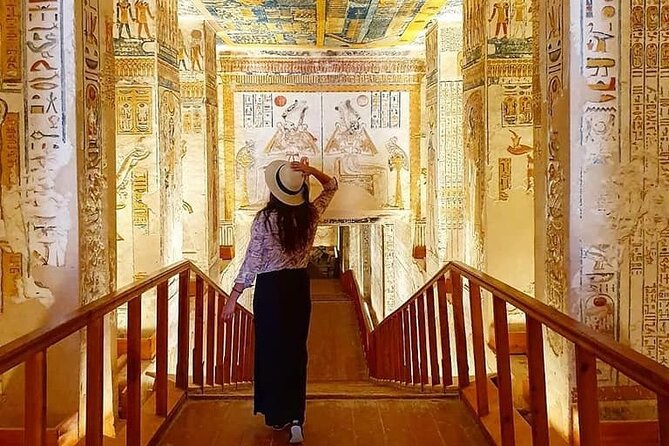
This is the star of the West Bank. You’re visiting the Valley of the Kings, famous as a vast royal necropolis with dozens of tombs carved into the rock. The schedule sets aside about 2 hours, which is just enough time to take in the setting and still slow down for the tomb experience.
Practical tip: the Valley of the Kings is not about checking a box. It’s about understanding why these tombs were cut where they were, and why the whole place feels designed for secrecy and protection. A good guide helps you interpret what you’re seeing instead of leaving you staring at carvings with no context.
Also consider energy management. Two hours here can feel longer than you expect, especially if you stop at multiple tombs or ask questions. If you’re the type who wants more time inside one tomb, the private format is exactly what helps you do that.
Deir el Bahari and Hatshepsut’s Temple: when architecture becomes politics
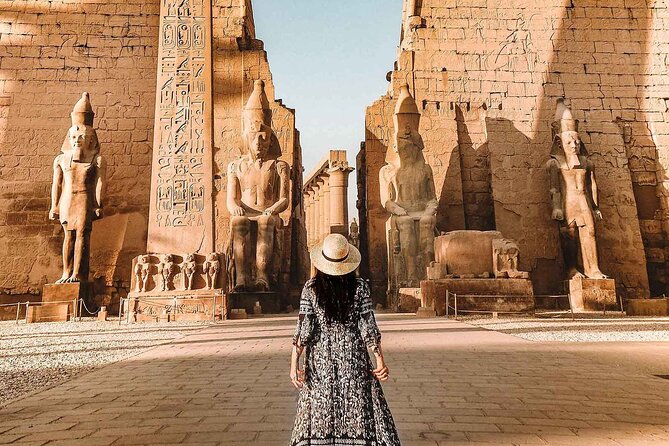
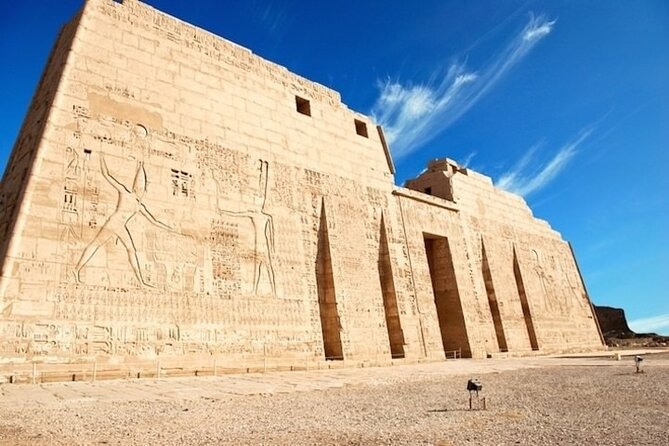
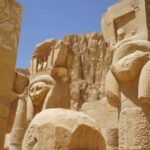
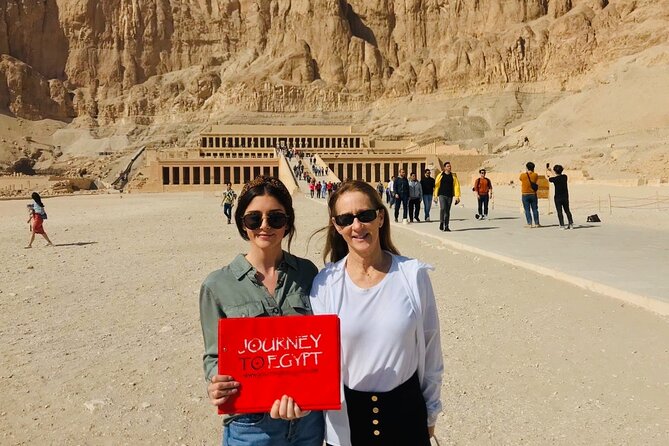
Next up is the Temple of Hatshepsut at Deir el Bahari. The schedule gives you about 1 hour here, and it’s a stop that rewards attention. Hatshepsut’s temple is associated with the Egyptian queen who ruled as king, which means you’re not just looking at beauty. You’re looking at messaging.
This is where your guide matters a lot. The temple’s design isn’t random. It’s a statement in stone, and understanding how Hatshepsut’s authority was framed helps you read the monument like a document.
If you’re sensitive to heat, this is also the kind of place where you can take breaks without feeling like you’re falling behind. You’re not forced into constant movement the way you might be at a more spread-out archaeological site.
Colossi of Memnon: short stop, big presence
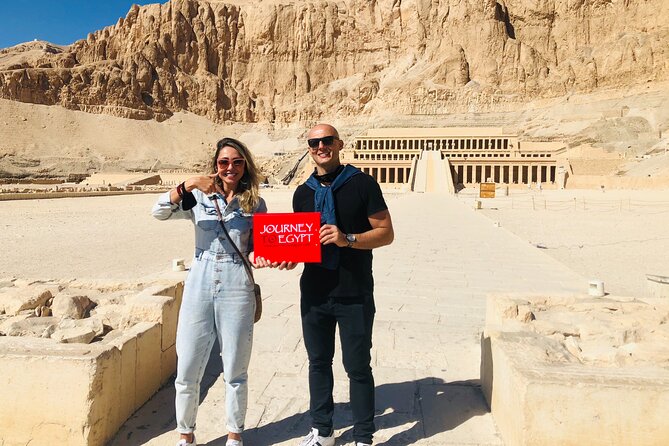
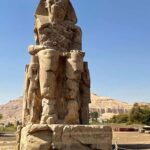
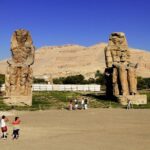
Then you get the Colossi of Memnon—two monumental statues from a larger sculptural project. The visit time is only 15 minutes, so treat it as a pause and a viewpoint moment rather than a full exploration stop.
These statues can be visually impressive from the start. They’re meant to feel permanent, heavy, and commanding. A quick stop here works well because it keeps your day moving while still adding a West Bank marker that’s instantly memorable.
If you’re the type who loves photos, this is one of the better places to take a few without burning time. If you hate photo stops, you can simply walk in, look closely at the scale, and move on.

Karnak Temple: why this is Luxor’s main stage
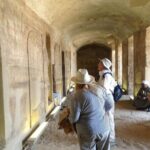
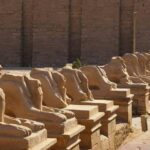
Karnak is not one temple. It’s a whole complex, grown over time. The schedule allots around 2 hours, which is important because Karnak rewards a slower approach. It’s huge, and without context it can feel like you’re walking through walls.
This stop is where the guide’s role really shows. Multiple guides are praised for turning the place into a story: how different pharaohs added, amended, and expanded what was already there. That means you can walk away understanding that Karnak wasn’t built once. It was maintained as a long-running project tied to power and belief.
Practical advice:
- Wear good shoes. Karnak involves uneven stone paths and a lot of walking.
- Don’t try to read every carving. Instead, pick a few focal points and let the guide connect them.
- If you want photos, time them for moments when you have space to stand still.
If you’re only going to choose one East Bank anchor to truly savor, make it Karnak.
Luxor Temple: the quieter finale with strong symbolism
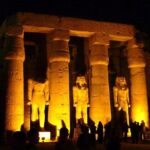
Luxor Temple is the final major temple stop, with about 1 hour scheduled. The site was constructed over hundreds of years by pharaohs such as Amenhotep III, Ramses II, and Tutankhamun, which means it’s another place where time layered into stone.
This temple tends to feel less overwhelming than Karnak, which is a good thing by late afternoon. It’s a chance to slow down a little, regroup, and focus on how temple spaces were used for ceremonial life.
Also, Luxor Temple is often a great place to ask questions. By this point in the day, your brain has the framework from the Valley of the Kings and Karnak, so your guide can connect the dots more easily.
The guide makes or breaks a long day
This tour lives or dies on interpretation. The highlights emphasize in-depth commentary, and the reviews back up that idea hard. Guides like John and Tamar are mentioned for clear English, patience with questions, and for showing visitors what not to waste time on.
I’d treat that as a practical signal. A good guide will help you:
- avoid unnecessary detours inside big sites,
- explain what the carvings and layout are telling you,
- adjust pace so you don’t feel dragged through everything.
And it’s not only about knowledge. It’s about comfort with the pace. Reviews note guides who kept the group at the pace you wanted instead of forcing a rigid checklist. That matters when you’re spending hours in the sun and moving between sites by car.
If you’re traveling solo or with limited patience for crowds, that guidance can turn a tough day into a satisfying one.
Lunch, water, and the small comfort wins
The tour overview references a tasty Egyptian lunch, and at least one guide’s route included a rooftop meal with typical Egyptian food and a Nile view. But since lunch is marked as optional in the included list, I’d plan on the possibility that you’ll pay for lunch directly unless your booking confirmation clearly states it’s included.
Either way, the practical support is there: bottled water on board the vehicle, and reviews mention cold towels. In Luxor heat, those small wins can save the day. They’re not flashy, but they prevent the classic problem: getting cranky mid-tour because you’re overheated and thirsty.
My suggestion: eat in a way that keeps you going. Don’t go heavy on anything that makes you sleepy. Keep hydration going, especially if you’re adding extra questions stops.
How long is enough? A realistic read on the 6 to 8 hours
The tour estimates 6 to 8 hours, depending on pacing and site access. That range is believable. You’re looking at multiple major monuments, time inside, and car transfers.
Here’s what this means for you:
- If you prefer slow sightseeing, plan for the longer end of the estimate.
- If you’re efficient and your guide keeps you focused, you may land closer to the shorter end.
Either way, this isn’t the tour for people who want five minutes at each site and then to leave. It’s a tour for people who want a real sense of place in one day.
What kind of traveler will love this most
This is a good fit if you want a Luxor greatest-hits day without the stress of arranging transfers and sorting tickets on your own.
It’s also a strong choice if you:
- like having a clear route and time blocks,
- enjoy learning from a guide rather than wandering aimlessly,
- want to see both banks without splitting into separate days.
If you’re the type who needs lots of downtime, you might feel squeezed. But you still have control in a private format. Use it. Ask for pauses. Take shade when you can. This is a marathon day, not a sprint.
Should you book this East and West Bank Luxor tour?
I’d book it if you want a focused day that hits Luxor’s defining monuments and gives you context along the way. The private air-conditioned vehicle, pickup and drop-off, and comfort perks like bottled water add up to real value, especially at the listed $25 per person level.
I would not book it blindly if you’re unsure about what’s included for entrance fees and lunch. Those items look a bit inconsistent across the details, so confirm before you go. Once you’ve checked that, this tour is a smart way to see East and West Bank in one solid push.
If you’re short on time in Luxor and want the highlights without the hassle, this is the kind of day plan that makes your trip feel complete.
FAQ
FAQ
Is this tour private?
Yes. This is a private tour/activity, and only your group will participate.
How long does the Luxor East and West Bank tour take?
It runs about 6 to 8 hours (approx.).
Does the tour include hotel pickup and drop-off?
Yes. Pickup services from your hotel and return are included, and the tour ends back at the meeting point.
What sites are included in the itinerary?
The tour includes the Valley of the Kings, the Temple of Hatshepsut at Deir el Bahari, the Colossi of Memnon, the Temple of Karnak, and Luxor Temple.
Are entrance fees included?
The itinerary notes admission tickets included for the listed stops, but entrance fees are also marked as optional/not included in the details. Check your booking confirmation for what applies to you.
Is lunch included?
The overview says lunch is included, but lunch meal is also listed as optional/not included. Confirm what’s included in your specific option before the day.
What’s included for the ride between sites?
You get transfers by a private air-conditioned vehicle, plus bottled water on board during the tour.
Do I need to bring a mobile ticket?
A mobile ticket is part of the tour features, and confirmation is received at booking time.
What if I need to cancel?
You can cancel for a full refund if you cancel up to 24 hours in advance of the experience start time. If you cancel less than 24 hours before, the amount paid is not refunded.
Is this tour suitable for most travelers?
Most travelers can participate. If you have mobility concerns, you may want to consider the amount of walking involved at the sites and plan accordingly.