REVIEW · LUXOR
Luxor Day Tours To East Bank & West Bank
Book on Viator →Operated by EMO TOURS EGYPT · Bookable on Viator
Luxor’s East and West Banks pack a lot of story into one day. I like how this tour hits the big UNESCO sites from ancient Thebes without wasting time, and you get a private A/C vehicle transfer between stops. Two things I’d call out right away are the chance to tour with an Egyptologist-style guide (some guides like Mohamed Eltiba, Ahmed, Mohamed Ali, and Ms Angie are specifically praised) and the tight focus on major monuments: Karnak, Luxor Temple, the Valley of the Kings, and Hatshepsut. One consideration: it can feel busy, and while bottled water is listed as included, there’s at least one report where a driver tried to charge for it before it got sorted out with the company.
For planning, think of this as a structured “greatest hits” day with the option to add what you want (guide, entry fees, lunch) depending on your chosen package. The best part is that you’re not stuck figuring out logistics on your own in Luxor traffic. The main drawback is that the day is only about 8 hours, so you’ll want to stay flexible and accept that some sites are slower or faster depending on crowds and the guide’s pacing.
In This Review
- Key things to know before you go
- East and West Bank in one day: what you’re really buying
- Pickup, private A/C vehicle, and the small stuff that affects your day
- Stop 1: Karnak Temple—worship as a city-sized concept
- Stop 2: Luxor Temple—how the New Kingdom fits together
- Stop 3: Valley of the Kings—burial architecture and real royal names
- Stop 4: Temple of Hatshepsut (Deir el Bahari)—one of the most compelling stops
- Stop 5: Colossi of Memnon—two statues, lots of context
- The value call: is $15 really a good deal?
- Guides can make or break Luxor days: what to look for
- Pace and comfort: the tradeoff you should plan for
- Who this tour fits best
- Should you book Luxor Day Tours To East Bank & West Bank?
- FAQ
- What sites are included on the East and West Bank tour?
- How long is the tour, and what time does it run?
- Is pickup from my hotel included?
- Are entrance fees and a tour guide included?
- Is lunch included?
- What happens if weather is poor or I need to cancel?
Key things to know before you go
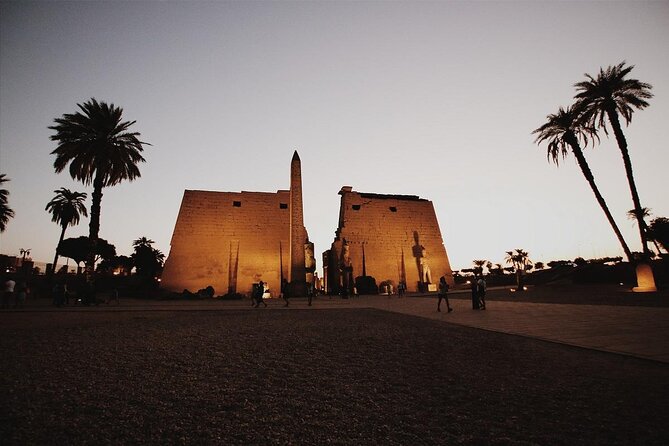
- Private transport plus pickup/drop-off so you’re not bargaining your way across town
- Karnak + Luxor Temple covers the religious center of Thebes in a single morning-to-midday flow
- West Bank time gives you Valley of the Kings tombs and Deir el Bahari at a reasonable pace
- Entry fees can depend on your option even though the itinerary notes admissions
- Good guide support matters here; named guides are repeatedly praised for clear, patient explanations
- Bring stamina; you’ll be walking and moving between sites for roughly 8 hours
East and West Bank in one day: what you’re really buying
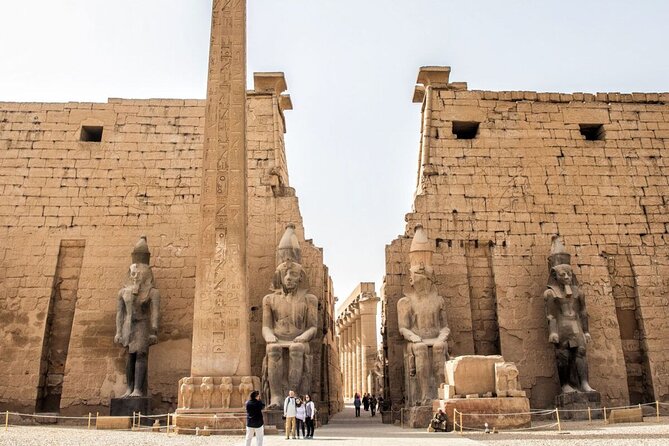
This is a private Luxor day tour that connects both sides of the Nile: the East Bank (Karnak Temple and Luxor Temple) and the West Bank (Valley of the Kings, Hatshepsut at Deir el Bahari, and the Colossi of Memnon). The value is in the sequencing. You start with the temples and then move toward the tomb sites and funerary landscapes. If you’re short on days, this keeps you from having to choose one bank only.
The timing is built around a full circuit, roughly 8 hours. That means you get a lot of monuments, but you also don’t get “hours and hours at each place.” I like this kind of day when I want context and photos, not when I want a slow, museum-like pace. A private guide makes the difference because these sites can feel repetitive unless you understand what you’re seeing: gods, royal names, and burial ideas.
Pricing starts at $15 per person, and the tour is often booked about 30 days in advance. That price can be tempting, but it also means you should confirm exactly what’s included in your specific option. The tour description lists things like admission tickets in the itinerary, but the package notes say entrance fees may be optional depending on the upgrade you choose. If you’re trying to keep your budget tight, you’ll want one quick message to the provider: what’s covered in your chosen package—entry fees, guide, and/or lunch.
You can also read our reviews of more tours and experiences in Luxor.

Pickup, private A/C vehicle, and the small stuff that affects your day
Logistics sounds boring until you’re standing in the heat with everyone else’s plans colliding. Here, you’re covered on the big pieces: pickup from your hotel or Nile cruise is offered, you travel in a private A/C vehicle, and you get bottled water listed as included. The tour is also described as having mobile ticket support and group discounts, though the experience itself is private for your group.
Two practical notes:
- The tour starts at Luxor Railway Station and ends back at the meeting point, but the itinerary also describes hotel pickup and return. That usually means the provider adjusts to your accommodation. Still, confirm your exact pickup and drop-off location so you’re not surprised at the end.
- One report notes bottled water being treated like a paid item at first, then resolved after contacting the company. I’d treat this as a reminder to check what’s included when you board.
If you’re coming from a cruise, the private transport is a big win. Crossing between East and West isn’t hard, but coordinating taxis and bargaining can eat time. A smooth ride lets you spend that time on the temples and tombs.
Stop 1: Karnak Temple—worship as a city-sized concept
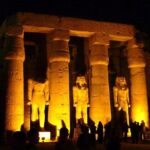
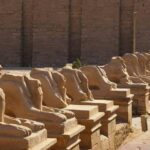
You begin on the East Bank at Karnak Temple, often described as the greatest example of worship in history dedicated to Amon, with Mut and Khonsu as related figures. Karnak is huge, and it’s the kind of place where your understanding improves fast when you have someone explaining what different spaces were for.
Why this stop matters:
- It gives you the religious backbone of Thebes. If you start here, later details at Luxor Temple feel less random.
- You can take photos, but more importantly, you can connect the scale to the idea of power and devotion.
The time given is about 2 hours. That’s enough to see major areas without feeling like you’re running. A downside: Karnak’s size means some visitors rush even when they don’t mean to. If your guide is good—like those praised for clear explanations—you’ll slow down without losing time.
Stop 2: Luxor Temple—how the New Kingdom fits together
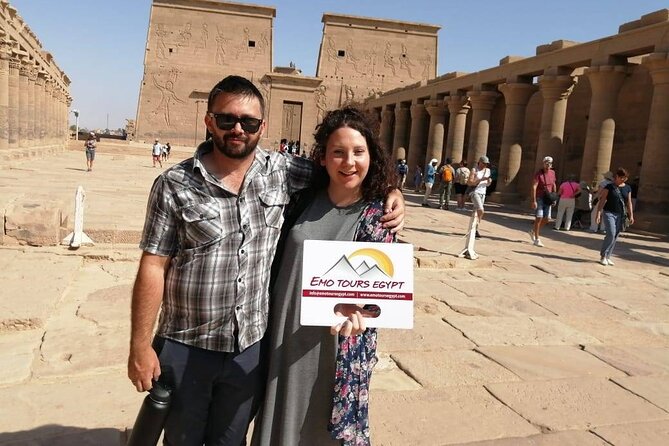
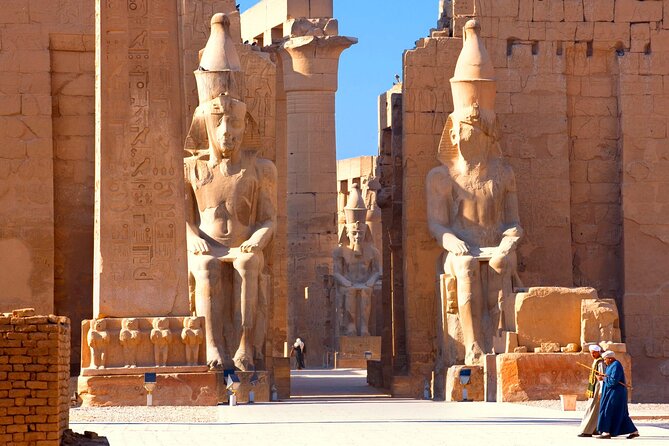
Next you visit Luxor Temple, linked to the 18th Dynasty and tied to Amunhotep III, with completion by Ramesses II in the 19th Dynasty. In plain terms, it helps you see how royal building projects carried forward across reigns.
This is listed for about 1 hour. That may sound short after Karnak, but Luxor Temple feels more manageable. You get a strong sense of the temple layout and royal influence without turning the day into a 12-hour march.
If you like learning how dates and dynasties connect, this is a great place to anchor your day. If you don’t have an expert guide, you might still enjoy it, but you’ll likely get more from it with one of the well-rated guides mentioned in the feedback (Ahmed and Mohamed Ali are both praised for explaining history and meaning clearly).
Stop 3: Valley of the Kings—burial architecture and real royal names
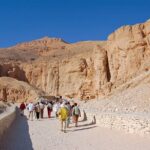
Now you cross to the West Bank and head to the Valley of the Kings. This is the burial landscape where royal tombs and high-status individuals were placed. The tour frames it as a place where the grandeur of architecture served as burial sites for kings.
You get about 2 hours here. That’s a realistic window if you want to see a handful of tombs (or tomb areas) and still have time to understand what you’re looking at.
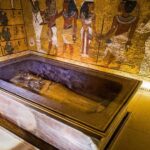
The tour highlights several well-known tomb connections: Tutmosis I, Tutmosis III, Tut-Ankh-Amon, Ramssess VI, Mrenptah, and Amonhotep I. Even if you don’t see every tomb, the guide can help you place these names in the broader story of who was buried and why.
A key consideration: the Valley of the Kings can be crowded and the walking can add up. Wear shoes that handle uneven ground and heat. The best tours here are the ones that keep you from bouncing randomly from one entrance to another—you’ll get more value if your guide helps you pick what to focus on.

Stop 4: Temple of Hatshepsut (Deir el Bahari)—one of the most compelling stops
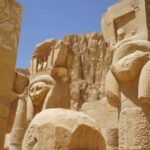
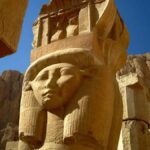
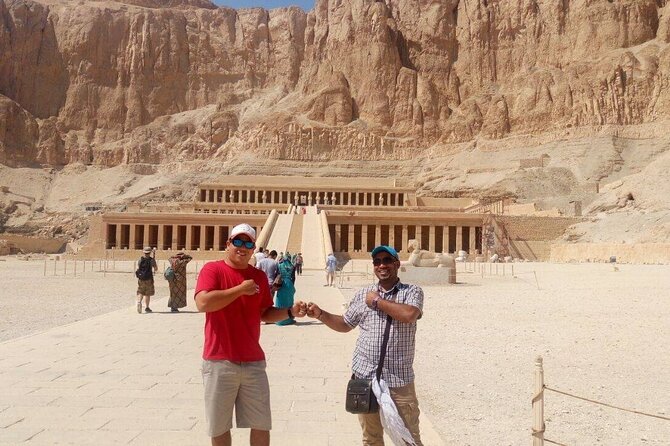
Then comes Deir el Bahari, the Temple of Queen Hatshepsut—described as the only pharaonic woman who reigned in ancient Egypt. The tour notes the temple was built by Hatshepsut, daughter of Thutmosis I, and that she ruled for about 20 years during the 18th Dynasty (approximately 1490–1469 B.C).
This stop is listed for about 2 hours, which is exactly what you want. Deir el Bahari isn’t just a tomb-adjacent site; it’s a statement in stone, with a layout that draws your eyes across terraces and columns. Even if you’re not a hardcore history person, the site tends to make people slow down because the setting and design invite it.
What makes it especially valuable on a private tour is that you can ask questions. A good guide can connect Hatshepsut’s role in the dynasty to what you see in the temple structure and inscriptions. Guides named in the feedback (including Ms Angie) are praised for being friendly and explaining meanings in a patient way, which matters a lot here.
Stop 5: Colossi of Memnon—two statues, lots of context
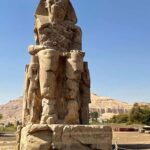
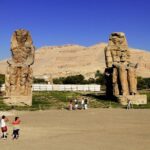
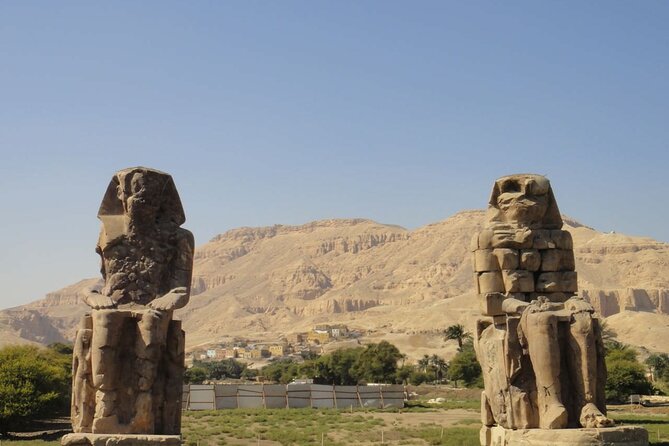
You finish with the Colossi of Memnon, described as the remains of the mortuary temple of Amenhotep III. It’s a shorter stop—about 1 hour—and it can feel simple if you only glance at the statues.
But here’s the trick: on this tour, Colossi of Memnon works best as a final “thesis statement.” You’ve spent hours on living temples (Karnak, Luxor Temple) and burial landscapes (Valley of the Kings, Deir el Bahari). Then you end with a reminder that royal worship and royal commemoration didn’t stop at death—it became monuments you could see from far away.
If you want photos, this is a good place to take a breath. If you’re already tired, focus on getting a couple of strong shots rather than trying to cover every angle.
The value call: is $15 really a good deal?
At face value, $15 sounds like one of those numbers that can’t include much. The truth is more nuanced. This tour offers upgrades—such as adding a tour guide, entry fees, and/or lunch. The itinerary itself says admissions are included at several stops, while the package info says entrance fees can depend on the option chosen. So you’ll get the best value by confirming your exact inclusions.
Here’s how I’d judge it:
- If your package includes guide + entry fees, you’re paying something close to “all-in sight time” pricing, and that’s solid.
- If it’s a basic transport-and-driver style package, then you may need to budget extra for sites and guidance, which can raise your real cost quickly.
- Either way, the private A/C transport and the structured East/West schedule are usually where the money goes to save your time.
The pricing structure also matters if you’re traveling as a pair or small group. The tour notes group discounts, so if you’re flexible on matching up with others, your per-person cost can be easier to swallow.
Guides can make or break Luxor days: what to look for
The strongest praise centers on the guides. Named examples include:
- Mohamed Eltiba, praised for being great and informative
- Ahmed, praised for being super knowledgeable and friendly
- Mohamed Ali, praised for kindness and explaining meanings of scriptures
- Ms Angie, praised for being lovely and informative
What I take from that: you’re not just paying for someone to lead you through doors. In Luxor, a guide helps you understand names like Amon, Khonsu, Hatshepsut, and royal dynasties tied to building projects. Without that, you can end up with “lots of walls and columns” and not much connective tissue.
Language support shows up too. One account notes that even with limited English, explanations were handled kindly and carefully. If you’re not fluent, it’s still smart to request an Egyptologist-style guide if your package offers that option.
Pace and comfort: the tradeoff you should plan for
This is a full day with five major stops. Even with private transport, you’re moving between monuments and spending time in queues and ticket lines. It’s a smart choice for a first Luxor day, but don’t plan a late-night dinner where you want to be fresh.
Two practical tips:
- Start early. The itinerary is described with an early start around 8am in one report, which fits the best strategy for daylight and crowd control.
- Bring a little patience. It’s Egypt. Schedules can flex. The best tours build in some buffer by letting you take your time at key places.
Also, the tour notes it requires good weather. If conditions are poor, you may be offered a different date or a full refund.
Who this tour fits best
This tour works well if you:
- Want both banks in one day and don’t want to hire separate taxis
- Like temple-and-tomb travel with an explanation, not just a photo sprint
- Are okay with a packed day and want the highlights
It may be less ideal if you:
- Prefer a slow, deep visit to just one site (you may feel rushed)
- Hate walking and standing in heat for long stretches
For couples and families who can walk steadily, the private format is a strong plus. For solo travelers, it’s also a good way to avoid the “how do I get across the Nile?” headache.
Should you book Luxor Day Tours To East Bank & West Bank?
I’d book it if your main goal is to see the major monuments of Thebes in one clean, organized day—especially if you’ll upgrade for a guide and confirm entry fees. The combination of Karnak + Luxor Temple with Valley of the Kings + Hatshepsut gives you a balanced view of worship and burial, not just one theme.
I’d pause and double-check before booking if you’re trying to keep everything truly minimal. The most common planning risk here is mismatch between what you think is included and what your option actually covers—particularly entry fees and guide service. A quick confirmation message saves frustration.
If you value knowledgeable, patient explanations, this tour has strong signals. Between the named guide praise and the way the route is structured, you can walk away with more than photos—you’ll have names, dynasties, and ideas tied to what you saw.
FAQ
What sites are included on the East and West Bank tour?
The tour includes Karnak Temple, Luxor Temple, the Valley of the Kings, Temple of Hatshepsut at Deir el Bahari, and the Colossi of Memnon.
How long is the tour, and what time does it run?
It runs for about 8 hours (approx.). An early start around 8am is mentioned in one experience, which is typical for these kinds of day trips.
Is pickup from my hotel included?
Yes. The tour offers pickup from your hotel or Nile cruise in Luxor, and it includes transportation in a private A/C vehicle.
Are entrance fees and a tour guide included?
Entrance fees and a tour guide are described as optional depending on the tour options/upgrade you choose. The itinerary notes admissions for the stops, but you should confirm what your selected package includes.
Is lunch included?
Lunch is listed as optional, so it’s not guaranteed unless your chosen option includes it.
What happens if weather is poor or I need to cancel?
Cancellation is free if you cancel at least 24 hours in advance for a full refund. The tour requires good weather and if it’s canceled due to weather, you may be offered a different date or a full refund.