REVIEW · LUXOR
Half Day Tour:Valley of Kings&Hatshepsut Temple&colossi Of Memnon
Book on Viator →Operated by Icon Tours Egypt · Bookable on Viator
Three West Bank sites in five-and-a-half hours.
I love how fast this route gets you from tombs to temples without wasting time, and you’ll appreciate the hotel pickup and drop-off plus entrance fees included. It’s built for people who want the big Luxor highlights, but still want a guided explanation that makes the sites feel more than just photos.
One thing to consider: language expectations. The tour is described as having an English-speaking, fully licensed guide, but one booking issue popped up where the planned Spanish guide wasn’t available at the last moment—so if Spanish is a must, confirm in advance.
In This Review
- Key Highlights at a Glance
- Why This Luxor West Bank Tour Works So Well in One Half-Day
- Hotel Pickup, Mobile Ticket, and a Guide Who Keeps It Moving
- Valley of the Kings: Tutankhamun, Hieroglyphics, and Tomb Layouts You Can Follow
- Temple of Hatshepsut at Deir el-Bahari: A Female Pharaoh’s Monumental Message
- Colossi of Memnon: The Quick Stop That Still Delivers Big Scale
- What You’re Really Paying For: Value Beyond the $10 Price Tag
- Timing Tips: How to Get the Best Experience Out of a Short Day
- Who This Tour Is Best For (and Who Might Want More Time)
- Should You Book This Half-Day Valley of Kings + Hatshepsut + Colossi Tour?
- FAQ
- How long is the tour?
- What sites are included?
- Is hotel pickup and drop-off included?
- Are entrance fees included in the price?
- Is the tour private?
- What about the guide language?
- Is a water bottle provided?
- What is the cancellation policy?
Key Highlights at a Glance
- Private tour just for your group, so you can ask questions at a natural pace
- Licensed English-speaking guide who can translate the symbolism of tombs and temples into plain language
- All archaeological entrance fees included, a big value for a short day
- Valley of the Kings + Hatshepsut at Deir el-Bahari, a standout pairing on Luxor’s West Bank
- Colossi of Memnon photo stop, quick but memorable with no extra ticket cost
- Water bottle included, helpful when your schedule is tight
Why This Luxor West Bank Tour Works So Well in One Half-Day
Luxor’s West Bank can feel like a choose-your-own-adventure, with lines, ticket counters, and confusing signage. This tour makes it simple: you get a guide, a set route, and enough time at each major site to understand what you’re seeing.
The time structure is sensible. You spend about 2 hours at the Valley of the Kings, about 2 hours at the Temple of Hatshepsut in Deir el-Bahari, and then finish with about 30 minutes at the Colossi of Memnon. That balance is ideal if you’re trying to pack in the top three West Bank sights without turning your day into a full-on marathon.
Also, you’re not just sightseeing. With a private, qualified guide, you’re getting context as you walk—why these places mattered, how they were arranged, and what to look for so the carvings don’t blur into random stone detail.
You can also read our reviews of more tours and experiences in Luxor.

Hotel Pickup, Mobile Ticket, and a Guide Who Keeps It Moving
The logistics are refreshingly straightforward. You get pickup and drop-off from your starting point, and the tour uses a mobile ticket. That combo matters more than it sounds, because it reduces waiting around and helps you hit the ground running.
Where the tour really earns trust is the guide quality. The experience is listed with qualified, fully licensed English-speaking guides, and that shows in the way the sites are explained. In at least one case, the guide named Manso was praised for explaining what he knew clearly, and even when the schedule slipped, he stayed with the group and extended the tour by about an hour so people didn’t get short-changed.
One practical note: since this is private, you’ll feel changes in timing more strongly. If you’re the kind of traveler who hates delays, mentally plan for a little flexibility. You’re in a working archaeological area, and real life happens.
Valley of the Kings: Tutankhamun, Hieroglyphics, and Tomb Layouts You Can Follow
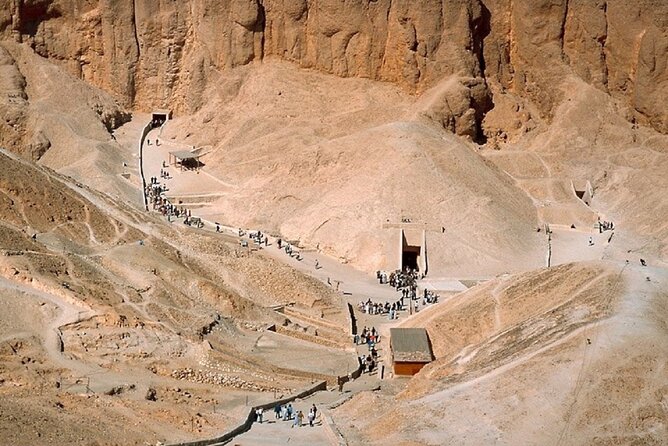
The Valley of the Kings is the reason many people come to Luxor in the first place. It’s described as the sacred burial ground of many pharaohs, with tombs tucked into rocky hills. The big value of going with a guide here is that the valley isn’t just a backdrop. It’s an organized site, and a good explanation helps you connect what you’re seeing to who it belonged to.
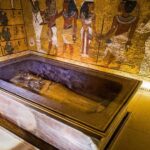
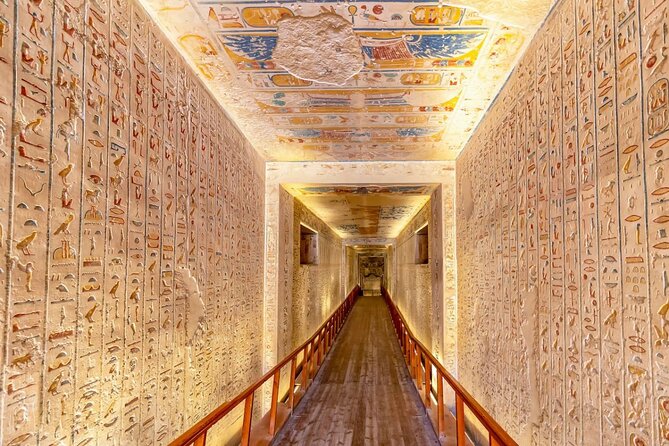
You’ll get time—about 2 hours—to explore the tomb complex and focus on key destinations, including the famous tomb of Tutankhamun. The tour notes highlight beautifully preserved hieroglyphics and artifacts, and that’s exactly what makes this stop rewarding: the carvings aren’t there just to look old; they help tell you the story of the people buried here.
What I like about how this is paced: you’re given enough time to actually read and notice details, not just walk past entrances. When you’re standing in and around tombs, small things matter. A guide can point out what to look for so you’re not guessing which walls matter most.
The main consideration is also simple: tombs mean walking and looking closely, sometimes in areas with uneven surfaces. Comfortable shoes help, and it’s smart to keep your expectations realistic. This is ancient stone, not a museum replica—so it’s normal for some sections to feel tight or visually busy.
Temple of Hatshepsut at Deir el-Bahari: A Female Pharaoh’s Monumental Message
Next you head to Deir el-Bahari, home to the Temple of Hatshepsut. If the Valley of the Kings gives you the burial-ground atmosphere, Hatshepsut’s temple gives you something different: power, planning, and a ruler who wanted her legacy to be seen.
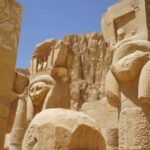
This stop is also about 2 hours, which is important. Hatshepsut’s temple isn’t just one flat scene. It’s perched against cliffs at Deir El-Bahri, and the tour setting is designed so you can appreciate the architecture as you move around it, not just snap a few pictures and rush away.
The guide component is especially valuable here. The tour focuses on Hatshepsut as one of Egypt’s most remarkable female pharaohs, and that context changes how you interpret the stonework. Instead of seeing carvings as decoration, you start thinking about intent—what she wanted people to understand about her reign and achievements.
A small but useful reality check: because it’s a temple site with architecture built into a dramatic landscape, you’ll want to stay aware of your footing when you’re moving between viewpoints. Also, expect that this stop is visually popular—so your best results come from slowing down and letting the guide direct your attention to the features that matter most.
Colossi of Memnon: The Quick Stop That Still Delivers Big Scale
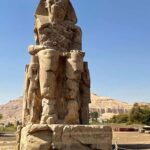
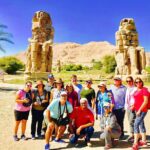
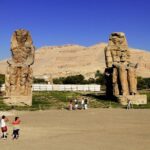
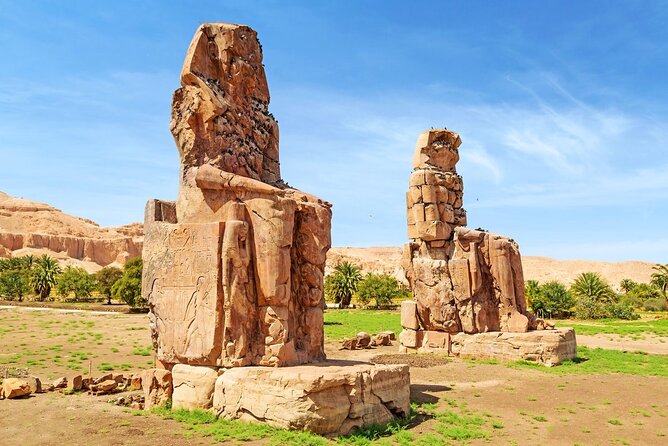
You finish with the Colossi of Memnon, two towering statues that once guarded the entrance to the mortuary temple of Amenhotep III. This is a shorter stop—about 30 minutes—but don’t let that fool you. The scale is the point.
Here’s why this final piece works at the end of your tour. After tombs and a major temple complex, the colossi offer a different kind of experience: you can step back, take photos, and absorb the fact that these are massive remnants tied to a much larger temple system.
The tour notes say the Colossi stop has free admission, which is nice because you’re not paying extra for the final photo opportunity. It’s also a good moment to mentally connect the dots: kingship, mortuary culture, and how the West Bank preserved—or exposed—symbols of authority across time.
My practical suggestion: keep this stop simple. Get your photos early if you want them, and then spend the remaining minutes looking at details like how the statues are worn and what that tells you about age and weathering.

What You’re Really Paying For: Value Beyond the $10 Price Tag
At $10 per person, this is one of those deals that only makes sense when you notice what’s included. Your ticket price covers the guide, the route, hotel pickup and drop-off, and crucially, all entrance fees for the archaeological sites on the itinerary (with the Colossi stop being free).
That’s the real value. Luxor West Bank tours can turn into an add-on festival: tickets here, transportation there, and suddenly the final total is bigger than you planned. This tour reduces that uncertainty by bundling the core costs.
You also get a bottle of water during the trip, which is small but helpful when your half-day plan is structured and you don’t want to spend time figuring out where to grab refreshments.
What’s not included is tipping. That’s normal, but you should factor it into your budget so you’re not surprised at the end.
Timing Tips: How to Get the Best Experience Out of a Short Day
A half-day tour is great for first-timers, but it also means you won’t see everything. So treat the day like a guided sampler of the West Bank’s top highlights.
Here’s how to get the most out of it:
- Arrive at pickup ready to go. The day runs on a schedule, and the route depends on it.
- Plan to focus on quality, not volume. You’re spending real time at the main sites, so you’ll come away with a better understanding than if you try to do the valley by yourself.
- If you’re hoping for a specific guide language (like Spanish), confirm ahead of time. One last-minute guide-language issue has been reported, so don’t assume it will match your expectation.
Also, if you’re someone who gets impatient with time, remember that tomb and temple visits can slow down when groups are looking closely. That’s a feature, not a bug.
Who This Tour Is Best For (and Who Might Want More Time)
This is a strong fit if you:
- want the top Luxor West Bank sights in a short window
- like guided explanations that help you understand what you’re seeing
- appreciate value pricing where entrance fees aren’t an extra surprise
- prefer private touring so your group can ask questions and move at a comfortable pace
It may be less ideal if you:
- want to cover every single tomb or want lots of downtime
- need very strict language guarantees for a non-English guide
- prefer a very slow, unstructured day with minimal schedule pressure
In other words, this is for people who want the highlights with guidance, not for people who want to wander for hours until they find their own rhythm.
Should You Book This Half-Day Valley of Kings + Hatshepsut + Colossi Tour?
If you want a practical Luxor West Bank introduction with guided context, I’d say yes. The combination of Valley of the Kings, Temple of Hatshepsut, and Colossi of Memnon is efficient in a way that still feels substantial, and the fact that entrance fees are included makes the price feel fair instead of risky.
Book it if you like your tours organized, with a licensed English-speaking guide, and you’re happy to spend a focused amount of time at each major site. The only real reason to pause is language certainty—so if Spanish is important to you, confirm before you go.
If you’re flexible and you want the classics handled well, this half-day format is a smart use of your time in Luxor.
FAQ
How long is the tour?
The tour lasts about 5 hours 30 minutes.
What sites are included?
You’ll visit the Valley of the Kings, the Temple of Hatshepsut at Deir el-Bahari, and the Colossi of Memnon.
Is hotel pickup and drop-off included?
Yes, pickup services from your starting point and return are included.
Are entrance fees included in the price?
Yes. Entrance fees for the archaeological sites on the itinerary are included. The first two stops include admission tickets, and the Colossi of Memnon admission is listed as free.
Is the tour private?
Yes. It’s described as a private tour/activity, meaning only your group participates.
What about the guide language?
The tour is described as having English-speaking guides who are qualified and fully licensed.
Is a water bottle provided?
Yes, a bottle of water is included during the trip.
What is the cancellation policy?
You can cancel for a full refund up to 24 hours before the experience’s start time. If you cancel within 24 hours of the start time, no refund is offered.