REVIEW · LUXOR
All-Inclusive Full Day To Explore Luxor’s East & West Bank
Book on Viator →Operated by Egypt Tailor Made Day Tours · Bookable on Viator
Luxor feels like two museums in one day. This all-inclusive full-day route lines up the east-bank temples (Karnak and Luxor Temple) with the west-bank hits like the Valley of the Kings and Hatshepsut’s terraced temple. You’ll have an Egyptologist guide, an air-conditioned vehicle, and pickup in the East Bank area.
I especially like the main entrance fees included—it cuts down on stopping to figure out what costs extra. I also love the balanced mix of temples and tomb country, so you get architecture, worship spaces, and royal burials without it feeling like one long blur.
One consideration: lunch isn’t included, so you’ll want a simple plan for food and water across the day. And because you’ll be walking on uneven ground (plus ramps at Hatshepsut), a moderate fitness level helps.
In This Review
- Key things I’d flag before you go
- East Bank morning at Karnak Temple Complex
- Luxor Temple and the Abu Al-Haggag mosque on ancient ruins
- Valley of the Kings: seeing tombs without getting lost in ticket talk
- Hatshepsut’s Temple at Deir el-Bahari: ramps, reliefs, and the Punt story
- Colossi of Memnon: the short stop that’s worth more than it sounds
- Price and value: what $89 buys in Luxor
- Getting there smoothly: pickup, private transport, and time on the clock
- What’s not included: lunch, optional tombs, and tipping
- Guides and the difference good explanations make
- Who this full day suits best
- Should you book this Luxor East & West Bank day?
- FAQ
- How long is the tour?
- Is hotel pickup and drop-off included?
- What sites are included in the day?
- Are entrance fees included?
- Is lunch included?
- Do I need extra tickets for certain tombs?
- Is the tour private?
- Can I cancel for a full refund?
- Does the tour include bottled water and transportation?
Key things I’d flag before you go
- East and West Bank pairing in one day, so you don’t have to choose between temples and tombs
- Main entrance fees included plus bottled water, which makes budgeting easier
- Karnak starts strong with the Theban triad worship area and a huge open-air feel
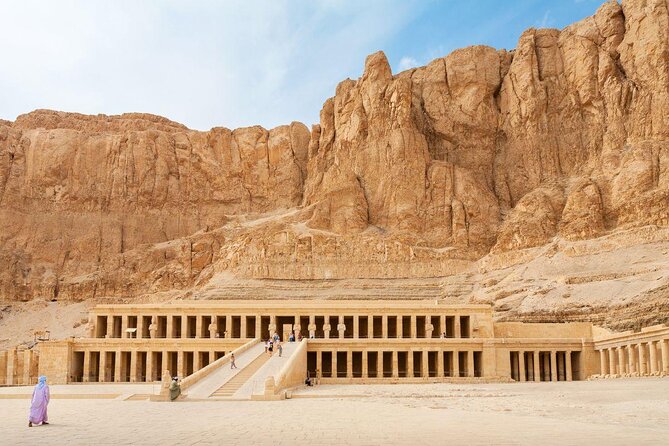
- Hatshepsut’s ramps and reliefs give you the most “wow” visual architecture on the West Bank
- Valley of the Kings options for specific tomb entries, with add-on tickets not included
- Private setup: only your group participates
East Bank morning at Karnak Temple Complex
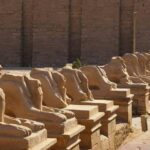
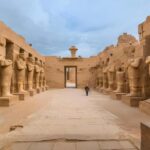
Karnak is where Luxor’s big-time religious power shows up in scale. This temple complex is a sprawling open-air site with decayed temples, chapels, pylons, and lots of smaller buildings tucked inside the larger sacred space. Construction began in the Middle Kingdom during Senusret I’s reign and continued into later periods, including the Ptolemaic era.
What I like here is the sense that you’re walking through layers of time, not just one neat monument. Karnak is mainly tied to worship of the Theban triad: Amon (with his consort Mut), and their son Khunso. With an Egyptologist guide, you’re not stuck just reading signs; you’re getting the meaning of what you’re seeing as you go.
Practical tip: Karnak is open-air. In hot months, I’d treat morning as your advantage. If your schedule allows, this stop is the one to take seriously for photos before the sun climbs too high.
A few more Luxor tours and experiences worth a look
Luxor Temple and the Abu Al-Haggag mosque on ancient ruins
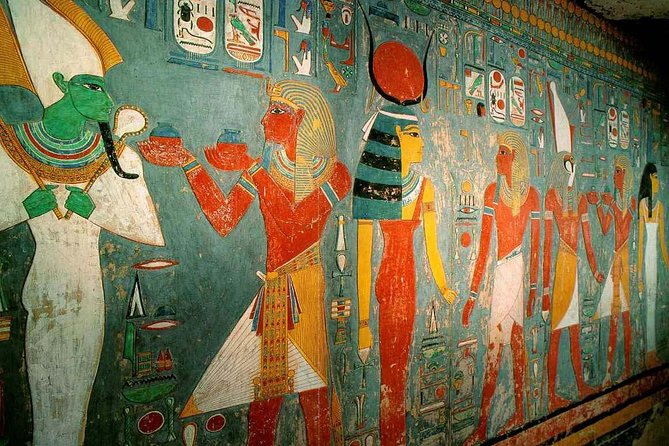
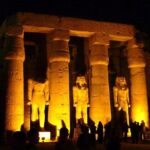
After Karnak’s grand sprawl, Luxor Temple feels more focused—still impressive, but easier to absorb in a single morning span. The inner parts are associated with Amenhotep III, while the outer parts are linked to Ramses II. The temple walls include scenes tied to festivals, so you can picture Luxor as a living ritual center rather than just a stone set.
One of the most interesting details is what’s still active on top of the ancient site: there’s a mosque called Abu Al-Haggag built on ruins of a church that was built inside the temple. In the rear area, you’ll also find chapels associated with Thutmosis III and Alexander the Great. That mix is a reminder that history doesn’t stop—it stacks.
Practical tip: Expect to move at a relaxed walking pace, but still plan for some heat and sun exposure. Comfortable shoes matter more here than you’d think.
Valley of the Kings: seeing tombs without getting lost in ticket talk
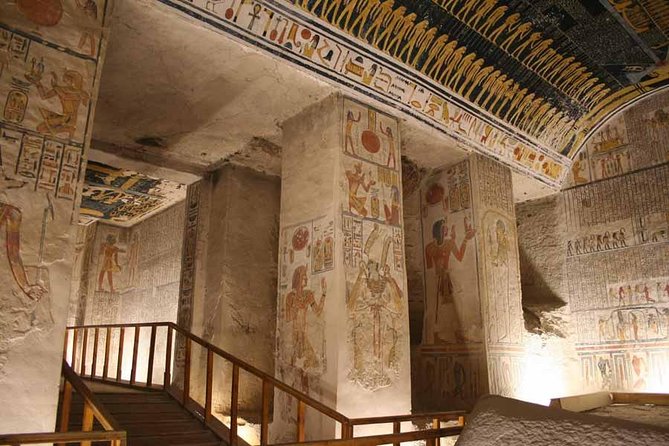
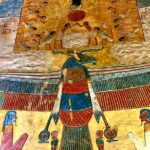
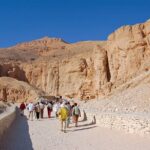
On the West Bank, the mood shifts fast. The Valley of the Kings is the place where New Kingdom pharaoh tombs sit in protected silence, and the famous names are exactly why this stop is on everyone’s list. You’ll spend time in the valley seeing tombs linked to Ramses II and Tut Ankh Amon (and the setting itself helps make those legends feel real).
Here’s the key practical thing: the tour includes admission tickets, but not all tomb interiors may be included depending on what you choose. The tour info explicitly notes that optional entry tickets—like specific tombs such as Tut Ankh Amon or Ramses VI or Seti I—aren’t included. So think of this stop as your main overview plus the chance to add interiors if you want a deeper look.
How to decide: If you hate crowds and timed chaos, focus on the general valley experience first. If you love structure and inscriptions inside tombs, budget extra for at least one specific tomb entrance. Either way, give yourself time to look upward at cliff faces and across the valley—this place is as much about location as it is about artifacts.
Hatshepsut’s Temple at Deir el-Bahari: ramps, reliefs, and the Punt story
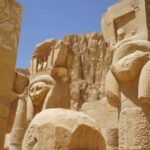
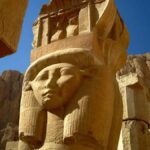
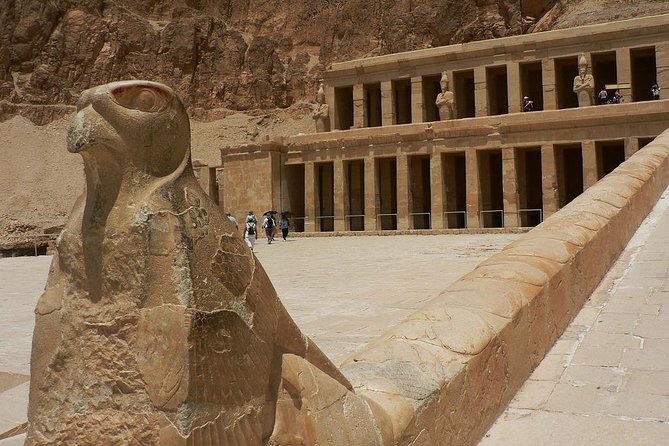
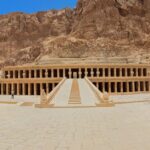
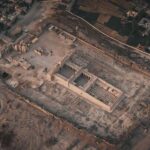
If Karnak is scale and Valley of the Kings is royal legend, Hatshepsut’s temple is pure visual storytelling. This mortuary temple of Queen Hatshepsut is known for its standout architecture and tiered layout. It’s made of three levels connected with ramps, which makes the climb feel like part of the experience rather than just a workout.
The wall scenes are the heart of it. You’ll see reliefs tied to Hatshepsut’s divine birth and her commercial expedition to Punt Land. Since the temple was mainly dedicated to worship of Amon-Ra, the art ties together both political authority and religious legitimacy.
Practical tip: The ramps can be uneven and tiring in peak heat. Bring water and plan slower breaths. If you’re with family or anyone who needs a break, this is a good place to pause and re-group.
Colossi of Memnon: the short stop that’s worth more than it sounds
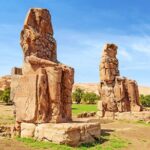
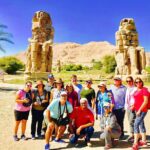
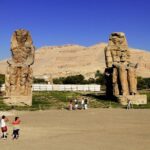
After the heavier stops, the Colossi of Memnon feel like a palate cleanser—only they don’t feel small. These two massive seated statues represent King Amenhotep III. They’re the kind of landmark you can spot, then walk around enough to feel their scale, even on a quick visit.
The time here is brief (about 15 minutes), but that’s not a problem if you go in with the right expectations. The real value is seeing how monumental single figures were in ancient Egypt, and comparing that feeling to the carved spaces you’ve visited earlier in the day.
Practical tip: If you want extra photos, this is your best spot for them because the statues give you strong angles from multiple sides.

Price and value: what $89 buys in Luxor
At $89 per person, this is a pretty straightforward value proposition—mainly because the tour includes the big ticket items you’d otherwise piece together. Included in the price are air-conditioned vehicle transport, an Egyptologist guide, main entrance fees, bottled water, pickup and drop-off from the East Bank downtown area, and taxes.
The “hidden” value is how much stress this removes. Luxor has lots of moving parts: timing, gates, and the simple question of what’s included versus what costs extra. Here, the structure is set. You’re not building a DIY itinerary while negotiating heat, locations, and signage.
Where the value changes: since lunch is not included, you’ll need to handle your own meal. Also, if you want specific tomb interiors in the Valley of the Kings, those optional entries can add cost. Still, compared with paying for multiple sites separately, the inclusion of main entrance fees and guided interpretation makes the price feel fair.
Getting there smoothly: pickup, private transport, and time on the clock
This tour is about 6 hours (approx.) and starts in a way that keeps you from wasting your first hours hunting for meeting points. Pickup is offered in the East Bank, specifically Downtown. You’re also set up with drop-off back at your hotel in the same general East Bank area.
The vehicle is air-conditioned and used for private transportation. The tour is also set up so only your group participates, which matters if you hate being rushed or squeezed into someone else’s pace.
Scheduling reality check: in Luxor, “six hours” can feel like more when you factor walking time, sun, and how long people take at major photo stops. I’d treat it as a full working-morning/daytime commitment, not a relaxed stroll.
What’s not included: lunch, optional tombs, and tipping
A few items can change your total spend, so don’t get surprised.
Not included:
- Lunch (plan ahead for a meal break that fits your schedule)
- Optional entry tickets for some tombs in Luxor (examples given include Tut Ankh Amon, Ramses VI, and Seti I)
- Tipping
Also keep in mind the tour suggests travelers should have moderate physical fitness. That matches the walking you’ll do and the ramps at Hatshepsut.
My practical advice: if your goal is “see the highlights fast,” you can stick to what’s included and be happy. If your goal is “get one or two tomb interiors,” plan extra budget for those optional entries.
Guides and the difference good explanations make
Luxor rewards people who ask questions, and this tour structure makes that easier. The tour guide is an Egyptologist, and in the wider Luxor experience set, Egypt Tailor Made has strong guide feedback tied to storytelling.
For example, Rania Raouf has been praised for reading hieroglyphics and turning temple scenes into understandable narratives. Ghada Kamel has been noted for guiding people effectively through both Luxor’s East and West Bank highlights. Shimaa Arabi is described as a real source of knowledge, and Ahmed Aziz gets credit for excellent explanations and planning.
You don’t need a guide to see temples. But with the right one, you start spotting details you’d otherwise miss—like how festival scenes are arranged at Luxor Temple, or how Hatshepsut’s Punt expedition reliefs connect power, religion, and trade.
Who this full day suits best
This is a great fit if you want:
- A one-day Luxor plan that hits both banks
- Included main-site tickets and a guide who explains what you’re seeing
- A private-group feel, without waiting on strangers
It’s especially good for first-timers who don’t want to sort out logistics across multiple locations. It’s also a smart choice for people staying in the East Bank who want a clean pickup and drop-off.
If you hate walking, or if heat is a big problem for you, you’ll need to plan more carefully. The tour can still work, but you’ll want slower pacing and breaks.
Should you book this Luxor East & West Bank day?
I’d book it if you’re trying to do “the real Luxor essentials” in one smooth day. The combination of Karnak, Luxor Temple, Valley of the Kings, Hatshepsut, and the Colossi keeps the day varied, and the included main entrance fees help your budget stay under control.
I’d think twice if you’re only interested in a single tomb interior or you’re planning to eat long meals during the day—because lunch isn’t included and the optional tomb adds cost. For most people, though, the structure is exactly what makes Luxor feel manageable.
FAQ
How long is the tour?
The tour runs about 6 hours (approx.).
Is hotel pickup and drop-off included?
Yes. Pickup and drop-off are included for hotels in the East Bank, Downtown area.
What sites are included in the day?
The day covers Karnak Temple Complex, Luxor Temple, the Valley of the Kings, the Temple of Hatshepsut at Deir el Bahari, and the Colossi of Memnon.
Are entrance fees included?
Main entrance fees are included.
Is lunch included?
No, lunch is not included.
Do I need extra tickets for certain tombs?
Optional entry tickets for some tombs are not included (for example, Tut Ankh Amon, Ramses VI, and Seti I).
Is the tour private?
Yes. It’s a private tour/activity, and only your group participates.
Can I cancel for a full refund?
Yes. Free cancellation is available up to 24 hours in advance for a full refund.
Does the tour include bottled water and transportation?
Yes. You get bottled water and an air-conditioned vehicle, plus private transportation.
If you want, tell me your travel month and whether you’re most interested in temples or tomb interiors, and I’ll suggest how to prioritize any optional tomb add-ons.