REVIEW · LUXOR
Abu Simbel Nile cruise from Luxor with one night in Noubian house
Book on Viator →Operated by Inspiring Egypt Tours · Bookable on Viator
Seven temples, one boat, and a Nubian night. This Luxor-based Egypt trip strings together the big-ticket sights from Karnak to Abu Simbel, guided by professional Egyptologists who explain what you’re looking at, not just where it is. I especially like how the program mixes high-impact ancient stops with a human-scale experience: a night at a Noubian guest house where you get time to understand Nubian life.
One thing to plan for: the trip price does not include entrance fees (listed as about $80 per person) or tipping, and the Abu Simbel day starts very early, so you’ll want to be ready for a long, full day.
In This Review
- Key Things That Make This Trip Worth Your Time
- A Nile Cruise Route You Can Actually Make Sense Of
- Karnak and Luxor Temple: Two Stops That Show Egypt’s Different Moods
- West Bank Luxor: Valley of the Kings, Hatshepsut at Deir el Bahari, and Memnon’s Colossi
- Temple of Horus and Kom Ombo: The Crocodile and Falcon Angle
- Aswan High Dam and Philae Island: Landmark Modern Egypt Meets Sacred Island Time
- Abu Simbel Early Morning: Ramses II and Nefertari’s Scale
- The Noubian Guest House Night: Culture Time, Not Just Temple Time
- Price, Entrance Fees, and Tipping: The Real Math
- Guides, Group Size, and How to Keep the Day from Feeling Too Fast
- Who Should Book This Tour (and Who Might Want a Different Fit)
- Should You Book This Abu Simbel Cruise and Nubian Night?
- FAQ
- How long is the Abu Simbel Nile cruise from Luxor with the Nubian house night?
- What is the price per person?
- What’s included in the tour price?
- Are entrance fees included?
- Is pickup offered?
- Is a mobile ticket provided?
- Will I get a professional Egyptologist guide?
- What food can I expect during the trip?
- Do you visit Abu Simbel, and how is that day handled?
- Is there a one-night stay in a Nubian house?
- Can I cancel for a full refund?
Key Things That Make This Trip Worth Your Time
- Small group limit (max 15), so you get more than the usual rush-and-ramble pace
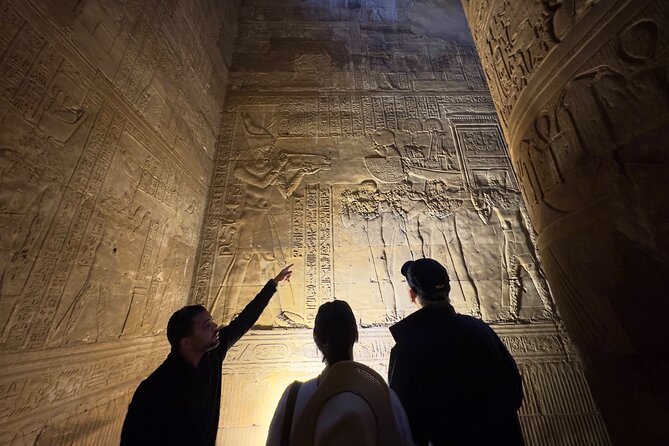
- Egyptologist-led visits focused on meanings behind painted scenes and hieroglyphics
- One night in a Noubian guest house for a break from temple-only sightseeing
- Abu Simbel early start, with a long drive that pays off at the Ramses and Nefertari complex
- Fun added in like the Galabya party after sailing and dinner
A Nile Cruise Route You Can Actually Make Sense Of
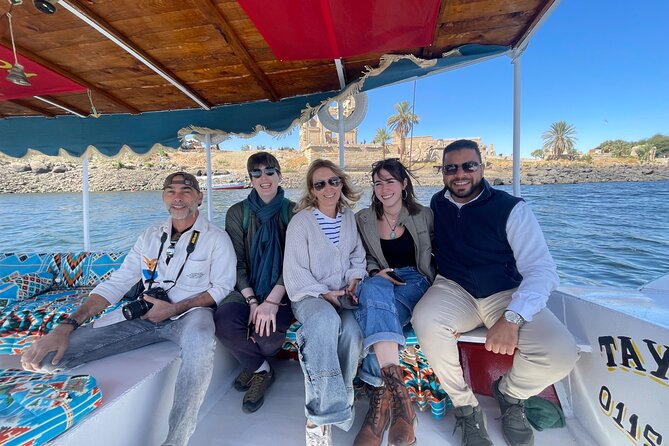
This isn’t just a “sit on the boat” cruise. It’s a structured Upper Egypt circuit where each day has a clear theme: Luxor’s sacred centers, the West Bank royal necropolis, Aswan’s landmark sites, and then that jaw-drop moment at Abu Simbel. You’ll see a lot, yes, but the guidance is what keeps it from feeling like sightseeing wallpaper.
I also like that the tour is built around smaller group time and personal attention. With a cap of 15 people, you’re less likely to lose your guide in a crowd, and more likely to ask follow-up questions when you actually care. That matters because places like Karnak and the Valley of the Kings can feel overwhelming if nobody connects the dots.
You can also read our reviews of more boat tours in Luxor


Karnak and Luxor Temple: Two Stops That Show Egypt’s Different Moods
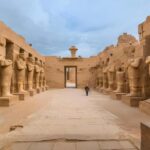
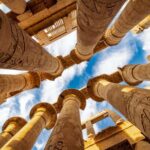
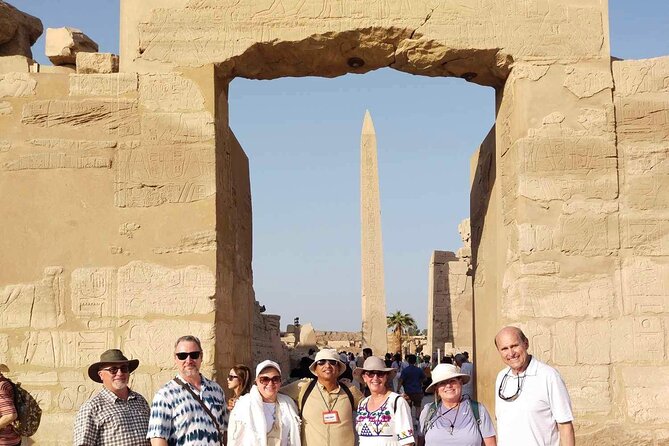
Day one gives you two of Luxor’s most important temple experiences back-to-back. At Karnak, you’re walking into Egypt’s temple scale at full volume. It’s described as the largest temple in Egypt, and it’s the kind of place where you’ll feel how power and belief were built in stone. You’ll have guided time here for about two hours, and that’s a sweet window for seeing the major areas without sprinting.
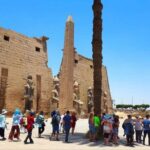
Then you shift to Luxor Temple, which is the more intimate counterpart—still dramatic, but with a different vibe. You’ll see the avenue of sphinxes, huge statues of Ramses II, and even later layers like a Roman church and the chapel connected with Alexander the Great. If you like how history keeps getting rewritten on top of itself, this is where you’ll notice it.
Practical tip: start the day by wearing breathable clothes and shoes you can walk in for long stretches. These are not “look from the bus” stops.
West Bank Luxor: Valley of the Kings, Hatshepsut at Deir el Bahari, and Memnon’s Colossi
The West Bank day is the one that most people remember, mainly because it hits three different kinds of beauty.
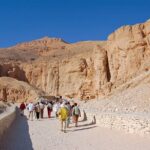
First comes the Valley of the Kings. This is where the ancient royal tombs were cut into the mountain, chosen by kings as their final resting place. The tour highlights the tombs with original paint and colors still vivid, which is why timing and access matter so much here. You get about two hours of guided time, enough to understand the setting and what you’re seeing.
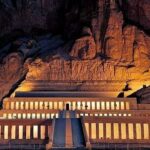
Next you visit the Temple of Hatshepsut at Deir el Bahari. Hatshepsut is framed as one of Egypt’s great female rulers, and you’ll learn how she became king. The temple is a perfect counterpoint to the tomb valley: not hidden and sealed away, but monumental and meant to be seen.
Finally, the Colossi of Memnon are quick but memorable. Two giant statues tied to Amenhotep III, with that Greek mythology connection to Agamemnon. The stop is very short—around five minutes—but it works as a breather after the longer temples.
Consideration: this day is sightseeing-heavy. If you’re traveling with anyone who gets tired on uneven ground, plan for slower breaks and water breaks, especially during the Valley of the Kings portion.
Temple of Horus and Kom Ombo: The Crocodile and Falcon Angle
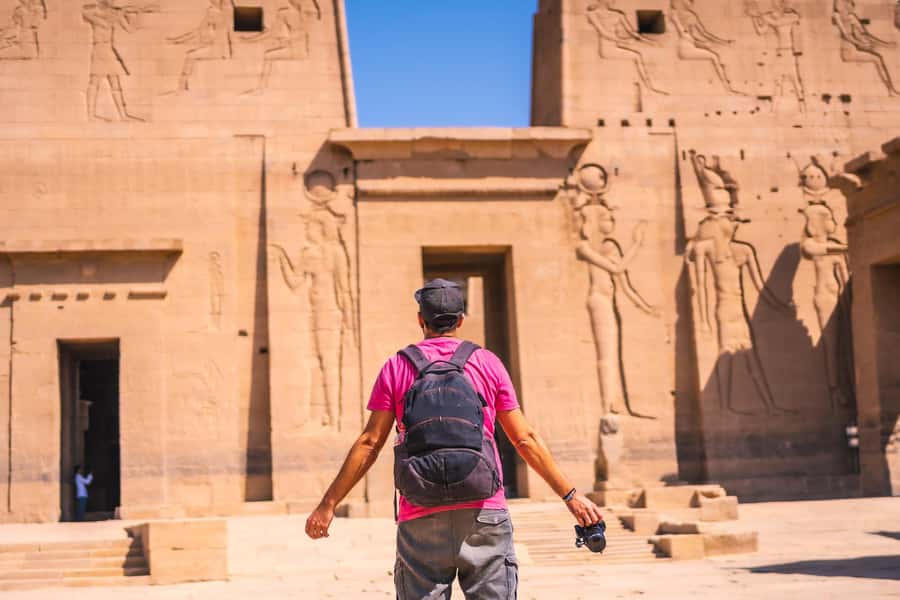
After breakfast, the tour takes you to the Temple of Horus, described as the most preserved temple in Egypt. Horus, son of Isis, is the focus here, and the guidance matters because temples like this are more than “ancient walls”—they’re visual stories. You get about two hours.
Then you return to the Nile cruise and sail onward to Kom Ombo. In Kom Ombo, the temple is special because it’s dedicated to worship two gods: the crocodile god Sobek and the falcon god Hor wer (listed as Her wer). That single detail makes the stop feel different from many other temples where one deity dominates the story.
You’ll continue after that toward Aswan, and after dinner you’ll enjoy a Galabya party. I like this kind of add-on because it gives you a non-temple memory from the cruise portion—something fun and human, not just stone and sand.
Practical note: even when the sightseeing days are full, you’re on a supported schedule. That’s the difference between “I visited Egypt” and “I understood Egypt.”
Aswan High Dam and Philae Island: Landmark Modern Egypt Meets Sacred Island Time
Aswan is where the trip shows you Egypt moving into the modern era, without losing the ancient thread.
You’ll start with the Aswan High Dam. The visit is brief (about 20 minutes), but the reason it matters is simple: it’s a major project in Egypt, and it helps explain why the Nile’s role in daily life and agriculture is not just ancient mythology—it’s engineering and ongoing change.
Then you go to the Temple of Isis at Philae Island. You’ll spend around two hours here, and the route includes specific transportation: an AC vehicle plus a motor boat to reach Philae Island. That combination is practical. It also keeps you from feeling like you’re wasting time figuring out how to get between sites.
One more logistics detail that’s built into the included transportation plan: a horse carriage to reach the Edfu temple. The exact timing isn’t spelled out in the day-by-day list you have here, but it is included as part of how the temples are reached in this overall program. Treat it as a “plan for short rides between sites,” not a full activity on its own.
Consideration: island temples can mean sun and walking. Bring something for heat—hat, sunglasses, and water that you keep accessible.
You can also read our reviews of more evening experiences in Luxor



Abu Simbel Early Morning: Ramses II and Nefertari’s Scale
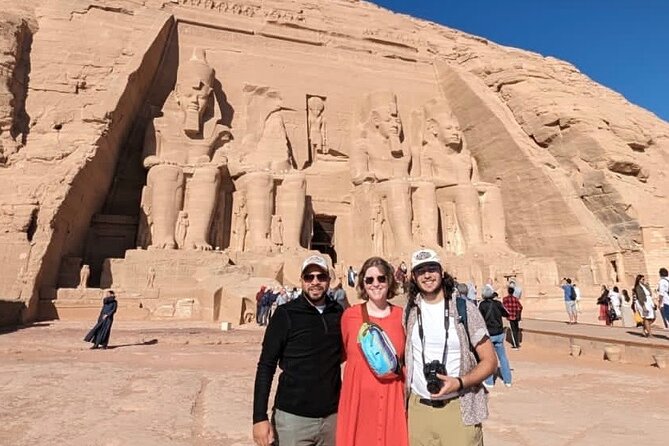
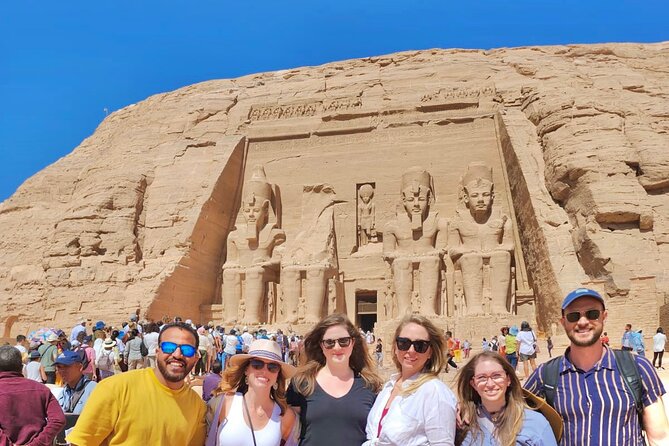
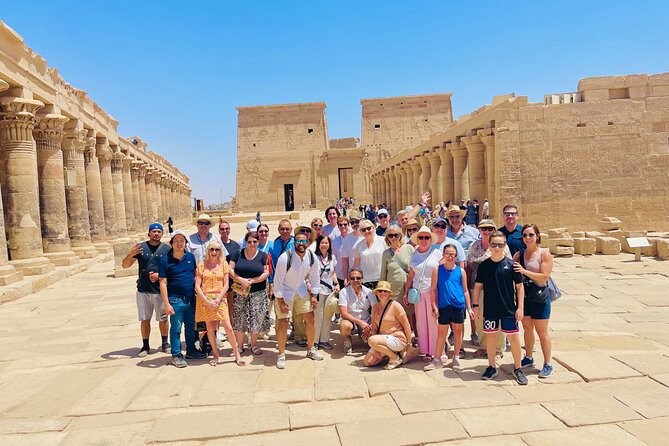
Abu Simbel is the headline, and the day is built like it knows that. You’ll check out from the Nile cruise boat early, then drive to the Abu Simbel Temple Complex.
This is an all-day commitment on paper—about eight hours for the Abu Simbel portion. You’ll see the temples of Ramses II and his favorite wife, Queen Nefertari. The fact that this pair is specifically highlighted tells you the tour is designed to help you look at the complex as more than one big façade. You’re meant to understand the relationship between rulers and the temple messaging.
Practical tip that matters: this is the day where you’ll feel fatigue first. Keep your essentials on you—ID, sunglasses, hat, and any medication—because you’re in transit for a long stretch and you’ll want quick access.
The Noubian Guest House Night: Culture Time, Not Just Temple Time
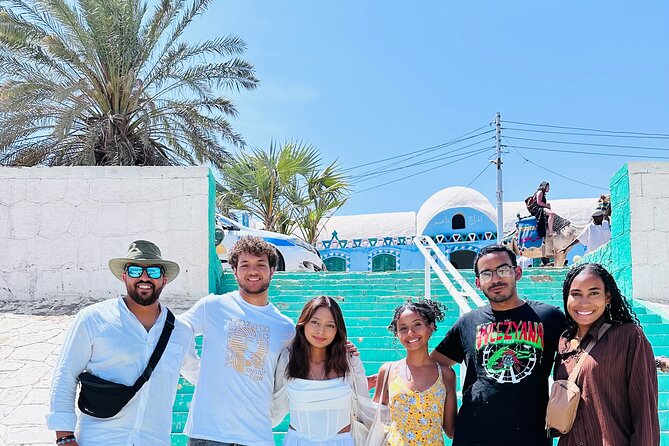
The best “human” element comes after Abu Simbel. Instead of rushing straight into another temple, the program gives you rest and cultural time in Aswan at a Noubian guest house.
You’ll enjoy the rest of the day there and learn more about Nubian culture. The schedule leaves a big opening—roughly 20 hours of time, with free time during the day after you return. That’s meaningful. It turns the trip from a checklist into a lived experience.
If you’re traveling with kids or family, this is also a helpful pacing break. Temples are impressive, but Nubian life time gives your brain a chance to settle and absorb what the whole trip is actually about: people, not just monuments.
What I’d watch for: the free time is yours, so plan to ask your hosts or guide what’s worth doing nearby—then you’ll make the night feel personal instead of passive.
Price, Entrance Fees, and Tipping: The Real Math
The tour price is listed at $675.00 per person for an approximately six-day experience. For that money, you’re not only getting transportation between Luxor and Aswan-era sites—you’re getting an Egyptologist guide, meals (listed as 4 lunches, 5 breakfasts, and 5 dinners), and included rides like the motor boat to Philae Island.
But you should budget for extras:
- Entrance fees are listed as about $80 per person (with a 50% discount for children and students card holders).
- Tipping is not included for the tour guide, driver, and Nile cruise crew.
When I look at value for a trip like this, I weigh one thing heavily: Egyptologist guidance. Without it, you can end up with a pile of photos and a foggy sense of what you saw. Here, the tour specifically focuses on the meanings behind painted scenes and hieroglyphics, which is the difference between knowing you visited and actually understanding.
My advice: if $80 in entrance fees and tipping would feel like a surprise later, plan for them now. Then you can enjoy the trip without doing math mid-holiday.
Guides, Group Size, and How to Keep the Day from Feeling Too Fast
This is the kind of tour where the guide can make or break your experience. The program is built around professional Egyptologists, and the reviews associated with this experience include a bunch of guide names—Abdelrahman, Abdul, Ahmed, Abdo, and Boudi—who are praised for being organized, fun, and quick to answer questions.
Small group size (max 15) helps, too. You’re less likely to miss out on the best photo angles when someone is paying attention to the flow of the group. One practical detail I like is that the tour promises Egypt-focused context, not information dumping.
Still, pace is real. You’ll move through major sites every day, and the Abu Simbel day is the long one. If you’re the type who wants to linger quietly for an hour, you might find the schedule more structured than you want. If you like a plan that keeps the day moving and gives you context fast, you’ll probably love it.
Who Should Book This Tour (and Who Might Want a Different Fit)
This trip is a strong fit if you want:
- A structured route through Luxor and Aswan with standout sites like Karnak, Valley of the Kings, and Abu Simbel
- A guide who explains what the scenes and symbols mean
- Family-friendly days with a fun added cultural moment (like the Galabya party)
- A break from temple-only touring via a Noubian guest house night
It might be less ideal if:
- You hate early mornings (Abu Simbel requires it)
- You want a purely relaxed pace with lots of unscheduled time between sites
- You don’t want to handle budget add-ons like entrances and tipping
Should You Book This Abu Simbel Cruise and Nubian Night?
If your dream trip is Upper Egypt with the big monuments plus real local culture time, I think this is a solid bet. The headline is Abu Simbel, but what makes it feel complete is the mix of guided temple context and the one-night stay in a Noubian guest house. That balance is what keeps the trip from turning into a blur.
Just go in knowing the trade-offs: extra entrance costs, tipping expectations, and a packed schedule—especially the day trip drive to Abu Simbel. If that sounds manageable, you’re in for a memorable run through Egypt’s most powerful sacred scenes, plus a cultural night that feels like you actually touched the place.
FAQ
How long is the Abu Simbel Nile cruise from Luxor with the Nubian house night?
The duration is listed as approximately 6 days.
What is the price per person?
The price is listed as $675.00 per person.
What’s included in the tour price?
It includes an Egyptologist guide, an AC vehicle, motor boat to Philae Island, and horse carriage to Edfu temple. It also includes meals: 4 lunches, 5 breakfasts, and 5 dinners.
Are entrance fees included?
No. Entrance fees are not included and are listed as about $80 per person (with 50% discounts for children and students with card holders).
Is pickup offered?
Yes. Pickup is offered, and there are also notes that it is near public transportation.
Is a mobile ticket provided?
Yes, the tour includes a mobile ticket.
Will I get a professional Egyptologist guide?
Yes. The tour includes an Egyptologist tour guide.
What food can I expect during the trip?
You’ll have 5 breakfasts and 5 dinners, plus 4 lunches, all listed as included.
Do you visit Abu Simbel, and how is that day handled?
Yes. You check out early from the Nile cruise and drive to Abu Simbel Temple Complex, described as about an 8-hour highlight day.
Is there a one-night stay in a Nubian house?
Yes. After Abu Simbel, you’ll spend the rest of the day in a Noubian guest house and learn more about Noubian culture.
Can I cancel for a full refund?
You can cancel up to 3 days in advance for a full refund, based on local time.