Floating over Luxor at sunrise is hard to beat. This cruise strings together major ancient sites with a sunrise hot air balloon view of temples and the Nile, then keeps you comfortable with a well-equipped cabin, meals onboard, and an Egyptology guide. You get a smooth, guided rhythm without spending your energy on day-to-day logistics.
I really like the way the guide work makes the monuments easier to understand. Egyptology storytelling turns Karnak, Luxor Temple, and the West Bank into more than photo backdrops. I also like that your meals are handled for you, with lunch on day 1 through breakfast on day 5, so you can focus on seeing things instead of hunting for food.
One thing to plan for: entrance fees are not included, and that matters on temple-heavy days. Also, the hot air balloon starts early and can be affected by weather, so it’s not the kind of activity you should treat like a guaranteed late-morning “maybe.”
In This Review
- Key highlights worth your attention
- Why a Luxor-to-Aswan cruise feels efficient
- Value at $595: what’s actually included
- Day 1 in Luxor: Karnak and Luxor Temple, then ship life
- Day 2 sunrise balloon plus Valley of the Kings
- Day 3 Edfu and Kom Ombo temple rhythm
- Day 4 Aswan High Dam and Philae on Agilkia
- Day 5 after breakfast: Abu Simbel, a Nubian Village, or Aswan
- Entrance fees and small practical tips
- Who should book, and who should pass
- Should you book this 4-night Nile cruise with balloon
- FAQ
- Is the hot air balloon included in the cruise price?
- Are entrance fees included for the temples and sites?
- What meals are included during the cruise?
- Does the tour include transfers and meet-and-assist help?
- What happens after the cruise ends in Aswan?
- What kind of group format is this?
Key highlights worth your attention
- Sunrise hot air balloon over Luxor, timed for the best light and balloon-window views
- Temple lineup that covers both “the famous” and the unique, from Karnak to Edfu to Philae
- Meals included across the cruise, including lunch day 1 and breakfast day 5
- Meet-and-assist plus air-conditioned transfers, so you spend less time figuring out where to go
- A flexible Aswan morning, with options after disembarking
Why a Luxor-to-Aswan cruise feels efficient
Luxor to Aswan is a classic route for a reason. You’re stacking Egypt’s biggest temple highlights on both sides of the river, while the ship handles the “moving between places” part. It’s a smart way to see a lot without the back-and-forth fatigue that comes with faster land trips.
On this kind of cruise, your day usually has two modes: morning temple time, then sailing or relaxing before the next stop. That pattern helps your brain too. You absorb a site, you get a break, then you return for the next one, instead of rushing through everything in one exhausting day.
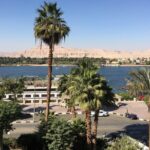
The best bonus is the calm. After you’ve been around huge ruins and ticket lines, it’s nice to step onto the ship, eat well, and let the Nile carry you toward the next chapter of the story.
You can also read our reviews of more boat tours in Luxor
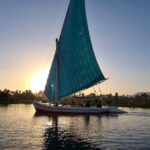
Value at $595: what’s actually included
At $595 per person, what you’re really buying is structure. You’re not just paying for a room on the water; you’re paying for guided access to major sites, meals onboard, and transportation that removes most of the stress.
Here’s the value that matters in real life:
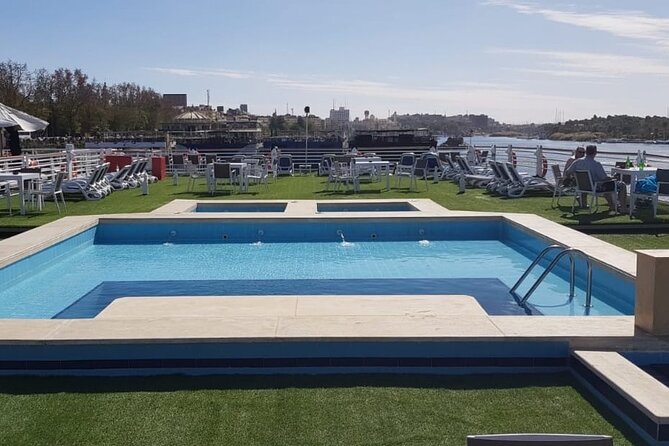
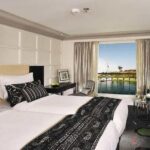
- A comfortable cabin with amenities plus time to recharge
- Meals onboard starting with lunch on day 1 and ending with breakfast on day 5
- An expert Egyptology guide for the key historical stops included in the program
- Meet-and-assist when you arrive (Luxor airport, train station, or your Luxor hotel)
- Air-conditioned transfers during arrival/departure points
One more practical detail: all taxes and service charges are included in the package price. That reduces the annoying “what else will be added at checkout?” feeling.
Just remember: entrance fees for the attractions are not included, so you should budget for tickets separately. That’s the one piece that can change the total more than people expect on a temple-focused trip.
Day 1 in Luxor: Karnak and Luxor Temple, then ship life
Day 1 is set up for a strong start: Temple of Karnak first, then Luxor Temple, and then you check into your Nile Cruise.
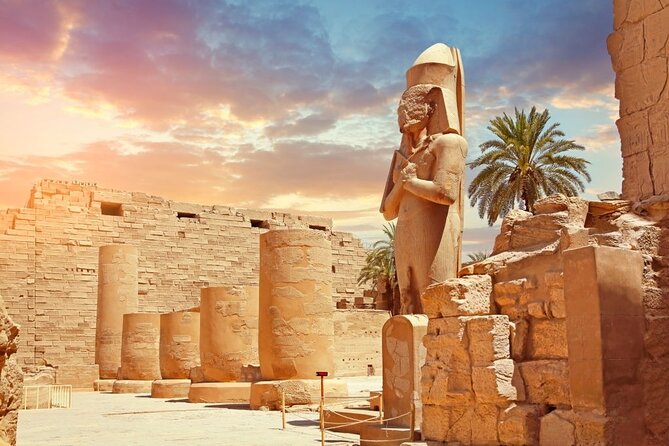
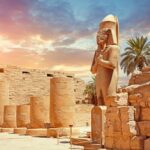
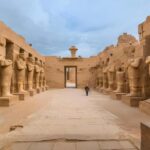
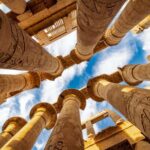
Karnak is one of those places where scale becomes the main lesson. You’re looking at temples dedicated to Amun, along with references tied to Mut, and you also get a sense of how deep the site goes historically. It’s a good match for an Egyptology guide because the guide can connect what you’re seeing to the why behind the symbols and layout.
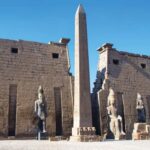
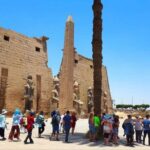
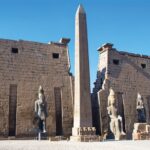
Then Luxor Temple brings a different vibe. It was built and expanded over time, and it’s dedicated to Amun-Ra and the related divine family. Don’t miss the obelisk of Ramesses II at the entrance, since it’s the kind of visual anchor that helps you orient quickly once you step inside.
After temples, you’re transferred to your ship. That’s key. You don’t want your first day to end with a stressful hunt for dinner and a late check-in. Here, the day closes the loop: you’ve seen major monuments, and you’re ready to settle in.
There’s also an optional self-guided window later to explore the Luxor market and the Corniche. If you want real local texture, that’s the time to do it, not right in the middle of the organized temple hours.
Day 2 sunrise balloon plus Valley of the Kings
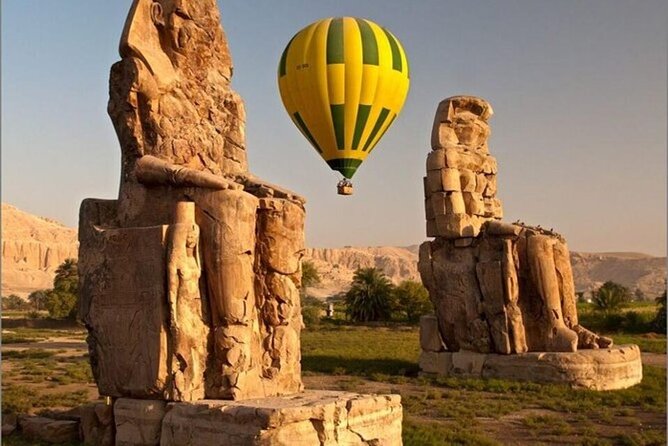
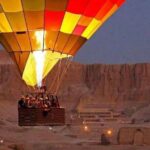
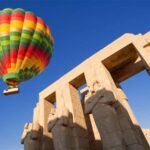
Day 2 is the day most people remember, and it’s because it starts early with a hot air balloon over Luxor. You’ll get pickup from your hotel, then you’re up into the morning sky at sunrise. From above, the Nile’s curve and the patchwork of ancient sites make more sense. Photos look better too, mainly because the light is softer and the shadows aren’t harsh.
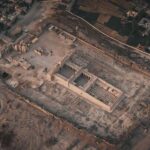
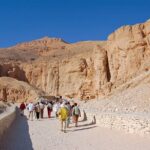
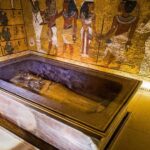
When you come back down, you head to the Valley of the Kings on the West Bank. This is where pharaohs were buried, and it’s designed for people who want to feel the weight of tomb history in a concentrated space. There’s even an optional visit to King Tutankhamun’s tomb, if you want to focus your time on the most famous name.
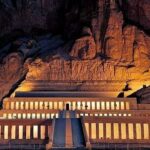
Next up is the Temple of Hatshepsut at Deir el Bahari. Hatshepsut is Egypt’s best-known female pharaoh, and her temple is carved into the limestone cliffs in a way that feels dramatic even if you’re not a hardcore architecture person. The setting matters here. You’re not just looking at walls; you’re looking at a temple that was built to own its surroundings.
Then there’s a short photo stop at the Colossi of Memnon, before returning to the ship for lunch. That flow works well: big highlights, then a bit of pacing so you don’t feel like you’re sprinting through ancient sites all day.
Day 3 Edfu and Kom Ombo temple rhythm
Day 3 shifts you from Luxor’s core to two temples that many visitors love because they feel specific and unusual in different ways.
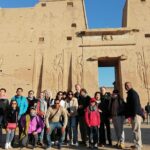
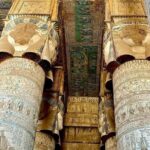
First is the Temple of Horus at Edfu. It’s known for being well preserved, and it’s dedicated to the falcon god Horus. If you like temple details, Edfu tends to satisfy, because it offers impressive pylons, courts, and halls with carved reliefs. With a good guide, it becomes easier to spot patterns and understand what you’re looking at rather than just reading signs.
Then you sail and continue to Kom Ombo Temple. This one’s memorable because it’s built with a symmetrical layout, and it’s connected to both Sobek (the crocodile god) and Horus the Elder. Two entrances, two sets of sanctuaries, and the feeling that the temple was designed for two belief worlds in one complex.
At the end of the day, you sail again toward Aswan. That sailing time matters more than people think. You get a break from walking, you can reset after temple intensity, and the boat life stops feeling like downtime and starts feeling like part of the experience.
You can also read our reviews of more evening experiences in Luxor
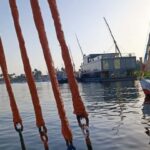

Day 4 Aswan High Dam and Philae on Agilkia
Aswan is your reward day, with two stops that balance modern engineering and ancient sacred space.
You’ll visit the Aswan High Dam first. It’s a modern structure, but it matters historically because it changed how the Nile’s water is managed. That context helps you understand why certain ancient sites had to be protected and relocated.
Then you head to Temple of Philae, dedicated to Isis. The key detail here is that the temple was moved to Agilkia Island to keep it safe from flooding. Walking around a relocated monument sounds technical, but in practice it’s a moving reminder of how much effort it takes to preserve heritage.
Philae’s carvings and relief work can feel more intimate than some of the larger temple complexes. It’s a good pairing with the High Dam visit because one shows what humans did to control the river, and the other shows how cultures tried to protect what they built along it.
Once your day ends, the cruise mode keeps working in your favor. You’re not scrambling to find a new hotel after each major stop. You just keep moving with your base.
Day 5 after breakfast: Abu Simbel, a Nubian Village, or Aswan
Day 5 begins with breakfast on the ship, and then you disembark in Aswan. This is your freer morning, and that flexibility is a real plus if you’re trying to match the trip to your travel style.
You can choose an extension to Abu Simbel, which is often the big magnet for people who want one more major Egyptian landmark. If you prefer a more people-focused experience, you can opt for a Nubian Village visit. Or if you just want to slow down, you can explore Aswan at your own pace.
This optional structure helps you tailor the ending. Some people need one last “wow” site. Others want time to wander, shop, and watch life move by near the river without a packed schedule.
It’s also worth noting that the ship handles your earlier days, so this final choice feels like a genuine reward rather than a frantic last-minute decision.
Entrance fees and small practical tips
You should plan on paying entrance fees separately. Many of the big stops are listed as not included for admission tickets, including Karnak, Luxor Temple, Valley of the Kings, Hatshepsut, Edfu, Kom Ombo, Aswan High Dam, and Philae. That doesn’t mean the cruise is expensive; it means you need to budget correctly so you don’t get surprised mid-trip.
A few practical tips can make temple days smoother:
- Wear breathable clothes and bring a hat. Sun protection helps even on days that start early.
- Comfortable walking shoes matter, especially for West Bank tomb areas and temple courtyards.
- If you care about photos, you’ll want a small bag for water and basic essentials, since you’ll be out for hours at several stops.
Also, since the balloon ride is included and scheduled early, pack your essentials so you’re not trying to hunt for them in the dark before pickup. Early starts can be your favorite part, but only if you’re ready for them.
Who should book, and who should pass
This cruise is a strong fit if you want a guided Egypt experience with built-in comfort. It’s especially good for people who like history but don’t want to manage transfers, meal decisions, and timing all by themselves. If you’re the type who enjoys a relaxed pace between major sites, the ship rhythm will feel like a feature, not a waiting game.
It’s also a good option for travelers who care about small details like cleanliness and comfort. The pattern here is clear: the cabin experience is described as tidy and comfortable, and the ship atmosphere stays calm rather than chaotic.
Who might want to think twice: if you dislike paying separate entrance fees or you’re not into early mornings for the hot air balloon. Also, if you only want one or two big sights and you hate guided schedules, a different style of trip might suit you better.
Should you book this 4-night Nile cruise with balloon
If you want an organized Luxor-to-Aswan sweep with major temples and an included sunrise balloon, this is a solid pick. The combo of guided Egyptology stops, onboard meals, and comfort on the water makes the $595 price feel less like “transport” and more like “time saved.”
Just go into it with one mindset: entrance fees are extra. If you budget for that, you’ll enjoy the cruise for what it is, a smart mix of big monuments and easy river living.
FAQ
Is the hot air balloon included in the cruise price?
Yes. The hot air balloon is listed as included, and it’s scheduled early in the morning with pickup from your hotel.
Are entrance fees included for the temples and sites?
No. Entrance fees are listed as not included, so you’ll need to budget separately for tickets for the temple sites and other included stops.
What meals are included during the cruise?
Meals onboard include lunch on day 1 and then dinner four times, plus breakfast on days included through day 5 (breakfast is listed for four mornings). Dietary restrictions like vegetarian, vegan, and gluten-free can be accommodated.
Does the tour include transfers and meet-and-assist help?
Yes. You get meet-and-assist services at Luxor Airport, Train Station, or your Luxor hotel, along with air-conditioned transfers between arrival/departure points and the cruise ship.
What happens after the cruise ends in Aswan?
After breakfast on day 5, you disembark. You can choose to tour Abu Simbel, visit a Nubian Village, or explore Aswan at your leisure.
What kind of group format is this?
It’s described as a private tour/activity, meaning only your group participates. Group discounts are also mentioned.