Luxor hits hardest when you’re not rushing. This 2-day Luxor plan is built around guided visits to the West Bank and East Bank’s top sights, with a professional team handling the flow and the details so you can focus on what you’re seeing. I especially like the hotel pickup and private-van setup, which keeps the day feeling organized instead of chaotic.
What I like most: you get real time inside multiple monuments, not just a quick look from the outside, plus a guide who explains what you’re looking at. The one thing to think about is cost beyond the tour price: food, drinks, extra tickets, and tipping aren’t included, so you’ll want to budget for meals and keep some cash aside.
In This Review
- Key things that make this 2-day Luxor tour work
- How the 2 days in Luxor plan ties the West and East Bank together
- Valley of the Kings: your first big lesson in how Egypt tells time
- Deir el-Bahari and Hatshepsut’s temple: learning the story behind the monument
- Colossi of Memnon: fast stop, real payoff if you let the guide frame it
- Temple of Medinat Habu: reliefs that reward patience
- Karnak Temple: how the guide turns scale into something you can follow
- Luxor Temple: your chance to connect East Bank themes in a calmer setting
- Luxor Museum: why the museum stop can make the monuments hit harder
- Transportation and tickets: where this tour quietly saves you work
- Price and what it means for your budget
- Who this tour fits best
- Small tips that make a big difference on these sites
- Should you book 2 days in Luxor with Marwa Tours?
- FAQ
- How much does the 2-day Luxor experience cost?
- Is hotel pickup included?
- Are entrance tickets included?
- What’s not included in the price?
- Is this tour private?
- What happens if the weather is bad or I need to cancel?
Key things that make this 2-day Luxor tour work
- Hotel pickup with a van and driver so you’re not negotiating transport between sites
- Admission tickets included for the main stops, with the guide handling ticketing at Karnak and the museum
- A guide-led pace with time on each monument (two hours here, ninety minutes there) for explanations, not just sightseeing
- A balanced East/West Bank mix: Valley of the Kings and Deir el-Bahari on Day 1, Karnak and Luxor Temple on Day 2
- Private format: only your group goes together, which helps the experience feel calmer
How the 2 days in Luxor plan ties the West and East Bank together
Luxor is a city of two faces. The West Bank is where Egypt’s royal legacy and mortuary sites cluster. The East Bank is where temple life stretches on, centered around massive complexes and grand processional spaces. This tour is smart because it doesn’t treat those as separate trips. It stitches them into one smooth two-day arc.
You’ll start with the West Bank classics and then shift to the East Bank’s temple powerhouses. That order helps you connect ideas as you go. Even if you’re not a museum person, you’ll notice that the monuments repeat themes: kingship, worship, the afterlife, and the way art explains beliefs. A good guide turns that into something you can actually follow.
Because it’s a private tour/activity, it also feels less like you’re surviving with a crowd. Your guide can keep the pace realistic, and you can ask practical questions when you need them. In the reviews linked to this tour style, people highlight that the experience feels easy and safe, which matters a lot in a place where scams and confusion can happen at the margins.
A few more Luxor tours and experiences worth a look

Valley of the Kings: your first big lesson in how Egypt tells time
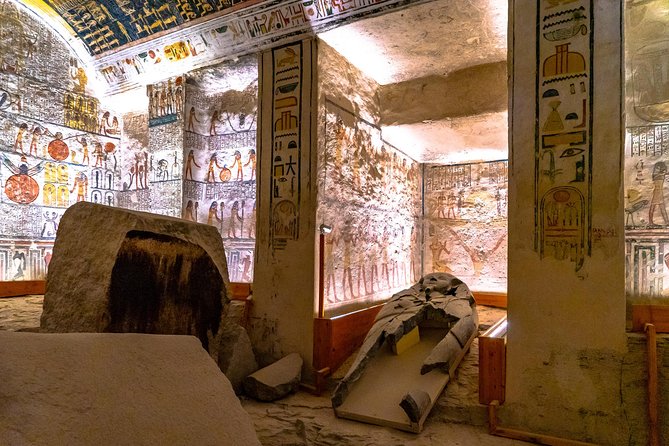
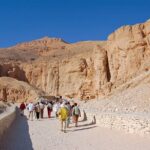
This is the stop that sets the tone. You’ll be picked up from your hotel and taken to the Valley of the Kings for about two hours, with admission included. The key value here isn’t just seeing the valley. It’s the guided walk through the most famous tombs, with full explanation from your guide.
Why it’s worth doing with a guide: the valley can feel like a long list of entrances if you go in cold. A good explanation helps you understand what makes one tomb different from another, and how the art and layout tie back to the beliefs of the period. You’re not just staring at walls. You’re learning what you’re looking at and why it mattered.
A practical note: this is a site where the details can get lost if you rush. Two hours gives you time to slow down just enough to connect the dots. If you’re the type who wants to take photos but also listen, this is a workable balance.
Deir el-Bahari and Hatshepsut’s temple: learning the story behind the monument
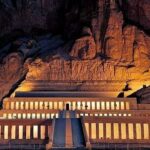
Next up is Temple of Hatshepsut at Deir el-Bahari, about 1 hour 30 minutes, with admission included. The tour description puts the focus on why this temple matters and what your guide will share about the queen’s legacy.
What I like about this stop is how it adds variety. After the royal tomb focus of the valley, Hatshepsut’s temple shifts you into a different kind of monument: one built to project identity, authority, and memory through stone and reliefs. Your guide’s explanation helps you see the temple as a narrative, not a backdrop for photos.
Potential consideration: you’ll likely be walking and standing for a while at each major site. The itinerary keeps moving, so if you have mobility concerns, it’s smart to carry anything you need (meds, water, a light layer) and pace yourself. The tour does say most people can participate, and the setup is supported by a van and guide, but you still do the walking parts.
Colossi of Memnon: fast stop, real payoff if you let the guide frame it
Then you get a shorter break at the Colossi of Memnon. Expect about 20 minutes here, with admission included, plus time for photos and history explanations.
This is one of those stops that can be either forgettable or memorable, depending on how it’s handled. With a guide, the statues become more than a quick photo moment. They turn into a clue about the grandeur of ancient building projects and the way Egypt remembered its own past.
Because the time is short, it helps to go in ready. Have your questions ready, or listen for what the guide highlights. If you try to treat this as a full mini-visit, you’ll feel rushed. If you treat it as a history-and-photo breather, it works well.
Temple of Medinat Habu: reliefs that reward patience
Day 1 finishes at Temple of Medinat Habu (spelled Medinat Habu in the tour details). You’ll spend about 1 hour 30 minutes there, with admission included.
The tour focus here is very specific: your guide shows you the temple’s details and the reliefs. That’s a great approach for people who don’t want to “museum-sprint.” Reliefs are where Egypt tells stories visually, and they tend to make more sense when someone explains what you’re seeing.
If you’re the kind of person who likes to zoom in on surfaces, this is a strong stop. If you prefer wide views and quick stops, you might feel the relief focus asks for a bit more attention. Either way, the guided format is the main advantage.


Karnak Temple: how the guide turns scale into something you can follow
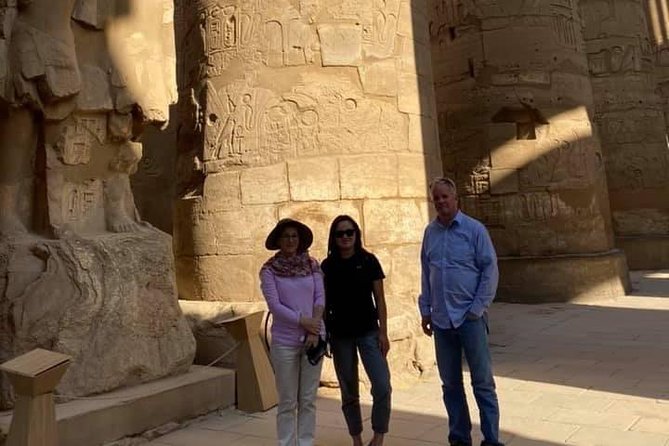
On Day 2, you shift to the East Bank with Temple of Karnak. This is one of the biggest temple complexes in Egypt, and your tour gives you about two hours there. Your guide will also buy tickets and then show you highlights: different halls and reliefs, with explanations tied to different kings.
Here’s the honest trick with Karnak: without help, it can feel like a maze of stone. With help, it becomes a story of power and religious practice. That’s why the guide method matters. When you’re shown the main areas in a sensible order, scale stops being overwhelming and starts feeling meaningful.
Why I think the time block works: two hours is enough to see key parts and understand the logic behind them, without spending your whole day in one place. And because admission is included, you’re not adding stress mid-itinerary.
Luxor Temple: your chance to connect East Bank themes in a calmer setting
After Karnak, you’ll visit Luxor Temple with about two hours on site, admission included. The tour description frames it as exploring secrets of ancient Egyptian life.
In practice, Luxor Temple is the kind of place where you can notice how temples work as planned spaces. The guide’s explanation helps you interpret what you’re seeing, instead of just collecting random facts.
This is also a good moment to match your own travel style. If you like walking slowly, you can do that here within the guided context. If you’re short on attention span after two days of major sites, Luxor Temple still gives you enough structure to keep the experience satisfying.
Luxor Museum: why the museum stop can make the monuments hit harder
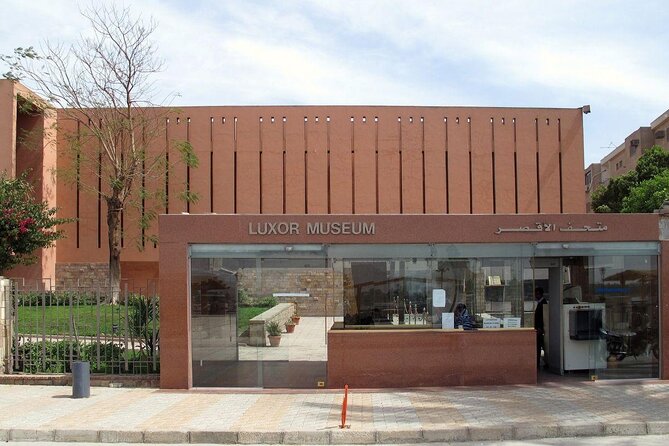
The last stop is the Luxor Museum, about two hours, with admission included. Your guide handles ticketing and then shows you highlights with full explanation.
I like adding a museum here because it closes the loop. Temples and tombs are about big places and big visuals, but museums help translate those visuals into artifacts and context. Even if you don’t read much, the right highlights can make you feel like you understand more than you would after only walking around outdoor sites.
Practical upside: the museum can give you a break from constant sun and dust, depending on the day. That’s not a small detail when you’re stacking major monuments.
Transportation and tickets: where this tour quietly saves you work
The tour includes everything that usually creates friction on Egypt itineraries: a van with an driver, guide fees, and admission tickets for each included stop. The description also notes pickup offered, plus mobile ticket use.
This matters more than it sounds. When tickets are handled, you don’t lose time arguing, repeating yourself, or figuring out what counter to stand in front of. The Karnak and museum stops specifically mention the guide buying your tickets, which is a real convenience.
The tour price is $325 per person for about two days. Value-wise, you’re paying for guide interpretation plus the logistics that protect your time. If you tried to recreate this on your own, you’d still need drivers, ticket planning, and someone who can explain what you’re seeing. In Luxor, that “someone” often ends up being the difference between a photoshoot and a real understanding.
Price and what it means for your budget
Let’s talk money in a practical way. At $325 per person for two days, you’re not just buying access to monuments. You’re buying:
- guided time at multiple key stops
- included admission tickets for those stops
- van transport and driver support
- a private group format
Where you still spend extra is clearly marked: food, drinks, extra tickets, and tipping aren’t included.
So the real budget question isn’t just the base price. It’s whether you’ll want the included sites to be your main expense, or whether you’ll add extras on the fly. If you like keeping plans tidy and letting the guide run the show, this price can feel fair. If you’re the type who expects to spend minimal time with guidance and then wander on your own, you might feel the structure is more than you need.
Who this tour fits best
This is a good fit if you want:
- a structured, private two-day plan rather than loose scheduling
- a guide who explains the sites as you go
- a blend of West Bank tomb-and-temple stops plus East Bank icons
It also seems to work especially well for people who value comfort and safety. In the reviews tied to Marwa’s guiding style, a solo female traveler described feeling safe and happy with the experience. That’s a useful signal if you’re traveling alone and want fewer uncertainties.
It’s also a sensible choice for first-timers. The itinerary hits major landmarks without turning your day into a checklist with zero context.
Small tips that make a big difference on these sites
Even with a great guide, you’ll enjoy the day more if you plan for practical realities.
- Bring water and plan to buy lunch separately since food isn’t included.
- Wear shoes that handle uneven ground, especially for tomb-adjacent areas and temple approaches.
- Use your guide time: ask one or two questions you actually care about, instead of saving everything for the end.
- Expect that every stop has explanation built in. If you’re determined to “only photo,” you may feel like you’re missing part of the point.
- Keep some cash ready for tipping and any extra tickets you decide you want later.
Should you book 2 days in Luxor with Marwa Tours?
If you want a guided, private, ticket-included Luxor experience that covers the West Bank and East Bank in a realistic two-day window, I think this is an easy “yes.” The biggest strength is not a single monument. It’s the way the day is stitched together: transport arranged, ticketing handled, and a guide-led pace that helps you actually understand what you’re seeing.
Book it if you:
- like structured itineraries
- want someone to interpret Karnak, Luxor Temple, and the West Bank sites
- prefer fewer logistics headaches and more time spent on the monuments
Consider a different option if you:
- want total freedom with no set route
- plan to do lots of extra sites beyond what’s included
- don’t want to pay for guiding (and you’re confident building a plan from scratch)
FAQ
How much does the 2-day Luxor experience cost?
It costs $325.00 per person.
Is hotel pickup included?
Pickup is offered, and the tour includes a van with an driver for transportation between stops.
Are entrance tickets included?
Yes. Admission tickets are included for the listed sites, and your guide also handles ticket buying for Karnak Temple and the Luxor Museum.
What’s not included in the price?
Not included are extra tickets, food, drinks, and tipping.
Is this tour private?
Yes. It’s listed as private, so only your group participates.
What happens if the weather is bad or I need to cancel?
Cancellation is free if you cancel up to 24 hours in advance for a full refund. The experience requires good weather; if it’s canceled due to poor weather, you’ll be offered a different date or a full refund.