Pyramids are famous; this route explains why. This private day trip strings together Memphis, Saqqara, and Dahshur so you can connect the dots between royal power, burial practice, and pyramid engineering. I especially liked traveling with an Egyptologist guide like Hosni, who mixes clear explanations with humor, and I also appreciated that entrance fees and bottled water are built in. One thing to consider: you’re out for about 6–7 hours, so you’ll want comfortable shoes and a heat game plan.
The sites aren’t close to each other, and the pacing is efficient rather than slow. Still, if you want big “wow” moments plus real context, this is a strong way to spend a day in the Cairo area—especially because you go as a private group rather than getting rushed by a crowd.
In This Review
- Key Highlights Worth Planning For
- Why Memphis, Saqqara and Dahshur Works as a Full-Day Plan
- Private Pickup and a 6–7 Hour Rhythm You Can Count On
- Memphis: Alabaster Sphinx, Ramses II, and the Big-City View of Ancient Egypt
- Saqqara’s Step Pyramid of Djoser and the Old Kingdom Burial World
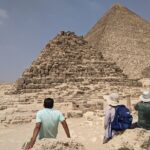
- Dahshur’s Bent and Red Pyramids: Sneferu’s Engineering Story in Stone
- Egyptologist Guidance: Why Hosni’s Style Shows Up in Reviews
- Price and Value: What $80.75 Really Buys You
- What to Bring (So the Day Stays Fun, Not Miserable)
- Should You Book This Tour?
- FAQ
- How long is the Private Luxury Guided Tour to Memphis, Sakkara and Dahshur?
- Is this a private tour?
- Do I get hotel pickup and drop-off?
- Which locations are visited during the tour?
- Are entrance fees included?
- Is bottled water provided?
- Is lunch included?
- What’s not included in the tour price?
- Is free cancellation available?
Key Highlights Worth Planning For
- Private Egyptologist guidance with Hosni mentioned repeatedly by guests as fun and good at explaining
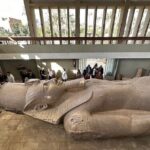
- Memphis plus the Alabaster Sphinx and the statue of Ramses II in a tight, efficient stop
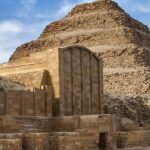
- Step Pyramid of Djoser at Saqqara—the world’s first stone pyramid, tied to Old Kingdom burial history
- Dahshur’s Bent and Red Pyramids built for King Sneferu, showing the engineering “try, adjust, perfect” story
- Hotel pickup and drop-off so you spend your time seeing things, not negotiating transport
Why Memphis, Saqqara and Dahshur Works as a Full-Day Plan
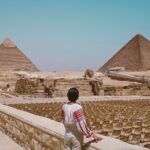
You could visit one pyramid complex and call it a day. But when you stack Memphis, Saqqara, and Dahshur, the story makes more sense fast. Memphis shows the political and cultural center of ancient Egypt, while Saqqara and Dahshur show how the Egyptians handled kingship in stone—first with the earliest major stone pyramid experiment, then with later refinements that lead toward the smooth-sided ideal.
I like that this route gives you both styles of learning: the “place-based” kind, where you look at ruins and monuments and understand what they were for, and the “engineering” kind, where pyramid shape becomes evidence of experimentation.
And because it’s private, you can ask questions without your guide constantly checking a group clock. That matters on these sites, where your curiosity doesn’t always match a rigid timeline.
You can also read our reviews of more guided tours in Giza
Private Pickup and a 6–7 Hour Rhythm You Can Count On
This tour is set up with private hotel pickup and drop-off, so you’re not trying to arrange transport at the last minute. The experience runs about 6 to 7 hours total, with time built into each main stop so you’re not just doing quick photo stops.
A smooth day often comes down to pacing. Here’s what that pacing likely feels like: you’ll move from one site to the next, then spend a focused block of time at each location—about 45 minutes in Memphis, then around 2 hours at Saqqara, and a little over 2 hours at Dahshur. That’s long enough to slow down, walk around at your own pace, and ask questions, but it’s still designed to keep the day moving.
If you’re sensitive to walking on uneven ground or you don’t do well in hot sun, plan accordingly. You’ll be outside for stretches, and the tour doesn’t sound like it’s built around long breaks.
Memphis: Alabaster Sphinx, Ramses II, and the Big-City View of Ancient Egypt
Memphis is the “how Egypt ran” stop. This was once the capital, founded around 3100 BC, and it served as a political and cultural hub. You’re not walking through a single pyramid complex here—you’re reading an archaeological site with multiple remnants that help you picture how a civilization organized power.
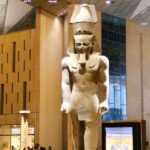
The highlight is the Alabaster Sphinx, plus the colossal statue of Ramses II. Even with limited time, this mix gives you a strong snapshot: Memphis wasn’t just ceremonial. It was monumental. It was public. It was meant to be seen.
With about 45 minutes and admission included, I’d use the time like this:
- Start by orienting yourself to the main features so photos match what you’re actually looking at.
- Take a moment to connect the statue and sphinx to the idea of royal messaging—monuments weren’t just art, they were announcements.
- Ask your guide what to notice in the ruins around you, since the guide’s explanation often makes the visible leftovers feel less random.
One practical note: Memphis is archaeological space, not a museum hallway. If you’re expecting fully restored walls and ceilings, you’ll need to shift your brain into interpretation mode. The reward is that it feels grounded and real.
Saqqara’s Step Pyramid of Djoser and the Old Kingdom Burial World
Saqqara is where the tour’s “firsts” really land. The star is the Step Pyramid of Djoser, described as the world’s first stone pyramid, dating to the Third Dynasty. That’s not trivia for trivia’s sake. It’s the whole reason to come here: you’re seeing an early, major shift in building technology, from older forms into full stone monumental architecture.
The site also functions as a wider necropolis with tombs and monuments connected to Old Kingdom burial practices. In plain terms, you’re not just looking at a pyramid; you’re walking through a landscape of how elites expected to be remembered and protected after death.
The tour gives you around 2 hours at Saqqara, so you can do more than circle the obvious landmark. If you want the most value, I’d aim for two things:
1) Spend time standing back and seeing how the pyramid reads in its setting.
2) Let your guide connect burial and power—because once you understand why these spaces mattered, the tomb landscape becomes easier to follow.
This is also a good stop for kids and first-time Egypt visitors. Many guests highlight that guides like Hosni engage children with questions and stories, which can turn a cemetery-of-kings feeling into an active, understandable adventure.
Dahshur’s Bent and Red Pyramids: Sneferu’s Engineering Story in Stone
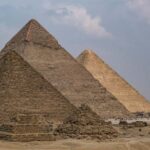
Dahshur is the stop that turns pyramid-watching into pyramid-thinking. Here you visit two pyramids built for King Sneferu in the Fourth Dynasty: the Bent Pyramid and the Red Pyramid.
The Bent Pyramid is famous for its shape, and the Red Pyramid is described as the first true smooth-sided pyramid. Put together, you get a clear message: the Egyptians didn’t get it perfect in one try. They worked toward it.
This part of the tour is about 2 hours 10 minutes, which is exactly what you want if you care about the “how did they do that?” side. Your guide’s job here is to help you see the architecture as evidence of problem-solving and gradual mastery rather than as magic you’re only supposed to admire from a distance.
If you’re planning photos, you’ll probably want to:
- Walk to angles where the shape changes show clearly (especially for the Bent Pyramid).
- Take a few wide shots, then switch to closer details so you capture both the big silhouette and the building logic.
Also, Dahshur can feel more open than some other sites. That can be a good thing for photos, but it also means less shade. Bring a plan for sun and water even though bottled water is included.
You can also read our reviews of more private tours in Giza

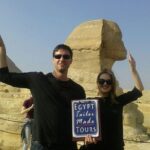

Egyptologist Guidance: Why Hosni’s Style Shows Up in Reviews
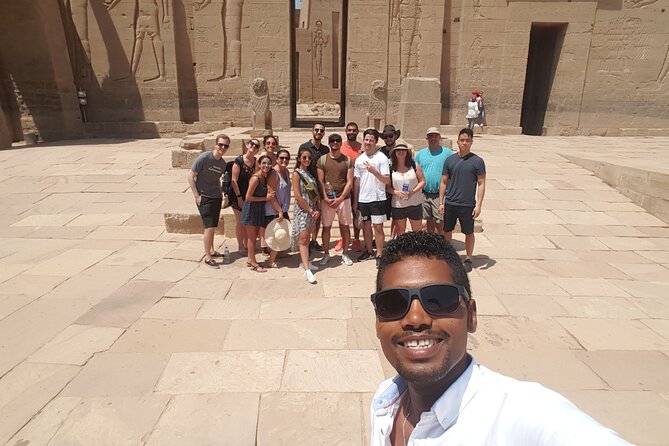
This tour’s biggest advantage isn’t only the monuments. It’s the person translating them. Guests repeatedly mention Hosni (spelled a couple of ways in reviews) as funny, kind, and very good at explaining the places in a way that sticks.
Here’s what that means for you on the ground:
- You’ll get more than dates. You’ll get what those dates mean in terms of who ruled and why they built what they built.
- You can ask questions repeatedly without feeling rushed or dismissed.
- If you’re traveling with kids, guides like Hosni often keep them involved by turning learning into interaction.
A few reviews also mention that the guide can adjust plans to better fit interests. That’s not guaranteed for every day, but it’s a helpful sign. In a private tour, flexibility matters because your group isn’t stuck with a one-size-fits-all script.
Price and Value: What $80.75 Really Buys You
At $80.75 per person, this isn’t the cheapest way to see pyramids. It is, however, a smart value if you care about not wasting time and not paying surprise entry fees.
What you get for your money:
- Private hotel pickup and drop-off
- Expert Egyptologist guide
- Bottled water
- Entry/admission included for Memphis, Saqqara, and Dahshur
- Taxes and governmental permissions
When you compare that to the cost of trying to DIY this route (driver, tickets, and the stress of coordinating timing), the private format starts to look fair. And since it’s private, you’re not paying only for the guide—you’re paying for control of the pace and the ability to ask questions when something catches your eye.
The main extra costs to remember are what’s not included: tipping, personal items, and lunch (optional). If you arrive hungry or under-prepared, you’ll feel that cost immediately.
What to Bring (So the Day Stays Fun, Not Miserable)
This is a full-day outdoor archaeological tour, so pack like you’re going to be outside much of the time. Since the tour includes bottled water, you don’t need to overdo hydration planning, but you should still come ready.
I’d bring:
- Comfortable walking shoes with grip
- Sun protection (hat/sunglasses/sunscreen)
- Light layers for air-conditioned parts of the drive
- A camera or phone with enough storage for pyramid angles
For spending: keep some cash for small purchases and tipping. Lunch isn’t included, but it’s an optional add-on at local restaurants, so plan whether you want a sit-down meal or a shorter stop between sites.
Should You Book This Tour?
Book it if you want a high-impact day with real context and a private guide. This is a strong choice for first-timers who want to see more than one pyramid story in a single route, and for repeat visitors who want the “why” behind the shapes and monuments, not just the silhouettes.
Skip it or reconsider if you dislike long days, walking on uneven archaeological ground, or if you’re looking for a super slow, no-rush museum-style experience. This tour is efficient by design. That’s part of its value.
If your travel style is curiosity-first, this one makes a lot of sense.
FAQ
How long is the Private Luxury Guided Tour to Memphis, Sakkara and Dahshur?
The tour runs approximately 6 to 7 hours.
Is this a private tour?
Yes. It is private, and only your group participates.
Do I get hotel pickup and drop-off?
Yes. Private hotel pickup and drop-off are included.
Which locations are visited during the tour?
You visit Memphis, Saqqara, and Dahshur.
Are entrance fees included?
Yes. Entry or admission for Saqqara, Memphis, and Dahshur is included.
Is bottled water provided?
Yes. Bottled water is included.
Is lunch included?
Lunch at a local restaurant is not included, but it’s optional.
What’s not included in the tour price?
Tipping, personal items, and any extras not mentioned in the itinerary are not included. There may also be an extra charge for hotel pickups outside the city.
Is free cancellation available?
Yes. You can cancel up to 24 hours in advance for a full refund.
If you tell me your travel dates and whether you’re going with kids or grandparents, I can suggest the best time of day to do this kind of route and how to pace breaks.