REVIEW · LUXOR
Luxor’s East & West Bank Highlights Tour
Book on Viator →Operated by Magic Carpet Travel · Bookable on Viator
Four landmarks, one unforgettable day.
Luxor’s East and West Banks can feel like a lot of ruins and not much sense—until you have an Egyptologist guide doing the connecting for you. I like the way the tour pairs big, memorable stops with real explanations, and I also like the round-trip hotel pickup and drop-off that keeps your day from turning into a taxi scavenger hunt. One thing to plan for: entry tickets aren’t included, and the day runs about 8 hours, so it’s not a “sit back and float” kind of outing.
This is a private tour, so it’s only your group, and that matters in Luxor where walking between sites and adjusting to crowds can make or break your pacing. You’ll hit the West Bank heavy hitters first—Valley of the Kings, Temple of Hatshepsut at Deir el Bahari, and the Colossi of Memnon—then finish on the East Bank with Karnak Temple. If you’re trying to see Luxor’s essentials without juggling guidebooks, opening times, and logistics, this is the kind of day that makes Luxor feel manageable.
In This Review
- Key Points Before You Go
- Price and What You’re Really Paying For (Not Just the Number)
- East vs West Bank: Why Doing Both Sides in One Day Works
- Valley of the Kings: More Than a Name on a Ticket
- Temple of Hatshepsut at Deir el Bahari: The Rock-Face Effect
- Colossi of Memnon: Big Guardians and a Brief Break
- Lunch in a Local Restaurant: A Real Pace Reset
- Karnak Temple: When “Largest” Feels Like a Challenge
- Private Tour Benefits That Actually Matter in Luxor
- Logistics Check: Pickup, Tickets, and the One Caution to Not Ignore
- Who This Tour Suits Best (And Who Might Prefer Something Else)
- Should You Book This Luxor East & West Bank Highlights Tour?
- FAQ
- How long is the Luxor East & West Bank Highlights Tour?
- Is hotel pickup included?
- Are entry tickets included?
- What’s included in the price besides transportation?
- Is this tour private?
- What happens if the weather is poor?
Key Points Before You Go
- Private, Egyptologist-led flow: You get explanations as you move, not after you’re already confused.
- Hotel pickup cuts friction: Round-trip transport helps you spend more time at monuments and less time hunting meet-up points.
- West Bank essentials first: Valley of the Kings, Deir el Bahari, and the Colossi of Memnon set the stage for the day.
- Karnak after lunch energy: You finish with one of the largest temple complexes in Egypt, with time built in.
- Lunch is included: A local restaurant stop keeps the day from turning into an expensive snack festival.
- Tickets handled differently than you might expect: Admission tickets are included for some stops, but not overall for everything, so double-check what you personally need to pay.
Price and What You’re Really Paying For (Not Just the Number)
At $107.70 per person for an 8-hour private tour, the price makes sense when you look at what’s included versus what’s not. You’re paying for three valuable things that are hard to DIY in Luxor:
1) An Egyptologist guide who can tell you what you’re looking at while you’re still there.
2) Private vehicle transport plus hotel pickup and drop-off, so you’re not managing transfers yourself.
3) A planned, full day across both banks, including time at the major sights.
What’s not included is also important. The tour lists tipping and entry tickets as not included. At the same time, the schedule also notes that admission tickets are included for specific stops (Valley of the Kings, Hatshepsut Temple, and Karnak). That can be confusing at first glance. My advice: treat the schedule as your checklist, but confirm what you will actually be asked to pay on the day—especially if you’re planning any extra add-ons at sites.
You can also read our reviews of more tours and experiences in Luxor.


East vs West Bank: Why Doing Both Sides in One Day Works
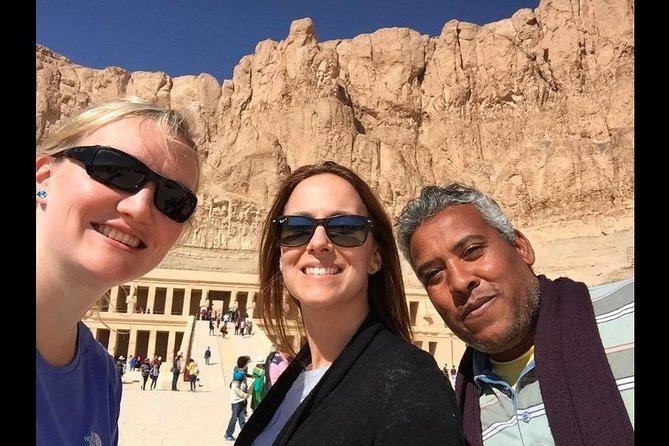
Luxor is basically two worlds separated by the Nile. The East Bank is where the big temple complexes live; the West Bank is tied to royal funerary traditions and the mythic mood of the afterlife. Trying to arrange both on your own can go sideways fast: timing, distance, and which sites connect to which stories.
This tour builds a clear rhythm:
- West Bank in the morning (Valley of the Kings, Deir el Bahari, Colossi of Memnon)
- East Bank to finish (Karnak Temple)
That order helps because the West Bank stops often feel heavier and more “story-driven,” and then Karnak gives you the scale payoff at the end. It’s a smart way to keep your brain engaged instead of flipping between unrelated sites all day.
Valley of the Kings: More Than a Name on a Ticket
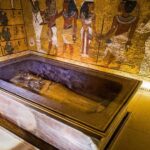
Your day starts at the Valley of the Kings on the West Bank, with about 2 hours on-site and admission ticket included. This is the royal necropolis tradition you hear about in Luxor—pharaohs treating the “after” as a serious destination. It’s not just one monument; it’s a whole setting, chosen for its relationship to the idea of kingship and burial.
What I like here is the guided timing. In a self-guided visit, people often rush through tombs or just stand around trying to figure out what matters most. With a guide, you can connect names, symbols, and the logic of the valley faster—and that turns a walk through rock into a coherent experience.
Also, this stop sets expectations for the rest of the West Bank. When you know what the Valley of the Kings represents, Deir el Bahari and the Colossi of Memnon don’t feel like random hits. They feel like chapters in the same larger story of power, legacy, and memory.
Temple of Hatshepsut at Deir el Bahari: The Rock-Face Effect
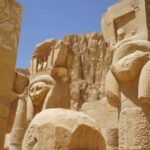
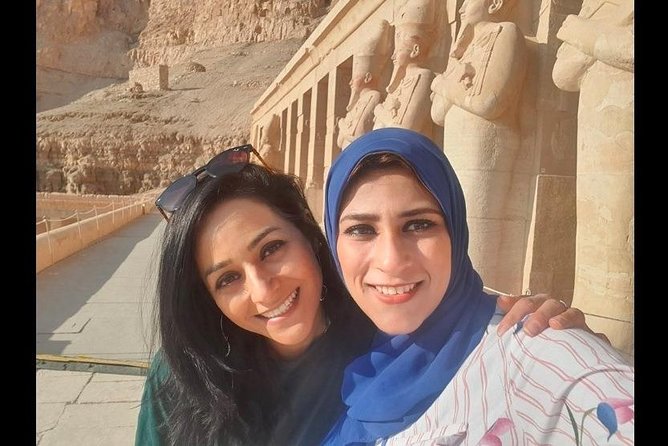
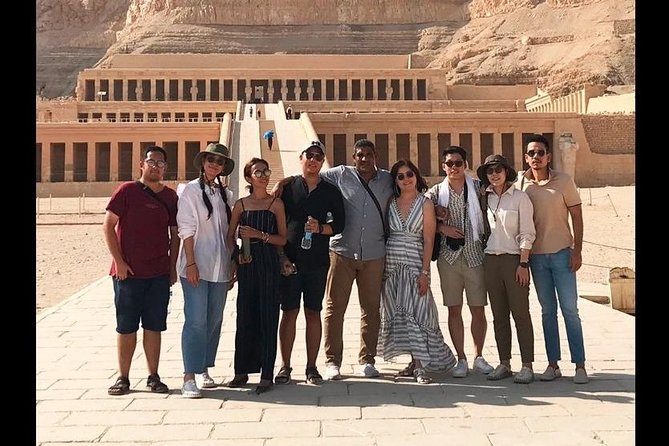
Next up is Temple of Hatshepsut at Deir el Bahari, about 1 hour, with admission ticket included. The first thing you’ll notice is the setting. You’re working with a monumental cliff backdrop, and the temple structures are built to look like they belong in the rock face rather than sitting on top of it.
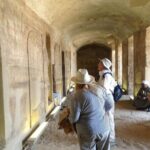
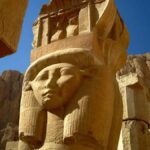
Inside, the walls tell stories tied to one of Egypt’s most famous female pharaohs. You’ll also run into the practical, human reality of history: the tour notes that many faces are damaged due to later actions attributed to Tutmosis III, who sought to remove representations of Hatshepsut. That detail matters because it adds texture to the visit. You’re not only looking at art; you’re seeing how politics physically changed what people chose to preserve.
A useful consideration: a one-hour stop can feel short if you want slow photography and lots of reading. If you’re the type who likes to stand and stare, ask your guide to prioritize what you should focus on most.
Colossi of Memnon: Big Guardians and a Brief Break
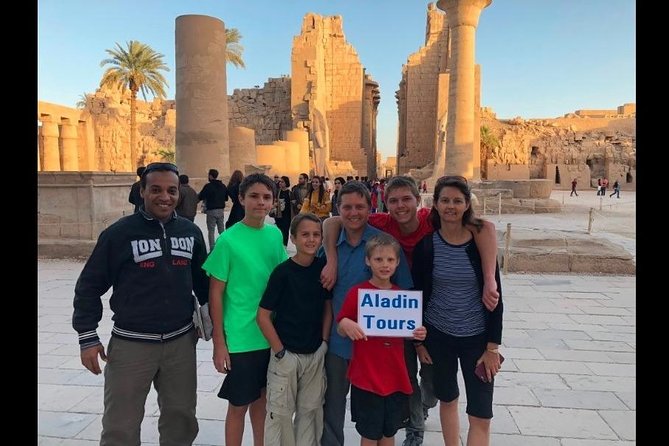
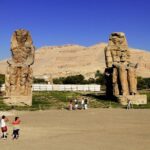
Then you get Colossi of Memnon, the final West Bank stop, for about 15 minutes. The schedule notes admission ticket free here, and you’ll also have lunch afterward.
These two massive statues stand as guardians tied to Amenhotep’s memorial temple—and they’re oriented toward the Nile. The tour also includes a fascinating legend: after an earthquake in 27 BC, one surviving colossus was believed to sing at sunrise, though that sound reportedly disappeared after later renovations. Even if you don’t care about myths, the story helps you look at the statues differently. You’re not just seeing scale; you’re seeing how people tried to explain the world they lived in.
Fifteen minutes might sound like a blink, and it is compared to the other stops. But it works in this itinerary because it gives you a reset right after the heavier, more interpretive sites.
And then—lunch.


Lunch in a Local Restaurant: A Real Pace Reset
Lunch is included, and it’s at a “nice local restaurant” stop. The schedule doesn’t promise gourmet or fine dining, but including lunch is one of the smartest small choices a tour can make. Luxor days can stretch, and hunger is a fast way to ruin your attention span for temples.
If you’re sensitive to eating timing, this is a good point to mention to your guide: a quick “we need to move right after lunch” conversation can help you avoid getting stuck in a long meal while the tour continues without you.
Karnak Temple: When “Largest” Feels Like a Challenge
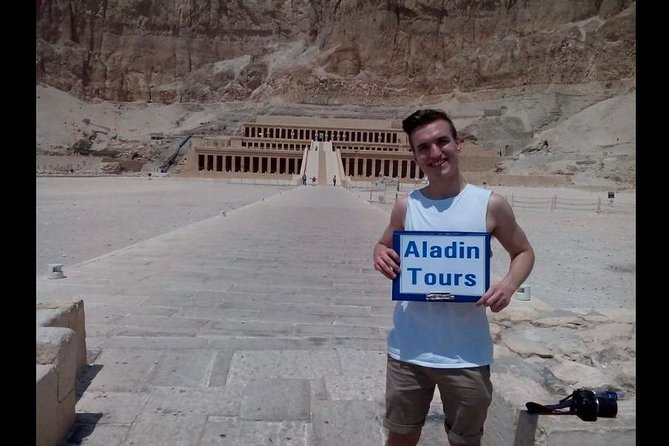
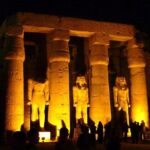
On the East Bank you’ll visit Karnak Temple, about 2 hours, with admission ticket included. Karnak is described as the vastest Ancient temple dedicated to the Theban triad: Amun, Mut, and their son Khonsu. This is where Luxor stops being a set of individual sights and starts feeling like a temple city.
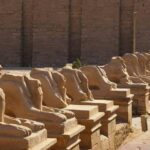
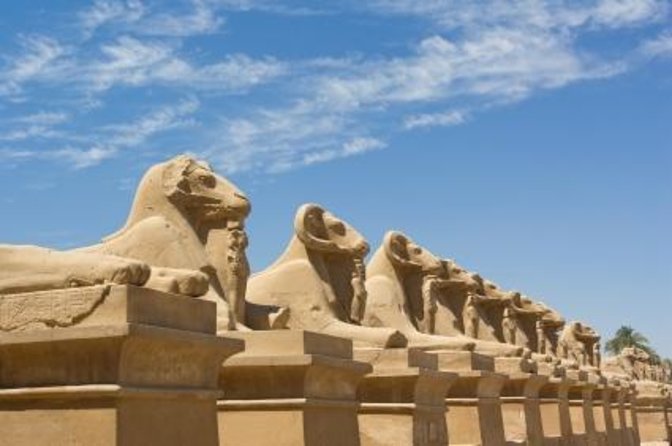
The tour also gives context for how Karnak connects to Luxor Temple. There was an alley of sphinxes used during the Opet Festival, where statues traveled from Karnak to Luxor so Amun-Ra could meet Amun-Min. Even if you can’t “time travel” to Opet Festival day, having that framework helps you understand why Karnak is so layered—this complex wasn’t made for one moment in time.
One detail I appreciate: the tour notes that the ancient complex has three precincts, and only the Amun-Ra precinct is accessible to the public. That means you can focus your energy on what you can actually see, rather than feeling like you missed a chunk of the site.
Practical drawback to consider: Karnak’s scale can overwhelm. Two hours is a lot of time, but it can still fly by if you’re trying to absorb everything at once. The best approach is to pick what your guide recommends as the “must-see” parts inside the accessible area, then slow down there.
Private Tour Benefits That Actually Matter in Luxor
This is a private tour, meaning only your group participates. In Luxor, that’s not just a comfort upgrade—it changes the day’s pace:
- You can ask questions in the moment instead of waiting for the group to catch up.
- If you slow down at a specific point of interest, the tour can adjust rather than forcing you to keep up.
- You get personalized and flexible service, which is a big deal at sites where not everything is obvious.
The guide waits for you at Luxor to reach the West Bank, which signals an organized setup rather than a “meet someone near the entrance and hope” plan. That kind of structure is especially helpful if you’re not familiar with how Luxor sites are clustered.
Also included: bottled water during the day, plus a professional Egyptologist guide and transport by private vehicle. Those are the “quiet wins” that keep you comfortable enough to actually enjoy what you’re seeing.
Logistics Check: Pickup, Tickets, and the One Caution to Not Ignore
A round-trip plan sounds straightforward, and for most people it likely is. Still, one caution is worth taking seriously: the experience clearly lists hotel pickup and drop-off, and not airport transfers. If your plans involve an airport pickup, confirm the meeting point and pickup instructions in writing before the day arrives.
Here’s how to protect yourself:
- Make sure your pickup is tied to your actual hotel location.
- Ask what the exact pickup timing window is, since Luxor transfer time can vary with time of day and traffic (the tour notes transfer times are approximate).
- Since entry tickets are listed as not included overall, confirm what’s covered versus what you may pay on-site.
That’s not fear-mongering. It’s just smart trip management.
Who This Tour Suits Best (And Who Might Prefer Something Else)
This tour is a strong fit if:
- You want the biggest Luxor highlights across both banks in one day
- You care about context and want an Egyptologist guide to connect the dots
- You prefer private logistics over group wandering
- You’d rather pay a bit for convenience than spend extra time figuring things out
It may not be ideal if:
- You hate time-pressured itineraries and want an unhurried, slow museum-style day
- You’re hoping to eliminate all ticket payments (some entry costs may still be on you, even if certain admissions are covered in the schedule)
- You want airport pickup included by default (this one focuses on hotel pickup)
Should You Book This Luxor East & West Bank Highlights Tour?
I’d book it if your goal is a focused, explanation-led day across Luxor’s key sites, with transport and lunch handled for you. The biggest value is the pairing: West Bank story + East Bank scale, all powered by a guide and backed by a hotel pickup plan.
I would not book it blindly if you’re sensitive to ticket costs or if your logistics start at the airport. In those cases, double-check exactly what’s covered and what you’ll pay on-site, and confirm your pickup location. Do that, and you’re set up for a day that feels organized, meaningful, and very Luxor.
FAQ
How long is the Luxor East & West Bank Highlights Tour?
The tour is approximately 8 hours long, though transfer times are approximate and can vary depending on time of day and traffic conditions.
Is hotel pickup included?
Yes. The tour includes hotel pickup and drop-off, with transport by private vehicle.
Are entry tickets included?
Admission ticket inclusion is listed for some stops (Valley of the Kings, Temple of Hatshepsut at Deir el Bahari, and Temple of Karnak). However, entry tickets are also listed as not included overall, so it’s smart to confirm what you personally need to pay for on the day.
What’s included in the price besides transportation?
The tour includes a professional Egyptologist guide, bottled water, lunch, and all taxes and handling charges.
Is this tour private?
Yes. It’s a private tour/activity, and only your group will participate.
What happens if the weather is poor?
The experience requires good weather. If it’s canceled due to poor weather, you’ll be offered a different date or a full refund.