REVIEW · LUXOR
Luxor: West and East Banks All-Inclusive Tour & Balloon Ride
Book on GetYourGuide →Operated by Nice Tours · Bookable on GetYourGuide
Luxor can feel like a living museum, but this day plan makes it moving. You’ll start before sunrise with a hot air balloon flight (over 1500 feet up) and then spend the day stitching together the West Bank tomb world and the East Bank temple axis. The big win here is how much you see without the usual ticket-line headaches, since entry fees and skip-the-line access are part of the deal. The only real drawback is the schedule: it’s a long, packed 11 hours with walking on uneven surfaces and heat that can wear you down.
If you’re the type who likes your Egypt with context—who wants the Amun-Mut-Khonsu story behind Karnak, and why Hatshepsut’s terraces still dominate the cliffs—this tour format works. You’ll also get a slower reset with a traditional felucca ride on the Nile, which balances the tombs and monuments with something human-paced.
Key Points I’d Prioritize
- Sunrise hot air balloon over Luxor’s sites, with flights run in early light (but wind can cancel)
- West Bank classics: Valley of the Kings, Hatshepsut at Deir el-Bahari, and the Colossi of Memnon
- East Bank powerhouses: Karnak Temple and Luxor Temple, including how Ramses II finished Luxor Temple
- Felucca sailing on the Nile, a calm counterweight to a busy temple day
- Guides with strong storytelling (people often name standouts like Ramez, Salma, Manal, Jackie, and Issa)
In This Review
- Sunrise Balloon Over Luxor: The View You Can’t Replicate
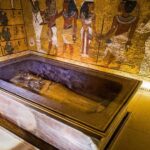
- Valley of the Kings: Feeling the Weight of the Tomb World
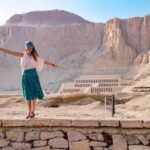
- Hatshepsut’s Mortuary Temple at Deir el-Bahari: Terraces That Still Command Attention
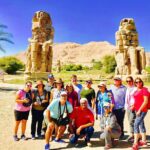
- Colossi of Memnon: A Short Stop With Big Presence
- Lunch at a Local Restaurant: A Real Break in the Middle
- Felucca on the Nile: The Best Kind of Pause
- Karnak Temple: Worship on a Massive Stage
- Luxor Temple: Amenhotep III’s Start, Ramses II’s Completion
- Price and Value: Is $188 Actually a Good Deal?
- Who This Tour Fits Best (and Who Should Think Twice)
- A Note on Guides: Why Clear Storytelling Matters Here
- Should You Book This Luxor Balloon + East/West Banks Tour?
- FAQ
- What’s the total duration of this tour?
- Is hotel pickup included, and from where?
- What does the tour include besides the temples?
- How high is the hot air balloon ride?
- What languages are available for the live guide?
- Can children ride the hot air balloon?
- Is this tour suitable for wheelchair users or mobility impairments?
- What should I bring for the day?
Sunrise Balloon Over Luxor: The View You Can’t Replicate
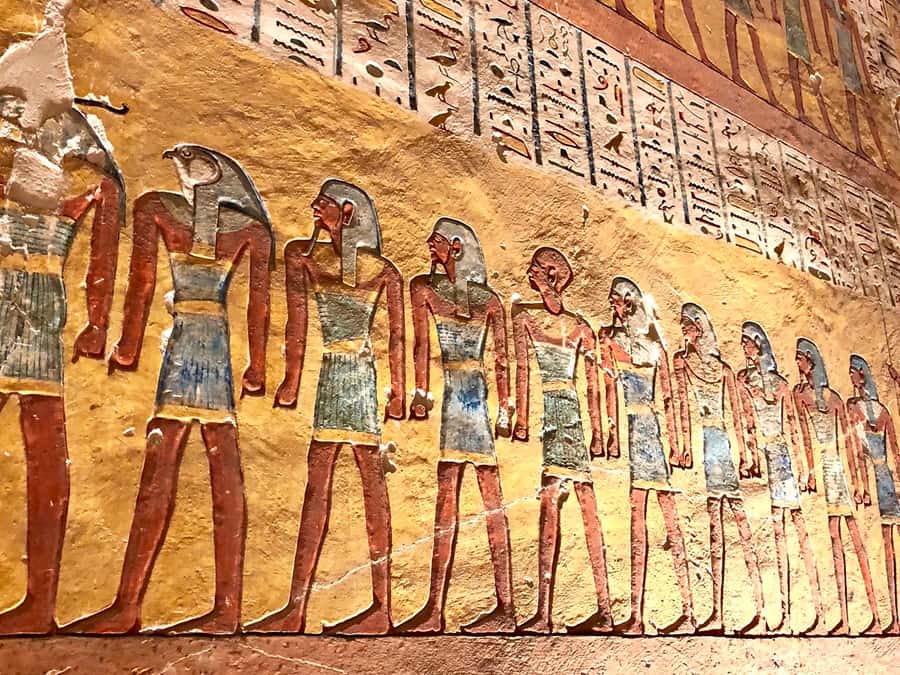
This is where the day earns its hype. You’ll be picked up from your East Bank hotel and then set off early for a sunrise hot air balloon ride. The flight runs at over 1500 feet, which matters because it changes how you read Luxor. From the air, the temples don’t feel like “a list of monuments.” They look like pieces of a larger plan laid across the river valley—an ancient map you can actually understand.
What I like about balloon starts is the mood shift. Temples can feel intense, crowded, and dusty once the sun gets high. But at sunrise, everything is gentler: shadows stretch, colors soften, and you get that rare moment where you’re not stuck in “tourist time.” One more practical note: balloon days depend on conditions. Some groups have had their balloon canceled due to wind and then rebooked the next day (or refunded in part). So if this is a bucket-list must, build in mental flexibility.
Valley of the Kings: Feeling the Weight of the Tomb World
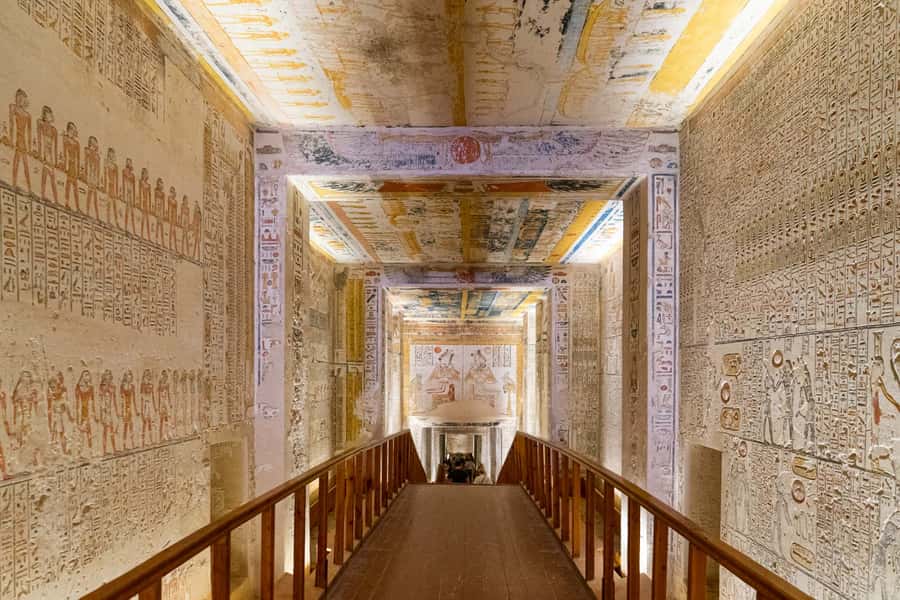
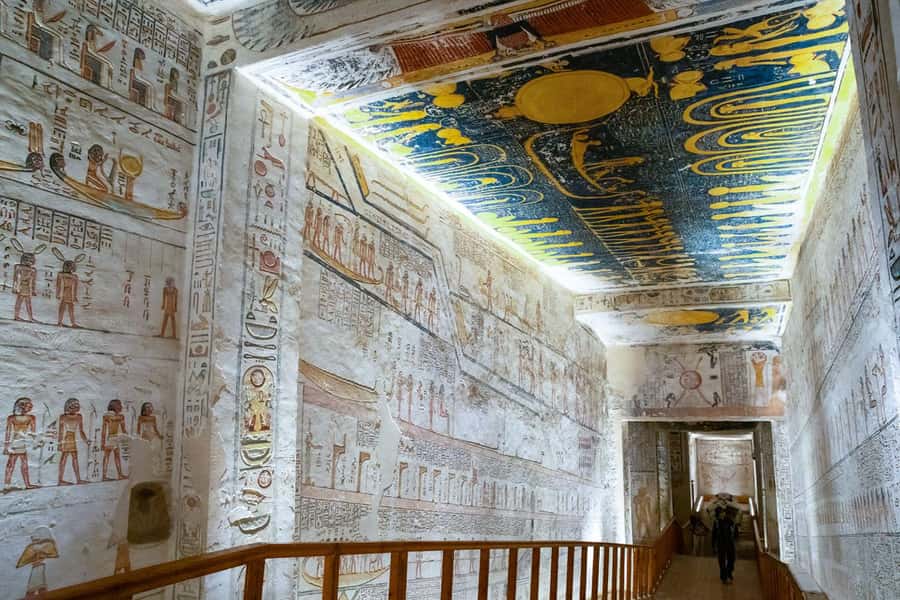
Once you’re back on the ground, the day pivots to the West Bank, where the atmosphere shifts from river life to desert silence. Your next stop is the Valley of the Kings—also called the Valley of the Gates of the Kings—a place designed for secrecy, not spectacle.
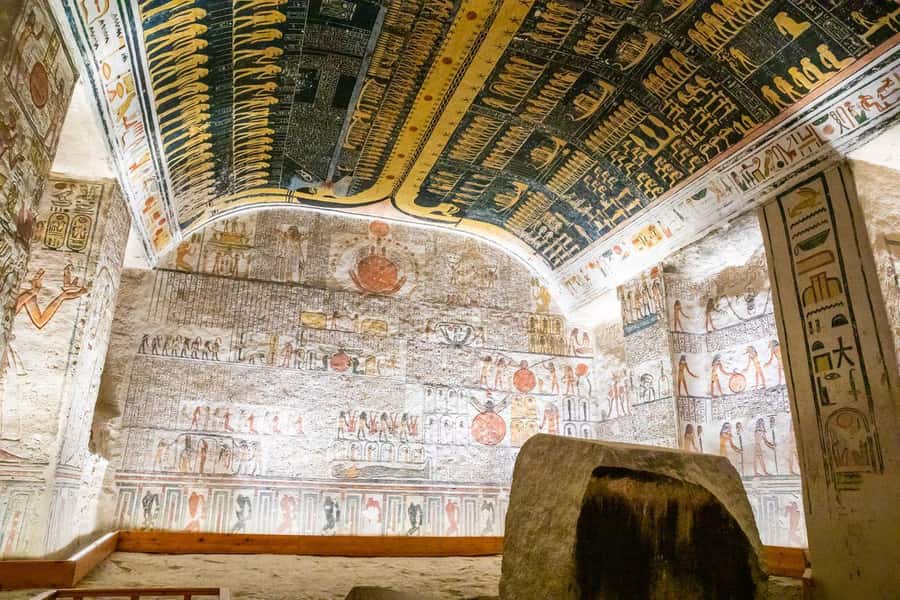
Here’s what makes the stop worth your time: you aren’t just looking at rock. You’re seeing how the ancient Egyptians engineered burial landscapes. The guided approach helps you understand why these tomb areas were arranged the way they were and how the West Bank functioned as more than a side of town—it was a whole worldview.
A practical consideration: the valley involves walking, sun exposure, and uneven ground. Comfortable shoes are non-negotiable. If you’re sensitive to heat, slow your pace during the hottest stretches and take breaks when your guide offers them.
You can also read our reviews of more tours and experiences in Luxor.

Hatshepsut’s Mortuary Temple at Deir el-Bahari: Terraces That Still Command Attention
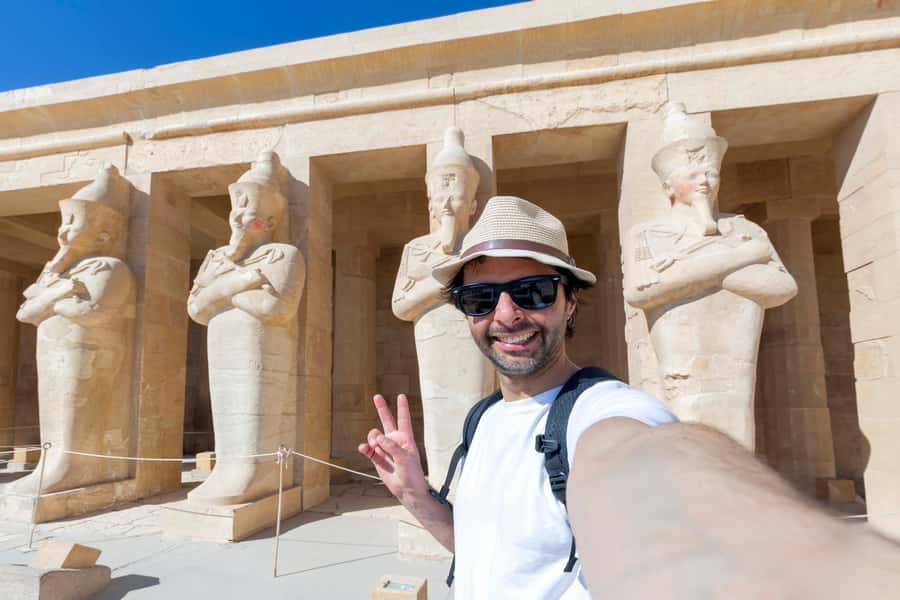
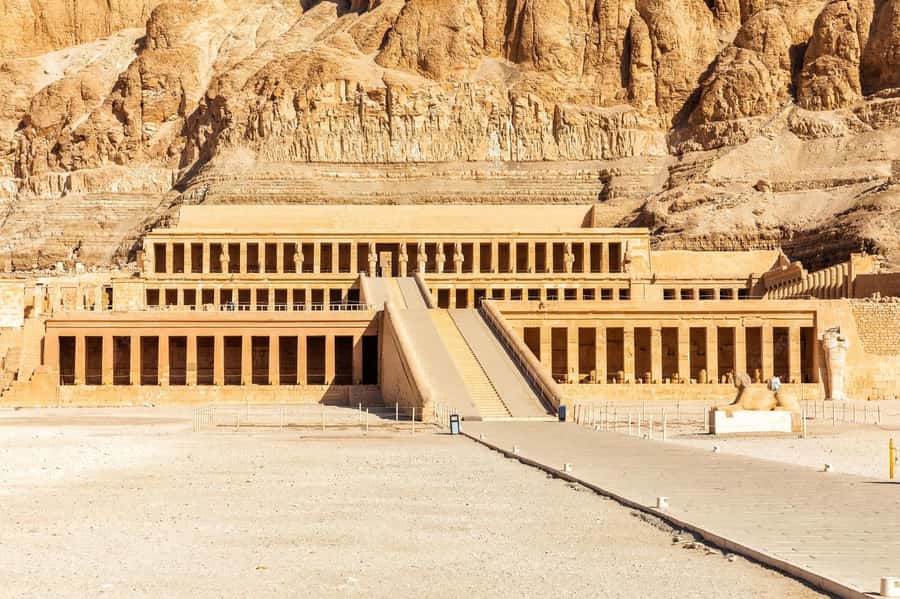
Then you’ll head to the Mortuary Temple of Queen Hatshepsut, at Deir el-Bahari. This is one of those stops where even people who think they’re not “a ruins person” end up paying attention.
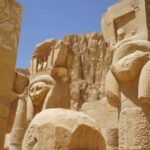
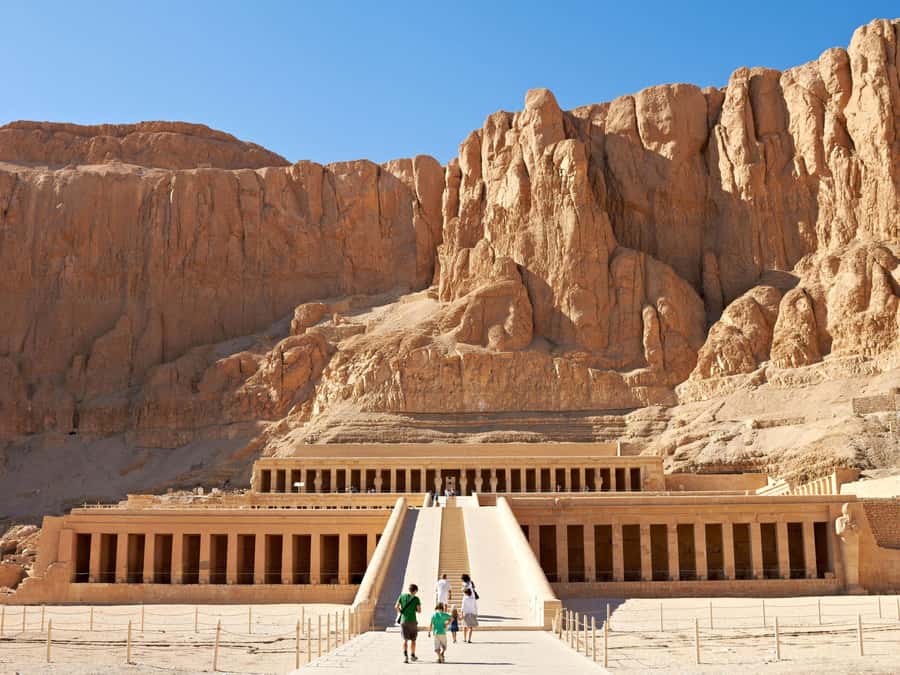
The headline feature is the architecture: three massive terraces rising from the desert floor into the cliff face. That vertical layering does something to your brain. It pulls your gaze upward even before you fully understand the story, so the monument hits you emotionally first—and then intellectually through the guide’s explanation.
This is also a strong place to slow down. You’re surrounded by rock cliffs, open air, and wide sight lines, so it’s easier to take photos that look like the real scale—not mini-temple snapshots. If you want to avoid the midday crush, you’ll appreciate a guide who keeps the day moving efficiently while still allowing you time to look.
Colossi of Memnon: A Short Stop With Big Presence
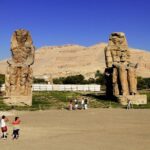
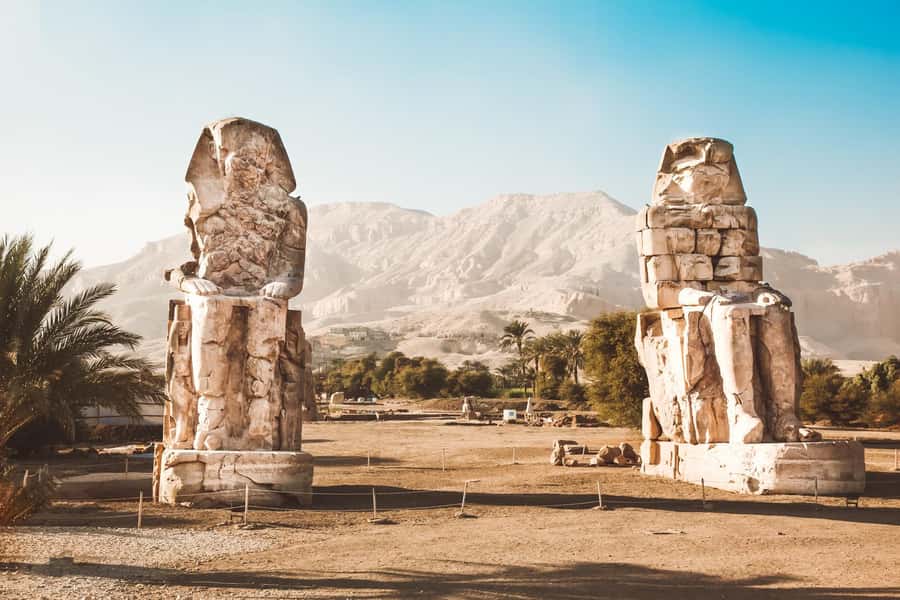
The Colossi of Memnon are a quick hit compared to the earlier stops, but don’t treat them like a “filler” stop. These colossal statues anchor the landscape, and they connect to the mortuary world of Amenhotep III.
Why this matters on your first Luxor trip: it helps you connect the dots. You’re not only visiting famous sites; you’re seeing how different reigns, beliefs, and building programs relate to each other across the West Bank.
If you have mobility limits, this is where timing and pace matter most. You likely won’t spend a long time here, but you will still need to manage walking around the viewing areas.
Lunch at a Local Restaurant: A Real Break in the Middle
After the Colossi stop, lunch is included at a local restaurant. This isn’t just a “food stop.” It’s your reset point in an 11-hour day.
What to do: treat lunch as recovery, not just calories. Drink water, take a breather in the shade, and recharge your camera batteries and phone storage. Luxor days can be photo-heavy, especially if the balloon morning gave you extra shots to sort later.
Felucca on the Nile: The Best Kind of Pause
After the temples and tomb spaces of the West Bank, you’ll cruise the Nile in a traditional felucca. This ride is one of the smartest parts of the day’s pacing, because it gives your eyes a break from stone carvings.
What I appreciate here is the rhythm. A felucca doesn’t feel like a ride you rush through. It’s more like floating while Luxor slides by, with the river acting as a time buffer between major sites.
Some groups have even reported getting a chance to steer the boat depending on the captain and conditions. Even without that, the value is the shift from “tour schedule” to “scenery breathing space.”
Karnak Temple: Worship on a Massive Stage
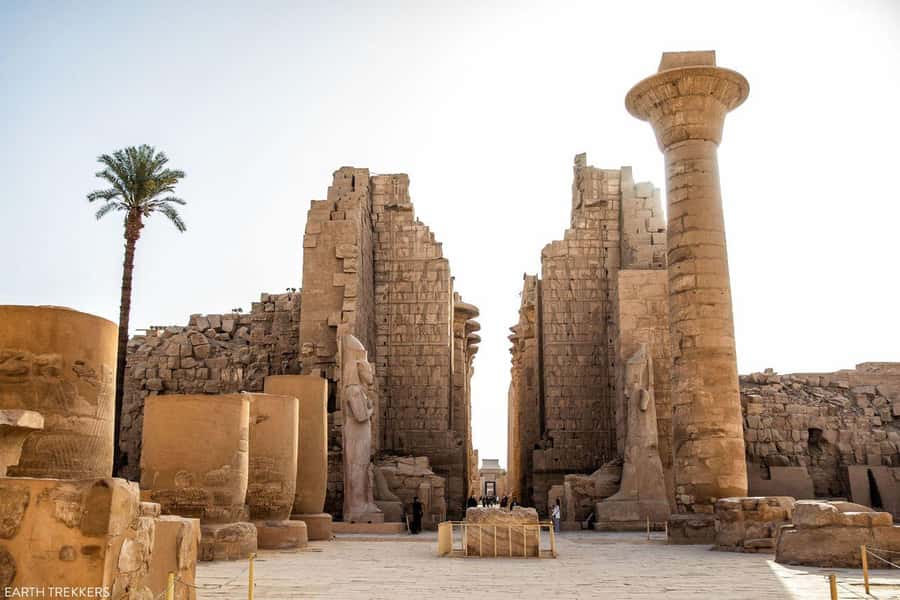
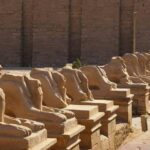
Karnak is the kind of place where you keep discovering new angles. It’s dedicated to Amun, along with Amun’s wife Mut and their son Khonsu—often referred to as the Theban triad. Your guide’s job here is crucial, because Karnak is huge, and without context it can blur into “more columns.”
With a strong guide, you’ll start to see how the temple functioned as a statement of belief and power, not just a building. The scale is the show, but understanding the purpose behind it is what makes it stick.
Practical tip: bring your patience for crowd flow. Karnak can be busy, and the plan usually involves moving through key sections. If you want photos, ask your guide when the best times are to step back and let others pass.
Luxor Temple: Amenhotep III’s Start, Ramses II’s Completion
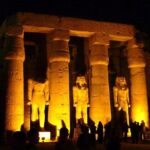
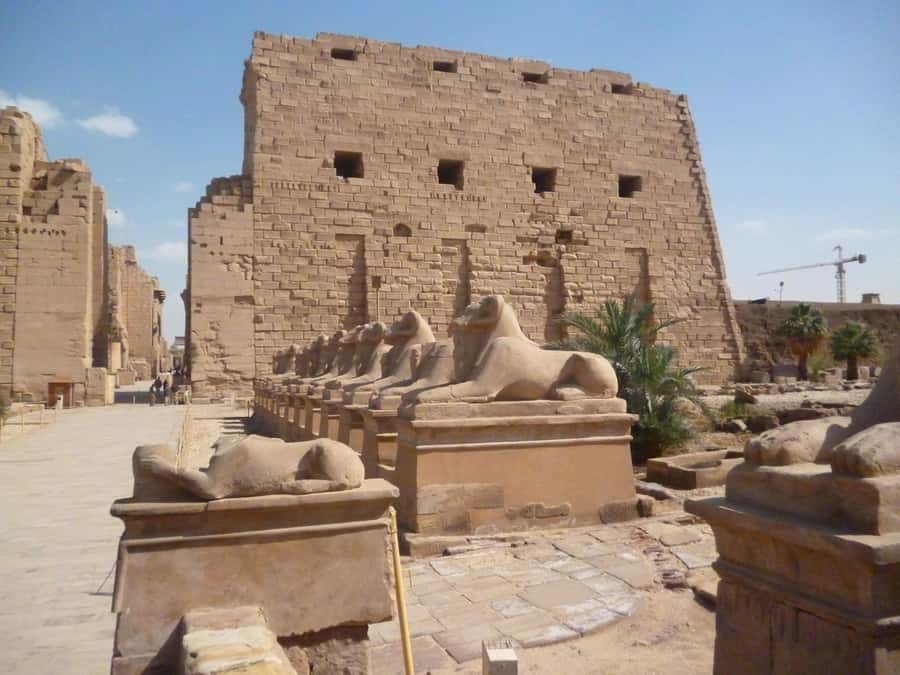
Finally, you’ll visit the Luxor Temple, built in the 18th Dynasty by Amenhotep III and completed by Ramses II. This stop is different from Karnak. Karnak feels like a universe. Luxor Temple feels like a home base.
What helps you enjoy it is the historical layering. When you understand that one ruler initiated it and another finished it, the temple stops being a static object. It becomes a timeline you can walk through.
Also, Luxor Temple often makes for satisfying last impressions because it’s easier to connect visually to the river setting. By the time you reach it, you’ll have already built your mental map of both banks.
Price and Value: Is $188 Actually a Good Deal?
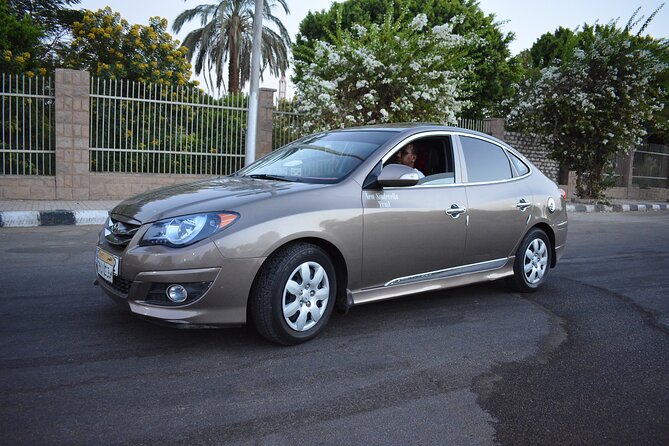
At $188 per person for an 11-hour day, the math works best if you look at what’s included. You’re not paying separately for balloon, guide, temple entry fees, a felucca ride, and lunch. You’re also getting hotel pickup and drop-off from East Bank hotels, plus a driver and taxes/service charges.
The balloon alone can dominate the cost of many Luxor packages. That’s why this tour can feel like better value than piecing it together yourself. The second value layer is the professional English-speaking guide plus temple entry fees. In Luxor, tickets and guided context are both easy to underestimate until you’re standing in the heat trying to figure out what you’re looking at.
The tradeoff is intensity. You’re doing multiple major sites in one day, which means fewer breaks than you might like. If you prefer a slower pace and don’t want to manage crowds, consider splitting East and West Bank into separate days instead.
Who This Tour Fits Best (and Who Should Think Twice)
This is a great match if:
- you have limited time in Luxor and want West Bank + East Bank in one day
- you want a guided explanation at major sites like Karnak and Hatshepsut
- you want the balloon experience as part of a full Luxor “greatest hits” day
- you’d enjoy a balanced day that mixes big monuments with a calmer Nile sail
It’s a weaker match if:
- you’re pregnant or have mobility challenges, since the tour isn’t suitable for people with mobility impairments or wheelchair users
- you’re traveling with kids under 6, since children under 6 can’t join the hot air balloon flight under civil aviation rules
A Note on Guides: Why Clear Storytelling Matters Here
Temple days aren’t just about seeing. They’re about understanding. The guide level can make a noticeable difference, and the names that show up again and again in standout service include people like Ramez, Salma, Manal, Jackie, and Issa. In plain terms: a good guide helps you read the carvings instead of just photographing them.
You can often tell when a guide is strong by how they pace questions. If you want to ask why a temple was built a certain way, or what a specific name means (Amun, Mut, Khonsu), that’s where the guided format becomes worth it.
Should You Book This Luxor Balloon + East/West Banks Tour?
If you want one day that feels like Luxor’s big story, I’d book it. The combination of sunrise balloon, West Bank tomb landmarks, and the East Bank’s monumental temple complex is efficient in the best way.
Book it if:
- your schedule is tight and you want both banks covered
- you’re okay with an 11-hour day and some walking
- balloon timing matters to you enough to accept that weather can affect flights
I’d pause before booking if:
- you’re very heat-sensitive and need lots of downtime
- you want a slower “soak in one area” pace instead of moving through several major sites
If your main goal is to tick off the signature Luxor experiences without chaos, this is one of the more complete packages available—and the sunrise balloon is the kind of start that changes how the rest of the day lands.
FAQ
What’s the total duration of this tour?
It runs for 11 hours, starting with an early pickup and sunrise balloon flight, then continuing through the West and East Bank sites, plus lunch and a felucca ride.
Is hotel pickup included, and from where?
Hotel pickup and drop-off are included from East Bank hotels. West Bank hotel pickup is available for an extra cost of $5 per person.
What does the tour include besides the temples?
You get a sunrise hot air balloon ride, a felucca ride on the Nile, and lunch at a local restaurant, plus entry fees and a professional English-speaking guide.
How high is the hot air balloon ride?
The balloon flight is described as being at a height of over 1500 feet.
What languages are available for the live guide?
The live guide can be Arabic, English, French, German, or Spanish.
Can children ride the hot air balloon?
No. Children under 6 years old can’t join the hot air balloon flight due to civil aviation rules.
Is this tour suitable for wheelchair users or mobility impairments?
No. It’s not suitable for people with mobility impairments or wheelchair users, and it’s also not suitable for pregnant women.
What should I bring for the day?
Bring comfortable shoes, a camera, snacks, and comfortable clothes.