REVIEW · LUXOR
Hurghada: Small-Group Luxor Day Tour & Sunrise Balloon Ride
Book on GetYourGuide →Operated by Nice Tours · Bookable on GetYourGuide
Luxor looks different from the sky at dawn. This full-day trip starts with a sunrise hot air balloon over ancient Luxor and then strings together the East and West Bank in one tight, story-led day. I especially like the small-group feel (max 8) and how guides such as Aladdin or Hamdy often make the temples click into place. The one drawback to plan for is the very late pickup and the fact the balloon depends on weather, so timing can shift.
You’ll cover the Valley of the Kings, Hatshepsut’s cliff temple, the Colossi of Memnon, a calm felucca sail with tea, and then the monumental columns of Karnak. It’s a long day—about 18 hours from hotel to hotel—but it’s built for travelers who want major highlights without stitching together separate tours.
In This Review
- Key things worth knowing before you go
- The 11:00 PM pickup: why the day feels long (and how to cope)
- Sunrise hot air balloon over Luxor: the photo tip that actually helps
- Valley of the Kings: how to make the tomb visit feel meaningful
- Hatshepsut at Deir el-Bahari and the Colossi of Memnon: big drama in stone
- Lunch at a local restaurant: fuel for the next half of the day
- Traditional felucca on the Nile: a calmer stretch that balances the ruins
- Karnak Temple: going from column forest to sacred geometry
- Price and value: what you’re really paying for
- Who this tour is best for (and who should rethink it)
- Small details that can upgrade your day
- Should you book this Luxor balloon day trip?
- FAQ
- What time do you get picked up from Hurghada?
- How long is the tour from start to finish?
- Does the balloon ride always happen at sunrise?
- What sites are included on the Luxor day?
- Is entrance fees included?
- Is lunch included, and are drinks included?
- Is the guide included, and what languages are available?
- What is the small group size?
- What should I wear and bring for the day?
Key things worth knowing before you go
- Sunrise balloon timing is weather-dependent and can get rescheduled
- Pickup happens between 11:00 PM and 11:30 PM, then you do Luxor the next day
- West Bank tomb visits include multiple stops in the Valley of the Kings
- Hatshepsut and Memnon are dramatic cliff-and-giant-statue moments
- Karnak Temple is the payoff for East Bank scale
- Bring water/extra drinks on your own since drinks aren’t included
The 11:00 PM pickup: why the day feels long (and how to cope)
This tour runs on an unusual clock. You get picked up from your Hurghada hotel at 11:00 PM to 11:30 PM, then you drive to Luxor overnight. The big trade-off is simple: you spend more hours in transit so you can reach the balloon launch and morning sites.
For many people, that means arriving tired. Some guides handle it well by keeping the group moving and staying organized, but the drive itself can feel like the hardest part of the plan. One practical trick from people who’ve done this: pack a small pillow. It won’t magically fix an overnight road trip, but it can make the ride more tolerable when the bus or van feels bumpy.
Don’t skip layers. It can be cool during pickup, then warm again later. Also plan that you’ll be moving through uneven ancient ground where “comfortable walking shoes” matters more than fashion.
A few more Luxor tours and experiences worth a look


Sunrise hot air balloon over Luxor: the photo tip that actually helps
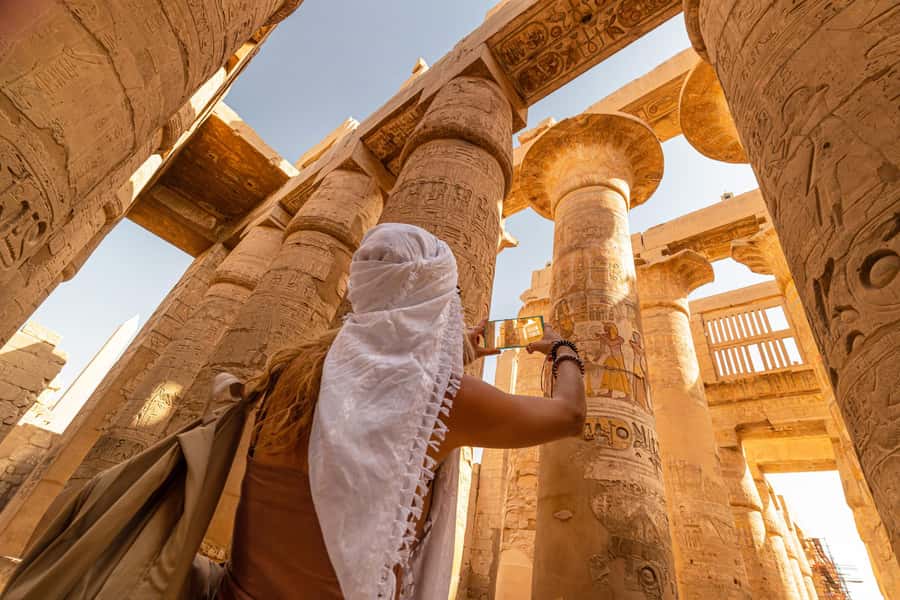
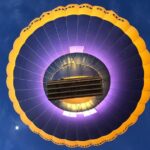
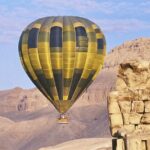
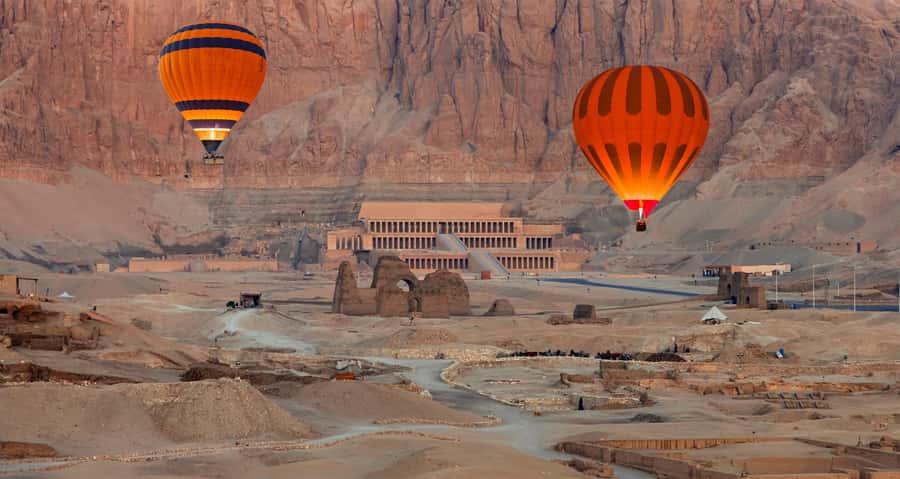
The balloon ride is the headline. You fly at sunrise over Luxor, silently watching temples, royal tomb areas, and the Nile Valley show up as the light changes. It’s a rare view: you’re not just seeing monuments—you’re seeing the layout of where they sit in relation to the river and each other.
Two things I really like about how this is set up:
First, you’re not stuck with just one angle. From the sky you get broad context—how the East and West Bank relate, how the river curves, and how the monumental sites form a kind of ancient map.
Second, you can improve your odds of great visibility. People advise trying to sit at the end of the basket away from the burners, since that can mean less heat and better sightlines.
A realistic note: you might miss the exact sunrise if balloon conditions don’t cooperate. Even then, the flight can still be a standout moment, just not the perfect cinematic timing. If you’re sensitive to waiting, keep your expectations flexible. Weather controls the plan more than any schedule on paper.
Also, bring what you’ll need for the flight. There are times when you’ll leave bags with transport before launch. If you rely on a camera and you want it in your hands, keep it with you rather than in a spot you assume you’ll grab again.
Valley of the Kings: how to make the tomb visit feel meaningful
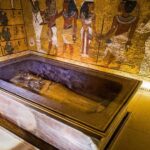
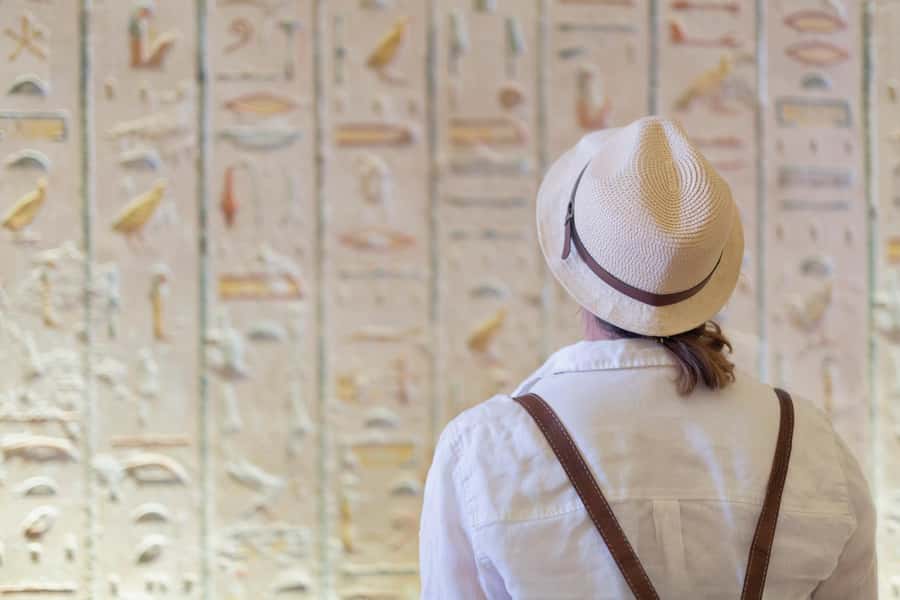
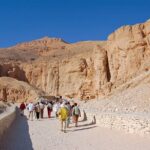
After the balloon, you cross to the West Bank and start with the Valley of the Kings. This part matters because it’s where you go from seeing ruins to understanding power. The route includes visits to multiple pharaonic tombs, with hieroglyphs and royal burial art.
What you should aim for here is not speed—it’s attention. Tomb interiors can feel darker and warmer than you expect, and the real value comes from slow looking plus your guide’s explanations. That’s where a strong Egyptologist-style guide pays off, because the carvings stop looking like random writing and start connecting to what each ruler wanted to preserve.
There’s a practical downside: tomb floors and passages can be uneven, and you’ll be doing moderate walking. Wear shoes that can handle stone dust and irregular ground. If your knees aren’t great, go steady and use the natural breaks to regroup.
Hatshepsut at Deir el-Bahari and the Colossi of Memnon: big drama in stone
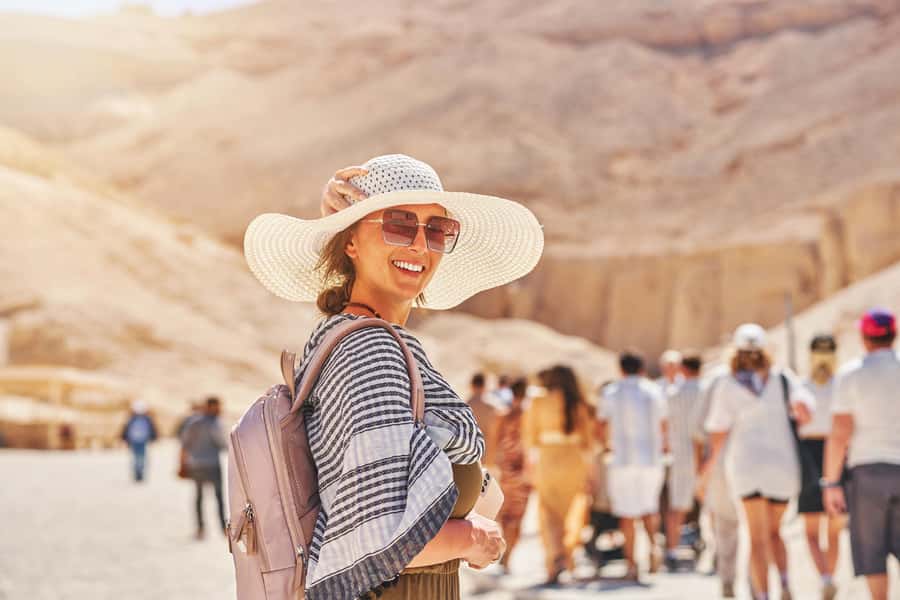
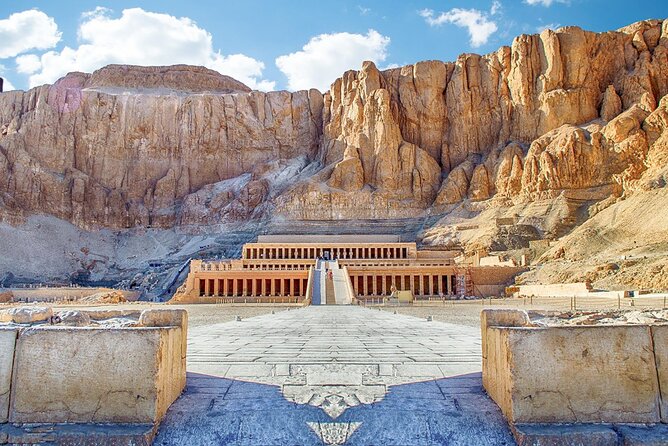
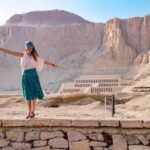
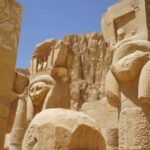
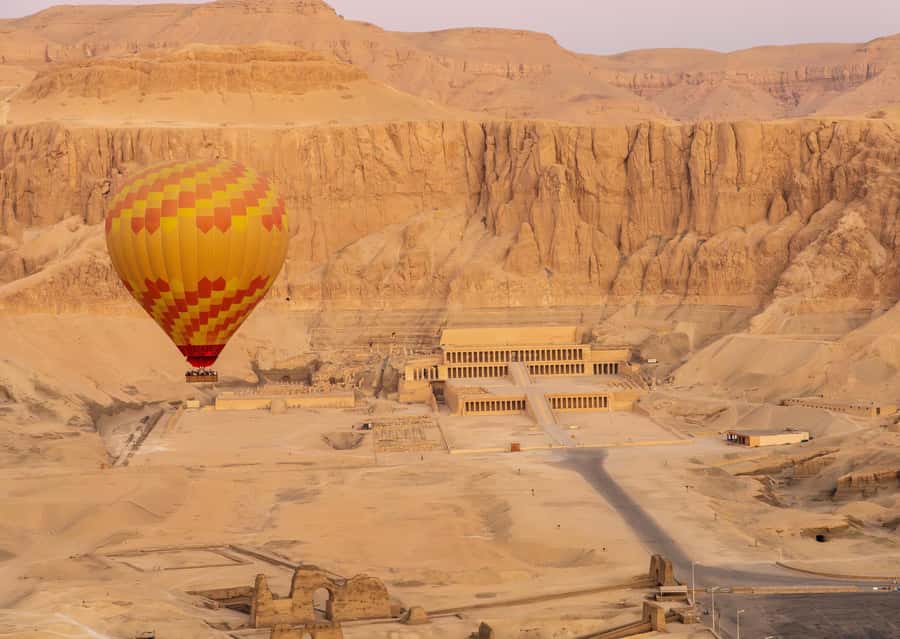
Next comes Hatshepsut’s mortuary temple at Deir el-Bahari. This is one of those stops where the setting is part of the story: the temple is cut directly into cliffs, so you feel like you’re standing inside a monument built to last.
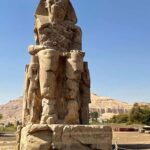
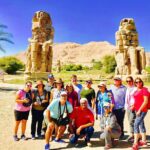
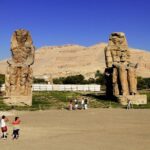
After that, you’ll see the Colossi of Memnon, two massive stone guardians tied to the legacy of Amenhotep III. These aren’t small photo ops. They’re built to dwarf you, and that scale is the point. Even if you’ve studied Egypt before, it’s hard not to get a gut-level sense of how monumental the building plans were.
Two tips that help here:
- Give yourself time to look up. These sites punish “standing only” behavior because the best details are at awkward heights or angles.
- If the group is moving quickly, ask your guide to point out what you’re looking for in each area before you walk in. It keeps your brain from drifting.
Lunch at a local restaurant: fuel for the next half of the day
You’ll stop for lunch at a local restaurant, with entrance fees already covered earlier and drinks not included. Think of lunch as fuel rather than a leisurely meal. You’ll want energy for Karnak later, and you’ll likely eat earlier than what your body would choose on a vacation schedule.
If you’re picky about drinking water, plan ahead. The tour includes refreshments at a local café, but it doesn’t include all drinks. Bring a reusable bottle if you do that sort of thing, or simply budget for buying water on your own.


Traditional felucca on the Nile: a calmer stretch that balances the ruins
Mid-afternoon brings a break from temples: a traditional felucca sail on the Nile, with tea during the ride. This is more than a scenery pause. It’s a reset for your senses after tomb and temple walking.
Why it’s worth it:
- The Nile view gives you a different sense of scale than the archaeological sites.
- The river sets a rhythm. The sail slows the day down, so you can appreciate what you’ve just learned instead of rushing toward the next stop.
You’ll also get photo chances, plus a snapshot of daily life along the banks (even if you’re mostly watching from the boat). If you’re the kind of traveler who likes one “quiet moment” inside a packed itinerary, this part does that job.
Karnak Temple: going from column forest to sacred geometry
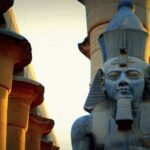
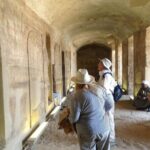
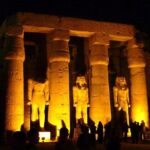
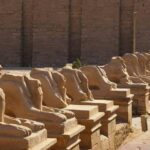
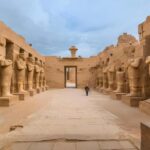
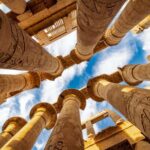
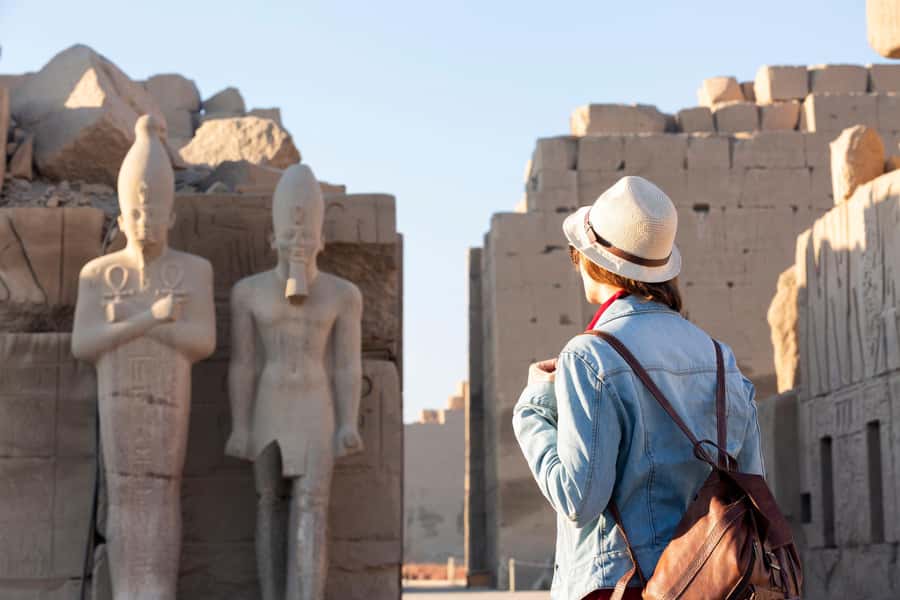
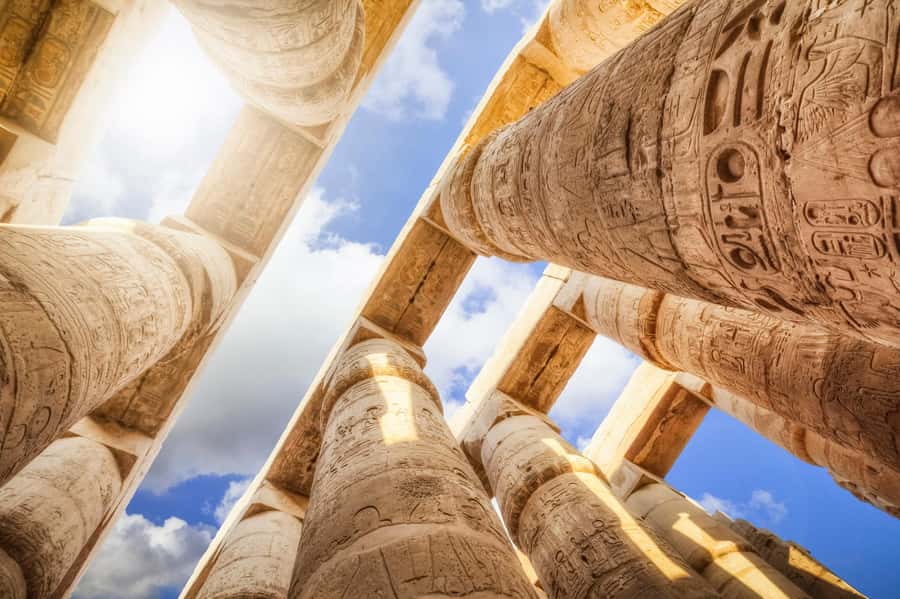
In the afternoon, you’ll explore the East Bank’s Karnak Temple complex, dedicated to the Theban gods. Karnak can feel overwhelming at first—so many halls, pylons, and columns—but that’s exactly why a guide matters.
This stop is one of the best ways to see Egypt’s religious architecture as a system. Your job is to notice patterns: alignments, repeating design elements, and how spaces change purpose as you move deeper. When you get a good guide, the scale stops being just big and starts becoming logical.
A practical caution: walking inside Karnak means heat exposure and stone surfaces. Take your breaks when your guide does. If you’re tempted to sprint between photo spots, resist it—Karnak rewards steady attention.
Price and value: what you’re really paying for
At $240 per person, this isn’t a cheap excursion. But it’s also not trying to be. You’re paying for the big pieces that are hard to bundle yourself:
- The sunrise hot air balloon ride
- Hotel pickup and air-conditioned transport over a long distance
- A professional English-speaking guide
- Entrance fees to multiple major sites
- A traditional felucca sail on the Nile
- Lunch and refreshments
If you were to try to piece this together separately, you’d likely spend more time coordinating, and you might lose the benefit of one guided story tying the West Bank to the East Bank. The price also makes sense if you want a single-day structure rather than a two-day Luxor stay.
Where the value can feel less perfect is if the balloon flight changes due to weather. You still get the land tour, but the headline experience may not match your mental movie. That’s the risk you’re accepting when you buy a sunrise balloon.
Who this tour is best for (and who should rethink it)

This is a strong choice if you:
- Want major Luxor highlights without planning transport between sites
- Like guided storytelling that helps you understand what you’re looking at
- Can handle an overnight pickup and a long day
- Appreciate both big monuments and a calmer Nile interlude
It might be less ideal if you:
- Hate early-morning starts or you’re likely to get very carsick on long drives
- Travel with limited flexibility if the balloon timing shifts
- Need lots of included drinks or snacks, since drinks (including water) aren’t included
For nervous balloon flyers: people have described apprehension, but also mentioned the large passenger basket feels stable. Still, if you’re afraid of heights or trapped spaces, it’s worth thinking hard before committing to a balloon.
Small details that can upgrade your day
- Sit smart in the balloon: end seats away from the burners may give better visibility.
- Pack for comfort: layers for pickup, walking shoes for tombs and temple stone.
- Keep essentials with you: if bags get left for flight setup, don’t assume you’ll have your camera or important items when you want them.
- Plan for extras: there may be optional photo/video packages offered on the day. People have referenced items like a paid video and a separate photo package.
And a big one: choose patience with the schedule. When everything runs smoothly, the day feels efficient. When it doesn’t (often due to balloon weather), the best results come from going with the flow rather than fighting the clock.
Should you book this Luxor balloon day trip?
I’d book it if you want a one-shot Luxor experience that hits the biggest names: the Valley of the Kings, Hatshepsut’s cliffs, Memnon’s scale, Karnak’s sheer magnitude, plus a Nile felucca sail. It’s built for travelers who want structure, guidance, and that sunrise sky moment—even if you have to accept weather uncertainty.
Skip it or at least reconsider if you can’t handle a late pickup, limited included drinks, and the possibility of balloon timing changing. This tour delivers best when you treat it like a full-on adventure day, not a relaxed sightseeing stroll.
If you’re curious, check whether your balloon priority matters most to you. If yes, this is one of the most straightforward ways to do sunrise balloon plus Luxor highlights without juggling logistics.
FAQ
What time do you get picked up from Hurghada?
Pickup is scheduled between 11:00 PM and 11:30 PM on your selected booking date, and then the tour activities take place the following day.
How long is the tour from start to finish?
The total duration is about 18 hours, including hotel pickup and drop-off.
Does the balloon ride always happen at sunrise?
The hot air balloon flight is weather dependent, and it may be rescheduled if conditions require changes.
What sites are included on the Luxor day?
You’ll visit the Valley of the Kings, the mortuary temple of Hatshepsut, the Colossi of Memnon, Karnak Temple, and you’ll also do a traditional felucca sail on the Nile.
Is entrance fees included?
Yes. Entrance fees to all mentioned sites are included.
Is lunch included, and are drinks included?
Lunch at a local restaurant is included, but drinks are not included.
Is the guide included, and what languages are available?
A professional English-speaking guide is included, and the tour offers additional languages as options (Arabic, English, French, German, Spanish).
What is the small group size?
The tour is a small group with a maximum of 8 participants.
What should I wear and bring for the day?
Comfortable walking shoes are required for the archaeological sites, and it’s a good idea to bring layers because temperatures can vary from the cool night pickup to warmer daytime conditions.