REVIEW · LUXOR
Hurghada: Luxor Valley of The Kings, Karnak Temple & Lunch
Book on GetYourGuide →Operated by OceanAir Egypt · Bookable on GetYourGuide
Luxor in one day beats sofa time. This day trip strings together Karnak Temple and the west-bank highlights with an Egyptologist guide, so you’re not just walking through big rooms—you’re learning why the stones were built that way.
I especially like the focused time at the big hitters: Karnak for a guided walk, then the Valley of the Kings for tomb viewing that includes a Ramses tomb. My second favorite part is the photo-friendly stop at Hatshepsut’s temple on the Nile’s west bank, where the architecture is so distinctive it feels like you’re reading history in layers.
One consideration: the schedule is tight. It’s a long day with a 5-hour drive each way, and the included lunch stop and on-site add-ons (like drinks and shopping pressure at certain stops) can feel a bit rushed or extra-costy if you were hoping for a relaxed meal.
In at least one recent French-language run I’ve seen, the guide was Youssef and the driver was Ashraf—useful to know because this kind of day lives or dies on clear guidance during the rapid transitions.
In This Review
- Key things I’d circle before booking
- Hurghada to Luxor: the long drive you should plan for
- Karnak Temple (UNESCO) with an Egyptologist guide
- Luxor Temple: a quick outside photo stop that still helps
- Included lunch in Luxor: tasty enough, but watch for extras
- Colossi of Memnon: your first west-bank taste
- Hatshepsut’s Mortuary Temple: architecture you can read with your eyes
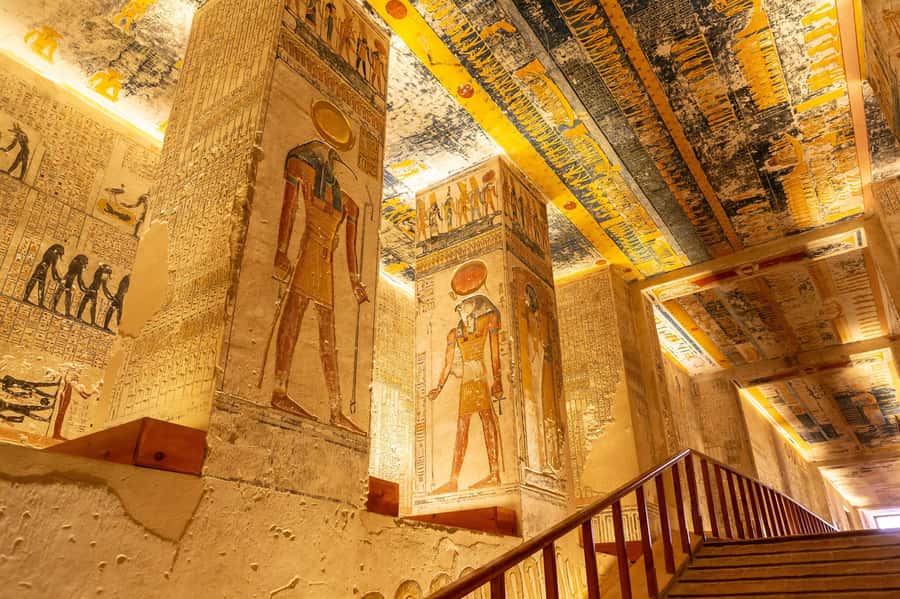
- Valley of the Kings: Ramses Tomb time (and why the tomb number matters)
- Timing and pace: what feels smooth vs. what can feel rushed
- Price and value: is $110 actually a good deal?
- How pickup works (and how to avoid missing your van)
- What to bring so the day doesn’t annoy you
- Should you book this Luxor day trip from Hurghada?
- FAQ
- How long is the Luxor day trip from Hurghada?
- Where does the tour start and end?
- Which major sites are included in the tour?
- Is lunch included?
- Are entrance tickets included?
- What languages are available for the guide?
- How big is the group?
- Which Ramses tomb will I visit in the Valley of the Kings?
- What should I bring for the tour?
- Is the tour wheelchair accessible?
Key things I’d circle before booking
- Small group (up to 12): you’re less likely to get lost in the shuffle when the guide explains what you’re seeing.
- Skip-the-ticket-line entry: you lose less time to queues during a day that’s already long.
- Karnak + Valley of the Kings are both guided: you get context, not just photos.
- Hatshepsut’s mortuary temple includes a full guided visit: good chance for memorable images and understanding the story.
- Ramses tomb varies by choice of tomb number (KV11, KV2, KV1, or KV6): your exact tomb depends on availability.
- Luxor Temple is an outside photo stop: you’ll see it, but you won’t spend hours inside like a dedicated Luxor tour.
Hurghada to Luxor: the long drive you should plan for
This tour is built around a classic “see Luxor fast” strategy. You start with hotel pickup in Hurghada, then hop into an air-conditioned minivan for a roughly 5-hour ride toward Luxor. The day runs about 16 to 17 hours, so you’re basically doing “one full Luxor day” plus the travel time.
That matters because you’ll want to time your energy. I recommend treating this like an all-day sightseeing outing, not a casual stroll. Bring a small day bag you can keep with you (you’re not allowed luggage or large bags), wear comfortable shoes, and keep sunglasses and a sun hat handy. The itinerary moves from east-bank temples to west-bank tomb country, so you’ll go from “temple shade” to “bright open-air stone,” sometimes fast.
The upside of this long day is that you avoid the logistical hassle of coordinating transport and tickets yourself. The downside is simple: there’s not much breathing room. If you hate tight schedules, you’ll feel it.
A few more Luxor tours and experiences worth a look

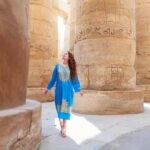
Karnak Temple (UNESCO) with an Egyptologist guide
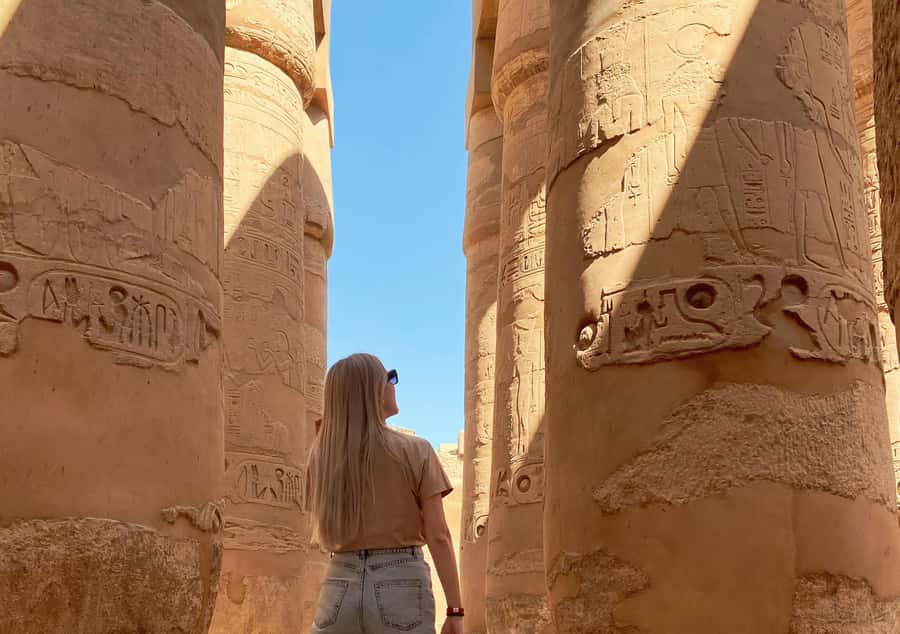
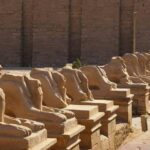
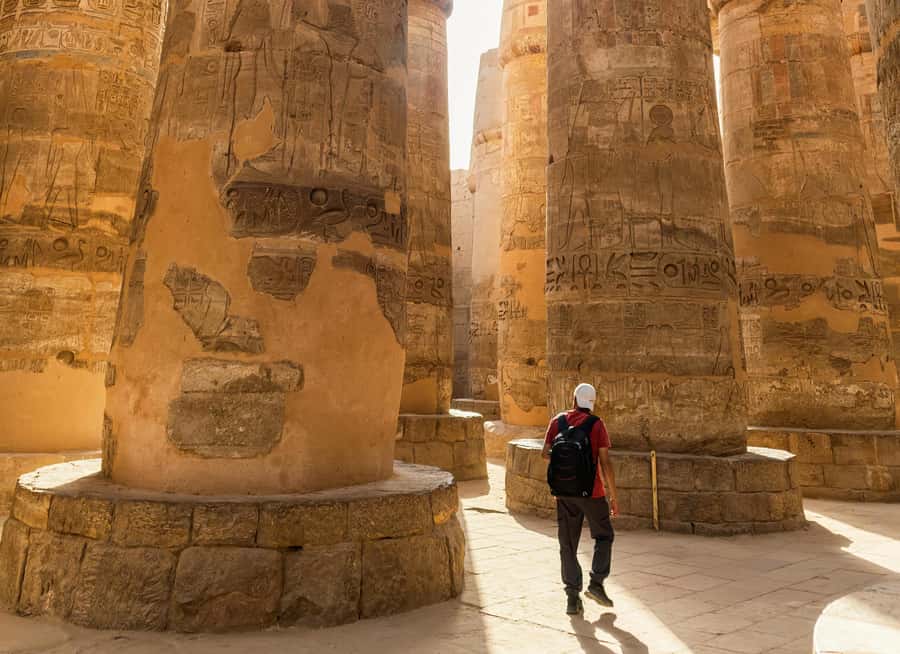
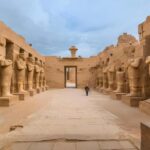
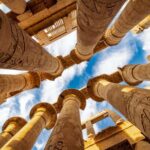
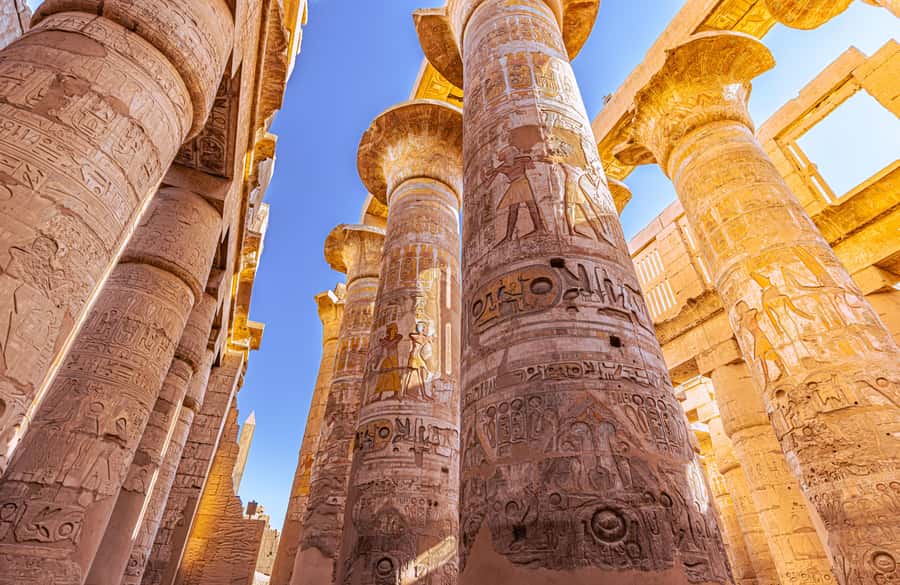
Karnak is the reason many people make the trip at all. This tour gives you about one hour at Karnak with a guided walk, which is long enough to notice patterns—like how the temple complex grew over time and how different areas served different religious purposes.
You can expect to see major features such as the columned halls, grand chapels, and the sacred lake. What makes this stop valuable isn’t just scale (though it’s big). It’s the way the Egyptologist connects the dots: you’ll understand what you’re looking at and why it mattered to pharaoh-era belief.
A practical tip: Karnak can feel overwhelming because there’s so much stone and so many viewpoints. When the guide is explaining, it helps to keep your attention narrow—pick a few key areas and let the guide’s story guide where you look next. That way, you don’t end up taking 200 similar photos but remembering almost nothing.
Luxor Temple: a quick outside photo stop that still helps
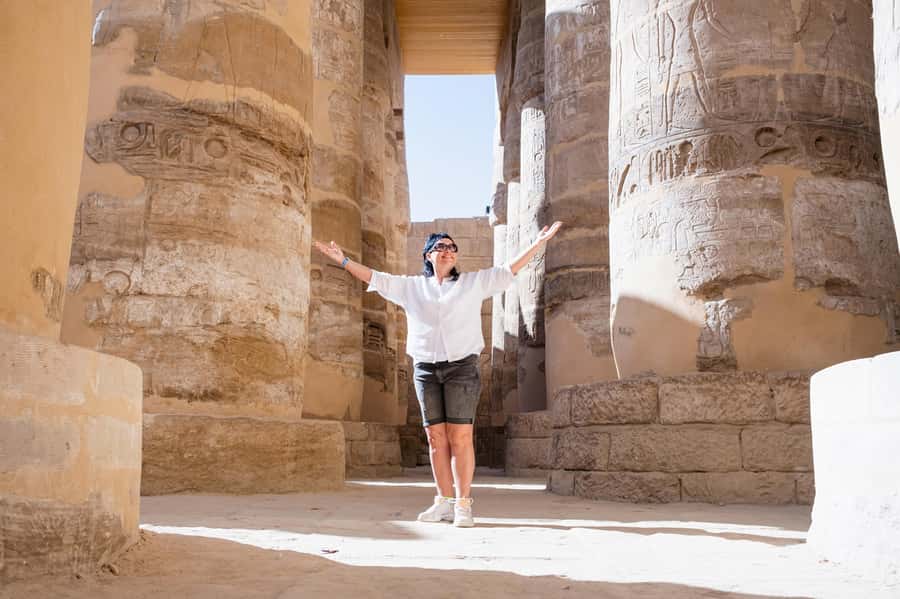
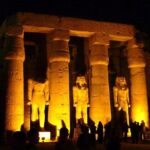
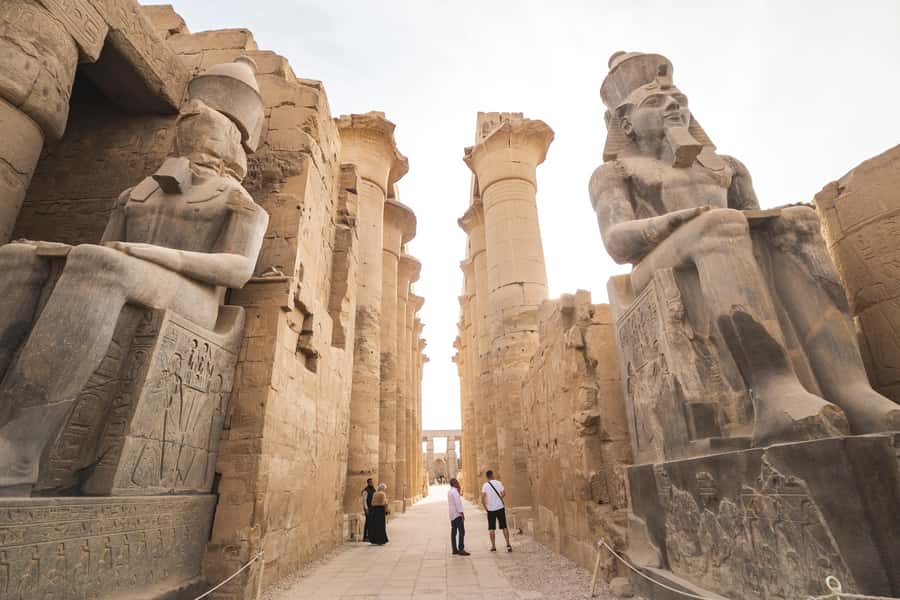
After Karnak, you’ll pass by Luxor Temple and get a short outside photo stop. This is only about 15 minutes, so it’s not a full visit. Still, it’s a worthwhile snapshot because Luxor Temple sits on the Nile’s story line with towering pylons and statuary that match the style you saw at Karnak.
If you’re the type who wants to linger, you’ll probably wish you had more time. But as a “taste and orientation” stop inside a day trip, it works. You’ll leave with a visual reference point for the area around Luxor.
Included lunch in Luxor: tasty enough, but watch for extras
Lunch is included and planned for about one hour at a local restaurant in Luxor. You’ll also have breakfast snacks, plus cold drinks and water on the way—so you’re not starting hungry on the minivan ride.
Here’s the reality check: an included lunch usually means you’re getting functional, not fine-dining. Also, drinks can become a separate cost. If you want to keep spending under control, plan to drink the included water and carry on from there.
If you’re picky about food quality or hygiene, use common sense. Don’t ignore your instincts just because the lunch is part of the package. Egypt is generally comfortable for visitors, but you still deserve a meal you feel good about eating.
Colossi of Memnon: your first west-bank taste
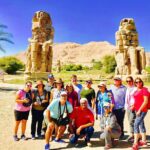
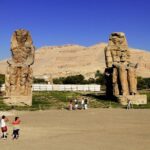
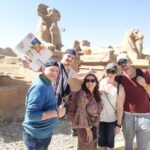
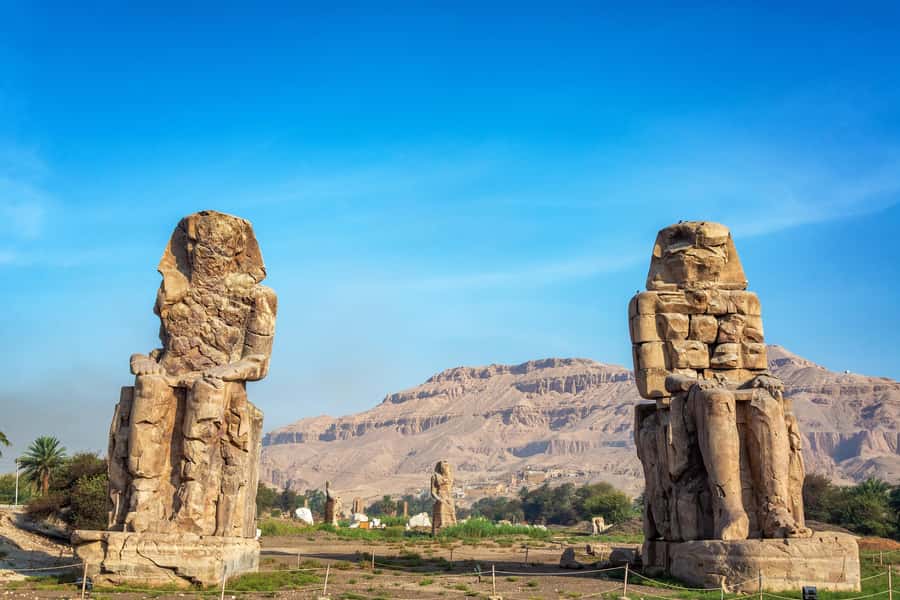
Before Hatshepsut and the tombs, the tour includes a stop at the Colossi of Memnon. You’ll have around 30 minutes here, guided and then time to look around.
These are two massive stone statues—essentially the surviving giants connected with the Temple of Amenhotep III. The “quick” timing is important: these statues are visually powerful, but the tour is trying to keep you on track for the next west-bank sites.
I like this stop because it gives you a mood shift. Karnak feels like an architectural universe. Colossi feels like an archaeological postcard that still has scale and emotion. It also helps you mentally prepare for the Valley of the Kings, where you’re moving from temples to royal burial symbolism.


Hatshepsut’s Mortuary Temple: architecture you can read with your eyes
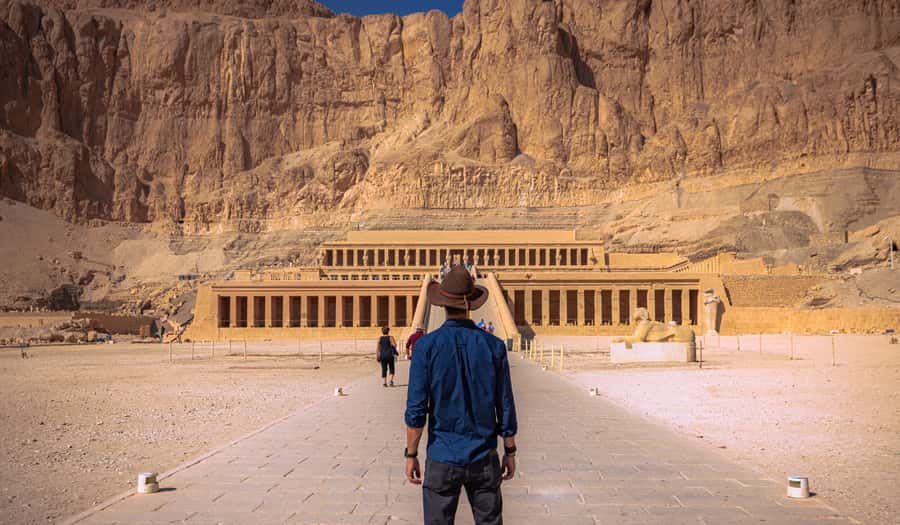
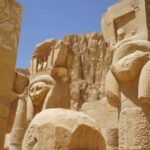
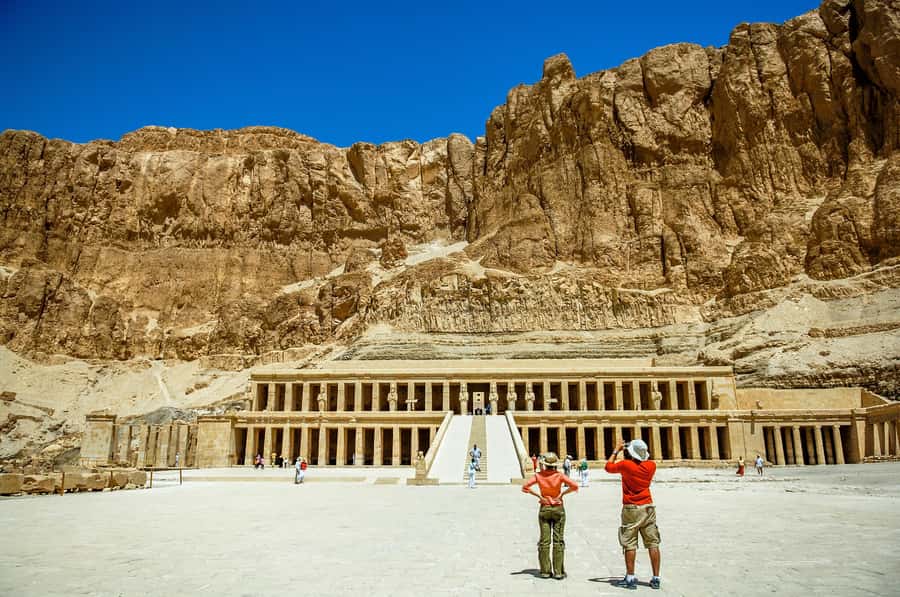
Next comes the Mortuary Temple of Hatshepsut, located on the west bank of the Nile. You’ll have about one hour for a guided visit and sightseeing.
This stop is one of the strongest parts of the day because the temple’s architecture is distinctive. It’s built to honor Egypt’s first and only female pharaoh, and the terraced design makes it feel like the landscape itself was shaped for worship.
This is also where you’ll likely do your best photos. Even if you’re not a professional photographer, you’ll notice the temple’s dramatic geometry—angles, levels, and strong lines that make for great shots. When the guide explains the story, those pictures start to mean more than just a nice view.
One practical note: the west bank can be sunny. Keep your hat on and take short pauses where you can. One hour goes fast when you’re walking and shooting.
Valley of the Kings: Ramses Tomb time (and why the tomb number matters)
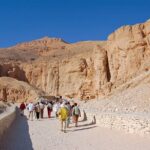
This is the big one. You’ll spend about two hours at the Valley of the Kings, guided, as part of the City of the Dead concept—royal tomb country where rulers were meant to have their afterlife secured.
The tour includes visiting a Ramses tomb, but here’s the detail that affects your exact experience: the specific tomb can be KV11 (Tomb III), KV2 (Tomb IV), KV1 (Tomb VII), or KV6 (Tomb IX). Which one you get depends on the tour’s arrangement and tomb access.
Why should you care? Because tombs aren’t interchangeable. Some have different layouts and decoration choices, and your time inside can feel different depending on which tomb you enter. The good news is that all of them are part of the broader Ramses burial tradition, so the overall payoff stays strong.
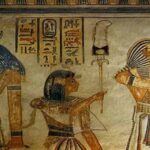
If you want your visit to feel meaningful, don’t just rush inside. Take a moment to look at how the tomb corridors and walls are arranged, and let the guide’s context guide what you’re noticing. This is exactly the kind of stop where a good explanation turns “dark hallways” into a story you remember.
Timing and pace: what feels smooth vs. what can feel rushed
On paper, the itinerary looks straightforward. In reality, the day’s rhythm comes from three forces: long driving windows, travel between sites, and the fact that each site has a set time box.
What tends to work well is the logic of the sequence: Karnak first, Luxor Temple as a quick orientation, lunch, then Colossi and west-bank sites leading into the Valley of the Kings. That structure keeps you from bouncing randomly across Luxor.
What may feel less fun is the feeling of moving fast to cover everything. If you prefer slow museum-style wandering, this tour might feel like sightseeing with a stopwatch. Also, any stops that involve a shopping component can add stress to your sense of time and budget. If you’re not interested in buying, keep it simple: look, thank politely, move on.
Price and value: is $110 actually a good deal?
At about $110 per person, the value depends on what you’d otherwise pay to replicate the day.
This price includes:
- Hotel pickup and drop-off in Hurghada
- Roundtrip transfers in an air-conditioned vehicle
- A professional Egyptologist guide (English, German, French)
- Entrance tickets to Karnak, Hatshepsut, Colossi of Memnon, and the Valley of the Kings (including the Ramses tomb)
- Lunch at an authentic restaurant
- Water, cold drinks, and snacks on the way
- A Luxor Temple outside photo stop
- Skip-the-ticket-line entry
When you add those items separately—guide time, transport, and paid sites—the bundled cost can make a lot of sense for a one-day schedule. You’re buying time-saving convenience plus interpretation at the major stops. You’re also getting a small group limit (12), which helps the guide experience.
Main caution on value: your total spending may rise if you choose drinks beyond what’s included or if you engage with shopping opportunities during the day. If you bring your own bottle (or stick to the provided water) and you treat any market stops as optional window-shopping, you’ll keep the trip close to the advertised budget.
How pickup works (and how to avoid missing your van)
Pickup is included from hotels in Hurghada. For other areas like Al Gona, Sahl Hashish, Soma Bay, Makadi, and Safaga, it may be available as an add-on.
There’s also a detail that’s easy to miss: for Hurghada pickup, you should wait at the main gate along the highway, not at the hotel reception. That matters because buses and minivans can move quickly, and the driver needs the right meeting point.
Also, make sure you share the needed booking details (nationality, hotel name, address, room number) so pickup is smooth.
What to bring so the day doesn’t annoy you
This is the kind of tour where you feel prepared or you feel it later.
Bring:
- Passport or ID card
- Comfortable shoes
- Sunglasses
- Sun hat
Leave:
- Large bags or luggage (not allowed)
And if you’re sensitive to sun and heat, plan for it. This is desert-country sightseeing, and even a good air-conditioned van can’t fix the outside walking parts.
Should you book this Luxor day trip from Hurghada?
Yes, if you want a single-day sweep of Karnak Temple, Hatshepsut, the Valley of the Kings, and the Colossi of Memnon without organizing transport and ticket logistics yourself. The guide-led format makes the stops feel like a coherent story rather than a list of monuments.
Skip it or consider a slower alternative if you hate tight schedules, expect a relaxed lunch experience, or dislike shopping stops that can eat time and energy. This is a long day, so pace matters.
If you do book, go in with a simple game plan: wear comfy shoes, stick to included water, be selective with photos (pick the best angles), and let the guide’s explanations help you remember what you’re seeing.
FAQ
How long is the Luxor day trip from Hurghada?
The duration is about 16 to 17 hours.
Where does the tour start and end?
It starts with hotel pickup in Hurghada and returns to your Hurghada hotel.
Which major sites are included in the tour?
You’ll visit Karnak Temple, Hatshepsut Mortuary Temple, the Valley of the Kings (including a Ramses tomb), and the Colossi of Memnon. Luxor Temple is included as an outside photo stop.
Is lunch included?
Yes. Lunch is included at an authentic restaurant in Luxor.
Are entrance tickets included?
Yes. Entrance tickets for the attractions are included, and you skip the ticket line.
What languages are available for the guide?
The live guide is available in French, German, and English.
How big is the group?
The group is limited to 12 participants.
Which Ramses tomb will I visit in the Valley of the Kings?
The tour can visit one of these tombs: KV11 (Tomb III), KV2 (Tomb IV), KV1 (Tomb VII), or KV6 (Tomb IX).
What should I bring for the tour?
Bring a passport or ID card, comfortable shoes, sunglasses, and a sun hat.
Is the tour wheelchair accessible?
No, it is not suitable for wheelchair users.