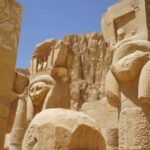
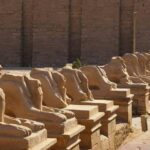
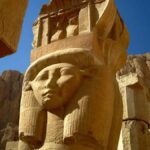
West Bank Luxor hits different. This private full-day route from Luxor threads together big names like the Valley of the Kings, Hatshepsut’s temple, and the Temple of Habu, all in about 6 hours. I like the calm, efficient pacing you get with hotel pickup and an A/C vehicle, and I like how the sights are close enough to feel like one connected story. The one thing to watch: entrance fees are not included for most sites, so plan a little extra cash.
At about $30 per person, this is the kind of price that makes you double-check if it’s too good to be true. In practice, you’re paying for the convenience: all service charges and transfers are covered, and pickup/drop-off is included. One consideration: it’s a lot of walking and sun time on the West Bank, so sturdy shoes and water matter.
In This Review
- Key highlights worth knowing
- Luxor West Bank: why this route makes sense
- Hotel pickup and A/C transfers: the comfort math
- Valley of the Kings: the 2-hour tomb experience
- Temple of Hatshepsut at Deir el Bahari: seeing a queen’s power
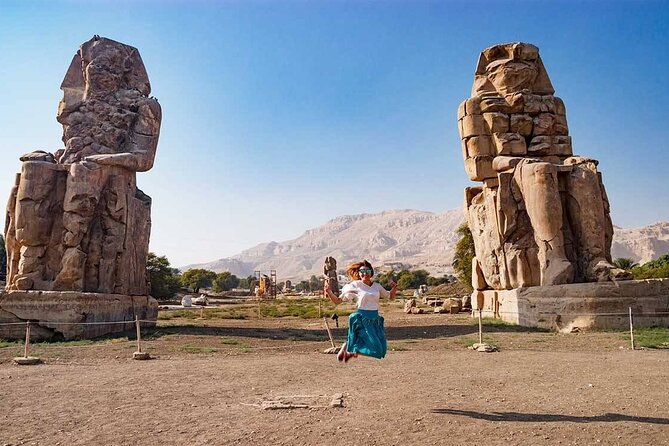
- Colossi of Memnon: a 30-minute icon that’s free to enter
- Medinat Habu (Temple of Ramesses III): Amun, reliefs, and color you can spot
- Price and what it really covers at $30
- Pacing advice: how to enjoy a long West Bank day
- Who this tour suits best
- Should you book Hidden Thebes – Vip West Bank Luxor?
- FAQ
- How long is the Hidden Thebes – Vip West Bank Luxor tour?
- Do I get pickup and drop-off from my hotel in Luxor?
- Is this tour private or shared with other groups?
- What’s included in the price, and what’s not included?
- Are entrance fees included for the Valley of the Kings, Hatshepsut Temple, and Medinat Habu?
- Is admission free for the Colossi of Memnon?
- Is tipping included?
- Will I receive a mobile ticket?
- What’s the cancellation deadline for a full refund?
Key highlights worth knowing
- A/C private transfers with hotel pickup so you spend less time figuring out logistics
- West Bank icons in one day from royal tombs to Ramesses III’s temple complex
- Habu Temple’s reliefs and painted details (well-preserved surfaces you can actually see)
- Two long temple stops at roughly 2 hours each, not a rushed drive-by
- Colossi of Memnon free admission and a short, satisfying photo break
- Mobile ticket for easier entry planning
Luxor West Bank: why this route makes sense
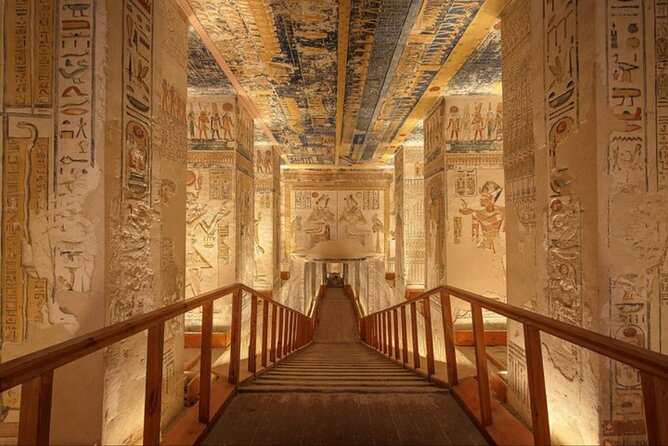
The West Bank is where Luxor shows its quieter, darker side—tombs, mortuary temples, and the stone-built ideas of eternity. This tour’s value is in the structure: it connects the “final resting” theme (Valley of the Kings) to the “worship and memory” theme (temples like Hatshepsut and Habu).
What I like about this specific mix is that you’re not just hopping between famous locations. You’re moving through different kinds of ancient spaces—royal tombs cut into the desert, a grand stepped temple built for a female pharaoh, and then Medinat Habu, associated with Ramesses III and dedicated to Amun. That variety keeps the day from feeling repetitive.
Another practical win: most travelers can participate, and the schedule is built around site time rather than long detours. You’ll still want to take the West Bank conditions seriously, but at least the route itself is efficient.
A few more Luxor tours and experiences worth a look


Hotel pickup and A/C transfers: the comfort math
Let’s talk about what you’re really buying here. The price includes all transfers by an A/C vehicle plus pick-up and drop-off at your hotel in Luxor. That matters because Luxor’s West Bank runs on time and heat—being stuck waiting, walking long distances to meet transport, or burning energy on navigation can ruin a good day.
This is also described as a private tour/activity, meaning only your group participates. If you’re traveling with friends or family, that usually equals fewer compromises: you can move at a similar pace, stay together at entrances, and ask questions without the usual group pressure.
You’ll also see mention of group discounts. If you’re booking with others anyway, it’s worth asking about those rates when you reserve, especially since the base price is already low compared with many full-day options.
One more small but helpful point: it’s near public transportation. That’s not something you need if pickup is smooth, but it can reduce stress if you’re managing your own plans.
Valley of the Kings: the 2-hour tomb experience
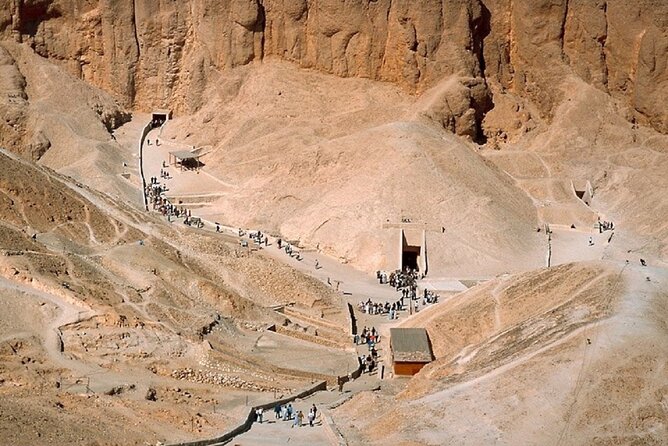
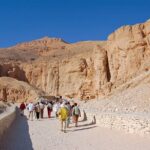
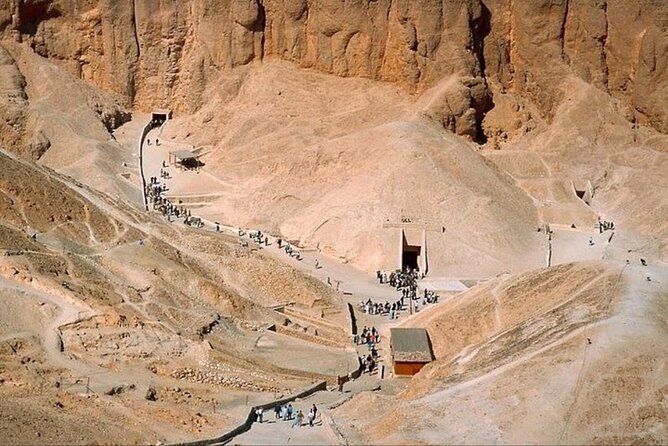
The Valley of the Kings is the headline for a reason: it’s where pharaohs were laid to rest, and it’s packed with the visual language of power—hieroglyphics and wall decoration tied to beliefs about the afterlife. On this schedule, you get about 2 hours, which is a sweet spot for seeing what’s important without feeling like you got dropped in for 10 minutes.
Because admission tickets are not included for this stop, you’ll need to budget for entrance separately. That’s a common setup in Egypt: some tours cover transport and guide time, while you still pay site entry fees. It also gives you a chance to decide how you want to handle tickets on the day.
Here’s how to make that time pay off. Spend your first minutes getting oriented so you’re not racing from one decorated area to another. Then slow down on the surfaces—hieroglyphs can feel overwhelming until you look for repeating themes and symbols. If you like photos, this is a great stop, but don’t let the camera run the show. The point is to read the story in stone.
Potential drawback: 2 hours sounds generous, but tomb areas can feel tight and warm. Plan for discomfort, not perfection.
Temple of Hatshepsut at Deir el Bahari: seeing a queen’s power
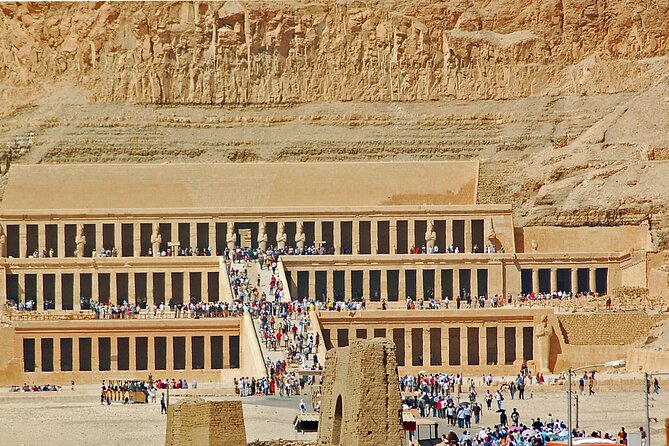
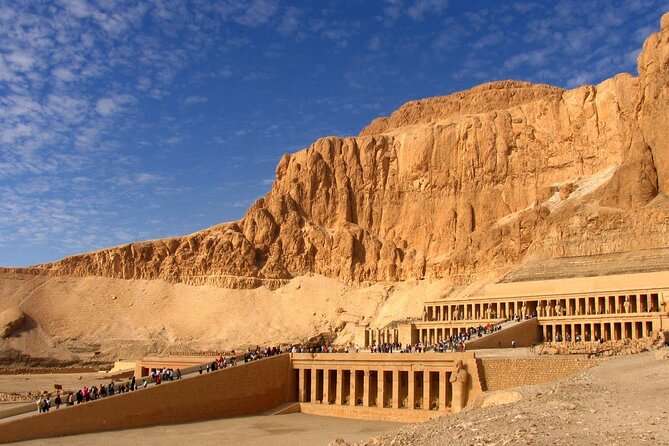
Next comes the Temple of Hatshepsut at Deir el Bahari, also known as Deir el Bahari. This is where the day gains a different kind of drama: Hatshepsut was the only female pharaoh, and the temple is built to reflect that authority. You’ll get about 2 hours here, which is enough time to appreciate the layout and stop at key decorated areas.
As with the Valley of the Kings, admission tickets are not included for this stop. So again, your total cost depends on site fees you pay on the day (or through whatever option you choose when booking).
What you should expect from this part of the route is scale and symmetry—temple architecture that makes you understand why people built on terraces. Even if you don’t read every inscription, you can usually grasp the intention: order, procession space, and statements of legitimacy.
In practical terms, this is also one of the best places to pace yourself. The West Bank can feel like nonstop heat on a schedule, but Deir el Bahari’s open areas and strong sightlines help you reset between photo moments and quieter stops.
One consideration: it’s a long day, so don’t treat this as the stop where you sprint. If you rush it, you’ll miss what makes Hatshepsut’s story feel different from the others.
Colossi of Memnon: a 30-minute icon that’s free to enter
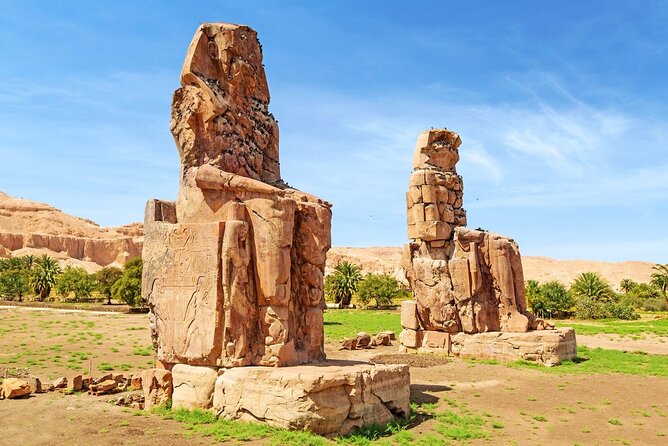
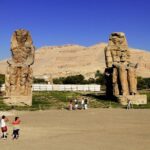
Then the day gives you a breather with the Colossi of Memnon. These are two enormous seated statues of Amenhotep III, carved from single blocks of quartzite sandstone. They once guarded the entrance to his mortuary temple, and they’re still hard to take in because they’re so massive you feel tiny without trying.
This stop is only about 30 minutes and lists admission as free. That’s a nice touch for value: you get a major landmark without an extra ticket line item.
How to enjoy this quickly. Start with a full view shot from far enough back to show the scale. Then walk a bit closer to notice the stonework and the fact that these figures are made for distance and endurance—not close-up museum viewing.
Potential drawback: if you’re the kind of person who loves extended photo time, 30 minutes can feel short. Still, it’s a smart pacing decision inside a 6-hour itinerary.

Medinat Habu (Temple of Ramesses III): Amun, reliefs, and color you can spot
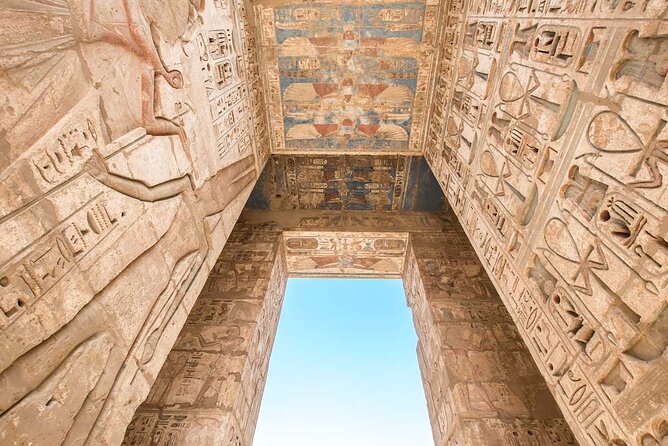
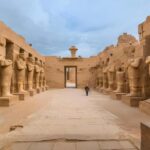
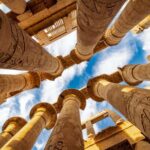
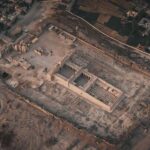
The final big stop is Temple of Medinat Habu, also known as the Mortuary Temple of Ramesses III. It’s dedicated to the god Amun and is known for well-preserved reliefs and painted details. This is the part of the day where the walls start doing most of the talking.
You’ll spend about 1 hour 30 minutes here, and admission tickets are not included. That makes budgeting important, but it also means you’re paying for a proper site entry rather than a quick outside look.
Why I think this stop is a strong closing act: it feels like a “complete” temple complex compared with tomb-focused sites. You can move through decorated halls and courtyards, and you get plenty of chances to watch light shift across carved scenes and hieroglyphs.
If you care about visuals, Medinat Habu is a great place to slow down. Reliefs tend to look flat when you glance at them. When you spend even a few minutes studying a panel, you start seeing the storytelling logic—figures arranged for meaning, not just decoration.
Potential drawback: because it’s your last major stop, you’ll be tired. The trick is to keep expectations realistic. Focus on fewer areas but look longer, so you leave with clear impressions.
Price and what it really covers at $30
At $30 per person, the headline value is the included transportation and pickup/drop-off. Your cost includes all service charges and taxes, plus an A/C vehicle, and a private setup for your group. It’s an efficient way to see four major West Bank highlights without spending your energy on logistics.
What’s not included is equally important. Entrance fees are not included for Valley of the Kings, Temple of Hatshepsut, and Medinat Habu. Colossi of Memnon is free to enter, and that helps offset the day’s ticket costs a bit.
Also, tipping is not included. That’s common in Egypt, and it’s best to carry small bills for day-of use. If you’re budgeting, treat tipping as part of the realistic total.
Finally, the guide is listed as optional. In practice, you’ll want to confirm what’s included when you book. If you care about interpretation—what you’re looking at and why it mattered—make sure you’ll have the kind of support you expect.
Pacing advice: how to enjoy a long West Bank day
This is a 6-hour experience with multiple stops and a lot of site time. The route is efficient, but the West Bank is still the West Bank: sun, dust, and walking.
Here’s what I suggest you do so the day feels fun, not punishing. Wear shoes you can walk in for real temple and tomb terrain. Bring water and something to cover your head. And if you’re taking photos, start early during each stop so you’re not stuck in the harshest lighting later.
Also, keep a simple strategy: use the first part of every stop for orientation, and the second part for slow looking. That way, even if you’re tired, you’ll still “get it.”
If you’re traveling with friends, the private setup is useful. You can sync up at entrances and keep the day moving together without losing people or arguing about timing.
Who this tour suits best
This tour fits well if you want a classic West Bank hit list in one day and you prefer not to manage transport yourself. The hotel pickup and A/C transfer are especially attractive if your schedule is tight or you don’t want to spend time bargaining or figuring routes.
It’s also a good choice if you like clear structure: tombs, a major temple for Hatshepsut, a quick landmark stop at Colossi of Memnon, then Medinat Habu to finish strongly.
Because admission fees and tipping are extra, it’s best for travelers who are comfortable budgeting a bit on the day. If you’re trying to keep your whole trip cost locked down to a single number, you’ll need to estimate the entrance fees at each stop.
Most travelers can participate, but you should expect that your comfort will depend on how you handle walking in heat.
Should you book Hidden Thebes – Vip West Bank Luxor?
I’d book this if you want a straightforward, private West Bank day with hotel pickup and A/C transfers—and you’re okay paying site entrance fees separately. The value is in the included transport and time at major monuments, not in saving a few minutes here and there.
Skip it only if you’re determined to avoid any extra day-of spending, because multiple stops require entrance tickets that are not included. Also consider your energy: with two 2-hour temple/tomb stops plus a final 1.5-hour complex, this is not a “sit back and watch” kind of tour.
If you want a practical way to see Luxor’s West Bank highlights with less friction, this one makes a lot of sense.
FAQ
How long is the Hidden Thebes – Vip West Bank Luxor tour?
It runs for about 6 hours.
Do I get pickup and drop-off from my hotel in Luxor?
Yes. The tour includes pick-up and drop-off at your hotel.
Is this tour private or shared with other groups?
It’s private. Only your group participates.
What’s included in the price, and what’s not included?
Included are service charges and taxes, A/C vehicle transfers, and hotel pick-up/drop-off. Entrance fees, tipping, and the guide are not included.
Are entrance fees included for the Valley of the Kings, Hatshepsut Temple, and Medinat Habu?
No. Admission tickets are not included for those stops.
Is admission free for the Colossi of Memnon?
Yes. Colossi of Memnon is listed as admission ticket free.
Is tipping included?
No. Tipping is not included.
Will I receive a mobile ticket?
Yes. A mobile ticket is provided.
What’s the cancellation deadline for a full refund?
You can cancel up to 24 hours in advance for a full refund. Within 24 hours, there is no refund.