REVIEW · GIZA
Giza Pyramids Sakkara Memphis Full Day Tour
Book on Viator →Operated by Lido Egypt Tours · Bookable on Viator
Ancient Egypt, all in one day. You’ll cover the Giza pyramids and Sphinx, then roll on to Sakkara and Memphis with a guide and car planned for about 8 hours. It’s a simple, high-impact route when you want more than one “wow stop” without dealing with a lot of arranging.
My favorite part is the way the day is structured for flow: pickup, a private group, and time at each site so you can actually see what you came for. I also love the guide-led context, since guides like Lido, Osam, Mustafa, and Abdul are specifically praised for making the monuments easier to understand. One consideration: lunch and tickets are listed as not included, so you’ll want to budget time and money for food and site entry.
In This Review
- Key Highlights You’ll Feel Right Away
- Why This Giza–Sakkara–Memphis Day Tour Works
- Giza Plateau: Pyramids, Sphinx, and Those Sahara Views
- Getting the Most Out of Pyramid Time (Without the Headaches)
- Sakkara: First Pyramids, Tomb Details, and Why This Place Matters
- Memphis: The Ancient Capital Beyond the Headline Monuments
- Price and Logistics: Is $20 Good Value for This Day?
- Who This Tour Suits Best (And Who Might Want Another Option)
- Practical Tips to Keep the Day Smooth
- Should You Book This Giza–Sakkara–Memphis Tour?
- FAQ
- How long is the tour?
- What does the tour include?
- Is pickup included?
- Are tickets included in the price?
- Is this a private tour?
- Is free cancellation available?
Key Highlights You’ll Feel Right Away
- Private group pacing: Your own day with pickup and a car for the whole schedule.
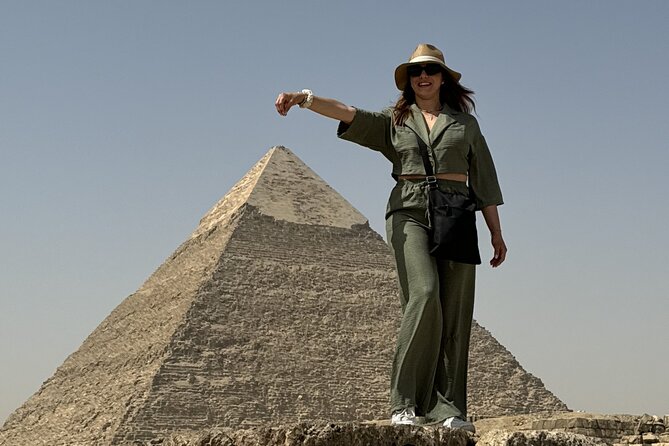
- Photo-friendly planning: Guides are praised for steering you to good viewpoints and away from hassle.
- Sakkara’s deep “firsts”: You’ll start to connect what came later in pyramid history back to this necropolis.
- Memphis adds the missing chapter: It’s not just monuments; it’s the early capital story that ties it together.
- Numbers that stick: The tour focuses on concrete details like the Great Pyramid’s angle (~51°) and the Sphinx dimensions.
Why This Giza–Sakkara–Memphis Day Tour Works
This is the kind of tour that makes sense even if it’s your first time in Cairo. You’re not bouncing around on your own, and you’re not stuck doing only one site. Instead, you get one long day that connects three major layers of Egyptian civilization: Giza (monuments and royal power), Sakkara (tombs and early monumental traditions), and Memphis (the political center).
At around 8 hours, the schedule is long enough for real sightseeing, but it doesn’t try to cram in everything under the sun. That matters, because these places are spread out and the heat can make a “quick stop” feel like a blur.
It’s also priced in a way that can feel friendly on a budget: $20 per person is low for a full-day, private guided day with transportation. Just remember what the price covers, and what you may still need to pay for (tickets and lunch).
A few more Giza tours and experiences worth a look



Giza Plateau: Pyramids, Sphinx, and Those Sahara Views
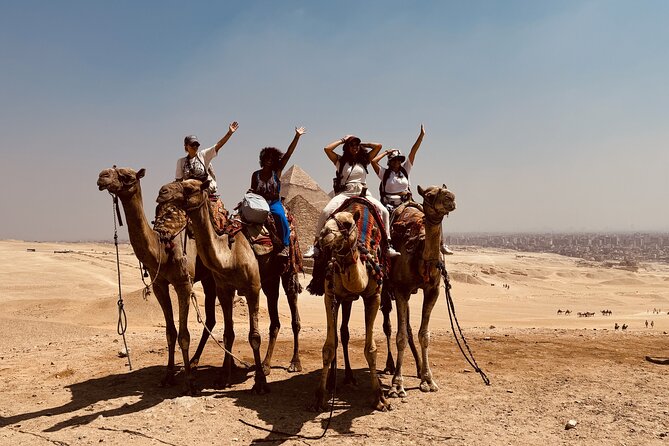
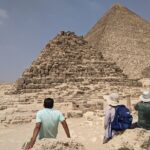
Giza is why most people come to Egypt, and this tour takes you straight to the core. You’ll spend time at the pyramids and the Sphinx, with a panoramic view of the Giza plateau and even the Sahara Desert feeling from the edges of the site.
The Great Pyramid gets explained in a very practical way: it’s described as being built without cranes, using huge stone blocks and older lifting methods, and the angle is given as about 51 degrees. The tour also emphasizes the scale detail that makes it feel real on the ground—around 149 meters in height, plus a note about the dark stone appearance people notice today.
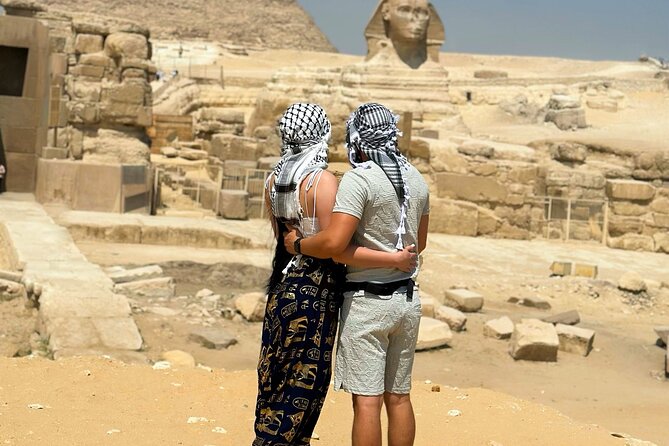
Then there’s the Sphinx, positioned as the guardian of the plateau. The specifics are part of what makes it click: it’s described as a lion-bodied, human-headed statue carved from limestone, with dimensions like about 73.5 meters long (including the front feet length) and around 20 meters high to the top of the head. That’s not just trivia. It helps you look at the Sphinx less like a photo background and more like a monument with a physical presence.
A small practical note: you’ll want to keep your expectations flexible with timing. Sites like these depend on access rules and conditions on the day, so the value is in having a guide manage the flow, not in assuming every minute will be identical to someone else’s day.
Getting the Most Out of Pyramid Time (Without the Headaches)
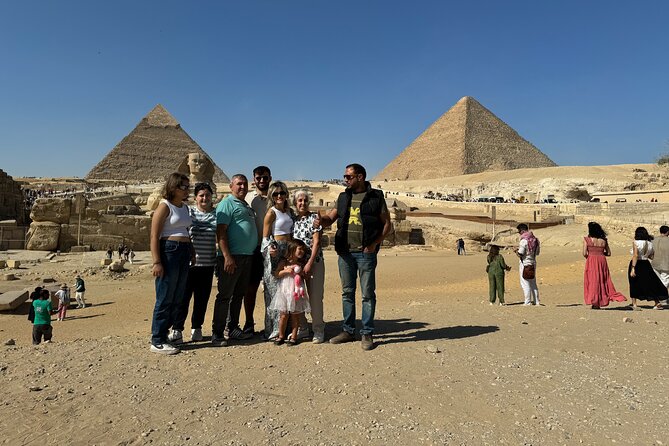
This is where a good guide changes the day. Several groups specifically highlight how guides handled routing for better photos and kept them away from merchants and sellers, which can get complicated fast around the pyramids.
If you care about photography, this approach matters. You’ll get time to take pictures and enjoy the scenery instead of being herded along. It also reduces the stress of constant negotiating or trying to dodge “attention” while you’re trying to read the monuments.
You might also get time for small extras near Giza. One family review mentions a camel ride as a memorable addition. Since the core tour is the sites, treat camel riding as something you may be able to arrange during Giza time rather than a guaranteed included activity.
What I’d do with your mindset: plan to slow down. With pyramids and the Sphinx, your first goal is orientation—where you stand, what the scale feels like, and how the buildings relate to each other. Your second goal is photos and viewpoints. A guide who understands both will save you time and keep your energy from draining before you reach Sakkara.
Sakkara: First Pyramids, Tomb Details, and Why This Place Matters
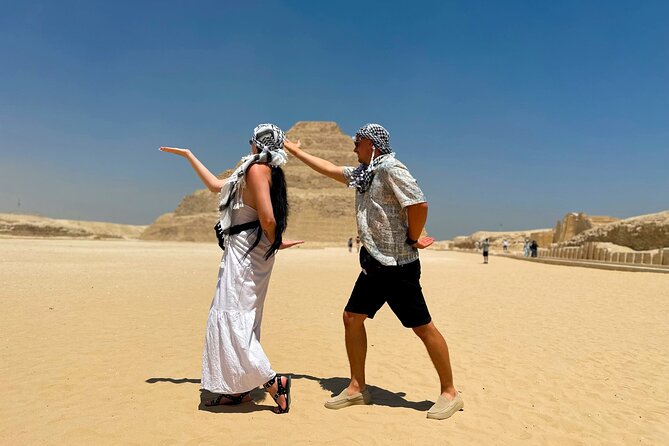
After Giza, the day shifts tone, and that’s a big win. Sakkara is where you start seeing Egypt as a long-running architectural project, not just one famous pyramid.
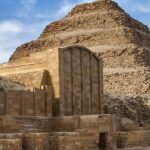
Here, you’ll visit the ancient cemeteries at Sakkara, described as home to the first pyramid in ancient history. That “first” framing is useful because it turns Sakkara from a second stop into the bridge that explains how later monuments evolved.
The tour also gives the name Sakkara a cultural origin: it’s said to come from the falcon-headed god Seker, linked to the local god of the dead. Again, it’s not only myth trivia. It helps you understand why these sites feel spiritual and why burial traditions were so central to how ancient Egyptians built.
Another standout detail: Sakkara is presented as the only place in the world where you can see the oldest free-standing stone structures discovered and still standing on their original site. The tour also notes the excavated area stretches about four miles long and two miles wide along the Sahara Desert. On the ground, that scale is a reality check. This isn’t a quick photo corner; it’s a wide necropolis, and that’s why having time matters.
Some groups also mention entering parts of tomb areas or smaller pyramid structures during the Sakkara portion. Since ticketing and access can vary, think of the experience as a strong chance to see tomb detail and burial architecture up close, not as a promise of interior access everywhere.
Memphis: The Ancient Capital Beyond the Headline Monuments
Memphis sounds less dramatic than pyramids, but that’s exactly why it’s valuable. It’s where you get the “how Egypt functioned” layer.
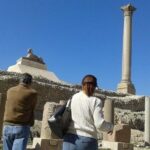
This tour presents Memphis as being built by king MENA around 3200 BC, tied to the moment Egypt was united into one kingdom (upper and lower under one rule). You’ll also hear that Memphis sat on the western bank of the Nile and served as Egypt’s first capital during the reign of King Mena, then remained a royal city through later dynasties.
What makes this stop feel worth your time is the connection it builds. After seeing huge stone monuments, Memphis helps you remember the people, administration, and long-term power behind those monuments. You’re not just looking at stone. You’re seeing the ancient geography of rule.
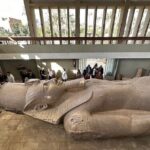
The tour frames Memphis as a place that saw palaces and temples built over time, which helps explain why it’s still a meaningful stop even when it doesn’t look like the pyramids from a distance.

Price and Logistics: Is $20 Good Value for This Day?
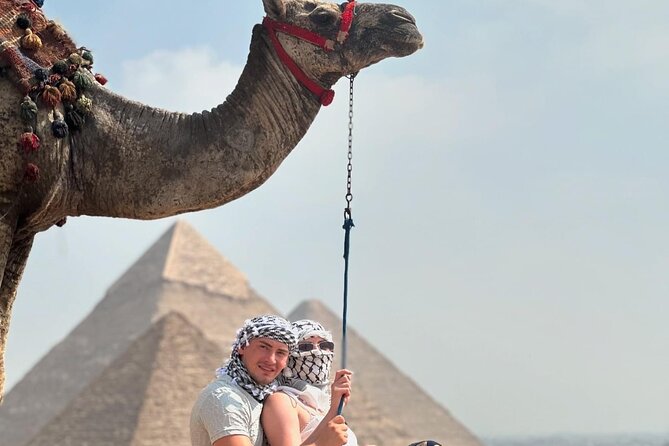
At $20 per person for a full day with pickup, transportation, and a guide, this tour can be strong value—especially compared to the cost of piecing everything together yourself. Private touring costs more than group tours, so the price is a major selling point.
Still, you need to map price to what’s included. Transportation and bottled water are listed, and a tour guide is included. But lunch and tickets are not included, and ticket pricing is also described as estimated and changing.
So your real “all-in” planning is simple:
- Budget for lunch separately.
- Budget for site entry (even if the tour info contains a line that mentions admission being free, the overall “tickets not included” note is the safer assumption).
A detail from reviews that can matter for comfort: some groups mention an air-conditioned car. Since the day can get hot, that kind of comfort can make the time between stops feel manageable instead of exhausting.
Also, the tour is described as private—only your group participates. That usually means less time waiting around, more flexibility with pace, and fewer headaches than a crowded bus day.
Who This Tour Suits Best (And Who Might Want Another Option)
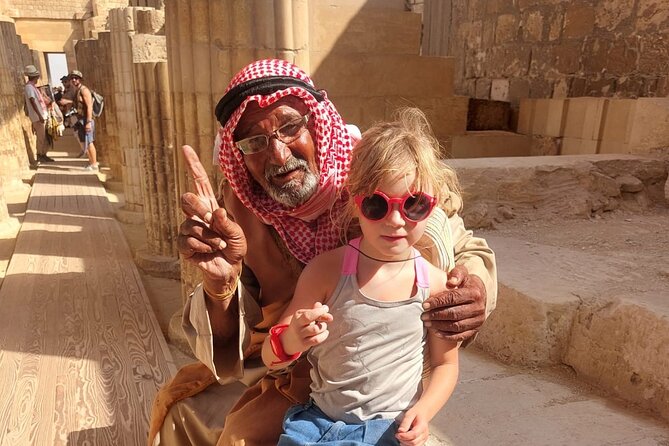
This tour fits you if you want a focused first-time Egypt day. It’s ideal for couples, families, and anyone who wants a structured plan without stressing over how to get from one site to the next.
It’s also a good choice if you value interpretation. The strongest praise in the material points to guides who explain clearly and adapt to the group, including families with kids and people facing language barriers. That’s a practical advantage when you’re standing in front of monuments that can otherwise feel like a blur of shapes.
One more group match: if you like seeing the “big three” of the region—Giza, Sakkara, and Memphis—in one go, this is an efficient way to do it.
You might want to consider a different setup if you’re chasing a super slow day or you hate long drives. It’s about 8 hours, and it moves from stop to stop. That pace won’t bother most people, but it can feel like a lot if you want a lot of downtime.
Practical Tips to Keep the Day Smooth
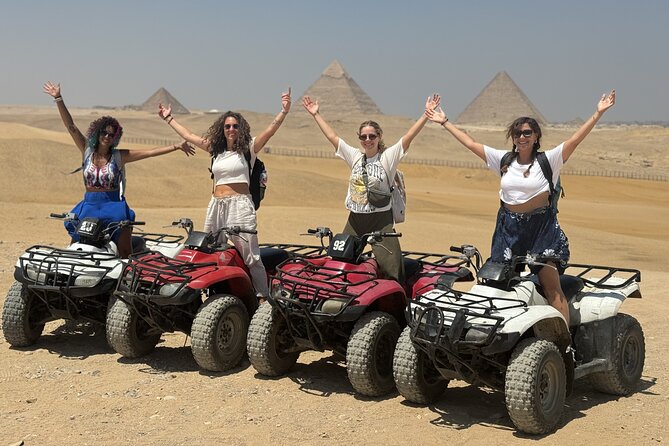
Start the day early in your mind, even if pickup times vary. Cairo-area sightseeing days get easier when you’re mentally ready for heat, sun, and long walking.
Wear comfortable shoes you don’t mind getting dusty. You’ll be on uneven ground around major monuments, and you’ll spend time in open-air areas where shade is limited.
Bring a simple survival kit: water bottles (the tour provides bottled water), sun protection, and wipes or hand sanitizer. You’ll appreciate this most during the time between Giza and Sakkara, when you want to reset before the next stop.
If you’re sensitive to crowds and vendor pressure, this tour is set up to help. Guides are specifically praised for steering people away from merchants and focusing you on the best photography spots. You’ll still see people, but you’re not thrown into it with no guidance.
Finally, plan your expectations for food. Lunch isn’t listed as included. Build in time to eat, or decide in advance what you’re willing to spend so you don’t end up hungry and rushed later.
Should You Book This Giza–Sakkara–Memphis Tour?
I think this is a smart pick if you want a private, guided day that covers the core monuments and the context behind them. The route is efficient, the guide factor is strongly praised, and the pacing sounds designed to help you see the sites rather than just pass by them.
Book it if:
- You like a structured itinerary with transport handled.
- You want Giza plus the “why it matters” stops at Sakkara and Memphis.
- You care about better photo spots and less vendor stress.
Hold off or ask more questions before booking if:
- You want lunch fully included.
- You’re counting on specific interior access and want it guaranteed (ticketing and entry rules can affect what’s possible).
If your goal is a memorable, organized overview of ancient Egypt’s giants and its early capital story, this day does the job.
FAQ
How long is the tour?
The tour is listed as about 8 hours.
What does the tour include?
It includes transportation, bottled water, and a tour guide.
Is pickup included?
Pickup is offered.
Are tickets included in the price?
Tickets are not included, and ticket prices are noted as estimated and can change.
Is this a private tour?
Yes. It’s described as private, and only your group will participate.
Is free cancellation available?
Yes, you can cancel for a full refund up to 24 hours in advance of the experience start time.