Camel or horse, the West Bank feels like yours. This 2-hour outing from Luxor mixes a short motorboat crossing with about an hour of riding through banana plots, date palm groves, and sugar cane fields. You pick your mount, then follow a guide past village lanes and working farm scenes that most people only see from the road.
I especially like how beginner-friendly it feels. You’re not sent out to figure things out alone; the animals are described as friendly and tame, and several guides are specifically praised for making nervous riders feel secure, including Mohamed and Ahmed.
The main consideration is timing and conditions. The experience requires good weather, and it’s set up as a short ride plus transfers—great for a break, but not a full countryside day.
In This Review
- Key highlights I’d plan around
- From Luxor Dock to the West Bank in About 10 Minutes
- Horse vs Camel: Picking the Right Mount for Your Comfort
- The About-One-Hour Route Through Farms and Villages
- Why the Guides Make or Break the Experience
- Timing, Transfers, and the Calm Private-Group Format
- Price and Value: Is $15 Worth It?
- Best Time to Ride and What to Plan for
- Should You Book This West Bank Camel or Horse Ride?
- FAQ
- FAQ
- How long is the camel or horse ride?
- Do I need riding experience?
- Can I choose camel or horse?
- Is pickup included?
- How do you get from Luxor to the West Bank?
- Is this tour private?
- What’s included in the price?
- Do I get a ticket on my phone?
- What if the weather is bad?
- What is the booking timeline?
- Can I cancel for free?
Key highlights I’d plan around
- Horse or camel choice so you can match your comfort level and vibe
- About an hour in the saddle through working fields, not a fenced-in “tour” area
- Picked-up-from-your-hotel convenience on select routes in Luxor
- Guides who slow down for first-timers, with Mohamed and Ahmed noted for patience
- Private-group format so your experience stays calmer and more focused
- $15 price point for a included transfer and ride time that adds up quickly
From Luxor Dock to the West Bank in About 10 Minutes
Your day starts with pickup from select hotels in Luxor. Then you head to the dock and do a quick motorboat ride across—about 10 minutes—over to the West Bank side. That short crossing matters because it changes the whole feel of the activity: you’re not just “around town.” You’re already switching zones before you mount up.
Once you arrive, the setup is simple. You choose your riding companion (the experience is described mainly as horse or camel), and the animal is waiting for you. That’s one of those small logistics details that makes a big difference. You’re not standing around for long, and you can focus on the ride itself.
After the riding time, you return the same way: your driver takes you back to your hotel. Since this runs about 2 hours total, it also slots neatly between other Luxor plans. If you’re pacing your trip and want something outdoors without eating your entire day, this format fits well.
A few more Luxor tours and experiences worth a look
Horse vs Camel: Picking the Right Mount for Your Comfort
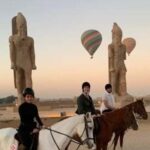
This experience is designed so you don’t need prior riding experience. The animals are described as friendly and tame, which is exactly what you want if you’re nervous or you haven’t ridden since childhood.
Here’s how I’d think about choosing:
- Horse riding is often the choice when you want a smoother, more familiar “on-animal” rhythm. In practice, many people find horses easier to manage when they’re new.
- Camel riding tends to feel more traditional and scenic for the West Bank setting. A camel ride can also feel like a gentle, steady pace once you’re settled.
You’ll still want to take the first minutes seriously. Even calm animals can be new to your body—so sit tall, listen to instructions, and don’t rush your posture. If you’re the type who gets anxious, you’re in good company. One rider who said they were scared of horses credited Mohamed with helping them feel safe enough to stay on for the whole hour.
Also keep in mind that some comfort issues are practical, not just emotional. People often care about whether the animal looks clean and well looked-after, and several accounts praise horses and camels as clean. That’s worth noticing because it speaks to day-to-day care, not just one-off “performance.”
The About-One-Hour Route Through Farms and Villages
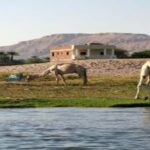
The heart of this outing is the riding itself: roughly an hour on the West Bank, passing through farmland and village surroundings. The scenery is described in clear, usable terms—banana plantations, date palm groves, and sugar cane fields—so you know what you’re signing up for: real agricultural views, not a staged landscape.
What makes the route feel authentic is that you’re moving at animal pace through working areas and the kind of roads you’d usually miss on foot. You’re not speed-walking from viewpoint to viewpoint. You’re traveling slowly enough to notice details, like how the fields are laid out and how villages sit alongside the greenery.
The guide also adds context. You’ll listen to historical and cultural commentary as you pass through the areas and villages. It’s not presented as a lecture that drags on; it’s framed as “while you ride,” which helps keep the tone relaxed and story-driven rather than classroom-heavy.
One more detail that can shape your experience: some people mention different ride “flavors,” like stretches that feel closer to the sea coast. That’s not guaranteed in every moment, but it tells you the route can vary in how it feels—some parts are pure village-and-farm, and others can bring a more open, airy feel.
Why the Guides Make or Break the Experience
For a short tour, the guide’s role is huge. You’re on an animal, so instructions need to be clear and calm. Several named guides show up in accounts: Mohamed, Ahmed, Abdo, and Makarious (and a Lucas is mentioned with a camel ride). Even when people are focused on the scenery, these names keep popping up because the human part is what makes a difference.
If you’re unsure about riding, this is the reassurance to take seriously: guides are described as patient and willing to help nervous riders settle in. Ahmed is directly praised for patience with riders who felt uncertain. Mohamed is specifically credited with helping a scared rider stay on for the whole hour.
That matters because first-time fear can kill momentum. If you’re dealing with butterflies, you need a guide who gives you time, checks in, and keeps the pace steady. A calm guide also helps you get better photos without turning the ride into a sprint.
If you’re already comfortable, you still benefit. Clear directions mean less fuss and fewer awkward moments. And when the guide shares historical and cultural commentary along the way, the ride becomes more than a fun activity—it becomes a way to read the place while you’re moving through it.
Timing, Transfers, and the Calm Private-Group Format
This is built for a short window: about 2 hours total, including the pickup and the transfer over by motorboat. The riding time itself is about 1 hour, so you’re getting real saddle time without a long commitment.
You’ll also see that it’s not a chaotic, mixed-schedule group vibe. The experience is described as private in the sense that only your group participates. That can mean fewer waits, less noise, and more flexibility if you need a slower start.
There’s also a practical detail worth noting: it’s set up with a mobile ticket, and pickup is included from select hotels. Combined, that usually lowers your stress. Instead of hunting for a meeting point and guessing what door you’re supposed to use, you get picked up and brought to the dock.
The tour is commonly booked about 8 days in advance on average. That doesn’t mean you must book that far ahead, but it’s a good sign of steady demand during the season. If you’re traveling around peak times or you’re on a tight schedule, booking ahead tends to be the easier path.


Price and Value: Is $15 Worth It?
At $15 per person, this one is priced like a “smart add-on” activity, not a major expense. The value comes from what’s included in that price: pickup from select hotels, the motorboat transfer, the ride time, and a setup that doesn’t require riding experience.
You’re paying for three things that can be hard to piece together yourself:
- transportation across the river area (the motorboat portion),
- access to a safe riding setup with tame animals,
- and guide time that adds meaning while you ride.
The ride duration also helps. When you’re in Luxor and days can fill up fast, a 2-hour outing that still gives you about an hour on horseback or camel-back is a solid trade. It’s long enough to feel like an experience, but short enough that you don’t have to re-plan your whole day.
Finally, the price sits well with the overall tone of the accounts: people describe it as worth the money and recommend it. That’s not proof of perfection, but it’s a good indicator that the core deliverable—the ride—matches what people wanted.
Best Time to Ride and What to Plan for
The experience is described as requiring good weather, which is important in Egypt where afternoon heat can catch you off guard. One account notes that weather was a little hot, so if you’re temperature-sensitive, you might want to choose a time when you’ll feel comfortable.
Timing also shows up in preferences. One person says afternoon is the best time. That can be useful as a rule of thumb: if you’re picking a slot and you’ve got flexibility, late day can sometimes be a better match for comfort. Still, the tour runs only when conditions are right, so you’ll want to stay flexible.
What to plan for while you’re there:
- You’ll spend real time with the animal before and during the ride, so listen carefully when you’re being helped up and instructed.
- Expect the pace to be steady and unhurried. This is not a long hike. It’s a slow, scenic movement through real places.
- If you’re anxious, ask the guide to take extra care at the start. Several named guides are praised for patience, which suggests that support isn’t just “nice to have.”
This is also a good fit if you want something fun with a local feel that doesn’t require big effort. If your Luxor plan already includes major sites, this kind of calm countryside break can balance your day.
Should You Book This West Bank Camel or Horse Ride?
If you want a simple, value-priced way to see the West Bank without a complicated day plan, I’d book it. It’s especially worth it for first-timers because the animals are described as tame and friendly, and guides like Mohamed and Ahmed are praised for helping nervous riders feel safe.
Skip it only if you need a longer, in-depth excursion. This is a short ride plus transfers, built around about an hour of riding. Also, keep the weather requirement in mind—if conditions aren’t good, the experience may be rescheduled or refunded.
FAQ
FAQ
How long is the camel or horse ride?
The total experience is about 2 hours, with around 1 hour spent riding on the West Bank.
Do I need riding experience?
No. You don’t need prior riding experience, and the animals are described as friendly and tame.
Can I choose camel or horse?
Yes. You choose your riding companion (horse or camel) when you arrive on the West Bank.
Is pickup included?
Pickup is offered from select Luxor hotels.
How do you get from Luxor to the West Bank?
You travel from Luxor by motorboat, which takes about 10 minutes.
Is this tour private?
It’s described as a private tour/activity, meaning only your group participates.
What’s included in the price?
Pickup (where available) and the riding experience are included, and the admission ticket is free. It also includes the motorboat transfer as part of the pickup-to-West-Bank flow.
Do I get a ticket on my phone?
Yes, there is a mobile ticket.
What if the weather is bad?
The experience requires good weather. If it’s canceled due to poor weather, you’ll be offered a different date or a full refund.
What is the booking timeline?
On average, it’s booked about 8 days in advance.
Can I cancel for free?
Free cancellation is available, and you can cancel up to 24 hours in advance for a full refund.