REVIEW · LUXOR
Luxor Day Tour visit East and West Nile Banks
Book on Viator →Operated by Egypt Tours Online · Bookable on Viator
Ancient Egypt, two river banks, one packed day. This guided Luxor tour strings together the Valley of the Kings and the best-known temples on both sides of the Nile, with hassle-free A/C transport and a lunch stop that keeps the day moving. I like the straightforward, you-don’t-have-to-plan-it-yourself flow, and I like how the guide helps you connect what you’re seeing as you hop between monuments. One watch-out: entry fees and lunch can depend on your option, so check what’s actually included before you assume every ticket is covered.
You’ll start early (your guide is set to be waiting around 7:00 am), then spend the day in tombs and temple courtyards while Luxor’s heat builds. If you want the big East and West Bank highlights in one go, this is the kind of day that makes a first visit feel instantly less confusing.
In This Review
- Key things that make this Luxor day tour work
- A packed East and West Bank day (with pickup that keeps you sane)
- Valley of the Kings: tomb selection and the realities of heat
- Hatshepsut Temple and Colossi of Memnon: two hits, one West Bank story
- Karnak Temple: worship at Amon’s mega-scale
- Luxor Temple to wrap the day: New Kingdom meets Ramesses II
- Lunch on the East Bank and staying comfortable in Luxor heat
- Price and tickets: what the $15 value usually depends on
- Should you book this Luxor East and West Bank day tour?
- FAQ
- How long is the Luxor East and West Nile Banks tour?
- What time does the tour start?
- Is hotel pickup and drop-off included?
- Is bottled water included?
- Does the tour include lunch?
- Are entrance fees included?
- Are tickets included for the sites?
- Is this tour private?
- What happens if the weather is bad?
- Is there free cancellation?
Key things that make this Luxor day tour work
- East and West Bank in a single day circuit so you’re not piecing together multiple tickets and guides
- Valley of the Kings tomb time with famous names like Tut-Ankh-Amon and Ramses VI depending on availability
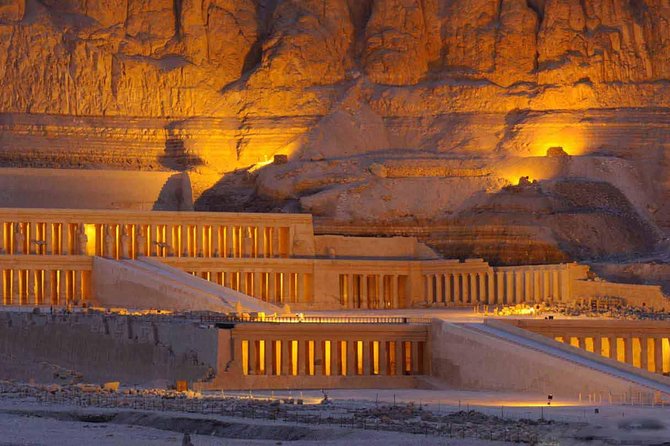
- Hatshepsut’s temple with the story of Egypt’s 18th Dynasty queen who reigned for about 20 years
- Karnak’s worship complex tied to Amon, Mut, and Khonsu, not just one temple hall
- Hotel pickup and drop-off plus bottled water, which saves you time and hassle
- You need to double-check tickets and lunch since what’s included can vary by option
A packed East and West Bank day (with pickup that keeps you sane)
This is built for first-time Luxor visitors who want the highlights without turning the day into a logistics puzzle. You get round-trip pickup and drop-off, and you ride in an A/C vehicle. For a day that can run around 8 hours, that comfort matters more than you’d think once you’re out in the sun.
Your guide meets you at the start time holding a sign with your name, so you’re not wandering around a pickup spot trying to guess which person is your driver. From there, the day is structured as a sequence: West Bank tombs first, then East Bank temples, with lunch on the East side before the biggest temple visits.
The tour is listed as private for your group, so you’re not squeezed into the tightest possible schedule created for a large crowd. Still, you should plan on a busy itinerary. There’s a lot to see, and the pace is the point: you’re trading depth-per-stop for seeing the full Luxor “greatest hits” lineup.
If you’re the type who enjoys asking questions in the car and using that time to understand what you’ll see next, this format clicks. If you want long, slow museum-style wandering at every stop, you might feel rushed.
You can also read our reviews of more tours and experiences in Luxor.

Valley of the Kings: tomb selection and the realities of heat
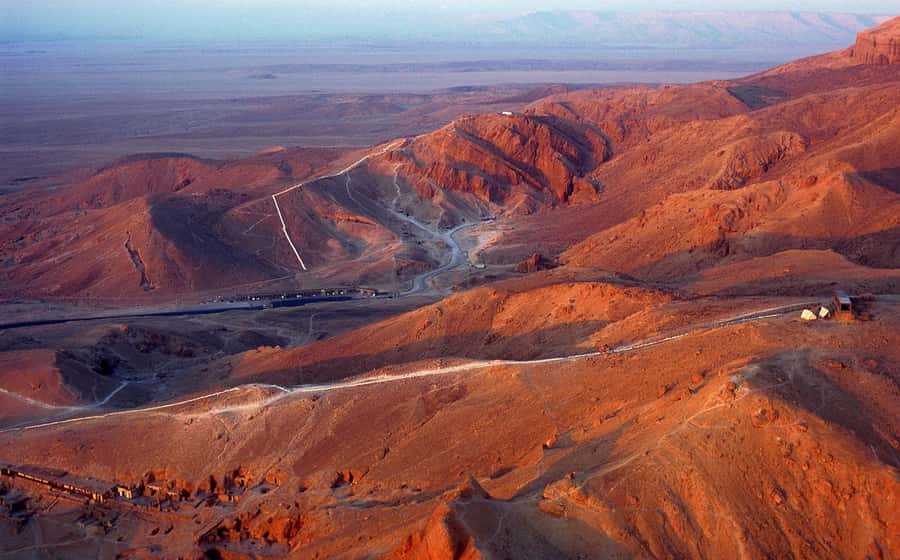
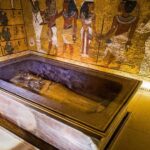
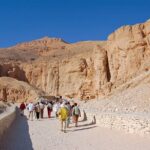
The Valley of the Kings is the West Bank anchor of this tour. You’ll visit for about 2 hours, and admission is indicated as included for this stop (though tickets depend on your option, so double-check your confirmation). The tombs you get can depend on availability, but the well-known targets named in the tour description include Tutmosis I, Tutmosis III, Tut-Ankh-Amon, Ramsess VI, Merenptah, and Amonhotep II.
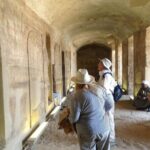
Here’s what you should expect when you’re walking into tomb space: it’s not just “old rocks.” The Valley is basically a whole burial program carved into cliffs, and the architecture tells you how ancient Egyptians thought about life after death. With a guide, the names matter less as trivia and more as a way to understand the changing priorities across reigns.
One practical note: tomb entrances can feel cooler than the street, but the overall outing can still be hot. Plan to wear breathable layers and hat/sunscreen, and consider bringing a little extra water if you’re sensitive to heat. Bottled water is included, but your body is still doing a lot of work in the sun.
Also, don’t be surprised if there are limits on what you can do inside tombs. Some tombs have strict rules, and sometimes guides can’t stay right beside you the whole time. If that happens, focus on what you’re shown and explained outside first, then enjoy exploring your specific tomb calmly once you’re in.
Hatshepsut Temple and Colossi of Memnon: two hits, one West Bank story
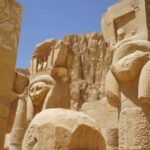
After the Valley, the tour moves you to Temple of Queen Hatshepsut, with around 2 hours on site. This stop is one of the clearest “wow” moments on the West Bank, largely because the story has a human center. The description ties Hatshepsut to Egypt’s 18th Dynasty and points out she ruled for about 20 years (circa 1490–1469 B.C.), and she’s also described as the only pharaonic woman who reigned.
When you’re there, the scale can feel surprising. This isn’t a tiny shrine tucked away; it’s built to project authority. If you pay attention to the layout and reliefs, you can see why it became such a powerful monument. With a guide, you’ll likely get context for who Hatshepsut was and why her temple exists in the first place, which makes the stonework easier to “read” than if you just wander through.
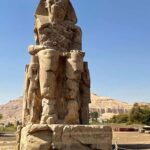
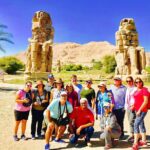
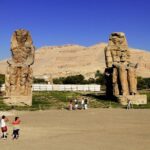
Then you’ll pass by the Colossi of Memnon. These are the massive remaining statues from the mortuary temple of Amenhotep III. You don’t need a long time here, but it’s a great palate-cleanser between carved tombs and sprawling temple complexes. Even as remnants, the colossi give you a sense of ancient construction ambition.
Important realism: colossi are open-air and often in direct sun. If it’s hot, you might want to keep your time efficient here, then save your energy for the shade-heavy temple courtyards on the East Bank.
Karnak Temple: worship at Amon’s mega-scale
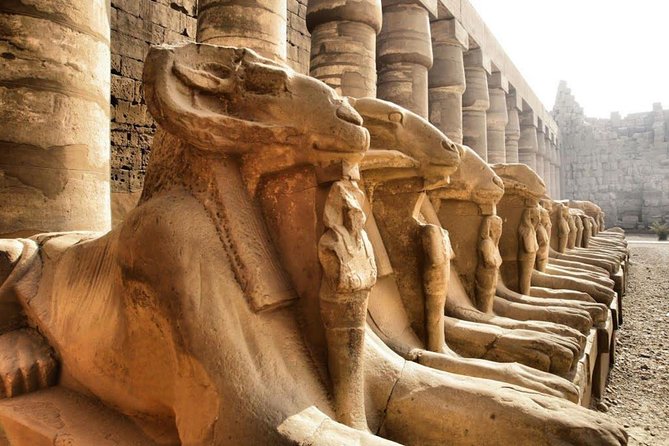
Karnak is where Luxor stops feeling like “a few temples” and starts feeling like an entire belief system laid out in stone. You’ll visit as part of the East Bank leg, with the Karnak stop described for about 1 to 2 hours depending on how your day is paced.
Karnak is dedicated to Amon, along with his wife Mut and their son Khonsu. That matters because the site isn’t a single building you can treat like a postcard. It’s a complex—different areas, different spaces, different eras of worship—so you want your guide to help you understand what you’re looking at and what changes over time.
This is also where the “best value” of a guided tour shows up. Without interpretation, Karnak can feel like “big walls” rather than a place with layers of meaning. With a good guide, you’ll get the logic: what each part was for and how the worship focus connects across the site.
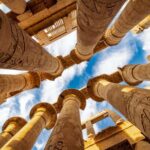
Practical tip: arrive ready to look up. Karnak rewards perspective. The columned halls and pylons are the kind of architecture where your brain keeps trying to scale it to modern buildings—and it rarely lands in the right spot without context.
If you’re trying to manage crowds, Karnak tends to be busy. Your best move is to focus on the main axes and the most iconic spaces first, then fill in with side views if time allows.
Luxor Temple to wrap the day: New Kingdom meets Ramesses II
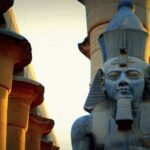
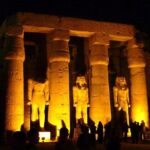
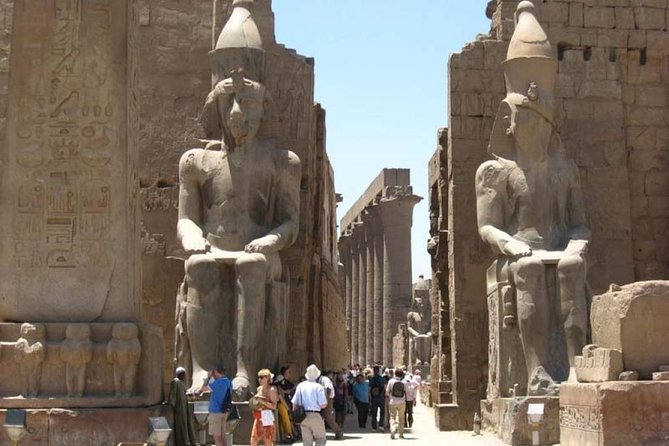
Your final temple stop is Luxor Temple, scheduled for about 1 hour. The description says it was built by Amunhotep III in the 18th Dynasty and completed by Ramses II in the 19th Dynasty. That timeline helps you understand why it feels both cohesive and “layered”—like someone kept adding chapters to a story.
Luxor Temple is more compact than Karnak, and that can be a relief after a long day. It also gives you a natural closing walk: you finish with a clearer sense of transition from the sprawling Karnak complex to a more focused sacred space.
If your guide is working the timing well, you should still feel the moment land emotionally. Even when you’re tired, the scale and layout usually pull you in. Luxor Temple also tends to be a good spot for last questions—especially if you want help connecting what you saw on the West Bank (tombs and funerary themes) with what you saw on the East (worship and living religion).

Lunch on the East Bank and staying comfortable in Luxor heat
Lunch happens on the East Bank after you finish the West Bank portion. The tour description includes lunch at a local restaurant, and it specifically notes that drinks aren’t included. That detail is easy to miss, so plan for tea/water/soft drinks to be extra if you want more than what’s provided.
Bottled water is included, which helps, but it’s still smart to think like a sunny-day athlete. Wear a hat, use sunscreen, and bring something simple for your comfort (like lip balm and wet wipes). If you get annoyed easily by heat, you’re going to want to lean into shade when you can and keep your pace steady.
One small, but very real, lesson from past visitors: keep some small Egyptian pounds or cash for tiny needs that pop up during a long day, like bathrooms. It’s not glamorous, but it prevents stress when you’re mid-tour and don’t want to hunt for change.
If you hate shopping stops, you’ll likely appreciate a guide who keeps the day focused on monuments rather than side errands. Ask your guide early what you want to prioritize.
Price and tickets: what the $15 value usually depends on
At $15 per person, this tour can feel like a bargain for an East/West Bank day with hotel pickup, private A/C vehicle time, and bottled water. The value is in the transportation and the fact that the day’s sequencing is handled for you.
But the fine print matters. The tour notes that entry fees depend on the tour options you choose, and entry fees can cover only a basic area. Meanwhile, the itinerary text also states admission tickets are included for several stops. That mismatch is the main reason you should verify your exact option before you go.
Here’s how I’d sanity-check it before booking:
- Confirm whether admission is included for Valley of the Kings, Hatshepsut, Karnak, and Luxor Temple under your chosen option.
- Confirm whether lunch is included or listed as optional, and remember drinks aren’t included even when lunch is covered.
- Plan on tipping being optional but expected in practice, since guide and personal service aren’t included.
Also note the weather reality: the experience requires good weather, and if it’s canceled due to poor weather, you should get offered a different date or a full refund.
If you’re comfortable double-checking tickets and you like a guided day that hits the big names, this price can be hard to beat. If you want total certainty that every tomb ticket is paid and handed to you without extra steps, you’ll want to confirm that up front.
Should you book this Luxor East and West Bank day tour?
Book it if you’re a first-timer who wants the main Luxor hits in one long day, and you value convenience: pickup, A/C transport, and a guide to translate the monuments into stories. This is also a good fit if you’re traveling with someone who doesn’t want to spend half the day figuring out directions, entrances, and timing.
Pass on it or only book after you verify inclusions if you’re very ticket-specific and hate surprises. The biggest practical risk here isn’t the monuments—it’s what’s covered in your selected option for admissions and lunch. Get clarity before you pay, and you’ll set yourself up for a smooth, memorable day.
If you do book, tell your guide what you care about most (tombs vs. temples, photo stops vs. walking time). A flexible guide can make the same itinerary feel personal instead of rushed.
FAQ
How long is the Luxor East and West Nile Banks tour?
The duration is listed as about 8 hours.
What time does the tour start?
Your guide is set to be waiting around 7:00 am.
Is hotel pickup and drop-off included?
Yes, hotel pickup and drop-off are included.
Is bottled water included?
Yes, bottle water is included.
Does the tour include lunch?
Lunch at a local restaurant is described as included, but the details also say lunch is optional. Drinks with lunch are not included.
Are entrance fees included?
Entrance fees depend on the tour options you choose. Entry fees may include only the basic area.
Are tickets included for the sites?
Admission ticket inclusion is stated for multiple stops, but entry fees can vary by option, so confirm what your option includes.
Is this tour private?
Yes. It is described as a private tour/activity, with only your group participating.
What happens if the weather is bad?
The experience requires good weather. If it’s canceled due to poor weather, you’ll be offered a different date or a full refund.
Is there free cancellation?
Yes. You can cancel up to 24 hours in advance for a full refund.