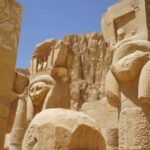
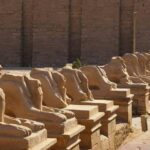
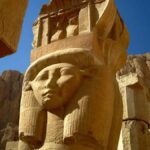
Two temples in one half day.
This Luxor East Bank outing is a fast, guided hit of Karnak and Luxor Temple, linked by the famous Avenue of the Sphinxes concept, with a smart add-on stop for papyrus making. What I like most is the licensed Egyptologist guide style: you get the big monuments plus the story of what you’re actually seeing, without wasting hours.
I also like that the tour keeps you moving with air-conditioned transport, pickup available, and bottled water. The main thing to think about is that entrance fees for the two temples are not included, and the Sphinx Avenue walk is not guaranteed on a half-day schedule.
If you’re tight on time in Luxor but still want the classic East Bank experience, this one is built for you. It runs about five hours, with a small group size capped at 15, so the pace feels controlled instead of chaotic.
In This Review
- Key highlights I’d circle before you go
- East Bank in five hours: how the timing really feels
- Karnak Temple: what you’ll get (and what you may skip)
- Papyrus museum stop: a short break that still teaches
- Luxor Temple: the cleaner, elegant counterpoint to Karnak
- Price and value: is $8 really enough?
- Practical logistics that can make or break the day
- Who should book this half-day East Bank tour
- Should you book it? My decision guide
- FAQ
- How long is the half-day Luxor East Bank trip?
- Is pickup included?
- Are entrance fees to Karnak and Luxor Temples included?
- Is the papyrus museum included, and is there an admission fee?
- Does the tour include the Avenue of the Sphinxes walk?
- What’s the group size limit?
- Can I cancel for a full refund?
Key highlights I’d circle before you go
- Small group up to 15 people for easier guide attention and less crowd pressure
- Pickup and A/C vehicle, plus bottled water to keep the trip comfortable
- Guided Karnak Temple focus, including the hypostyle hall and major obelisks
- Luxor Temple guided walk-through, including key surviving areas like Amenhotep III’s courtyard
- Papyrus museum demonstration, with time to browse and buy authentic-style papyrus products
- Temple entrance fees extra, and the Sphinx Avenue walk may depend on timing
East Bank in five hours: how the timing really feels
This is a half-day tour designed for people who don’t want to spend their Luxor time just traveling. You’re looking at roughly five hours total, and that time is carved up for three main segments: Karnak, a papyrus museum break, then Luxor Temple.
That schedule matters. Karnak is enormous, and Luxor Temple is smaller but still packed with symbolism. When someone squeezes both into one morning or afternoon, you should expect a “highlights with context” approach, not a slow, cover-every-corner marathon. The guide’s job here is to help you prioritize the spaces that make the rest of Karnak and Luxor make sense.
Also note what’s included and what isn’t, because it affects your mental budget. Transportation, the licensed Egyptologist guide, and the papyrus museum visit are included, along with bottled water. But the entrance fees for Karnak and Luxor are separate, so plan on paying those on your side.
The tour uses a mobile ticket and confirmation comes at booking time. That’s useful because you can keep everything in one place and not scramble at the last minute.
A few more Luxor tours and experiences worth a look
Karnak Temple: what you’ll get (and what you may skip)
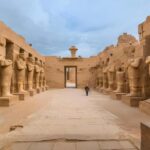
Karnak is the big one, and this tour respects that reality by giving it the longest time block. Expect a guided visit through the Karnak Temple complex with time focused on the hypostyle hall and the major obelisks.
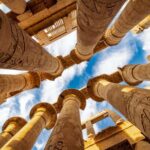
Here’s why that focus is a smart way to do Karnak in limited time. The hypostyle hall is where scale hits you. You’ll be standing in a forest of columns, and once you understand what that space was meant to communicate, the rest of Karnak starts clicking into place. Obelisks are similar: they’re not just tall stones. They’re tied to royal power and religious symbolism, which is exactly the kind of context a licensed Egyptologist guide can explain in plain language.
Do you see everything? Probably not. In a half-day, Karnak becomes about the most recognizable and meaningful zones rather than a full archaeological crawl. That’s not a failure. It’s the trade-off you choose when time is the constraint.
One practical detail: Karnak entrance is not included, so you should have entrance fees budgeted. If you’re traveling during very hot hours, the transport and bottled water help, but you’ll still be outside inside temple areas for stretches. Going in with the mindset of short, guided “stop and learn” segments makes the time feel smoother.
Papyrus museum stop: a short break that still teaches
Between the two temple complexes, you get a papyrus museum visit. It’s only about 30 minutes, which sounds quick until you realize it functions like a palate cleanser after Karnak’s massive stone scale.
What you should look for during this stop:
- A demonstration of traditional papyrus making
- A quick explanation of how papyrus was used in ancient Egypt
- Time to browse and, if you want, purchase authentic-style papyrus products
This stop works because it translates a museum-like idea into something you can see being made. Instead of just reading about ancient materials, you watch the process, then connect it back to what writing and recordkeeping meant in the ancient world.
One thing to keep in mind: the papyrus museum admission is listed as free for this stop. That’s nice because it means the only extra admission you’re likely paying outside of included items is for the two temples.
If you’re someone who likes practical “how they did it” moments, this little detour adds real flavor. If you’re purely temple-focused, treat it as a short break and reset before Luxor Temple.
Luxor Temple: the cleaner, elegant counterpoint to Karnak
After the papyrus museum, you head to Luxor Temple. The guided time here is about 1.5 hours, which is a solid slot for appreciating how Luxor Temple feels different from Karnak.
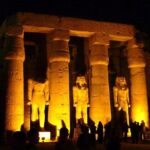
You’ll see the elegant colonnades and key remaining areas tied to royal and religious life, including the courtyard of Amenhotep III and a remaining obelisk. The guide’s role is important here because Luxor Temple can look more “designed” than Karnak. That difference is the point: Luxor Temple was built around ceremonial and royal symbolism, so understanding the purpose changes how you read the shapes and alignments.
The tour also references the connection to the Avenue of the Sphinxes. Here’s the honest part: walking down the Avenue of the Sphinxes is not guaranteed on a half-day itinerary. If this is a must-do for your bucket list, ask your guide what’s possible on your day. Sometimes timing can make it happen; sometimes it can’t.
Also remember the temple entrance fee for Luxor is extra. That’s the only notable cost surprise on the Luxor side.
What you’re left with after Luxor Temple is a sense of how royal power was staged in stone, not just described in temples. Karnak is magnitude. Luxor is meaning in a more human scale.
Price and value: is $8 really enough?
$8 per person is the kind of price that makes you check the details twice. The short answer: it can be very good value, as long as you’re clear on what’s included and what’s extra.
Included:
- Air-conditioned vehicle transport
- Professional, licensed Egyptologist guide
- Papyrus museum visit
- Bottled water
Not included:
- Entrance fees for Karnak and Luxor Temples
So the value isn’t in “everything is free.” The value is in combining transport + a real Egyptology guide + two major temple experiences into one tidy half day, with a papyrus stop that adds variety. If you were to self-arrange transport and pay for guide time separately, you’d likely pay more than the tour price just to get the same structure.
The group size cap of 15 also matters. Small groups don’t automatically guarantee a great tour, but they usually make it easier for the guide to manage questions and keep the schedule from dragging.
One more value note: pickup is offered. That reduces the friction of getting out to the East Bank sites on your own, especially if you’re not sure how to navigate the area quickly.
Bottom line: for the money, you’re mostly buying time savings and guidance. The temple entrance fees are the main add-on you should expect.




Practical logistics that can make or break the day
This tour is built around a smooth day flow, and a few practical details help.
You get:
- Pickup offered
- A mobile ticket
- Confirmation at booking time
- Bottled water
- A maximum group size of 15
- Transportation by air-conditioned vehicle
You’ll also want to know the “missing pieces” so you don’t feel blindsided:
- Karnak and Luxor entrance fees are not included
- The Avenue of the Sphinxes walk is not guaranteed
- The papyrus museum stop is included, and its admission is listed as free
A small tip that saves stress: on the Sphinx Avenue topic, bring it up early. Ask your guide what’s feasible with your timing that day. Because this is a half-day, the schedule flexibility is limited.
If you care about guide style, ask who will lead your session. Egypt Nile Trips operates with licensed Egyptologists, and names like Mohamed Elkorifan and Dr. Mohamed Abdelmoneim show up in customer notes tied to the company’s guiding teams. Your exact guide may be different, but asking is a simple way to get clarity fast.
The tour also notes that it’s near public transportation. That’s a good backup plan in case you’re coordinating with other parts of your trip in Luxor.
Who should book this half-day East Bank tour
This is a good fit if:
- You have limited time in Luxor and want the major East Bank highlights
- You prefer a guided format rather than wandering and guessing what you’re looking at
- You want a small-group experience (max 15)
- You’d like one short non-temple stop that still ties to ancient life (papyrus making)
It may be less ideal if:
- You’re mainly chasing a full, unhurried Karnak walk where you can explore off-the-typical-path corners for hours
- You absolutely require the Avenue of the Sphinxes walk as part of the day (because it’s not guaranteed)
Still, even for people who’ve seen Luxor Temple before, the combination with Karnak and the papyrus museum can make the day feel complete without demanding a full day commitment.
Should you book it? My decision guide
Book this tour if you want a high-impact East Bank day that stays structured, with a real Egyptologist guide and transportation handled for you. For the price point, the biggest win is not just the sites. It’s the way the stops are sequenced so you get context quickly and keep your day from turning into logistics.
Hold off or ask more questions if you’re temple-quantity obsessed. You’ll be choosing highlights over total coverage, and entrance fees plus any possible Avenue of the Sphinxes limitation should factor into your plan.
If you’re flexible, you’ll probably leave feeling like you made the most of Luxor’s East Bank in the time you had.
FAQ
How long is the half-day Luxor East Bank trip?
It runs for about 5 hours (approx.).
Is pickup included?
Pickup is offered.
Are entrance fees to Karnak and Luxor Temples included?
No. Entrance fees for Karnak and Luxor Temples are not included.
Is the papyrus museum included, and is there an admission fee?
The visit to the papyrus museum is included, and admission for this stop is listed as free.
Does the tour include the Avenue of the Sphinxes walk?
A walk down the Avenue of the Sphinxes is not guaranteed on a half-day trip. It’s something you can discuss with your guide.
What’s the group size limit?
The tour has a maximum of 15 travelers.
Can I cancel for a full refund?
Yes. Free cancellation is available up to 24 hours in advance for a full refund.