REVIEW · LUXOR
From Luxor: Dendera Temple All-Inclusive Tour & Felucca Ride
Book on GetYourGuide →Operated by Nice Tours · Bookable on GetYourGuide
Dendera feels like stepping into the ancient world. You get Dendera Temple with its famous zodiac and painted ceilings, plus a private air-conditioned round-trip from Luxor. One watch-out: the felucca portion can feel short, and lunch quality can vary by stop.
This is a clean, structured day: a morning pickup, a guided walk through the Temple of Hathor, a meal back in Luxor, then time on a felucca to slow the pace. Expect a private car and an English-speaking guide to connect the carvings to the stories behind them, with time set aside so you can take photos and look at details up close.
In This Review
- Key Highlights You’ll Actually Care About
- The Ride to Dendera Starts Your Day Right
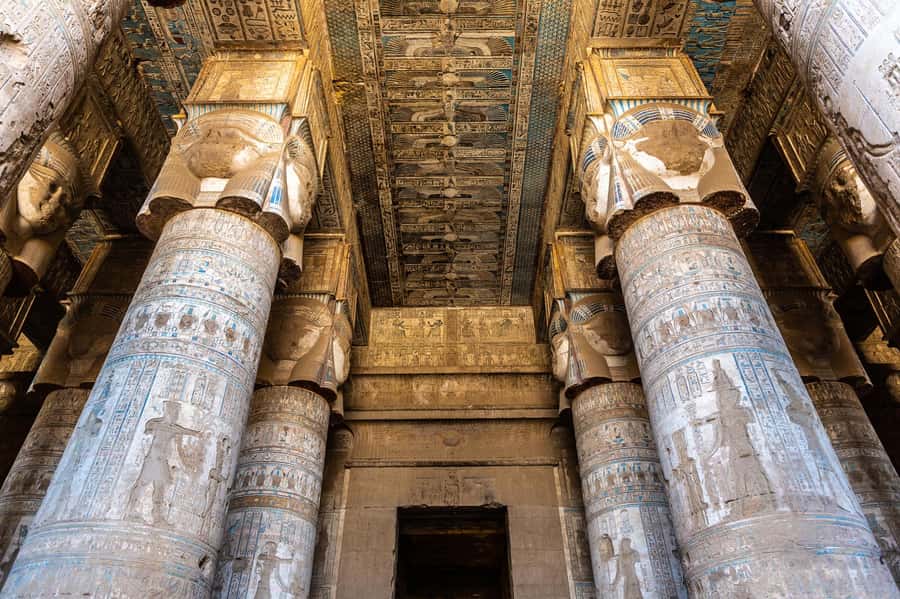
- Entering the Temple of Hathor: Colors, Zodiac, and Painted Skies
- What the Egyptologist Guide Does (Beyond Reading a Script)
- Lunch Back in Luxor: Where the Nile View Matters
- The Felucca Ride on the Nile: Short, Scenic, and Best at Late Light
- Price and Value: Does $60 Add Up for This 5-Hour Day?
- Tips to Make Your Dendera Day Feel Easy (Not Rushed)
- Who This Tour Fits Best
- Should You Book the Luxor to Dendera Tour with Felucca?
- FAQ
- How long is the Luxor to Dendera tour?
- How far is Dendera from Luxor, and how long does the drive take?
- What’s included in the price?
- Is the meal always lunch?
- Where does hotel pickup and drop-off happen?
- What languages are available for the guide?
- Can I cancel if my plans change?
Key Highlights You’ll Actually Care About
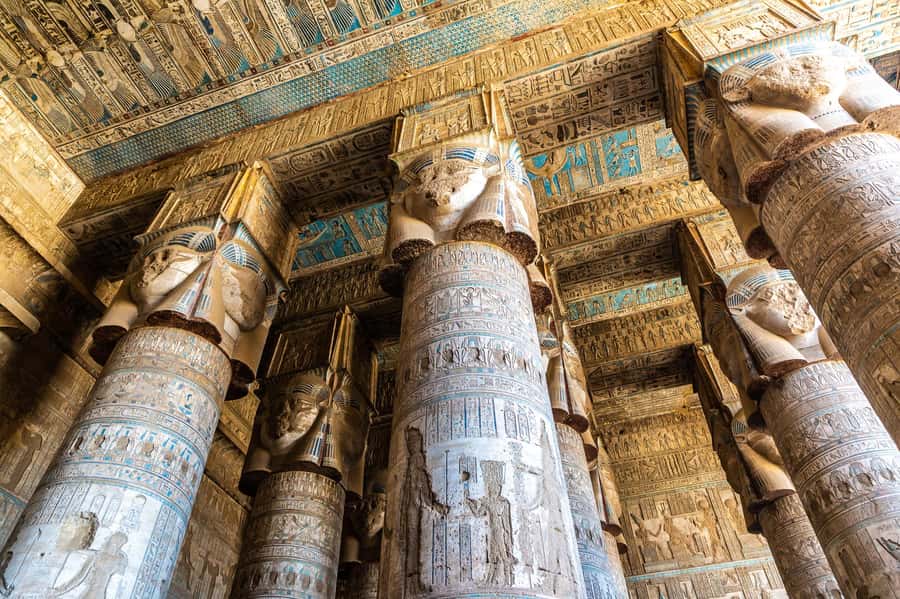
- Temple of Hathor (Dendera): one of Egypt’s best-preserved temple complexes, loaded with carved symbolism
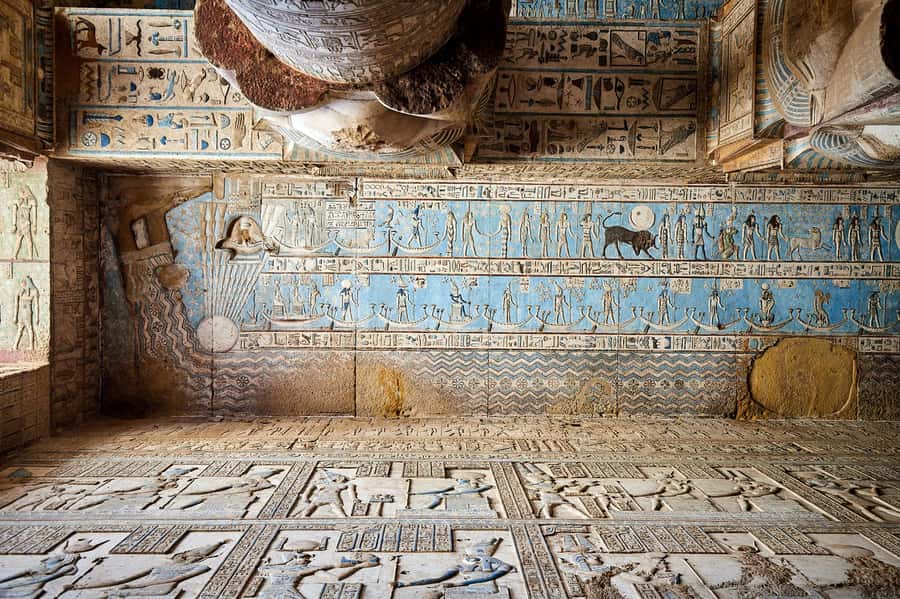
- The zodiac relief and astronomical ceiling: the ceiling paintings plus star-themed carvings are the stars of the show
- Private, hotel-to-temple transfers: you’re not wrestling buses or sharing cars with strangers
- Lunch (or breakfast) in Luxor: a traditional meal stops the day from turning into a snack-only marathon
- Felucca ride on the Nile: timed best for late light when possible, but usually brief
- Optional add-ons exist: some people include extra access like the roof/catacombs if they want more space and angles
The Ride to Dendera Starts Your Day Right
The tour is built around comfort and momentum. You leave Luxor in a morning hotel pickup, then head north through Egypt’s Nile Valley to Dendera. The drive is about 1 hour 15 minutes each way, and it’s in a private air-conditioned vehicle, which matters more than it sounds when you’re visiting in warmer months.
That transfer time is part of the value. Dendera is far enough away that it feels like a real change of scenery, but close enough that you don’t lose the whole day. When a day trip is done well, the best thing it does is protect your energy so you can enjoy the temple instead of just surviving the road.
You’ll also notice how the day is paced: guided time inside the complex, then your meal, then the felucca. That structure helps you get the most from a 5-hour window without feeling like you’re rushing from one counter to another.
One small planning detail: the meal is listed as lunch, but it can become breakfast depending on timing. Either way, you’re covered with a traditional Egyptian meal back in Luxor, so you’re not scrambling for food between sites.
You can also read our reviews of more tours and experiences in Luxor.

Entering the Temple of Hathor: Colors, Zodiac, and Painted Skies
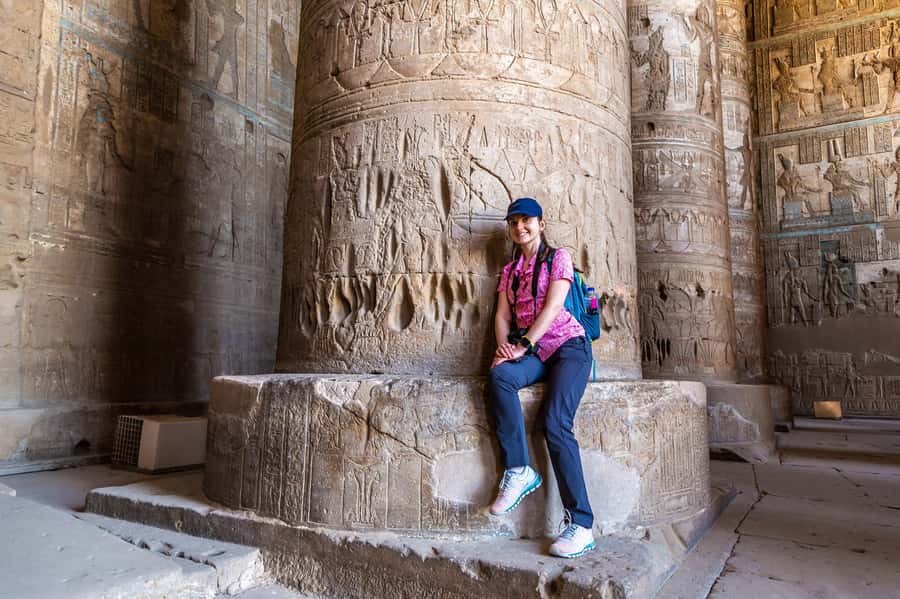
Dendera’s main draw is simple: the temple is extremely well preserved, and it shows. You’re walking through massive stone halls and courtyards tied to the goddess Hathor—love, joy, music, and the kind of divine femininity ancient Egyptians honored in real, symbolic ways.
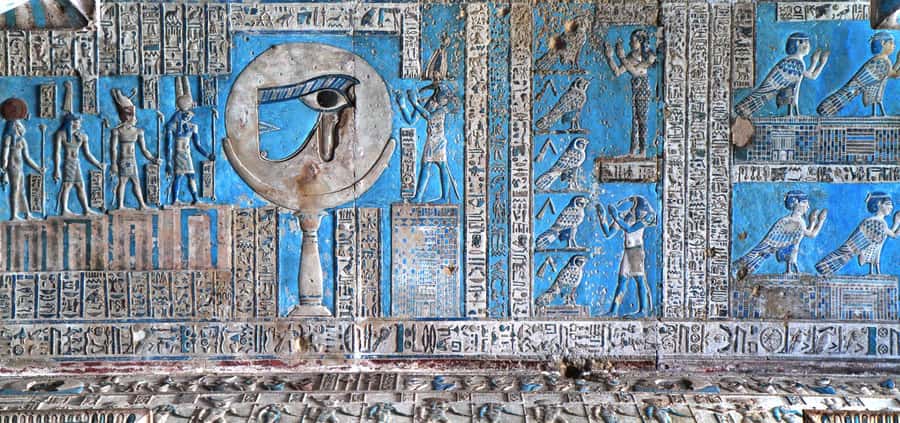
Inside, the carvings do a lot of work for you. With a guide, the walls stop being just decoration and start functioning like a book. You’ll learn what the symbols mean and how the layout connects to ancient ritual and mythology.
Two features usually turn the temperature up in your head (and your camera app):
- The astronomical ceiling, painted with star-and-sky thinking that feels built for people who watched the heavens.
- The zodiac relief, a standout for anyone who likes mythology with a calendar.
These aren’t vague “cool carvings.” The guide experience helps you spot what you might miss if you’re only reading as a casual visitor.
It’s also worth knowing the style of the site. Dendera is often described as Ptolemaic-era—meaning it blends Greek and Egyptian traditions. That mix shows up in the way the temple communicates: the language of Egypt is still there, but the artistic framing reflects later rule. Your guide should help you connect that “why does it look like this?” question to history.
Also, don’t ignore the corridors and side spaces. Some people add extra tickets to expand the visit—like roof access or the catacombs—because the main rooms are only part of the story. If you want more angles and more quiet, it’s often those optional areas that turn a good visit into a great one.
What the Egyptologist Guide Does (Beyond Reading a Script)
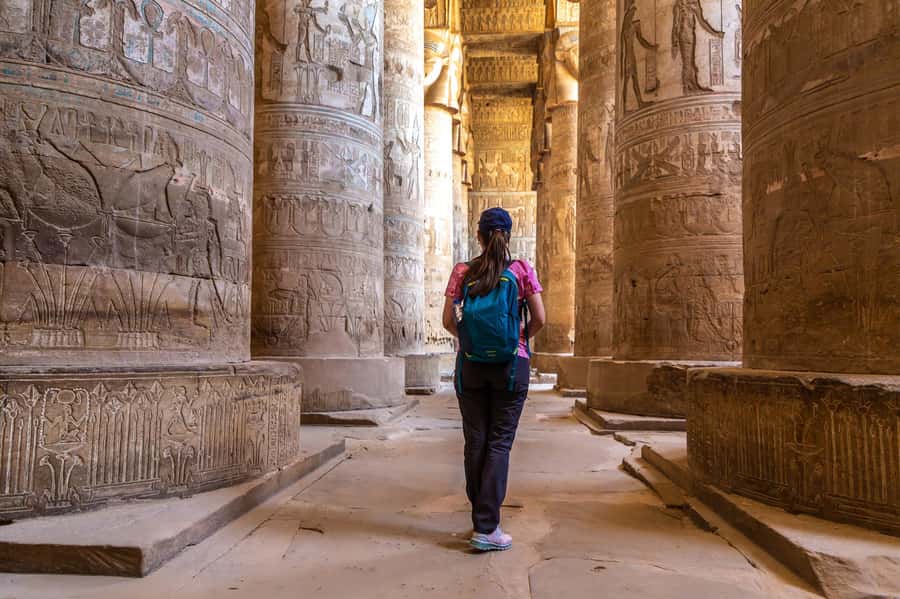
A huge part of the value here is the Egyptologist guide. Your guide is there to bring the temple to life—explaining symbolic carvings, ancient rituals, and myths tied directly to Hathor.
In real-world terms, that means you’ll get more than a facts-only walkthrough. When the guide is strong, you’ll leave knowing what you saw and why it mattered, especially around:
- why Hathor is central to the temple complex
- what the zodiac and sky imagery were meant to communicate
- how hieroglyphs and iconography work together, instead of feeling random
And yes, guide quality can vary. One day can come with an English-speaking guide who answers every question clearly, while another can come with someone who tries their best but speaks less fluently. Still, even when language is imperfect, it often helps to have someone guiding the route and translating key ideas.
You may also hear your guide’s own style. Some guides go out of their way for photos and photo angles. Names you might see connected to great days include Hyaam, Abla, Mohammad, Mina, Majed Hassan, Osama Allam, and Nelly. If you’re booking last-minute, it’s smart to look at how people describe the guide experience for the specific day and language, since that’s where your satisfaction tends to rise or fall.
One more plus: many visitors appreciate having time to explore on your own after the guided portion. That balance is important at Dendera because the best moments often happen when you pause and look for yourself—especially at the painted details and layered reliefs.
Lunch Back in Luxor: Where the Nile View Matters
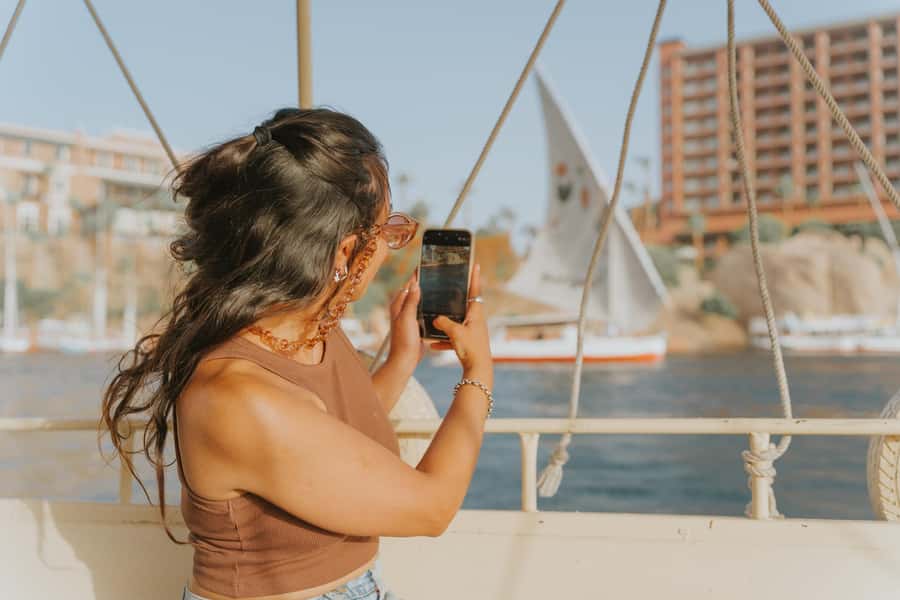
After the temple visit, you’re back in Luxor for a traditional Egyptian meal. Depending on your timing, it’s lunch or breakfast. The food itself is included, but drinks usually aren’t—so if you want juice, tea, or soft drinks, it’s smart to plan for extra cash.
What really makes this break feel worth it is the setting. Several experiences describe lunch at a venue with a Nile view, including rooftop-style views. That matters because Dendera can feel intense and detailed—then lunch gives you a reset. You’re not just eating. You’re changing pace.
Now for the honest part: lunch reviews aren’t uniformly perfect. A few people describe the meal as average or rushed, and one noted inflated drink prices for tourists. So if you’re the kind of person who cares a lot about food quality, treat the included meal as part of the tour package rather than the main event.
Practical tip: if you’re picky about spice level or portion style, consider carrying a small tolerance buffer, or plan to add a second bite elsewhere later. But if you’re mostly there for history and scenery, the included meal is exactly what keeps the day on track.
The Felucca Ride on the Nile: Short, Scenic, and Best at Late Light
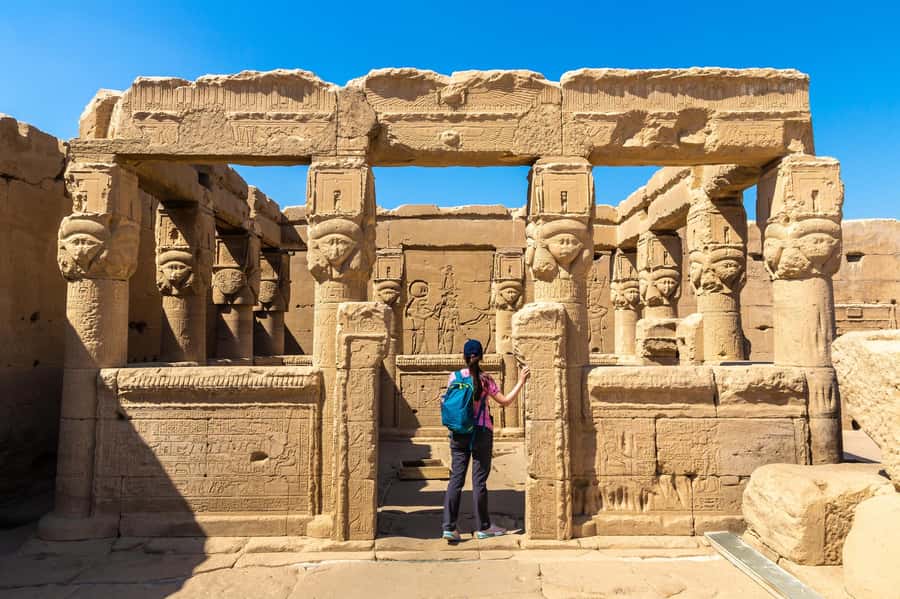
Then comes the felucca ride. This is one of those “yes, do it” add-ons, because it changes the day’s rhythm. Instead of stone and carvings, you get water and sky, and the river creates that slow, floating feeling Egypt does well.
Timing is your friend. If you time things right, you can catch late-day light from the boat, and multiple experiences mention the possibility of sunset. That’s when the Nile view looks cinematic and when photos of Luxor’s skyline stop looking flat.
But here’s the consideration: the felucca portion can feel short. Some people describe it as enjoyable but brief. One even described almost no movement before heading back. That doesn’t mean you shouldn’t go—it means you should set your expectation.
Think of it like this: the felucca is a relaxing finish, not a long cruise. You’re paying for a cool end-of-day experience with a Nile setting, not hours of sightseeing from the water.
Also, if you’re sensitive to heat, this can be a factor. Luxor can get harsh, and the ride is sometimes scheduled so you’re still out in the day’s warmth. If that matters to you, your best defense is timing—aim for the later light if the schedule allows and bring water.
Price and Value: Does $60 Add Up for This 5-Hour Day?
At $60 per person for a 5-hour tour, the value comes from what’s combined in one package:
- Dendera entry ticket included
- hotel pickup/drop-off on the East Bank in Luxor
- private, air-conditioned vehicle
- English-speaking guide
- meal in Luxor (lunch or breakfast)
- felucca ride
That’s a lot of logistics handled for you. The private transfer alone would cost you far more if you were arranging it on your own, especially with a guide added. So for most people, this price makes sense as a “time-saver + structured day” deal.
Two add-ons can affect final cost:
- If you need pickup/drop-off on the West Bank, it’s listed as an extra $5 per person.
- If you want a Spanish, German, or French-speaking guide, that’s available as an add-on.
Also, you should know what’s included for language. Your tour includes an English-speaking guide, and additional languages are available. If language comfort is a priority, confirm it in advance so you aren’t stuck translating your own questions.
Tips to Make Your Dendera Day Feel Easy (Not Rushed)

1) Wear comfortable shoes
Dendera involves a lot of walking across open areas and stone passages. You’ll want traction and comfort more than anything.
2) Bring cash for small extras
Included items cover the big pieces, but you may pay separately for optional add-ons and drinks. If you plan to tip drivers/boat staff, bring some small bills or cash you’re comfortable using.
3) Plan for optional roof/catacomb access if you want more
Some experiences include extra tickets for roof and underground areas. If you like photo angles or want a bigger feel for how the temple complex works, these add-ons are often worth considering.
4) Ask your guide for the zodiac points first
The zodiac and ceiling are highlights, but they’re also easy to miss if you’re not sure what you’re looking at. Getting oriented early makes everything afterward easier.
5) Use your free time like a detective, not a tourist
When you get a chance to explore on your own, pause at key reliefs and compare them. Don’t rush to the next wall. Look for what repeats and what changes—your brain will start reading the temple like a map.
Who This Tour Fits Best
This tour works especially well if you want:
- a guided temple visit that explains symbols and history tied to Hathor
- a comfortable day trip without the hassle of arranging transport
- a balanced schedule with a meal and a felucca ride, not just a long walking tour
It’s also a good choice if you’re short on time in Luxor. With the door-to-door structure and the 5-hour duration, you can add Dendera without wrecking your next day.
If you’re very food-focused, the included meal may not be the main highlight. If you’re dreaming of a long, slow cruise, remember the felucca ride is typically brief. But if you want a strong temple experience plus a scenic Nile finish, this setup fits nicely.
Should You Book the Luxor to Dendera Tour with Felucca?
If you’re deciding between staying in Luxor only and taking a real day trip, I’d lean toward booking this. Dendera Temple is the kind of site where a guide genuinely helps, and the preserved carvings plus the zodiac and astronomical ceiling make it a standout day outside the busiest circuits.
Book it if you:
- want private comfort with a guide
- care about seeing why the carvings matter, not just where they are
- like the idea of ending the day on the Nile
Consider another option if you:
- expect a long felucca cruise
- have very strict expectations for included meals
The sweet spot is simple: treat the felucca as a scenic bonus, and treat Dendera as the real reason you’re there.
FAQ
How long is the Luxor to Dendera tour?
The tour duration is listed as 5 hours.
How far is Dendera from Luxor, and how long does the drive take?
The drive is about 1 hour 15 minutes each way.
What’s included in the price?
Included items are the Dendera entry ticket, hotel pickup and drop-off in the East Bank, private car, an English-speaking guide, lunch in Luxor, and a felucca ride.
Is the meal always lunch?
The meal is listed as lunch in Luxor, but it can be lunch or breakfast depending on timing.
Where does hotel pickup and drop-off happen?
Pickup and drop-off are included for hotels on the East Bank. West Bank pickup/drop-off is available for an extra $5 per person.
What languages are available for the guide?
The tour offers Arabic, English, French, German, and Spanish. An English-speaking guide is included, and Spanish/German/French-speaking guides are available as an add-on.
Can I cancel if my plans change?
Yes. Free cancellation is available up to 24 hours in advance for a full refund.