REVIEW · LUXOR
Day Tour To Cairo From Luxor By Flight
Book on Viator →Operated by Emo Tours Egypt · Bookable on Viator
A single day can still feel like a lifetime. This Luxor-to-Cairo day tour uses a Luxor-to-Cairo flight to pack in the Giza pyramids, the Sphinx, the Egyptian Museum, and Khan el-Khalili with entry fees and lunch included. The catch is the pace: plan for a very long day, often with an early pickup.
One thing I like a lot is how the tour setup can feel properly guided, not just driven. If you’re lucky with your team, you may get a guide like Afifi and a driver like Hassan, and that combo usually means clear timing and steady momentum between stops. The only real consideration is that the itinerary is time-tight at each monument, so organization matters.
In This Review
- Key things to know before your Luxor-to-Cairo flight day
- Cairo in One Shot: Why Flying from Luxor Works
- Price and Logistics: What $380 Really Buys You
- Giza Necropolis Circuit: 3 Hours at the Plateau Plus Quick Pyramid Stops
- Stop 1: Pyramids of Giza (about 3 hours)
- Stop 2: Great Pyramid of Cheops (Khufu) (about 20 minutes)
- Stop 3: Menkaure Pyramid (about 20 minutes)
- Stop 4: Khafre’s Pyramid (about 30 minutes)
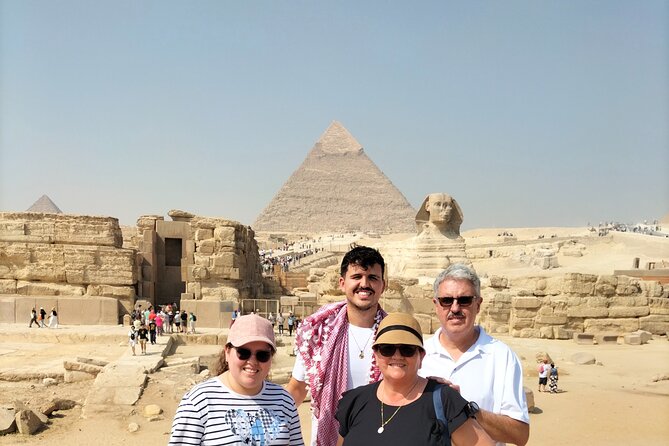
- Stop 5: Great Sphinx (about 30 minutes)
- Timing in the Real World: Early Starts, Airport Flow, and Staying Sane
- Egyptian Museum in Cairo: How to Use 4 Hours Without Getting Lost
- Khan el-Khalili Hour: Shopping and Street Texture at a Controlled Pace
- Who Should Book This Luxor to Cairo Flight Day Tour?
- Should You Book This Tour?
- FAQ
- What is the duration of the Day Tour To Cairo From Luxor by flight?
- What does the tour cost?
- Is hotel pickup and drop-off included?
- Which attractions are included in the itinerary?
- Are entry fees included?
- Is lunch included?
- Are flights included?
- Is tipping included?
- Can children join the tour?
- Is this tour refundable or changeable?
Key things to know before your Luxor-to-Cairo flight day
- A flight-first schedule means you spend less time in transit and more time on the sights
- Giza Necropolis + multiple pyramids are all in one circuit, with set time blocks at each site
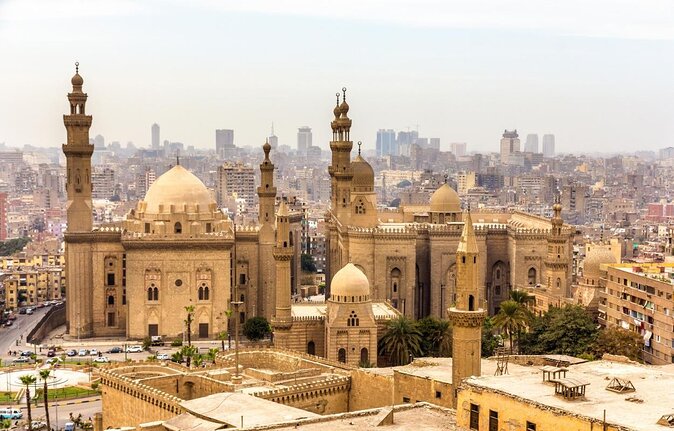
- Egyptian Museum gets a long stop (about 4 hours) so you can actually move beyond the highlights
- Khan el-Khalili includes a true free-time hour for browsing, photos, and small shopping
- Bottled water, lunch, and entry fees are covered, which helps you control the day’s budget
Cairo in One Shot: Why Flying from Luxor Works
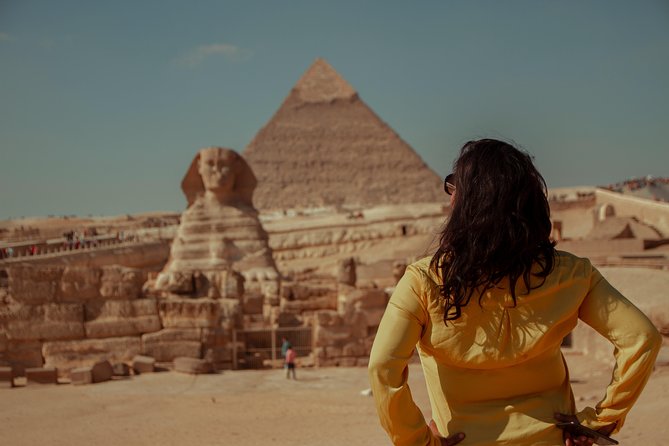
Flying from Luxor to Cairo for a day tour is a practical cheat code. Cairo is huge. Drive time alone would eat your day, and you’d arrive frazzled. With this format, the schedule is built around the flight, then the sightseeing runs like a focused route.
I like that the tour doesn’t just say you’ll see the pyramids. It also assigns real time blocks across the Giza Plateau, then continues to the Egyptian Museum, then finishes with an hour in Khan el-Khalili. That flow matters, because Cairo can turn into a series of rushed photo stops if you don’t have a plan.
Expect a 10 to 15 hour day overall. Even if the exact timing shifts with your flight, you should assume it will feel long. A morning start is normal; one common schedule has you leaving Luxor around 3am and being at the Giza area by about 09:30. If you’re the type who functions best after a slow breakfast, you’ll want to prep mentally.
You can also read our reviews of more tours and experiences in Luxor.

Price and Logistics: What $380 Really Buys You
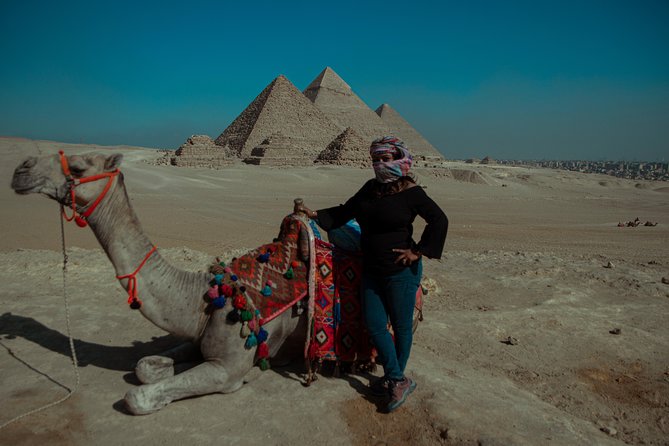
At $380 per person, this isn’t a budget outing. The value is in what’s included, and how that changes your day.
Here’s what the tour covers:
- Round-trip flights between Luxor and Cairo
- Hotel pickup and drop-off
- Entry fees for the sites on the itinerary
- Lunch at a local restaurant
- Bottled water
- A tour guide
- Transfers tied to the flight day
When flights and entry fees are separate, that’s where days like this get expensive fast. By packaging them together, you’re not playing the math game every time you reach a ticket counter. You also avoid a lot of day-of uncertainty.
What’s not included is also clear: tipping and personal expenses. That means you’ll likely want some cash or a card ready for souvenirs at Khan el-Khalili. Also plan for your own snacks beyond the provided lunch and bottled water.
One more practical note: this is listed as a private tour/activity, meaning only your group participates. That tends to reduce the chaos you sometimes get on big group buses. At the same time, the operator mentions group discounts, so pricing can vary depending on group size.
Giza Necropolis Circuit: 3 Hours at the Plateau Plus Quick Pyramid Stops
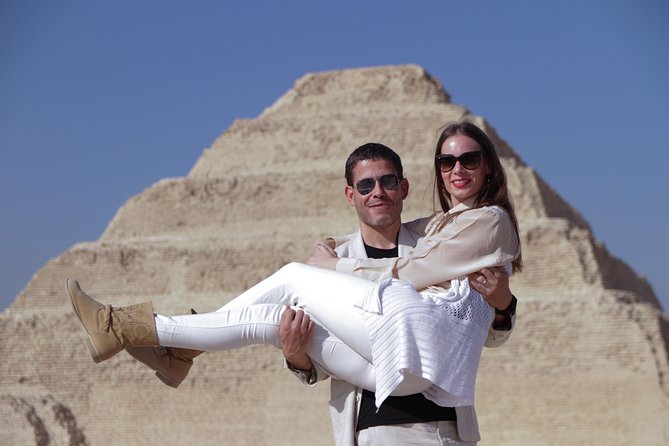
The Giza Plateau is the kind of place that makes you wonder how anyone ever decided to build anything like this. It’s not just one monument. It’s an entire complex of pyramids, temples, and context—built by the Fourth Dynasty during the Old Kingdom.
Stop 1: Pyramids of Giza (about 3 hours)
You get about 3 hours at the wider Giza Necropolis. This is your chance to:
- Walk the plateau and orient yourself
- See more than one pyramid shape in the same viewpoint sweep
- Take in the scope of the whole site, not just one icon
This is also where you’ll feel the difference between a good visit and a “blink and move on” visit. Three hours is enough to slow down a bit, grab a few angles for photos, and still make it through the rest of the day.
Possible drawback: the plateau can mean a lot of walking and sun exposure, and you’re doing this early in a long day. Wear comfortable shoes and plan for heat. Since bottled water is included, take advantage of it instead of rationing.
Stop 2: Great Pyramid of Cheops (Khufu) (about 20 minutes)
Then you’ll focus on the Great Pyramid of Khufu, also called the Great Pyramid. It’s the oldest and largest of the three main pyramids in the complex and the only one of the Seven Wonders of the Ancient World that remains largely intact.
But the time block here is short: about 20 minutes. That’s enough for the big moments—seeing it from key angles, getting your photos, and doing a quick overview. It’s not enough for a long, calm exploration of every detail.
If you’re the type who likes to read every plaque and zoom in on construction marks, build your expectations around a highlight visit, not a deep study.

Stop 3: Menkaure Pyramid (about 20 minutes)
Menkaure’s pyramid complex includes a valley temple, a causeway, a mortuary temple, and the king’s pyramid. Even in a short visit, this stop is valuable because it changes the visual balance of the Giza story. You’re not just seeing the biggest one—you’re seeing how the complexes relate to each other.
The time is the same as Khufu’s focused stop: about 20 minutes. Again, plan for a focused look rather than long wandering.
Stop 4: Khafre’s Pyramid (about 30 minutes)
Khafre’s pyramid complex is one of the most interesting because it includes the Sphinx temple and a broader causeway/temple structure. This stop is about 30 minutes, which is slightly more breathing room than the others.
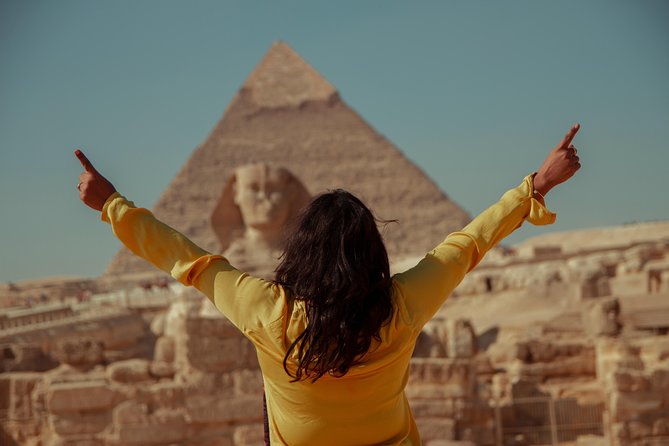
A useful detail: you’ll often hear that the Sphinx’s head is linked to Khafre in the current consensus among Egyptologists. That idea makes this time slot matter, because it connects the pyramid area to the next stop.
Stop 5: Great Sphinx (about 30 minutes)
Finally, you end up at the Great Sphinx—the half-human, half-lion statue that everyone comes for.
You’ll get around 30 minutes here. That’s enough time to:
- Look at proportions from a distance
- Take in surrounding layout
- See the Sphinx as part of the bigger site, not as a standalone picture
A quick consideration: the Sphinx area is often where people feel the day squeezing them. You’re coming from other stops, and you’re moving on soon after. If your group wants more time here, this part can feel short compared to the emotional weight of the monument.
Overall, the strength of this itinerary is that you’re not stuck on just one point. You’re seeing the pyramids as a connected landscape, even if the timing is structured.
Timing in the Real World: Early Starts, Airport Flow, and Staying Sane
What makes or breaks a flight-day tour is the choreography. You’ll be leaving Luxor for Cairo, then you’ll be moving straight into sightseeing.
If your schedule matches the common early pattern, you’ll likely be up fast and out the door around 3am, then arriving in Cairo around 09:30 before stepping onto the Giza Plateau. That means:
- Your first major sights happen before midday
- Your museum time arrives when you’re already on your feet
This is why I think the included guide and driver matter. You want someone who can keep the group together, explain what you’re seeing, and move you efficiently between timed stops.
There’s one more reality check: short time blocks make preparation important. If your guide isn’t ready to explain the big picture quickly, you can end up seeing a lot of stone without much context. The monuments are impressive enough on their own, but interpretation helps you remember what you saw and why it matters.
Egyptian Museum in Cairo: How to Use 4 Hours Without Getting Lost

The Egyptian Museum gets about 4 hours, and that’s a gift. A museum day can be swallowed by crowds or by decision fatigue. Four hours is enough time to do more than a cursory circuit.
The museum houses over 120,000 items, with a representative amount on display. You’re not expected to see everything in one day (no one can). What matters is using the time to focus on the objects you came for, then let the rest of the galleries deepen what you learned earlier at Giza.
One standout is Pharaoh Tutankhamun’s treasures, including the iconic gold burial mask. Seeing something like that in person hits different than seeing it in a book. The scale, craftsmanship, and detail are hard to fully absorb from photos.
Practical tip: since lunch is included but timing isn’t specified here, treat meals as a “when it’s offered” situation. Don’t wait too long and then feel shaky during your museum time. Hydrate, too—water is included, but don’t wait until you’re thirsty.
If you’re traveling with kids, the museum can be a mixed bag if attention spans are short. Four hours can work, but you’ll want your guide to point out the most engaging pieces quickly.
Khan el-Khalili Hour: Shopping and Street Texture at a Controlled Pace

After Giza and the museum, you get about 1 hour at Khan el-Khalili, Cairo’s famous bazaar and souq in the historic center.
This stop isn’t about “education.” It’s about atmosphere. The bazaar is known for artisans and traditional workshops, and it’s also one of the places where you can pick up small souvenirs without turning the day into a separate shopping trip.
Because your time is limited, you’ll want a simple approach:
- Decide what you want before you enter if shopping is a priority
- Use the hour for browsing, not for comparing dozens of stalls
- Keep your energy for photos and a calm walk through the lanes
One more note: since entry to Khan el-Khalili is free on this itinerary, you’re not paying extra just to be there. You can focus your budget on what you buy, not on tickets.
Who Should Book This Luxor to Cairo Flight Day Tour?
This is a strong choice if you want:
- A high-structure day with transport, tickets, and guidance handled
- The major Cairo hits in one run: Giza, the Sphinx, the Egyptian Museum, Khan el-Khalili
- A tour that includes lunch and bottled water, helping your day feel more manageable
It’s also a good fit if you like Egypt with variety: monumental architecture early, then museum objects in the afternoon, then market texture to close.
You might want to reconsider if:
- You hate early wakeups and long travel days
- You prefer slow, lingering exploration over set time blocks
- You’re hoping for lots of flexibility to go off-plan during the day
Since the tour is private for your group, this can work well for couples and small groups. It also helps families who want less chaos than a big group schedule—though you still need to plan for the long day.
Should You Book This Tour?
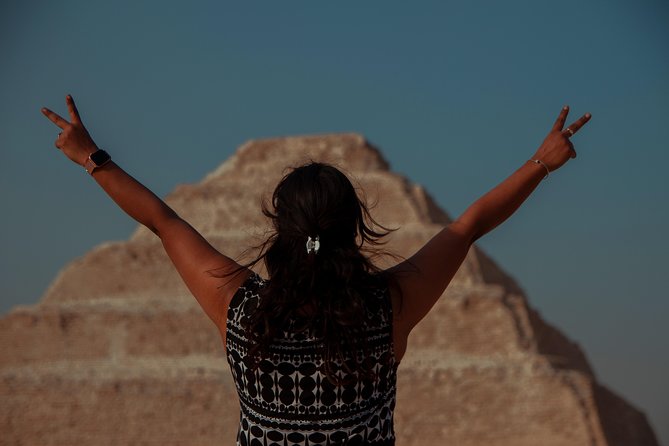
I’d book it if you want the efficient version of Cairo from Luxor: flight day, curated stops, and included tickets. At $380, it’s not cheap, but you’re paying for the hardest parts—getting you there by air and paying the entry fees—so you can focus on seeing the monuments.
I’d think twice if you’re expecting a slow, relaxed pace at every monument. The time blocks at Giza’s individual focuses are short, so you need the mindset of a highlight route. And if your top priority is deep museum time or long monument wandering, you may feel slightly rushed.
If you do book, go in with the right plan: comfy shoes, sun protection, hydration, and a short shopping list for Khan el-Khalili. With the right guide team—like the Afifi-and-Hassan style that keeps things moving—you’ll get a day that feels memorable for all the right reasons.
FAQ
What is the duration of the Day Tour To Cairo From Luxor by flight?
The tour is listed as 10 to 15 hours approximately.
What does the tour cost?
The price is $380.00 per person.
Is hotel pickup and drop-off included?
Yes. Hotel pickup and drop-off are included.
Which attractions are included in the itinerary?
The itinerary includes the Pyramids of Giza, Great Pyramid of Cheops (Khufu), Menkaure Pyramid, Khafre’s Pyramid, Great Sphinx, the Egyptian Museum, and Khan el-Khalili.
Are entry fees included?
Yes. Entry Fees are included.
Is lunch included?
Yes. Lunch at a local restaurant is provided.
Are flights included?
Yes. Round trip flight is included, along with transfers tied to the tour.
Is tipping included?
No. Tipping is not included.
Can children join the tour?
Yes, but children must be accompanied by an adult.
Is this tour refundable or changeable?
No. The experience is non-refundable and cannot be changed for any reason.
If you tell me your travel month and how many people are in your group, I can also suggest the best way to structure your day (and what to prioritize if you’re short on time).