REVIEW · GIZA
9 Days Private Tour in Egypt with Transportation
Book on Viator →Operated by Viajes a Egipto · Bookable on Viator
One word: afterlife. This private Egypt route strings together the key monuments of Upper Egypt and the most haunting temple themes in Dendera and Abydos—with private transport and a real guide focus.
Two things I like right away: you get door-to-door airport and hotel transfers, and the itinerary leans into story, not just photos. I also like the “private vehicles with A/C” setup, which makes long days feel less like a slog.
There’s one practical consideration: the schedule stacks big sites on big days. Some visits run close to all-day (and Abu Simbel is an early start), so it helps to be comfortable with long stretches of sun and walking.
In This Review
- Key Highlights You’ll Feel Immediately
- A 9-Day Private Tour That Actually Makes the Monuments Connect
- Guides Who Lead Like Friends, Not Just Lecturers
- Cairo Start: From Antiquities to Coptic Cairo
- The Domestic Flight South: Why It’s a Smart Trade-Off
- Aswan Unfinished Obelisk, Then Philae Temple for Isis
- Abu Simbel: Dawn Trip That Turns the Whole Day Dramatic
- Edfu and Luxor Temples: When the Nile Becomes a Museum
- Dendera and Abydos: Hathor and Osiris Through Time
- Valley of the Kings, Queens, and Hatshepsut’s Terraces
- Cairo Museum and Churches: The Final Cultural Shift
- Price and Logistics: Private Comfort, Domestic Flights, and Real Site Time
- Who This Tour Is Best For
- Should You Book This Private Egypt Tour?
- FAQ
- What’s included in the tour price?
- Do I need to arrange my Egypt visa?
- Does the tour include airport pickup and transfers?
- Will I fly within Egypt?
- Is the tour private?
- What language are the guides?
- Which major sites are covered?
- Are meals included or do I need to budget separately?
- What happens if the weather is bad?
- Is free cancellation available?
Key Highlights You’ll Feel Immediately
- Private, Spanish-speaking guiding that turns temples and tombs into something you can actually follow
- Nile cruise time in Aswan–Luxor plus a short felucca ride for a slower change of pace
- Dendera + Abydos on the same trip, focused on Hathor and Osiris and Egypt’s beliefs about life after death
- Abu Simbel at dawn for the rock-cut drama (and yes, it’s worth the early morning)
- Cairo with more than museums, including the Hanging Church and the Ben Ezra synagogue area
A 9-Day Private Tour That Actually Makes the Monuments Connect
Egypt can feel like a greatest-hits album: pyramids, temples, tombs, repeat. What I like about this 9-day private tour is the way the stops connect through theme—especially the death-and-rebirth ideas. You’re not only seeing impressive architecture. You’re also seeing how Egyptians explained the world, the gods, and what happens after you’re gone.
You start in Cairo, then move south by domestic flight into Aswan. From there, the trip shifts into a classic Upper Egypt flow: quarry and island worship in Aswan, a day-trip leap to Abu Simbel, then temple stops that build toward Luxor. Finally, you return to Cairo for museum and Christian/Jewish heritage stops, and you wrap up with an airport transfer.
Because it’s private, you travel as just your group in air-conditioned private vehicles. That matters more than it sounds when you’re bouncing between sites across several days. It also keeps the pace steadier—no waiting for strangers who are still deciding whether they want to see the sphinx.
You can also read our reviews of more private tours in Giza
Guides Who Lead Like Friends, Not Just Lecturers
In Egypt, a guide can make or break the experience. Here, the recurring praise is very specific: the guides explain in detail, they answer questions patiently, and they’re flexible when plans meet real-world timing.
The names that show up again and again are Mohamed and Mohamed Samora. People describe them as attentive and professional, with strong language skills—especially Spanish. One guide (Samora) is also noted as a great English and Spanish speaker, while Mohamed is mentioned for handling Portuguese too. That’s a big deal if your group isn’t all the same language level.
The practical value: you don’t just get a “what am I looking at” guide. You get a “why did they build it this way” guide. And when you’re standing in Abydos or Dendera, those answers are the difference between seeing carvings and understanding the mindset behind them.
Cairo Start: From Antiquities to Coptic Cairo
Your trip begins with arrival in Cairo: airport collection, visa procedures, transfer to the hotel, and check-in. It’s straightforward. This kind of first day setup is quietly important because Cairo traffic can make the start feel chaotic if you’re doing it on your own.
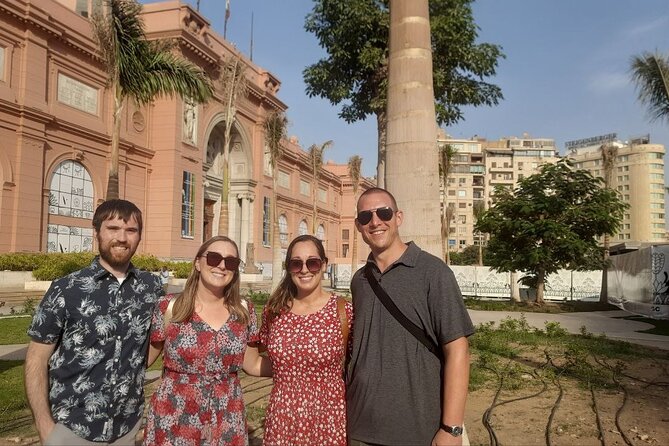
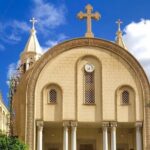
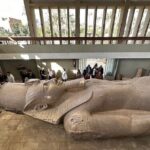
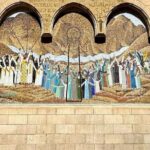
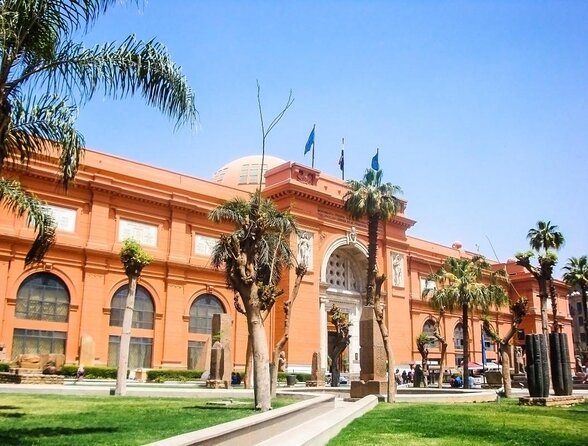
Later, you get the Museum of Egyptian Antiquities focus, with the “riches of the pharaohs” angle. You also get time on the Coptic side of Cairo—specifically the neighborhood where the Holy Family lived during their trip, plus the Church of San Sergio (the Hanging Church) and the Synagogue of Ben Ezra. That mix is smart because it shows Egypt after the pharaohs too, without turning your trip into a different country.
A small consideration: museum and church areas can be emotionally and physically intense in the same day. If you’re sensitive to crowds or heat, pace yourself. Bring water and plan for slow walking.
The Domestic Flight South: Why It’s a Smart Trade-Off
On day two, you fly from Cairo to Aswan after an early big-day plan. That domestic flight is a practical trade: you lose some “train and station wandering,” but you gain meaningful time in the places you came for.
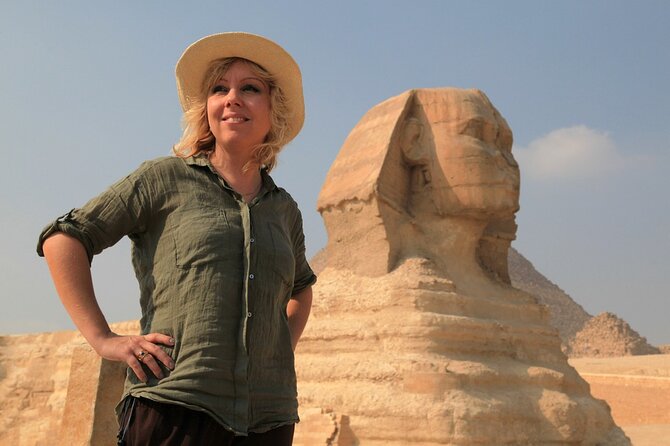
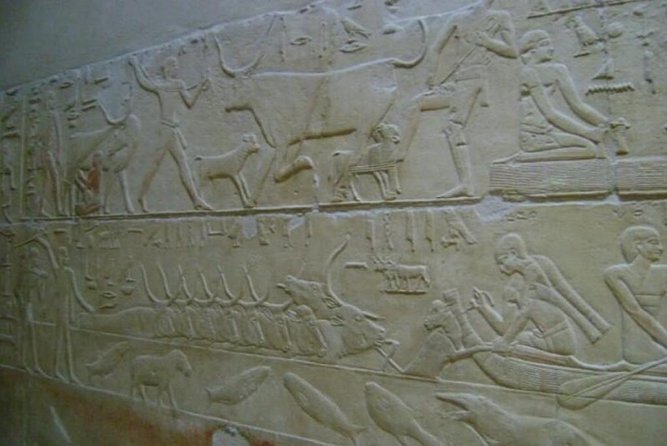
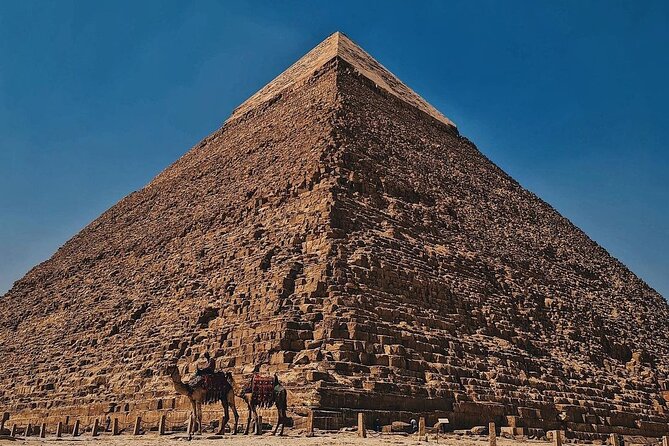
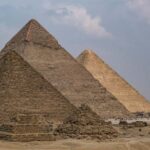
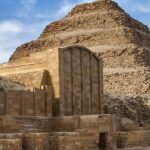
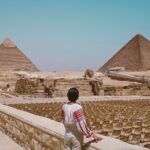
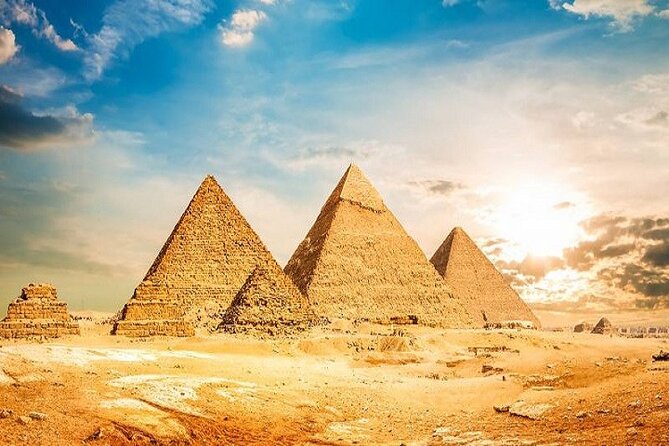
You’ll also do the “big first wave” in the Cairo area: Sakara (including the stepped pyramid of Djoser, built by Imhotep) and then the Giza pyramids and the Great Sphinx. The listed visit windows are usually 2–3 hours per major zone, which is realistic if you want to see, not just rush.
And yes, it’s a lot for day two. But the flight keeps you from stretching the Cairo section into another full travel day.
Aswan Unfinished Obelisk, Then Philae Temple for Isis
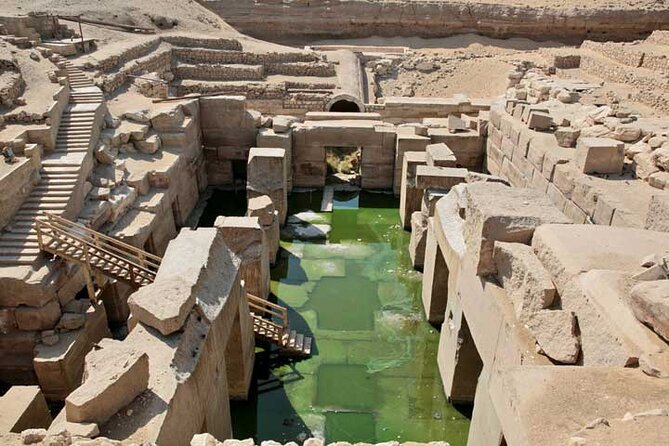
Aswan is where the trip slows down just enough to feel different. You start with the old granite quarry and the unfinished obelisk—a powerful glimpse at how monumental projects begin (and what happens when the plan changes). This is one of those spots where a good guide matters, because you’re seeing both craft and intention.
Then you move to the Temple of Philae, sacred to Isis. The visit is almost four hours, which gives time for the temple itself and for understanding the religious layers behind it. Philae is often photographed for a reason, but the value here is how it fits the trip’s overall gods-and-afterlife theme.
To balance the heavier temple hours, you get a short felucca ride along the Nile (about 45 minutes). It’s not long, but it’s a helpful reset—especially if you’ve already been on the go since Cairo.
Abu Simbel: Dawn Trip That Turns the Whole Day Dramatic
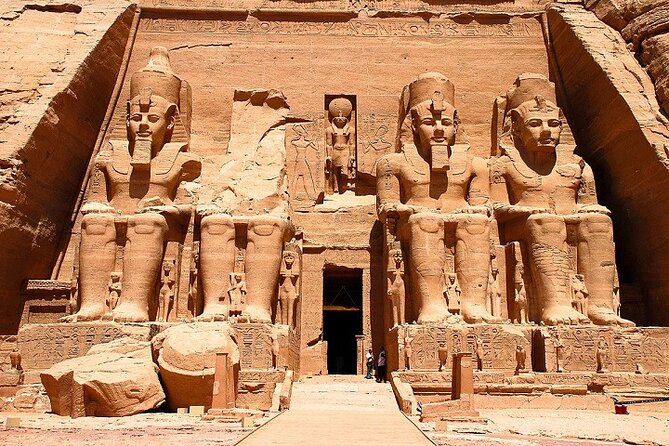
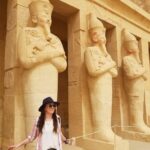
Abu Simbel is the kind of site that can feel like a poster until you’re actually there. The plan is an excursion that usually leaves at dawn. The temple of Ramses II is carved into rock and the visit runs about eight hours overall.
Why it’s worth it: the early timing lines you up better for the best light and cooler temperatures. It also breaks up the trip rhythm. One day in Aswan feels calmer; then Abu Simbel arrives like a show.
In the afternoon you also hit Kom Ombo, with its worship connections to Sobek and Haroeris (the Great Horus). That stop is shorter—around an hour and a half—but it gives you a second “two-god” perspective before you shift fully into the Luxor temple sequence.
Edfu and Luxor Temples: When the Nile Becomes a Museum
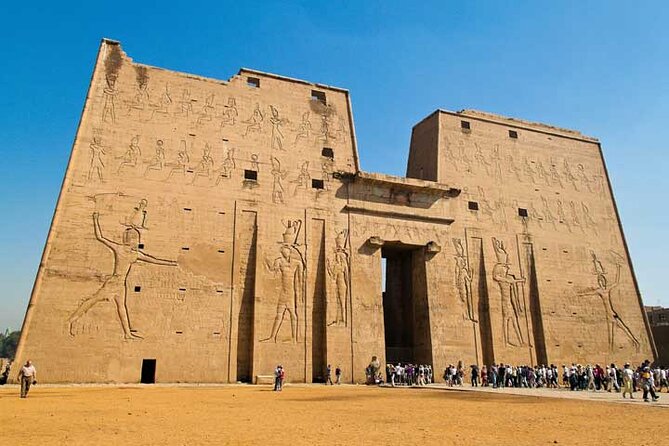
After Kom Ombo, you settle into temple time across the Nile corridor. In Edfu, you see the Temple of Horus (Horus as the falcon, son of Isis). It’s described as the best preserved architecturally, and the visit is around two hours. In plain terms: it’s the kind of temple where details feel readable, not just ancient.
Then you spend time at Karnak—the cult center for Amun and his triad, built across more than 2,000 years. The scale here is the whole point. Your visit window is flexible in the itinerary, but it’s described as a large multi-hour experience because Karnak isn’t one moment. It’s a patchwork of construction ideas.
You finish the Luxor temple day at Luxor Temple, connected to Amenhotep III and Ramses II, including a prominent entrance obelisk listed as 25 meters high. The “twin in France” detail matters if you’ve seen the Paris obelisk before. It helps you place what you’re seeing into the bigger story of how Egypt’s monuments were moved and reinterpreted.
Dendera and Abydos: Hathor and Osiris Through Time
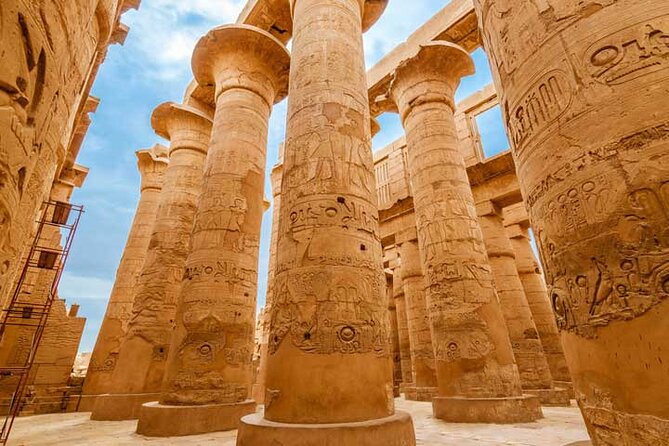
If I had to pick the emotional core of the whole trip, it’s this day. The route brings you to both Dendera and Abydos, with a long temple day (about nine hours). The theme is clear: Hathor and Osiris, and Egypt’s belief system around death, resurrection, and the next life.
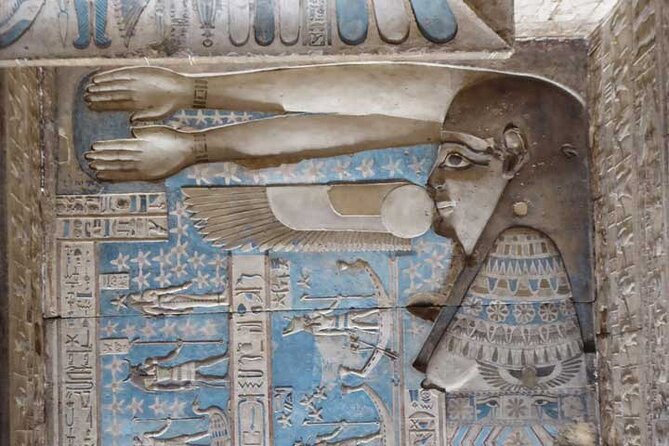
At Dendera, you’re stepping into a Greco-Roman era temple dedicated to Hathor. Hathor is linked to marriage and music, and the notes also say she appears in very early Egyptian writings—like the Pyramid Texts. That matters because it prevents Dendera from feeling like an “era museum stop.” It becomes proof of continuity in Egyptian belief.
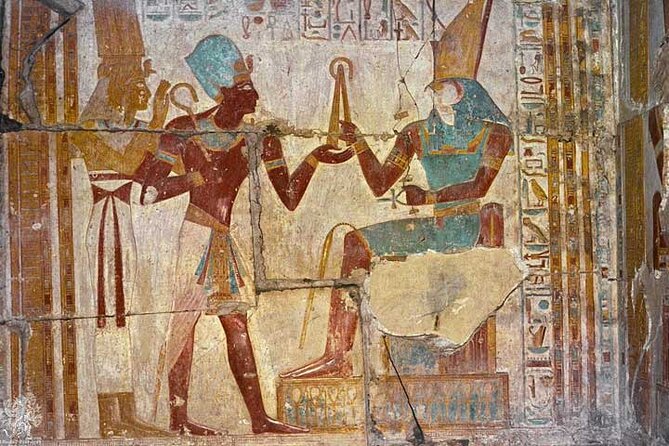
At Abydos, the focus becomes even more intense. The temple is tied to Osiris and life after death, and the area includes what’s described as one of the most important vestiges around Abydos’ cemetery, noted as the oldest in Egypt. The emphasis is on ancient empire royal burials, especially kings of the first two pharaonic dynasties. If you’re the type who likes meaning more than just monuments, this is the day to lean in.
Practical tip for this day: you’ll be outside and moving. Wear comfortable shoes and take the heat seriously. A guided pace helps, but your body has its own schedule.
Valley of the Kings, Queens, and Hatshepsut’s Terraces
The Luxor side of the story turns toward tombs. You visit the Valley of the Kings (New Kingdom royal burials), then the Valley of the Queens for queens and children who died young, as described in the itinerary notes.
Next comes Queen Hatshepsut’s temple, famous for its terrace design. Terraces are more than pretty architecture; they help you understand how the Egyptians shaped views, movement, and symbolism into the built environment.
You then see the Colossi of Memnon, described as the two largest statues in Luxor and the only remains of Amenhotep III’s older funerary temple. Even from a distance, they’re the kind of monuments that make the ancient scale feel real.
This day is listed as around seven hours. It’s a long walk day, even if you’re not sprinting between stops. So it’s a great fit if you enjoy history but also want a clear structure to your day.
Cairo Museum and Churches: The Final Cultural Shift
After you fly back to Cairo, you finish with another well-chosen mix. You return to the Egyptian Museum for the major pharaoh treasures, then head into the Coptic neighborhood heritage with the Hanging Church and the Ben Ezra synagogue area.
This pairing is valuable because it gives your brain a bridge: you move from ancient dynasties to later layers of belief and community. It helps you avoid the common Egypt-travel feeling of only knowing “Egypt as pharaohs.”
Then it ends with an airport transfer at the agreed time.
Price and Logistics: Private Comfort, Domestic Flights, and Real Site Time
At $1,980 per person for roughly 9 days, this isn’t a budget-only choice. The value comes from what’s bundled:
- Private transfers airport-to-hotel and hotel-to-airport
- Guided tours with local Spanish-speaking guides
- Private air-conditioned vehicles for site-to-site movement
- Domestic flights to cover Cairo–Aswan and the return timing
- Entrance fees for the sites listed
- A set of included meals (breakfasts daily in the count, plus lunches and dinners on schedule)
In practice, that means less time negotiating taxis and ticket counters. More time in front of the monuments with explanations that actually stick.
The main cost consideration is energy. This is not a slow cruise-and-lounge itinerary. You’re getting a lot of key sites, including a dawn Abu Simbel day and a full Dendera/Abydos day. If you want a lighter pace, you might choose fewer temples and fewer tomb-focused stops.
Who This Tour Is Best For
This tour fits best if you:
- Want private guidance and clear, story-driven explanations
- Like big “must-see” Egypt with a strong emphasis on temple themes like Osiris and Hathor
- Enjoy mixing eras, from pharaohs to Coptic Cairo
- Are comfortable with long days and early starts
It’s also a good match for mixed-language groups because the guide notes mention Spanish plus strong English and Portuguese ability in real situations. And because it’s private for your group, you don’t have to adapt to other people’s pace.
Should You Book This Private Egypt Tour?
I’d book it if your priority is temple meaning, not just photo stops, and if having a guide you can trust matters. The repeated praise for professionalism and detail—especially with Mohamed and Mohamed Samora—isn’t the kind of thing you want to gamble on in Egypt.
Pass on it (or adjust expectations) if you need a very relaxed vacation. This route stacks heavy days: Giza/Saqqara plus a flight, Abu Simbel at dawn, and a full Dendera/Abydos experience in one go.
One more thing to take seriously: the experience requires good weather. If conditions are poor, the tour may be moved to another date or refunded, so you’ll want flexibility in your travel plans.
FAQ
What’s included in the tour price?
The tour includes transfers between the airport and hotels, guided tours with local Spanish-speaking guides, private air-conditioned vehicle transportation, domestic flights, entrance fees to all listed sites, and taxes. Meals are also included: 8 breakfasts, 3 lunches, and 3 dinners.
Do I need to arrange my Egypt visa?
The tour notes that you’ll need an entry visa to Egypt, listed as $25 by passport. Visa procedures happen on arrival as part of the day-one process.
Does the tour include airport pickup and transfers?
Yes. You get airport-to-hotel and hotel-to-airport transfers included.
Will I fly within Egypt?
Yes. The itinerary includes domestic flights, including travel from Cairo to Aswan and later return to Cairo.
Is the tour private?
Yes. It’s described as a private tour/activity, meaning only your group participates.
What language are the guides?
The tour includes local Spanish-speaking guides. Guide feedback also references strong English and Portuguese in some cases.
Which major sites are covered?
The trip covers Giza and the Great Sphinx, Saqqara with the stepped pyramid of Djoser, Aswan highlights including the unfinished obelisk and Philae, Abu Simbel, Kom Ombo, Edfu, Karnak and Luxor Temples, Dendera and Abydos, the Valley of the Kings and Queens, Hatshepsut’s temple, and the Colossi of Memnon, plus Cairo’s museum and Coptic sites.
Are meals included or do I need to budget separately?
Meals are included according to the totals provided: 8 breakfasts, 3 lunches, and 3 dinners.
What happens if the weather is bad?
The experience requires good weather. If it’s canceled due to poor weather, you’ll be offered a different date or a full refund.
Is free cancellation available?
Yes. You can cancel up to 24 hours in advance for a full refund.