Your first Nile day hits hard. Luxor Temple, a comfy cabin on the 5-star boat, and a hot air balloon over Luxor make this tour feel bigger than the calendar.
I loved the all-in rhythm: you’re fed well with included meals, and the sightseeing is set so you’re not constantly figuring out the next move.
Two things I really like: the guides (I’ve seen names like Gabriel and Maria) bring the history to life without turning it into a lecture marathon, and admission tickets and activities are rolled into the price.
One thing to consider: the schedule is tight with very early mornings (and I’ve seen at least one complaint about very early wake-ups), so plan around that—especially if you’re sensitive to early starts.
In This Review
- Key highlights you’ll care about
- Luxor Temple and your first cabin day on the Nile
- Hot air balloon over Luxor: the photo you earn with patience
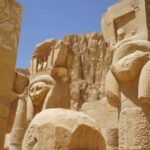
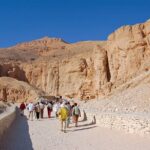
- Valley of the Kings, Hatshepsut, and Colossi of Memnon: West Bank momentum
- Sailing rhythm: Edfu and Kom Ombo with a horse carriage stop
- Aswan essentials: Philae, High Dam, and the unfinished obelisk
- Abu Simbel early morning: two temples and a long day worth it
- A day of breathing room back on the Nile
- Hurghada hotel time: switching from temples to sea air
- Bedouin desert time and a Festival City Mall stop
- Giftun Islands: Red Sea water day you can actually relax in
- Hurghada Grand Aquarium and the fast jump to Cairo
- Giza, Sphinx, Saqqara, and Memphis: Cairo’s big history run
- Guides and coordination: why names keep coming up
- Price and value: what $4,000 buys you in real terms
- Potential snags: early mornings, added pressure, and hotel category checks
- Who should book this tour
- Should you book this Nile, Red Sea, and Cairo combo?
- FAQ
- What cities does this 10-day Egypt tour include?
- Where does the tour start and what time?
- Is the tour private or shared?
- Are meals included?
- Are entrance fees and activities included?
- Are the hot air balloon and Abu Simbel included?
- What kind of guide is provided?
- What hotels are included in Hurghada and Cairo?
- Is tipping included in the price?
- Can I cancel for a full refund?
Key highlights you’ll care about
- Hot air balloon over Luxor: one included experience that’s easy to remember and hard to replace.
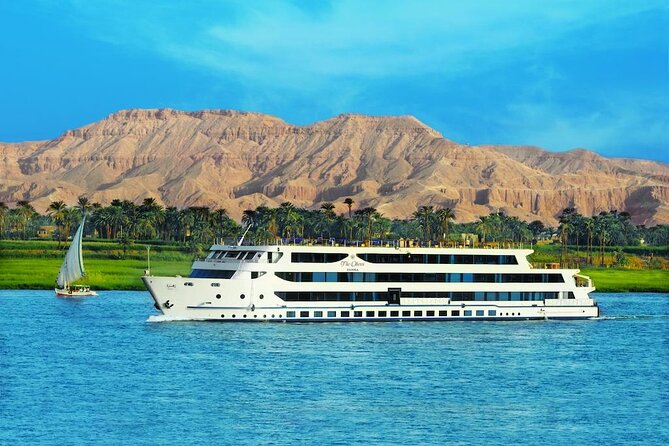
- 7 nights on a 5-star Nile boat with breakfast, lunch/food, and dinner included (drinks aren’t).
- No-surprise admissions: entrance fees and listed activities are included, so budgeting is simpler.
- West Bank day is stacked: Valley of the Kings, Hatshepsut, and the Colossi of Memnon.
- Aswan includes the big names: Philae, High Dam, the unfinished obelisk, and Abu Simbel.
- Red Sea breaks in Hurghada: Giftun Islands day plus time for an easy “beach + sights” reset.
Luxor Temple and your first cabin day on the Nile
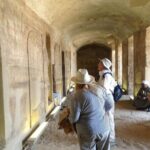
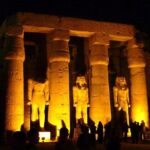
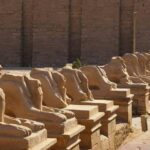
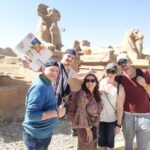
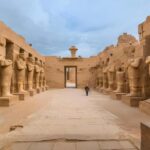
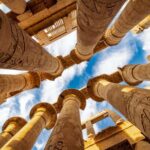
Your trip starts in Luxor, with reception from Luxor Airport (or the train station) and help getting to the boat so you can claim your cabin. The first day is a smooth intro: lunch onboard, then you get a solid look at the East Bank with Luxor Temple and usually time for Karnak too.
What I like about this opening is that it doesn’t throw you into chaos. You’re on the Nile early, you’re fed, and then the day lands you right where first-time Egypt visitors want to be—temples, columns, and scale that’s hard to grasp until you’re there.
You can also read our reviews of more tours and experiences in Luxor.

Hot air balloon over Luxor: the photo you earn with patience
The balloon ride is one of the main “wow” inclusions, and it’s paired with early-morning sightseeing planning later that same day. That means you should treat the balloon as a commitment: you’ll need to be ready for an early start, and you’ll want decent sleep the night before.
If you’re the type who likes skyline views and wide angles, you’ll get exactly that over Luxor—an overhead view of the temple complex and the river bend far better than photos can show. It’s also the kind of moment that sets the tone for the rest of the trip: classic sites feel less like “attractions” and more like a living story.
Valley of the Kings, Hatshepsut, and Colossi of Memnon: West Bank momentum
After breakfast, the tour shifts to the West Bank for the biggest-pull sites. This part is all about ancient power and ancient ambition:
- Valley of the Kings: tombs carved for royalty, and the feel of the place even when you’re standing still.
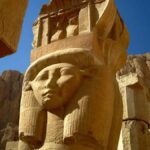
- Temple of Hatshepsut: a major statement temple, with details you’ll appreciate more if your Egyptologist keeps things moving and explains what you’re seeing.
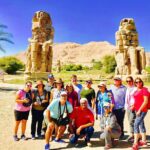
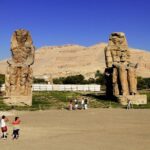
- Colossi of Memnon: huge statues that give you instant scale.
You’ll usually have guided commentary, but you’ll also want time to step back and take in the space. The best “secret” here is simple: don’t try to read every wall inscription. Let the guide’s explanations give you anchors, then you can look for the pieces that match what you learned.
Sailing rhythm: Edfu and Kom Ombo with a horse carriage stop
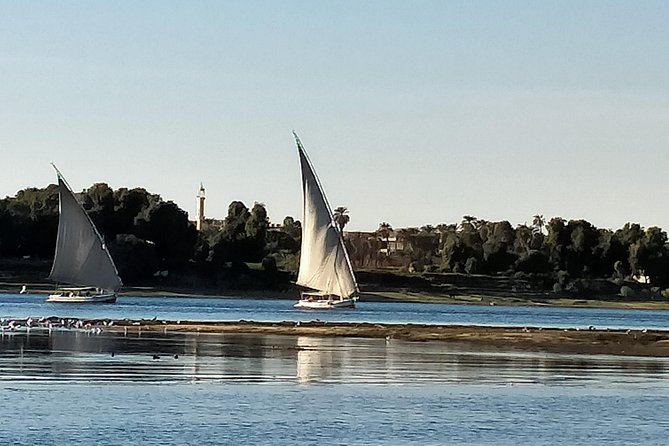
As you move downriver, the tour keeps a sailing cadence that’s part travel day and part sightseeing day. One of the more memorable “texture” moments is the included horse carriage portion for the Edfu visit. It’s short, and it adds a local-feeling layer without turning your day into a half-day detour.
Edfu and Kom Ombo are both temple stops, and they tend to land well after the West Bank because the vibe shifts from royal tomb geography to temple architecture and ritual symbolism. The key value of this section is pacing. Instead of cramming everything into one city, you’re spreading the classics across the Nile so you’re not burned out on ancient stone by day three.
Aswan essentials: Philae, High Dam, and the unfinished obelisk
Aswan is where Egypt starts to feel different. The river widens, the pace often slows, and you get a mix of old-world and modern-world landmarks in the same day.
You’ll visit Philae Temple, along with stops for the High Dam and the unfinished obelisk. This combination is smart because it shows two sides of “monument building”: the ancient ambition of carving and inscribing, and the modern reshaping of the Nile’s future.
If you like context, this is where it pays off to have an energetic guide. A good guide helps you connect why these sites mattered when they were built—and why they matter today.
Abu Simbel early morning: two temples and a long day worth it
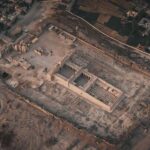
Abu Simbel is included and it’s scheduled early, which matters because it’s one of the trip’s biggest time blocks. You’ll visit two temples—the larger one linked to the gods and royal reign themes, and the smaller one dedicated to Hathor, connected with Nefertari.
What I like about how this is handled is that it’s treated as a proper experience, not just a “drive-by.” You’ll have a friendly guide to explain details, and the story behind Abu Simbel is the kind of information that makes the architecture hit harder. The one drawback is obvious: you’ll likely feel it in your body. Abu Simbel is a commitment, so pack water and plan for rest afterward.
A day of breathing room back on the Nile
After the big Aswan sequence, there’s a rest day on the boat. That’s not nothing. It gives you time to catch up on sleep, wander the deck, and recover a bit from the early starts that pile up.
This is also when you’ll notice something practical: when days are packed, you don’t need more stops—you need time for your brain to absorb what you just saw. This break helps, especially if you’re the kind of traveler who likes to remember details rather than collect stamps.
Hurghada hotel time: switching from temples to sea air
Then you switch modes—out of the Nile routine and into Hurghada, staying in a five-star hotel for two nights with meals included. This is a genuine change of scenery, and it’s valuable because it prevents the trip from feeling like nonstop history for ten straight days.
Hurghada days are also where you can reset your energy before Cairo. Even if you don’t plan to lounge all day, being in a more modern beach setting gives you a different kind of travel satisfaction: swimming-water breaks, easier walking, and less “museum brain.”
Bedouin desert time and a Festival City Mall stop
One of the stops listed includes Bedouin life in the desert—natural surroundings, calm air, and the chance to slow down. The tour also includes a stop connected to Cairo Festival City Mall.
A quick reality check: this portion of the schedule can feel “move-and-switch” because you’re transitioning between hotel storage, desert activities, and then your next legs. If you like loose structure, make sure you keep your essentials together so you’re not hunting for items during transitions.
Giftun Islands: Red Sea water day you can actually relax in
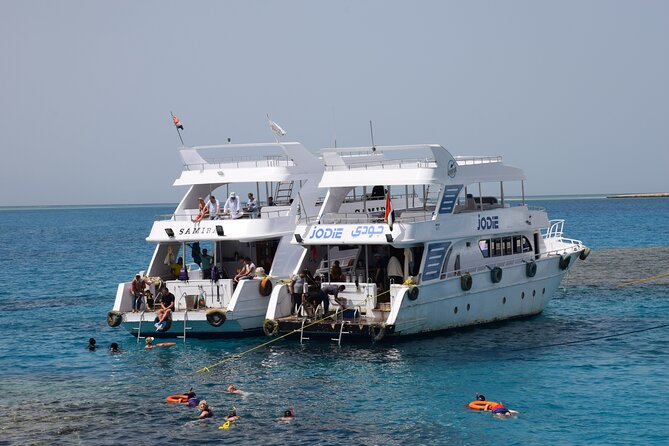
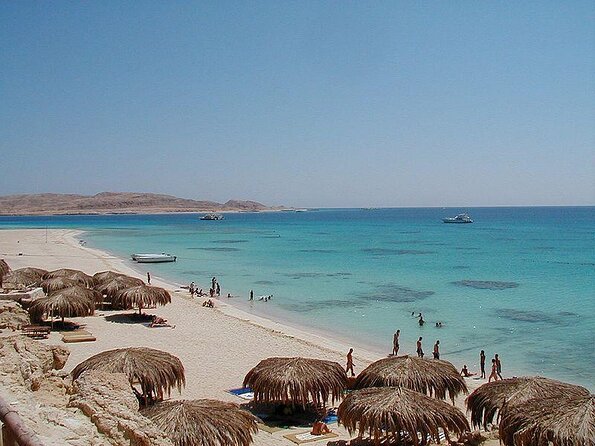
Giftun Islands is included and it’s positioned as a leisure and enjoyment day in the Red Sea. This is the classic pairing after temple and tomb intensity: you get sea views, time on the water, and the chance to see marine life.
This day is best if you go in expecting fun, not “another lesson.” Bring swim gear if you have it, keep your sun protection ready, and let the day be what it is—an easier break that still feels like real Egypt.
Hurghada Grand Aquarium and the fast jump to Cairo
The tour includes a stop listed for Hurghada Grand Aquarium, and then the big move to Cairo happens in the morning. Cairo is not a slow overnight intro here. It’s a high-impact day that includes major sights and then a very early airport departure afterward.
So here’s the honest advice: treat Cairo like the finale sprint. You’re going to see the Giza pyramids and the Sphinx, plus time at Saqqara and Memphis before heading to your hotel and then to the airport. If you’re someone who wants long museum hours and coffee breaks in every neighborhood, you might find Cairo’s pacing intense. If you’re excited by “see the icons and go,” it’s a very efficient way to do it.
Giza, Sphinx, Saqqara, and Memphis: Cairo’s big history run
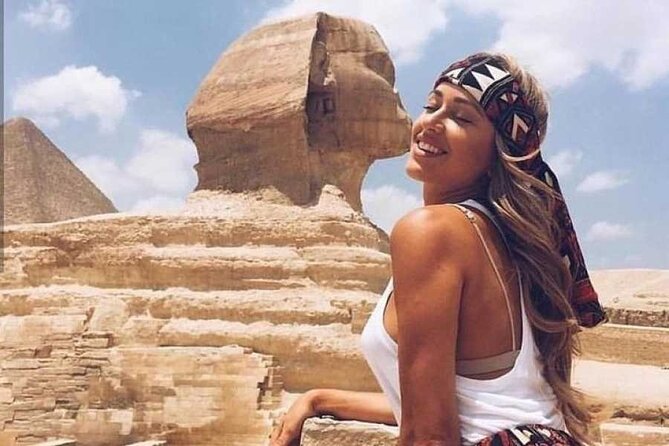
When the tour hits Cairo, it packs in the core ancient sites: Giza, the Sphinx, Saqqara, and Memphis. Even without extra stops, that’s already a huge load of early civilization storytelling in one day.
The best strategy for a day like this is mental triage:
- Pick what you want to remember most from Giza (pyramid shape, Sphinx scale, the feeling of the plateau).
- Let Saqqara and Memphis add depth—extra layers instead of trying to master every detail.
- Trust your guide’s explanations enough to guide your eyes, not replace your own looking.
If you do that, you’ll leave Cairo with the right kind of “I got it” feeling, not the “I saw a lot of stone” blur.
Guides and coordination: why names keep coming up
A lot of the tour quality in Egypt is really about people: the guide who can explain clearly, and the coordinator who keeps transfers moving. Across the feedback, a few names come up again and again—Gabriel, Maria, Merna, Irene, Reem, Khalid Jalal, Samar Helmy, Ahmed bahaa, and Marwa (including mentions of “fatafea elsoker”) among them.
Even beyond names, you can sense a pattern: guides are praised for being friendly, patient, and supportive—letting people ask questions and take pictures, while still keeping the schedule on track.
And speaking of schedule: transportation by air-conditioned cars is included for major legs. That matters because Egypt days can involve long drives, and comfort helps you stay present instead of cranky.
Price and value: what $4,000 buys you in real terms
At $4,000 per person, you’re paying for more than “sightseeing.” You’re paying for:
- 7 nights on a 5-star Nile boat (with breakfast, food, and dinner onboard)
- Hotel nights in Hurghada and Cairo
- An English-speaking Egyptologist guide
- Transfers between Luxor and Hurghada and between Hurghada and Cairo
- Entrance fees and included activities (so you’re not constantly paying at the door)
- High-ticket inclusions like the hot air balloon and Abu Simbel
If you break it down, it’s roughly $400 per day (before drinks and tipping). For a trip that bundles private guiding, multiple city transfers, and major paid attractions, that’s the kind of pricing that can make sense—especially if you’d otherwise spend time and money piecing everything together yourself.
Just remember two “fine print” points that affect your wallet: drinks aren’t included, and tipping isn’t included.
Potential snags: early mornings, added pressure, and hotel category checks
This is where you should be sharp.
First: the schedule includes very early starts for big experiences (balloon and Abu Simbel are early by nature, and there’s also at least one complaint about wake-ups in the 2 a.m. to 5 a.m. range). If you travel with older parents or anyone who struggles with early mornings, you’ll want to think carefully before booking.
Second: there are a couple negative reports that raise concerns about how some extras were handled. One unhappy account alleges pressure for extra money linked to a boat ride, plus chaotic changes and a mismatch in the claimed accommodation category. I can’t assume this happens to everyone, but it’s enough for me to recommend this practical move: confirm the exact accommodation category (and boat/hotel names) in writing before you pay, and ask how any optional shopping stops are managed. If you don’t want shopping detours, say that clearly up front.
Who should book this tour
This tour fits best if you:
- Want a classic Egypt highlight circuit without building a complex DIY itinerary
- Like structured days with an Egyptologist guiding you site-by-site
- Enjoy mixed travel styles: Nile cruise, hotel breaks, Red Sea water time, then Cairo icons
- Want the peace of mind that admissions and listed activities are included
Consider another option if you:
- Hate early mornings and need slow travel
- Want lots of free time in Cairo neighborhoods rather than a site sprint
- Are extremely sensitive to accommodation quality details and strict adherence to star ratings
Should you book this Nile, Red Sea, and Cairo combo?
If you want the biggest names—Luxor temples, West Bank tombs, Aswan monuments, Abu Simbel, Red Sea islands, and Cairo’s Giza-to-Saqqara hits—this package is built to deliver them with guide support and included tickets.
I’d book it if you’re the type who can handle an intense schedule and you’ll do two things: (1) plan for early mornings like they’re part of the deal, and (2) verify accommodation details clearly before departure.
If you check those boxes, you’ll likely feel like you squeezed the best of Egypt into one smooth, guided storyline.
FAQ
What cities does this 10-day Egypt tour include?
It includes Luxor, Aswan, Hurghada, and Cairo.
Where does the tour start and what time?
The start point is Luxor Airport, with a start time of 9:00 am.
Is the tour private or shared?
It’s a private tour/activity, meaning only your group participates.
Are meals included?
Yes. The package includes breakfast, food, and dinner on the 5-star boat, and breakfast/lunch/dinner at the Hurghada hotel. Drinks are not included.
Are entrance fees and activities included?
Yes. Admission tickets and activities are included, with no hidden fees listed.
Are the hot air balloon and Abu Simbel included?
Yes. A hot air balloon ride over Luxor and a visit to Abu Simbel are both included.
What kind of guide is provided?
You get a professional private Egyptologist guide who speaks English, and the guide accompanies you throughout the journey.
What hotels are included in Hurghada and Cairo?
You stay in a five-stars hotel for 2 nights in Hurghada and a 4-stars hotel for 1 day in Cairo.
Is tipping included in the price?
No. Tipping is not included.
Can I cancel for a full refund?
Yes. You can cancel up to 24 hours in advance for a full refund. If you cancel less than 24 hours before the start time, the amount is not refunded.