REVIEW · ASWAN
From Aswan: 2 Night-3 Day Nile Cruise & Hot Air Balloon Ride
Book on Viator →Operated by Your Egypt Vacation · Bookable on Viator
Dawn changes Abu Simbel. I love the 4:00 am pickup that gets you to the temples early, and I love the hot-air balloon morning over Luxor’s monuments. The one real consideration is the pace: you’re moving on a set schedule with early mornings and temple-heavy days.
What also matters is the human side. Basma from Your Egypt Vacation was the steady point of contact, quick to respond and good at keeping the plan clear, so the whole experience felt organized rather than chaotic. Add in that it’s private for your group, and you’re less likely to feel like you’re being herded with strangers.
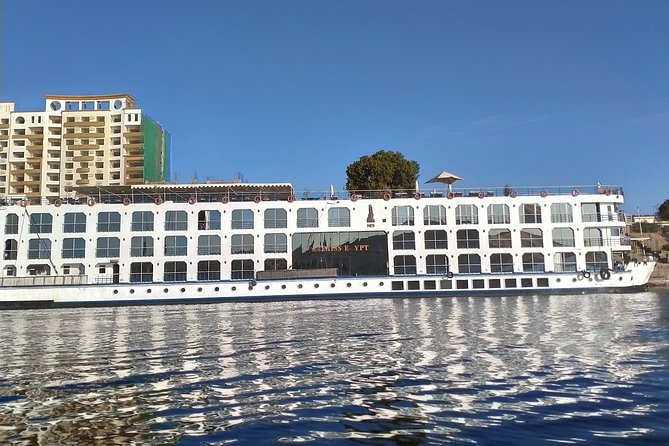
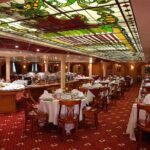
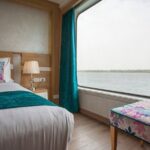
You’ll be sleeping on a 5-star cruise with full-board meals (drinks are not included) and an English tour guide plus pickup and drop-off. The payoff is big: you cover multiple major stops from Aswan toward Luxor without you having to coordinate buses, timing, and ticket lines yourself.
In This Review
- Key highlights worth your attention
- From Aswan at 4:00 am: how the day actually starts
- Abu Simbel at first light, then cruise lunch on the Nile
- Kom Ombo at sunset: the two-god temple stop that feels different
- Edfu’s Horus temple plus a horse-and-carriage breather
- Luxor from the sky: making the balloon morning worth the early start
- Valley of the Kings: three tombs, a guide’s script, and real scale
- Hatshepsut and the Colossi of Memnon: Egypt’s grandeur at eye level
- Karnak Temple on the East Bank: the finale that changes your sense of size
- Price and value: what $311.69 gets you (and what you’ll still pay)
- Practical tips that will make this cruise feel easier
- Who should book this Aswan–Luxor cruise with balloon?
- Should you book it?
- FAQ
- What time does the experience start?
- How long is the trip?
- What’s included with the price?
- Are tickets included?
- Is the hot-air balloon ride part of the experience?
- Is this tour private?
- What happens if weather is bad?
Key highlights worth your attention
- Early start for Abu Simbel: drive before sunrise and join a smaller group visit for a calmer temple experience
- Sunset Kom Ombo timing: you reach the temple around sunset, then roll right into dinner and overnight docking in Edfu
- Horus at Edfu, plus horse-and-carriage time: a classic temple stop with a fun, short ride around the grounds
- Hot-air balloon morning over Luxor: fly in the morning light, then head into breakfast and the West Bank sights
- West Bank trio plus East Bank scale: three tombs, Hatshepsut, Colossi of Memnon, then Karnak Temple
From Aswan at 4:00 am: how the day actually starts
Your day begins early—start time is 4:00 am. That matters because hot days and crowd surges make late starts less pleasant. With an early push, you trade sleep for smoother temple time and better photo light.
Pickup is handled for you, along with English guiding and local transportation. That’s a big deal in Upper Egypt, where moving between sites can be time-consuming if you’re doing it solo.
Also note the schedule is structured. You’ll be on the move across three days, so it’s not the kind of trip where you stroll slowly whenever you feel like it. If you like a plan you can trust (and you don’t mind early mornings), this works well.
You can also read our reviews of more boat tours in Aswan
- 4-Days Nile Cruise From Aswan To Luxor including Abu Simbel and Hot Air Balloon
★ 5.0 · 3,142 reviews
Abu Simbel at first light, then cruise lunch on the Nile
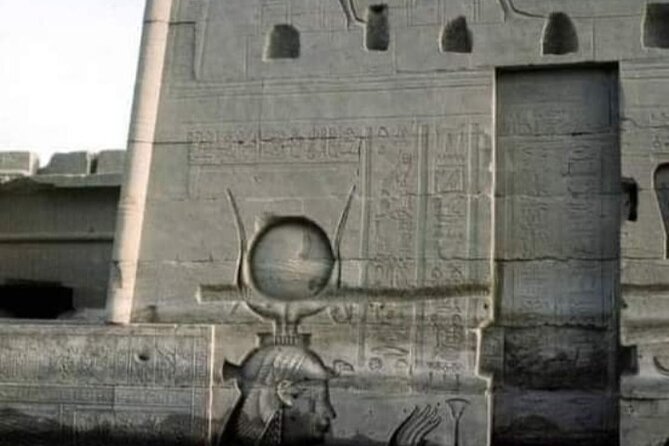
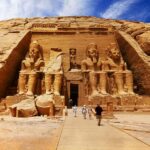
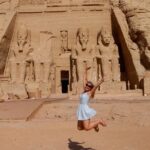
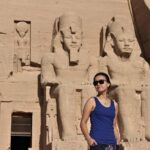
You’ll be driven in an air-conditioned vehicle from your hotel or the train station to Abu Simbel. Arriving at the break of dawn changes the vibe—temples feel less crowded and your guide can get you oriented without the rush.
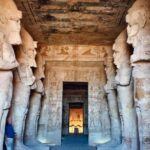
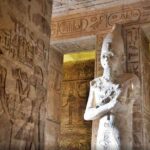
At Abu Simbel, you join a small group for a more intimate visit. Your guide explains the temple’s significance as you explore, then you head toward the cruise for lunch. This is one of the smartest parts of the schedule: you stack the hardest, most time-sensitive stop early, then let the river travel and meals do the work afterward.
Practical note: Abu Simbel is a long day even when it runs smoothly. Wear layers you can handle from early cool to later warmth, and keep a small bottle of water handy.
Kom Ombo at sunset: the two-god temple stop that feels different
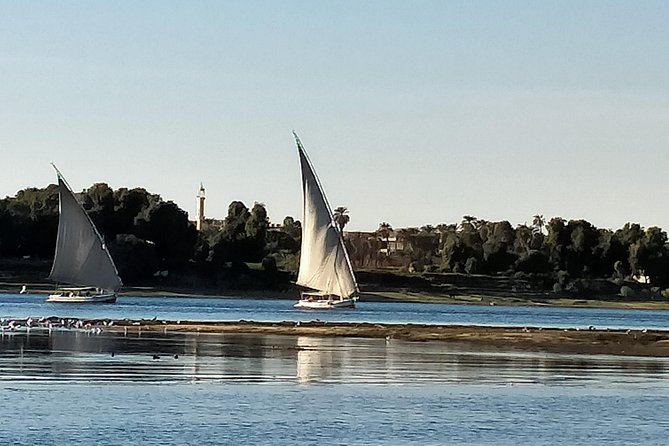
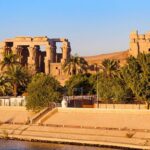
Later on day one, you arrive at the Temple of Kom Ombo around sunset. The timing is the point. Golden light on stone makes details stand out, and the atmosphere feels calmer than mid-day sightseeing.
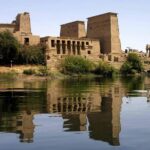
The temple dates back to 180 BCE, and it’s set up to honor two gods. As you walk through the stately columns, your guide connects what you’re seeing to the temple’s religious purpose—two deities sharing the same sacred space.
Then you shift gears fast. You hop back on board for dinner, and the boat docks in Edfu overnight. It’s a neat flow: temple → food → sleep, without you dealing with the “what now?” gap that can happen on DIY travel.
One more reason I like this stop: Kom Ombo is easier to enjoy when you’re not exhausted from switching transportation again and again. The cruise rhythm helps.
Edfu’s Horus temple plus a horse-and-carriage breather
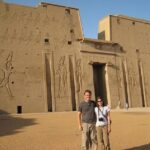
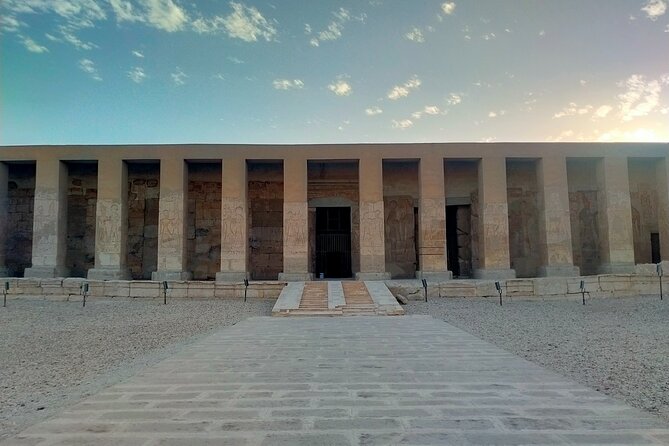
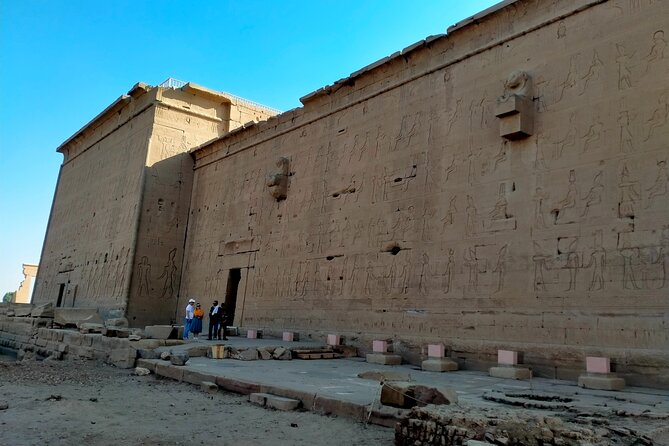
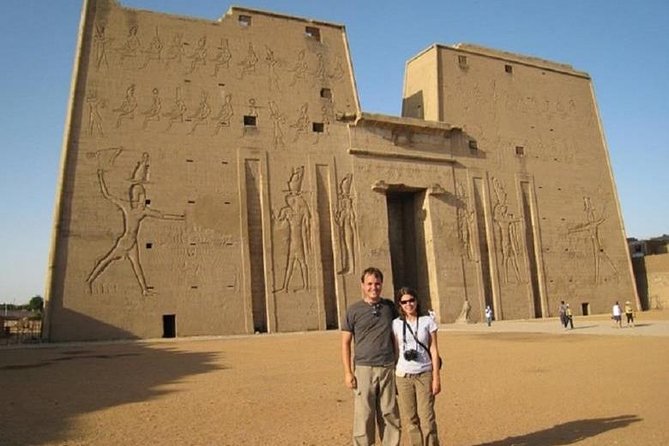
After breakfast, you head to the Temple of Edfu, dedicated to Horus. This temple is often praised for how well it’s preserved, and you can feel that while you walk inside and around it—edges, carvings, and layout make more sense when structures survive across thousands of years.
Then there’s a fun extra: you hop on a horse and carriage ride around the grounds. It’s not long, but it gives you a change of pace after walking. For many people, it’s the most “Egypt movie scene” moment of the day, without turning into a half-day detour.
You return to the cruise to relax, and you arrive in Luxor that evening. From the water, you get to look at the city’s lights as you settle in for dinner.
The only drawback here is simple: you’ll likely want comfortable shoes. Edfu includes walking through temple areas, and you’ll do it on day two when your legs are already starting to remember day one.
Luxor from the sky: making the balloon morning worth the early start
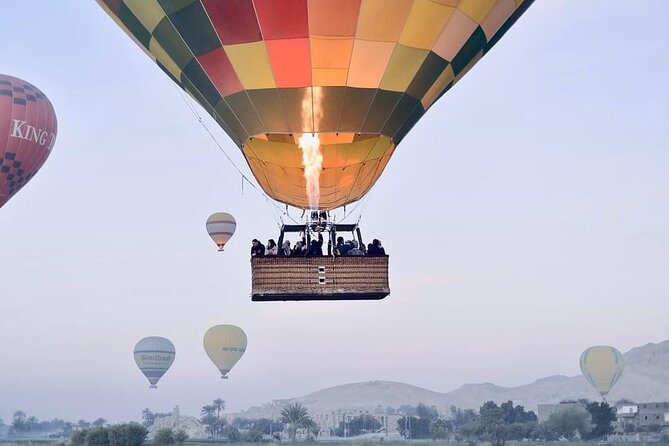
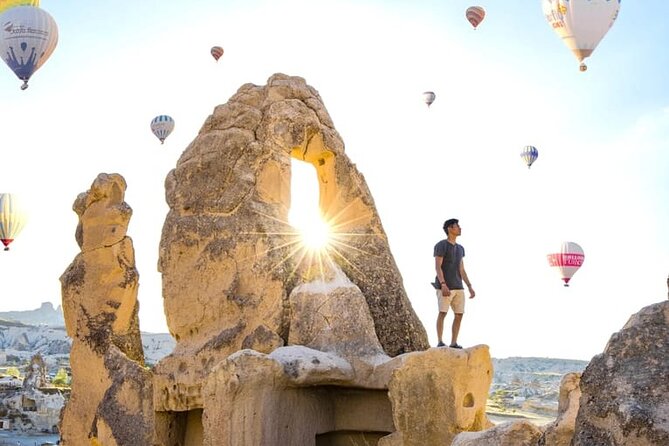
Morning on day three includes a hot-air balloon ride. The key advantage is timing: you fly early, when light is softer and the world looks less harsh than later in the day. You’re also up above the river and monuments, which can make everything you visited feel more connected.
After the balloon, you head back to the ship for breakfast. That matters because balloon rides can be tiring. The plan gives you a practical reset before you switch back to temples.
If weather affects the balloon, the operator states the experience requires good weather and you’ll be offered a different date or a full refund. That’s the standard reality of flying, and it’s worth planning your flexibility around.
This day is where the trip earns its name. You’re not just swapping sites—you’re changing viewpoints: from the Nile, from temple doorways, and then from the sky.
You can also read our reviews of more evening experiences in Aswan


Valley of the Kings: three tombs, a guide’s script, and real scale
After breakfast, you check out from the cruise and meet your driver with an English-speaking guide. The West Bank is where you go for the “how did humans build this?” feeling.
First up is the West Bank area and the Valley of the Kings, where you get the chance to visit three stunning tombs. The experience works best when you take your time with what’s painted and carved, not just when you take photos. Your guide’s job is to connect the symbols to the tombs you’re seeing, which turns the visit from “pretty walls” into something you can actually read.
Then the program continues with more West Bank highlights. You don’t just stop at one site; you move through multiple icons while everything is still fresh in your mind.
Important consideration: the West Bank involves stairs, uneven ground, and long walking days. If you have mobility limits, talk with the provider ahead of time about what’s realistic for your comfort level.
Hatshepsut and the Colossi of Memnon: Egypt’s grandeur at eye level
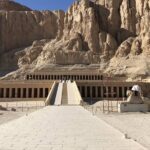
Next comes Hatshepsut, described as a stunning architectural masterpiece dedicated to one of Egypt’s most celebrated female pharaohs. Even if you don’t know all the details, the scale and design communicate power and ambition—this is monument-building on a national level.
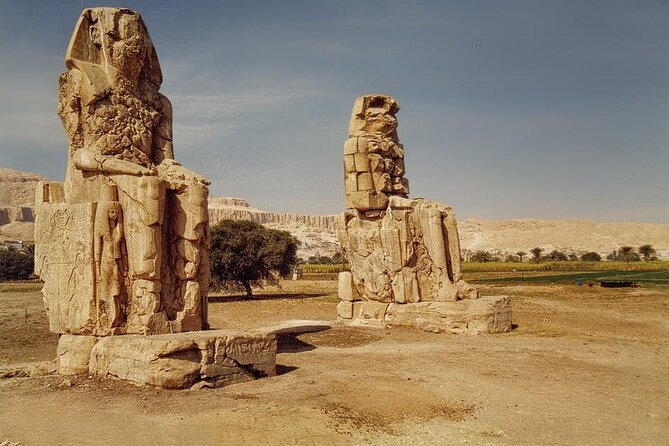
After that, you visit the Colossi of Memnon. These are massive stone statues representing Pharaoh Amenhotep III. Standing near them helps you understand why ancient Egypt’s engineering still feels unreal today.
What I like about this part of the day is pacing. After tombs—where your attention goes to walls, paintings, and inscriptions—you move to open-air monuments. The views stretch out, and the day becomes less about reading and more about taking in the size of what’s in front of you.
Bring sunscreen and a hat if you can. Exposed areas on the West Bank can get intense, even if the morning was pleasant.
Karnak Temple on the East Bank: the finale that changes your sense of size
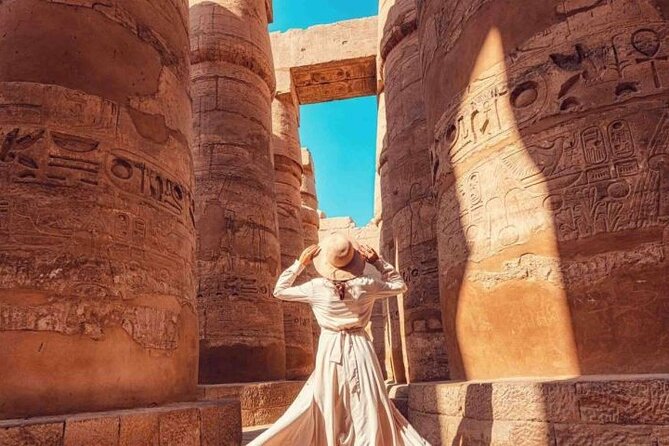
After finishing the West Bank stops, you head to the East Bank for Karnak Temple. The scale here is the whole point. Karnak is one of the largest religious structures from ancient Egypt, and walking through it makes you realize that Egypt’s sacred spaces weren’t small or “one building” affairs.
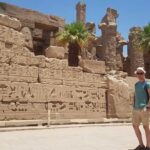
You’ll start your East Bank journey at Karnak Temple and explore the complex atmosphere with guidance. This kind of guided context helps, because it’s easy to get lost when there are columns, courts, and doorways in every direction.
Karnak also lands well as a finale. You’ve already seen tombs (West Bank) and big statues and temples (around the river). Karnak ties it together into one experience of how the civilization organized power, belief, and public space.
If you’re the type who loves photos, this is the place to slow down and frame shots. The room for mistake is high, but so is the payoff.
Price and value: what $311.69 gets you (and what you’ll still pay)
At $311.69 per person, the value comes from what’s bundled: a 5-star cruise with full-board meals, pickup and drop-off, an English tour guide, local transportation, and the core set of major sights across Aswan to Luxor.
You’re also saving time. Instead of booking separate transportation for each stop—Abu Simbel, Kom Ombo, Edfu, and Luxor—you get coordinated movement in air-conditioned vehicles plus the cruise for lodging and meals.
Now, the part you should budget for: tipping and tickets are not included. The itinerary notes admission ticket free for some stops, but the general rule still says tickets aren’t covered. Before you go, confirm what admissions are included versus what you may need to purchase on-site.
That confirmation matters more than people think. In Egypt, ticket policies can change by site and by day. Getting a clear list keeps you from arriving with money you didn’t plan to spend.
Bottom line: this price makes sense if you want less logistics work and more guide-led sightseeing. If you’re already comfortable planning transport and tickets, you might be able to do it cheaper. But cheap isn’t the goal here—the goal is smooth, high-impact sightseeing.
Practical tips that will make this cruise feel easier
First, treat the trip like a short sprint. You’ll be doing early starts, temple walking, and guided tours back-to-back. Pack for heat, but also pack for early morning chill.
Second, bring a small day bag. You’ll want a spot for your passport (if required by the operator), sunscreen, water, and a light layer. You won’t want to keep digging through luggage every time you stop.
Third, plan for sun protection. Even with air-conditioned rides, you’ll be outside at temples and monuments for long stretches.
Fourth, take cues from your guide and driver. The tour is structured with timing like sunrise Abu Simbel and sunset Kom Ombo. When you get offered a short window to see something, it’s usually the best one of the day.
Finally, lean on the contact system. With Basma being responsive and keeping things updated, you can ask questions early and get answers fast. That reduces stress on a trip where the clock matters.
Who should book this Aswan–Luxor cruise with balloon?
This works best for travelers who want a guided, high-visibility itinerary and don’t want to piece together every leg themselves. If you like the idea of seeing multiple major sites in a compact time window—from Abu Simbel to Karnak—this is a strong match.
It’s also a good fit if you value organization. Fast communication from the operator’s contact, plus an English tour guide and private-group format, helps the trip feel controlled instead of messy.
You might want to reconsider if you’re looking for a slow, flexible vacation. This isn’t a “wander whenever you feel like it” plan. The early start and temple run are part of the deal.
It’s ideal for couples, friends, and families who can handle a busy schedule and want the wow factor of a hot-air balloon ride over Luxor.
Should you book it?
Yes—if you want the best of Upper Egypt in a tight, guided package, and you’re willing to trade sleep for early temple access. The value is strong because the cruise handles lodging and most meals, while the tour handles transport and guiding between key sites.
Book if:
- you want Abu Simbel at dawn without wrestling logistics
- you’re excited for a hot-air balloon morning
- you like having an English guide connect the sights for you
Pass or think twice if:
- early starts will ruin your trip
- you prefer flexible pacing over scheduled temple stops
- you want tickets fully included (tickets are listed as not included, so confirm details)
FAQ
What time does the experience start?
The start time is 4:00 am.
How long is the trip?
It’s a 2-night, 3-day cruise experience. The overall duration is listed as 2 to 15 hours (approx.), depending on how the day’s parts fit together.
What’s included with the price?
Included items are 5-star cruise accommodation with full-board meals (excluding drinks), pickup and drop-off, an English tour guide, taxes, and all transportation in the destination area. Meals included are 2 lunches, 2 dinners, and 2 breakfasts.
Are tickets included?
No. Tipping and tickets are not included. Some stops note admission ticket free, but tickets in general aren’t listed as included, so it’s smart to confirm what’s covered.
Is the hot-air balloon ride part of the experience?
Yes. A hot-air balloon ride is included in the morning on the Luxor day, before breakfast and the rest of the sightseeing.
Is this tour private?
Yes. It’s listed as a private tour/activity, and only your group participates.
What happens if weather is bad?
The experience requires good weather. If it’s canceled due to poor weather, you’ll be offered a different date or a full refund.
You Might Also Enjoy
More Evening Experiences in Aswan
More Boat Tours & Cruises in Aswan
- 4-Days Nile Cruise From Aswan To Luxor including Abu Simbel and Hot Air Balloon
★ 5.0 · 3,142 reviews
More Tour Reviews in Aswan
- 4-Days Nile Cruise From Aswan To Luxor including Abu Simbel and Hot Air Balloon
★ 5.0 · 3,142 reviews