REVIEW · LUXOR
Valley Of The Nobles, Valley Of The Artisans and Deir El-Medina
Book on Viator →Operated by Travel to Egypt · Bookable on Viator
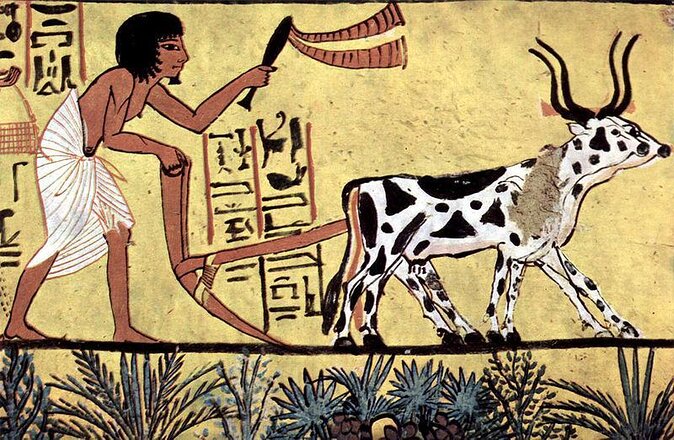
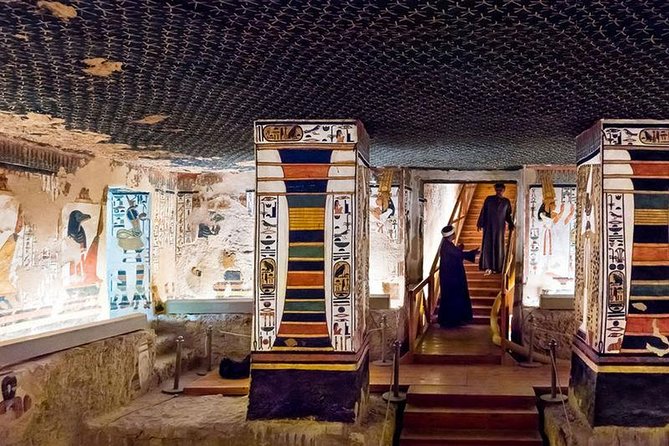
Colorful tombs still surprise me. This morning circuit through the Valley of the Nobles and Deir el-Medina focuses on wall paintings that are amazingly preserved, with a private Egyptologist who explains the big picture before you wander. The main catch: entrance fees are not included, and you might encounter an alabaster shop stop where sales pressure can run high.
Starting around 7:00 am helps you beat the heaviest crowds and see these tombs away from the usual cruise-day rush. I also love that the tour is structured enough to keep you oriented, but flexible enough to let you pause, re-look, and explore at your own pace.
You’ll also get a temple stop that’s not on every itinerary: the Temple of Deir el-Medina, dedicated to Hathor, with carvings of the Final Judgement you won’t easily find elsewhere in Egypt.
In This Review
- Key highlights to know before you go
- Why this Luxor morning beats the usual routine
- Valley of the Nobles: small in size, big on paintings
- The Tomb of Nakht (ancient priest)
- The Tomb of Menna (government official)
- Deir el-Medina: where the workers lived
- The Temple of Deir el-Medina and Hathor’s Final Judgement carvings
- The private Egyptologist approach: guided, but not handcuffed
- Price and what you’re actually paying for
- Logistics that keep the day pleasant
- Watch for the alabaster shop pressure
- Who this tour is best for
- Should you book this Valley of the Nobles and Deir el-Medina tour?
- FAQ
- What time does the tour start?
- Is hotel pickup included?
- Is the tour private?
- What’s included in the price?
- Are entrance fees included?
- How long does the tour take?
- Does the tour run in bad weather?
- Can I cancel for a full refund?
Key highlights to know before you go
- Valley of the Nobles paintings with standout color preservation
- Two star tombs: Nakht and Menna
- Deir el-Medina gives you the workers side of royal tomb building
- Temple of Deir el-Medina and Hathor, including Final Judgement carvings
- Hotel pickup/drop-off in Luxor with private air-conditioned transport
- Be ready to politely decline shopping pressure at an alabaster shop
Why this Luxor morning beats the usual routine
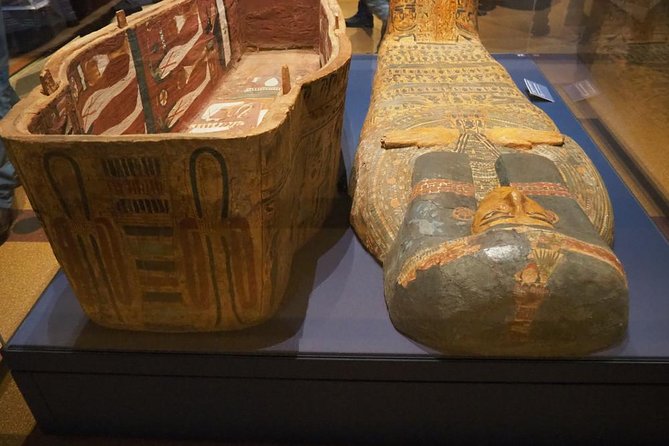
Luxor gets a lot of attention for the headline sites, and that’s fair. But if you only do the big-name temples and tombs, you miss what makes the area feel truly alive: the quiet places where artists left behind their best work.
This tour leans hard into that idea. You’re not just moving from point A to point B. You’re seeing tombs and a community site where wall art was meant to last. And you’re starting early enough to get a calmer first look.
It also helps that the tour is private for your group. That means you can set a comfortable rhythm—slow down in a tomb if the painting grabs you, speed up if you’re getting your eye in. The time you spend can be short or long too; the schedule runs roughly 1 to 6 hours depending on how much you linger and how the day goes.
You can also read our reviews of more tours and experiences in Luxor.


Valley of the Nobles: small in size, big on paintings
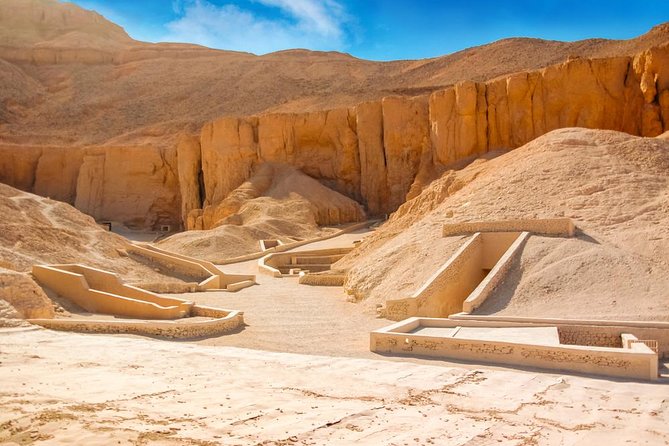
The Valley of the Nobles is often described as small, and that’s accurate. But small doesn’t mean minor. It means you can actually absorb what you’re seeing without constantly being pushed along.
The standout here is the quality and preservation of the tomb paintings. Color that still looks strong after thousands of years is not a background detail—it’s the whole reason to come. You’re looking at Theban tomb art created for people who mattered in the ancient world, and many of the scenes remain striking.
What’s smart is how the guide frames the experience. You get context from your Egyptologist, but you don’t get stuck in a lecture. After the guided portion, you get free time to explore the tombs yourself. That mix is ideal: you learn what you’re looking at, then you see it the way your eyes want to see it.
The Tomb of Nakht (ancient priest)
Nakht is an ancient priest, and the tomb is one of the best places to start because it sets the tone. Expect detailed wall scenes with figures and symbolism that make more sense once you’ve heard the guide’s explanations. The value here is in how “human” the art feels—like the people who made it assumed their work would be seen closely, not skimmed.
If you like art and you like clarity, this is where you’ll feel the most satisfied. Even if you’re not an expert on Egyptian religion, your guide helps connect the dots.
The Tomb of Menna (government official)
Menna is a government official, and his tomb gives you another angle on status and life in Thebes. The paintings here are also among the most beautiful in the area, and the preservation makes it easier to appreciate fine details without squinting or second-guessing what you’re seeing.
A practical tip: plan for a longer look in Menna. Tombs are physically tight spaces and the time passes fast. If you rush, you’ll miss the layers your eye can catch when you slow down.
Deir el-Medina: where the workers lived
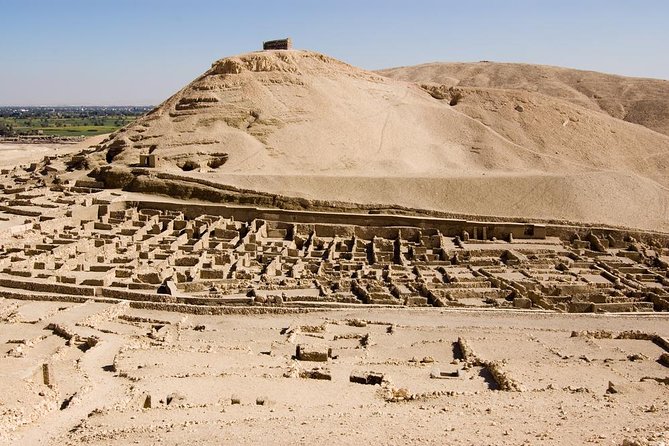
After the Nobles, Deir el-Medina changes the vibe. The Valley of the Workers is not built like a single tomb you visit and then leave behind. It’s connected to the real people who carried out the long, skilled work behind the royal monuments.
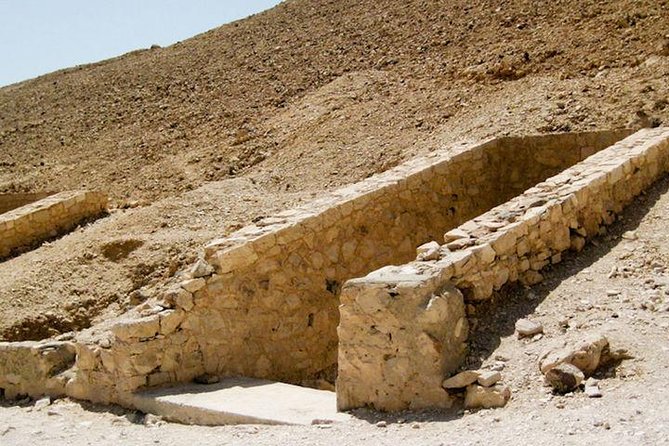
Here’s what makes this stop special for you: you’re seeing the place where the workers who built royal tombs used to live. That shifts the story away from only rulers and officials. You start to see the machine of the project—the community, the daily routines, and the religious center they used.
And because this is a private tour, you can spend time where your interests pull you. If you want more about the living experience, you can focus there. If you want to compare roles and status, you can connect what you saw at Nakht and Menna back to the workers’ world.


The Temple of Deir el-Medina and Hathor’s Final Judgement carvings
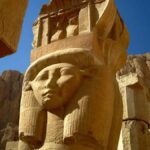
One of the most memorable aspects is the Temple of Deir el-Medina, dedicated to the goddess Hathor. Most people associate Egyptian temples with grand columns and big courtyards. This one is different because the emphasis is on religious scenes and carved detail.
The key detail you should know before you arrive: it’s the only temple in all of Egypt where you can admire carvings of the Final Judgement. That alone makes it worth your time, even if you’re not chasing a checklist.
To make the carvings click, your Egyptologist gives you the starting points, then you’re free to explore the temple space independently. That independence matters here because carvings reward close viewing. You can take your time, step back, then come in again with a clearer understanding.
Also, this is a good place to ask your guide what you should look for first. Your best viewing angle often comes from being told where the artist wanted attention.
The private Egyptologist approach: guided, but not handcuffed
This tour’s format is one of its biggest selling points. You get a qualified Egyptologist guide. You also get a plan that doesn’t trap you in constant guiding.
That matters because Egypt can be confusing fast. There are a lot of sites, a lot of names, and a lot of symbolism that takes time to decode. Here, the guide provides just enough structure to turn the sites into a story, and then you get time to absorb it without a stopwatch.
The vibe from past guides on this route has been consistently friendly and expert. People have described guides like Sayed as making the experience feel like talking with an old friend who happens to know every detail. Others have praised Ahmed Abdallah for passionate delivery and clear explanations. And Barry has been called hospitable and very informative.
You don’t need to be a museum person to enjoy that. You just need someone who can explain what you’re seeing in plain language, then let you do the rest.
Price and what you’re actually paying for
The listed price is $55.00 per person, which is a solid deal if you compare what’s included. You’re getting:
- Qualified Egyptologist guidance
- Hotel pickup and drop-off in Luxor
- Private transport in an air-conditioned car
- All taxes, fees, and handling charges
Entrance fees are not included, so you’ll want to budget separately for tickets once you’re at the sites. Still, the value here comes from the combination: expert interpretation plus private door-to-door transport.
Duration also helps your sense of value. If you only want the core stops, you can often keep it tighter. If you love lingering in tombs and want more time inside, the tour can flex within that 1 to 6 hour window.
There are also group discounts offered, which can bring the cost down if you’re traveling with friends or family.
Logistics that keep the day pleasant
A tour like this succeeds or fails based on how tired you feel at the end. The practical choices are what make it comfortable:
- Air-conditioned private vehicle
- Direct hotel pickup and drop-off (Luxor hotels only)
- A morning start that can reduce time lost to crowds
The tour also operates in all weather conditions, so you should dress appropriately. In Egypt, that usually means planning for heat, sun, and sudden shifts once you’re in and out of shaded spaces. Bring a hat or something that shades your face, and keep layers flexible so you’re not miserable.
Also, the tour is close to public transportation. That matters less if you’re using the included pickup, but it’s useful if you end up needing a backup plan.
Watch for the alabaster shop pressure
One caution shows up clearly: be mindful around the alabaster shop. The message from experience is straightforward—shops can include pushy sales tactics, inflated pricing, and requests that feel awkward if you’re not buying.
You don’t have to make a scene. You just need a plan:
- Decide what you’re willing to buy (if anything) before the shop stop
- Practice a calm no
- Don’t let tips or extra requests derail your day
If you want to avoid any surprises, ask your guide about shop stops before you commit your time. Clarify what’s optional. A good guide will tell you plainly what will happen next.
Who this tour is best for
This route is a great fit if you:
- Want beautiful tomb paintings without spending the whole day in the biggest, most crowded hits
- Like the idea of seeing Luxor from the side of artists and workers, not just rulers
- Appreciate Egyptology that explains enough to guide your eyes, not enough to control them
- Prefer private, flexible pacing over group herding
It’s also a good choice if you’ve already done the major temples and want something more intimate and art-focused.
If you’re the type who hates tomb interiors, heavy walking, or confined spaces, you might still enjoy it, but you’ll want to be honest about your comfort level before you go.
Should you book this Valley of the Nobles and Deir el-Medina tour?
If you care about wall art and you want a morning that feels calmer and more human, I think this is an easy yes. The combination of the Valley of the Nobles’ well-preserved paintings and Deir el-Medina’s workers’ world adds balance to a Luxor trip.
Book it if you want a private Egyptologist, door-to-door convenience, and time to actually look. Skip or think twice if you know shop stops and sales pressure will annoy you—just go in with a polite no ready, and keep your budget for entrance tickets in mind.
Either way, if your goal is to see Luxor beyond the obvious highlights, this morning circuit is one of the more rewarding ways to do it.
FAQ
What time does the tour start?
It starts at 7:00 am.
Is hotel pickup included?
Yes. Hotel pickup and drop-off are included for Luxor hotels.
Is the tour private?
Yes. It’s a private tour/activity, so only your group participates.
What’s included in the price?
The price includes a qualified Egyptologist guide, hotel pickup and drop-off (Luxor hotels only), private air-conditioned transport, and all taxes, fees, and handling charges.
Are entrance fees included?
No. All entrance fees are not included.
How long does the tour take?
The duration is listed as approximately 1 to 6 hours.
Does the tour run in bad weather?
Yes. It operates in all weather conditions, and you should dress appropriately.
Can I cancel for a full refund?
Yes. You can cancel up to 24 hours in advance for a full refund. If you cancel less than 24 hours before the experience starts, the amount paid will not be refunded.