REVIEW · LUXOR
Valley of Kings, Queens, Temples of Hatchepsut, Habu, and Mooore
Book on Viator →Operated by Book Egypt Tours · Bookable on Viator
A full West Bank day can be a lot. This one is packed, but it’s guided well and built around the big names. I really liked the Egyptologist guide who explains what you’re seeing, and the A/C vehicle pickup that keeps you comfortable between sites. The route is also strong value for the number of major monuments you hit in one day.
What makes this tour work is the balance between time in tombs and time learning the story behind them. You also get entry included for several key stops, plus a bottle of water during the trip. One thing to consider: with six-plus archaeology stops, you’ll want to go with a steady pace mindset, not a relaxed stroll.
In This Review
- Key highlights worth your attention
- The West Bank Marathon: what an 8-hour route really means
- Valley of the Kings: 63 tombs and the King Tut effect
- Hatshepsut at Deir el-Bahari: architecture with a message
- Colossi of Memnon: big statues, smaller time
- Medinat Habu (Ramses III): war scenes and worker ruins
- Deir el-Medina: the workers who built the tombs
- Valley of the Queens: tombs for queens, princesses, and surprises
- Tombs of the Nobles: Book of the Dead corridors
- Price and what you actually get for $192
- How to make the most of the day (without burning out)
- Should you book this Luxor West Bank tour?
- FAQ
- How long is the tour?
- How much does the tour cost?
- What does the tour include for transport?
- Are admission tickets included?
- Does the tour have an Egyptologist guide?
- Is water included?
- Is this a private tour?
- Is tipping included in the price?
- Is there free cancellation?
Key highlights worth your attention
- Egyptologist explanations on every stop: you’re not just walking through rooms; you’re getting the meaning behind the scenes.
- A/C comfort between monuments: a cooler car helps when Luxor feels hot and dusty.
- Tickets included for major West Bank sites: Valley of the Kings, Hatshepsut, Habu, Deir el-Medina, Queens and more.
- Small-group feel thanks to a private format: only your group participates, so your guide can keep the day flowing.
- Cultural contrast in one sweep: royal tombs, queens’ burials, worker village life, and nobles’ afterlife texts.
The West Bank Marathon: what an 8-hour route really means
This tour targets Thebes’ West Bank, where Luxor’s tomb culture lives. In one day you go from royal power to everyday laborers, then back to high-status burial rituals. The upside is efficiency. The downside is energy management.
The day is structured around short, guided visits that keep you moving—about 2 hours at the Valley of the Kings, then roughly 1.5 hours at Hatshepsut, 20 minutes for the Colossi of Memnon, 1 hour at Medinat Habu, and another 1 hour each at Deir el-Medina and the Valley of the Queens, plus time for the Tombs of the Nobles. That schedule can feel busy, but it’s also how you actually fit this many major sites into a single day without wasting half your time in transit.
Comfort matters here. The pickup and returns are handled by a modern A/C vehicle, and that detail can make a surprising difference. The guide team also helps you interpret what you see quickly, which is the difference between a checklist day and a day that actually sticks.
You can also read our reviews of more tours and experiences in Luxor.

Valley of the Kings: 63 tombs and the King Tut effect
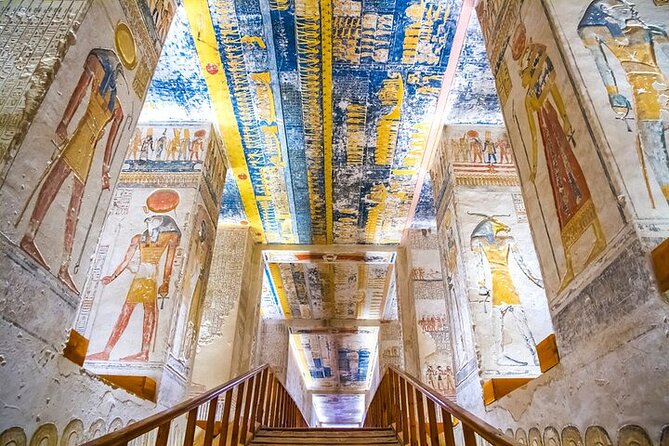
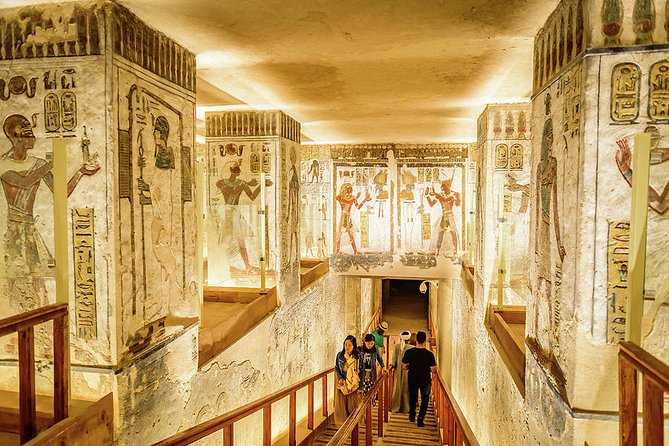
Your day starts in the Valley of the Kings, the classic West Bank draw. There are 63 tombs in the valley, and the scale tells you something right away: these weren’t casual burials. These were engineered journeys for the afterlife, decorated with scenes tied to Egyptian mythology.
The guide’s job here is huge. Tombs can look similar at first glance—stone walls, corridors, painted or carved symbolism—and that’s where an Egyptologist earns their fee. You’ll hear how royal tomb decoration connects to beliefs of the period, and you’ll connect the dots between the imagery and the idea of what a pharaoh was preparing for.
Yes, King Tutankhamun is the name most people recognize. But what I like about starting at the Valley of the Kings is that it sets the tone for everything else you’ll see today. You’re learning the West Bank language: tombs aren’t just rooms; they’re instructions.
Practical tip for your comfort: tombs can be dim and uneven. Wear shoes with grip and be ready to pause often to take in inscriptions without rushing.
Hatshepsut at Deir el-Bahari: architecture with a message
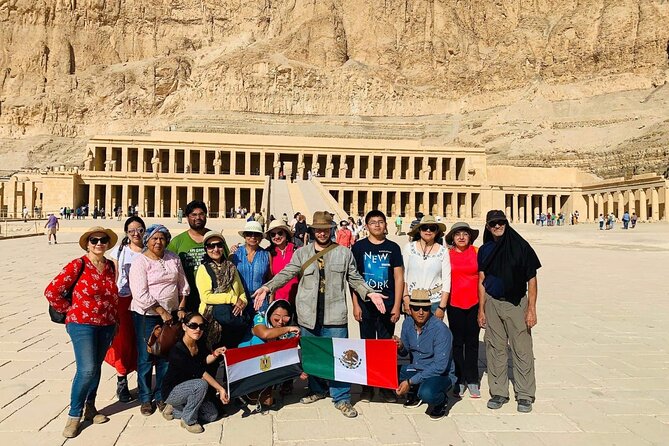
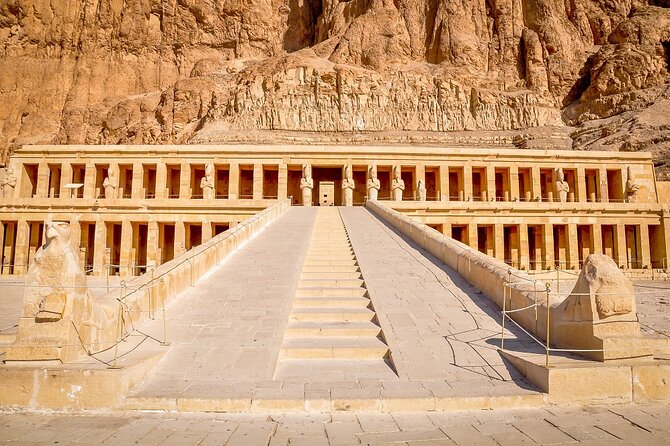
Next comes the Temple of Hatshepsut at Deir el Bahari, one of the most striking temple designs on the West Bank. This isn’t a simple rectangular structure. The architecture and layout give you a sense of staging—like you’re walking into a carefully planned statement.
What I liked most is that your guide connects the building style to the story inside it. You’ll hear about inscriptions linked to the royal journey and the divine birth of Queen Hatshepsut. The tour information also points to who shaped it: the mortuary temple was designed and constructed by Senenmut, described here as high priest and architect, around 1503 B.C.
This stop works because it slows the day down just enough. You get time to look beyond stone and into meaning: how power was presented, how a ruler claimed divine legitimacy, and how the temple functioned as both a religious site and a political message.
If you’re the type who likes to see why people built something, this is one of the best places on the route. If you prefer pure speed, note that Deir el-Bahari rewards a little patience. Even when the schedule moves you along, the temple deserves careful glances.
Colossi of Memnon: big statues, smaller time
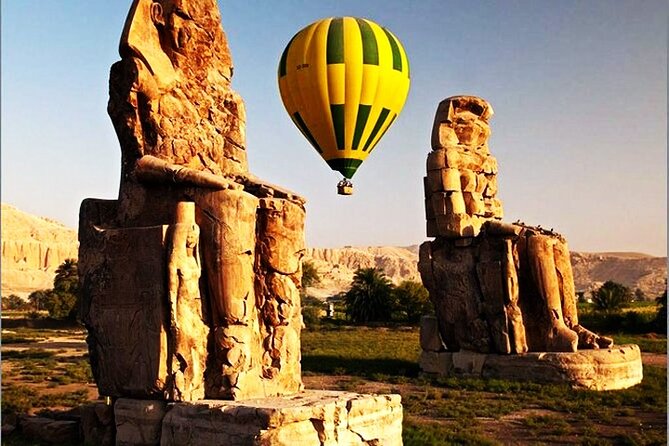
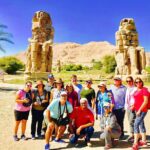
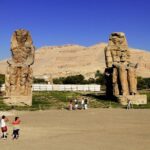
Then you head to the Colossi of Memnon. These are gigantic statues sculptured from sandstone, and they’re famous enough that most people recognize the name even before they see the scale.
Your short stop is timed at about 20 minutes. That can sound too quick until you remember what these statues are for: they’re a landmark. The guide also adds context with the legendary story connected to them, so you’re not just photographing two enormous forms—you’re getting the meaning wrapped around them.
Here’s the tradeoff. You won’t be doing a long walk or extended museum-style experience. You’ll see the statues, hear the story, and move on. That’s exactly why it fits in this tour format: it keeps the day balanced between heavy stops and lighter ones.
My advice: use this brief moment to get one good wide photo from a comfortable distance, then one closer shot if the area allows it. Don’t spend your whole time hunting for the perfect angle; you’ve got more carvings waiting later.
Medinat Habu (Ramses III): war scenes and worker ruins
Temple of Medinat Habu is where the West Bank feels gritty in a good way. This is described as the best and biggest temple in the West, constructed by King Ramses III. And the tour highlights what you’ll see on the major walls: colorful scenes that include moments tied to conflict and labor.
One of the most memorable details in the tour description is the mention of the first work strike ever. You also get war-related imagery: soldiers represented counting how many hands and limbs they shut off from enemies, supposedly rewarded by the king. Whether you focus on the message, the art style, or the shock of the subject matter, these scenes change how you interpret the role of power at Habu.
Another part I appreciated is what’s around the temple complex. The information you’re given includes references to ruined mud-brick houses of the workers who built the temple and even a ruined mud-brick palace of the king nearby. That matters because it adds texture. You’re not only seeing royal stone art; you’re seeing the human footprint left behind by the people who made the monument possible.
This stop is about an hour. For me, that’s the right amount here. You get time to take in the main wall scenes and then let your guide steer you toward what to notice without getting stuck too long in any one corner.
Deir el-Medina: the workers who built the tombs
After the temple drama, Deir el-Medina shifts the story to the people who actually made it. This ancient town belonged to the workers, craftsmen, and sculptors who carved the cemeteries of kings, queens, and nobles.
The tour framing makes Deir el-Medina feel personal. Workers and their life events mattered enough to be part of the record, and the craftspeople had their own way of honoring their contribution. The key idea you’ll take away is that the builders had their own necropolis—described as even more attractive than the royal cemeteries.
This stop is about an hour, which is perfect for a site like this. You won’t get overwhelmed, and you’ll still come away with a stronger mental picture of the whole system: pharaohs and queens planned for eternity, but the day-to-day work was done by skilled teams living in their own community.
If you’ve only ever heard about royal tombs, Deir el-Medina adds the missing layer. It turns the West Bank from a list of impressive monuments into a working culture where art, labor, and belief intersect.
Valley of the Queens: tombs for queens, princesses, and surprises
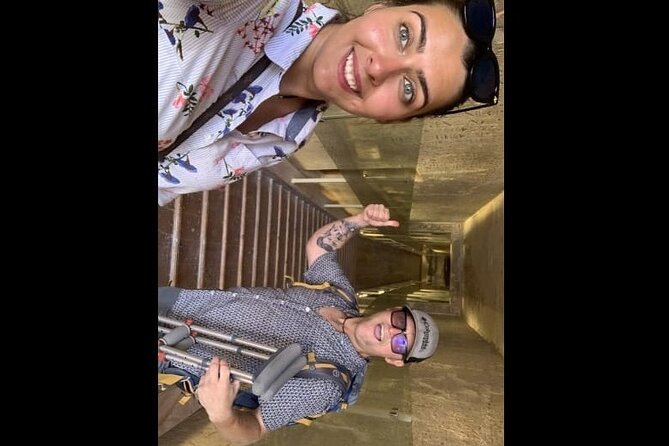
Then you shift into the Valley of the Queens, where the New Kingdom pharaohs created special tombs for queens, princesses, and other royal women. This is a different kind of “royal” than the Valley of the Kings, and the guide helps you feel the distinction.
In the tour information, you’ll hear that many wives and children of Ramses III were buried here. You’ll also get a particularly specific detail: a fetus mummy still preserved into a tomb is mentioned as part of what you may encounter in the valley’s offerings. It’s exactly the kind of thing that makes the queens’ burials feel emotionally real, not just ceremonial.
Like the other tomb-and-temple sites, this stop is about interpretation. Without a guide, queens’ tombs can blur together into a set of entrances. With the explanations, you understand how selection, status, and royal identity shaped burial planning.
You have about an hour for this part of the route. That’s enough to absorb the main points without rushing your eyes through every corridor.
Tombs of the Nobles: Book of the Dead corridors
The day ends with the Tombs of the Nobles, described here as more than 400 tombs belonging to nobles. That number alone tells you the West Bank wasn’t only for pharaohs. A whole class of elites wanted an afterlife prepared in stone.
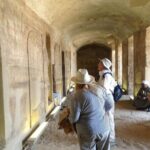
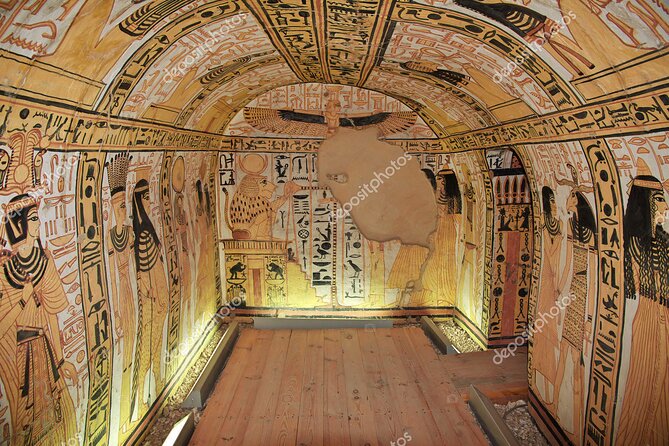
One of the strongest features of this stop is that you’ll be directed toward decoration with cryptic passages from the Book of the Dead. These texts were intended to guide someone through the afterlife. When you hear that, the walls stop being background. They become steps in a ritual pathway.
This is the part of the day where I most appreciate the Egyptologist approach. You don’t need every word translated to grasp the theme. The guide’s explanations help you see how the imagery and texts relate to survival, judgment, and the journey beyond death.
The tour concludes with transfer back to your hotel or Nile Cruise in Luxor. After a day like this, that ride can feel like a reward: you’ve spent hours in history that’s physical, not abstract.
Price and what you actually get for $192
At $192 per person, this is not a budget minitour. But it also isn’t just a seat in a van. The price includes pickup and return transfers by a modern A/C vehicle, a fully licensed Egyptologist guide, a bottle of water, and all service charges and taxes.
Most importantly, you’re also getting entry/admission included for the major sites: the Valley of the Kings, Hatshepsut Temple, Habu Temple, Deir el-Medina, and the Valley of the Queens, plus the tour covers the rest of the West Bank program you’ll be visiting that day.
In practical terms, it reduces decision fatigue. You don’t have to juggle ticket purchases and you don’t have to wonder whether key sites are covered. With a day this packed, eliminating those headaches can be worth real money.
What’s not included is tipping. That’s normal in Egypt and you’ll want to budget for it. Also not included are any optional add-ons. If you want extra time in specific tombs or want to go beyond the set route, you may pay more.
If you value a guide who can explain the symbolism behind the walls, this is the sort of tour where the cost can feel reasonable fast. If you prefer slow independent wandering with no structured explanations, you might not get full value from an Egyptologist-led schedule.
How to make the most of the day (without burning out)
This tour is about seeing a lot. Your goal is to choose what to pay attention to, so your brain can hold onto it.
I suggest you do this:
- Pick a theme for the day: royal power, temple messaging, worker life, and afterlife texts.
- Ask your guide one question at each major site. Small questions stick better than trying to learn everything.
- Pace your photos. Get the wide views early, then let your eyes do the closer work while you’re inside.
Also plan to be flexible with your speed. Tombs and temple areas can change how long you can comfortably spend in one spot. The guide’s structure helps, but your comfort matters too.
Finally, go in knowing you’re stacking the West Bank. If you’re someone who hates crowded days or long drives, choose a slower option. If you’re eager to see the main monuments in one go, this route is designed for you.
Should you book this Luxor West Bank tour?
I think you should book it if you want one well-guided day that connects the major West Bank sites into a single story. The stand-out strengths are the Egyptologist guidance and the practical comfort details—especially the A/C vehicle that keeps the day livable. Add in admission tickets covering key monuments, and the $192 price starts to look like sensible value rather than a splurge.
I’d skip or rethink if you only want a casual pace. This is a full day with multiple tomb and temple stops, so it suits people who like a structured plan and want their guide to explain what they’re seeing.
If your top priority is West Bank highlights with meaning, not just landmarks, this is a strong fit.
FAQ
How long is the tour?
The tour is listed as approximately 8 hours.
How much does the tour cost?
The price is $192.00 per person.
What does the tour include for transport?
Pickup and return are offered, with all transfers by a modern A/C vehicle.
Are admission tickets included?
Yes. Entry/Admission is included for the Valley of the Kings, Hatshepsut Temple, Habu Temple, Deir el-Medina, and the Valley of the Queens.
Does the tour have an Egyptologist guide?
Yes. The tour includes qualified and fully licensed Egyptologist guides.
Is water included?
Yes. A bottle of water is included during the trip.
Is this a private tour?
Yes. It is private, and only your group will participate.
Is tipping included in the price?
No. Tipping is not included.
Is there free cancellation?
Yes. You can cancel for a full refund if you cancel up to 24 hours in advance of the experience’s start time.