REVIEW · GIZA
Unforgettable: Giza Pyramids, Camel ride & Cooking class tour
Book on Viator →Operated by Explore Egypt tours · Bookable on Viator
This is the kind of day that feels like Egypt in stereo. You’ll see the Pyramids of Giza up close, add a camel ride on the Sahara desert area, and finish with a hands-on Egyptian cooking lesson. It’s built for first-timers who want the big icons plus one memorable cultural twist.
Two things I really like about this tour are the private air-conditioned car pickup from your hotel and the fact that you get an Egyptologist-style guide for the key monuments. You also get a timed mix of structured touring and a clear block of freedom for your camel ride.
One possible drawback: the experience length runs about 6 to 8 hours, and you’ll be outdoors for stretches. If you’re sensitive to heat or have limited stamina, you’ll want to plan your day carefully.
In This Review
- Quick takeaways before you go
- Why this Giza trip mixes pyramids, camel time, and cooking
- Getting to the Giza Plateau: pickup, private car, and timing
- Pyramid of Cheops, Khafre, Menkaure: what to focus on first
- Giza Plateau with 9 pyramids, then a 1-hour camel ride
- Khafre’s Valley Temple and the Sphinx: the guard lion connection
- Cooking class with pyramid views: learn flavors you can repeat
- Guides make the difference: what to expect from an Egyptologist
- Price and value at about $76 per person
- Who this tour fits best (and who should choose something shorter)
- Should you book this tour?
- FAQ
- How long is the Giza Pyramids, camel ride, and cooking class tour?
- Where do you get picked up from?
- Is this a private tour?
- Are the entrance fees included?
- Does the tour include a camel ride?
- Is the cooking class included?
- What sites are included in the sightseeing portion?
- What’s included for food and drinks?
Quick takeaways before you go
- Private pickup from Cairo or Giza in a climate-controlled car saves a lot of hassle.
- Egyptologist guide time is scheduled for the pyramids, Sphinx, and Valley Temple (not just quick photo stops).
- Giza Plateau stop includes 9 pyramids and the layout is explained, including smaller queens’ pyramids.
- Camel ride time is real (about 1 hour), not a token moment.
- Optional cooking class happens at a hotel with pyramid views, so you’re ending with something different.
- Entrance fees and a bottle of water are listed as included, depending on selected options.
Why this Giza trip mixes pyramids, camel time, and cooking
Most Giza tours do one thing really well: pyramids, then maybe the Sphinx, then they rush you to move on. This one is different because it treats the day like a full story. You start with the monumental stuff—Cheops, Khafre, Menkaure—then you switch to the open, sandy feel with a camel ride around the pyramid area. Finally, you add a cooking class that turns the day from sightseeing into culture.
That combination makes the day stick. The pyramids give you scale and mystery. The camel ride gives you a sense of place you can’t get from photos alone. And the cooking class gives you an easy way to remember the trip later, when you’re making Egyptian flavors at home.
Also, the tour is set up as a private experience, so your group doesn’t get swallowed by a big crowd. That matters at Giza, where lines, walking pace, and heat can otherwise turn your day into a test of patience.
You can also read our reviews of more tours and experiences in Giza.

Getting to the Giza Plateau: pickup, private car, and timing
You’re picked up from your hotel in Cairo or Giza, then driven in a private air-conditioned car. For many people, this is the underrated value: you avoid the mental tax of coordinating transport and you start the day already in “pyramid mode.”
The tour runs about 6 to 8 hours. In practical terms, that’s long enough to feel complete, but short enough to keep it manageable if you’re only in the area for a day. The itinerary is paced with stop lengths that add up cleanly: around 2 hours for the pyramids visit, 1 hour for the plateau/camel section, 1 hour for the Valley Temple and Sphinx, and about 2 hours for the cooking class. That totals about 6 hours, with extra travel and time on-site that can stretch toward the full 8.
One note for planning: because you’re outdoors for major sights and for camel time, bring what helps you stay comfortable. Think hat, sunglasses, sunscreen, and shoes with grip.
Pyramid of Cheops, Khafre, Menkaure: what to focus on first
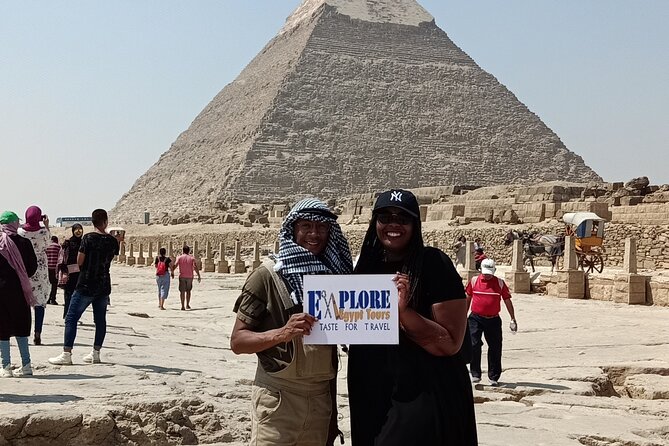
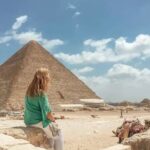
Your day starts at Giza with the core monuments. The Pyramids of Giza are the famous “seven wonders” type of experience—ancient, bold, and unlike anything else you’ll see. You’ll get a guided visit that includes the Pyramid of Cheops, the Pyramid of Khafre, and the Pyramid of Menkaure, with about 2 hours assigned to this opening stage.
Here’s what makes this first stop worth your time: the guide experience. A strong guide doesn’t just point and move. They connect shapes, placement, and names so the complex stops feeling like three separate objects. You’ll be walking a real archaeological zone, and the best payoff comes when you understand what you’re looking at and why the layout matters.
The included admission is an extra plus. You can focus on the experience instead of spending time figuring out tickets. Also, the tour is designed for a half-day-style feel even though it runs longer overall, which helps you stay oriented instead of overwhelmed.
If you’re short on days in Cairo, this is a smart “main icons + context” start. If you’re the type who wants only the very basics, you may still find you want more time here once you see how much there is.
Giza Plateau with 9 pyramids, then a 1-hour camel ride
The next phase takes you onto the Giza Plateau area, where the tour expands beyond the three headline pyramids. You’ll visit 9 pyramids: three belonging to the kings of the 4th dynasty, plus six smaller pyramids associated with queens. That detail is important because it changes how you see the plateau. It’s not just a skyline of giants; it’s a carefully organized sacred landscape.
You’ll also get stories and secrets explained by a specialist archeologist-style guide. The value of this portion isn’t only the number of pyramids. It’s the way the tour helps you read the site. When you understand why the pyramids sit where they do, you stop feeling like you’re wandering and start feeling like you’re following a plan.
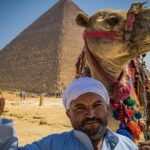
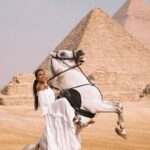
Then comes the part many people book for: free time to ride a camel in the Sahara desert area around the pyramids. The camel ride is scheduled at about 1 hour, and it’s described as focused on getting memorable pictures from the desert on your camel. Even if you don’t care about selfies, that perspective—high enough to see the geometry from another angle—is a real bonus.
Practical consideration: camel time can be physically and mentally different for each person. If you’re worried, go in with patience. Wear closed-toe shoes and expect the ride to be slower than you might imagine in a photo.
Khafre’s Valley Temple and the Sphinx: the guard lion connection
After the plateau, you continue to the Valley temple of King Khafre. This stop is built around one big theme: how the temple relates to Khafre’s afterlife beliefs. You’ll learn that the Valley Temple was built to mummify his body after death, and it’s connected to the Great Sphinx.
That connection matters, because it helps you understand the Sphinx as part of a larger complex rather than a lone statue in a field. The Sphinx statue is described as having the head of King Khafre and the body of a lion—meant to guard his pyramid. Your guide takes you on a special walk around the colossal statue and shares stories and secrets behind it.
There’s about 1 hour allocated for this whole Sphinx/Valley Temple portion, including the guided loop around the Sphinx. At Giza, time is everything. A good guide pacing here means you see what’s important without getting dragged into endless detours.
One more reason this stage feels worth it: many first-time visits treat the Sphinx as a box-check item. Here it’s framed with meaning, so you’re more likely to actually remember what you learned while standing there.
Cooking class with pyramid views: learn flavors you can repeat
This tour ends with an Egyptian cooking lesson—an optional add-on depending on which version you select. The class lasts about 2 hours, and it happens at a hotel with a view of the pyramids.
The format is practical. You’re welcomed by a friendly expert chef who teaches you cooking with a focus on traditional Egyptian cuisine. The goal isn’t culinary perfection; it’s learning how to cook like a local in a way you can repeat later. You’ll also eat what you make and learn about local Egyptian lifestyle as part of the experience.
Value-wise, this is one of the strongest parts of the whole day because it gives your brain a break from monuments. Pyramids are heavy on awe and walking. A cooking class is active, interactive, and sensory. Plus, the pyramid view while you learn makes it feel like a continuation of the day instead of an unrelated add-on.
If the option includes lunch built around what you choose, that’s another practical win: you’re not stuck with a random meal. But double-check what’s included for your specific selection.
Guides make the difference: what to expect from an Egyptologist
A lot of Giza tours sound similar on paper. The real difference shows up in the guide. In past experiences with this company, guides like Mahmoud, Ines, Adam, Ahmed Ghanem, Azmy Salama, and Mohamed Fathi have been singled out for being welcoming and professional, with strong command of the pyramids story. People also noted that good guides keep the day moving while still making time for photos and giving short, clear introductions before key moments.
What I like about the way this tour is described is that it’s not “walk fast, talk later.” You get guide time at the pyramids, at the plateau, at the Valley Temple and Sphinx, and then the chef takes over for the cooking class. That handoff keeps the day from feeling like separate random stops.
If you’re visiting for the first time, this structure helps. You don’t just see icons—you learn the connections, which makes the whole complex feel more coherent.
Price and value at about $76 per person
At $76 per person, this sits in the budget-friendly-to-mid range for a private Giza day with multiple stops. Here’s what you’re typically getting value-wise:
- Private air-conditioned transfers from your hotel
- A professional Egyptologist tour guide
- Entrance fees to the Pyramids, Giza Plateau, Valley temple, and Sphinx (depending on selected options)
- A bottle of water
- Coffee and/or tea during the day
- Tourist permission listed as included
- Taxes and charges listed as included
The items that are most likely to change your final value are the optional parts. The camel ride and the cooking class are specifically described as included if you select those options. If you choose both, the day becomes a full package: monument time + desert experience + cultural food time.
Also, tipping isn’t included. That’s pretty standard, but it’s worth planning for so you’re not scrambling at the end.
Bottom line: if you want a private, structured Giza day and you’ll actually use the camel and/or cooking options, this pricing makes sense. If you only care about one monument area and nothing else, you might find a shorter, cheaper version fits better.
Who this tour fits best (and who should choose something shorter)
This tour is a good fit if you:
- Want a first-time Giza experience that covers the big landmarks plus context
- Like having a guide explain names, relationships, and placement instead of just photos
- Enjoy hands-on cultural activities like cooking
- Prefer a private group pace rather than large crowds
It might be less ideal if you:
- Have limited stamina due to a long outdoor day
- Only want the absolute minimum time at Giza and nothing else
- Are very budget-tight and don’t plan to use the optional camel ride or cooking class
If you’re traveling with teens or curious kids, the combo of pyramids and camel ride can be a strong sell. And if you’re traveling solo, the private pickup and guided stops can reduce stress—especially if you don’t want to negotiate your day hour by hour.
Should you book this tour?
I’d book this when you want more than a quick pyramid checkbox. The mix of pyramids + Sphinx/Valley Temple + camel ride + cooking class is exactly the kind of itinerary that turns a single Giza day into something you’ll remember for more than just the photos.
Before you book, check one thing: which options you’re selecting. If you’re excited about camel time and the cooking class, pick the versions that include them so you get the full value. If you’re only curious about the monuments, you may prefer a shorter-format tour to save time and energy.
If you’re okay with 6 to 8 hours outdoors and you want a guide-led day that feels coherent from start to finish, this is a solid choice for Giza.
FAQ
How long is the Giza Pyramids, camel ride, and cooking class tour?
The tour is listed as about 6 to 8 hours.
Where do you get picked up from?
Pickup is offered from your hotel in Cairo or Giza.
Is this a private tour?
Yes. It’s described as private, with only your group participating.
Are the entrance fees included?
Entrance fees for the Pyramids, Giza Plateau, the Valley temple, and the Sphinx are listed as included (if the option is selected).
Does the tour include a camel ride?
A camel ride is included if you select that option, with free time to ride in the Sahara desert area for about 1 hour.
Is the cooking class included?
The cooking class is included if you select that option. It lasts about 2 hours and takes place at a hotel with pyramid views.
What sites are included in the sightseeing portion?
You’ll visit the Giza Pyramids, including the Pyramid of Cheops, Khafre, and Menkaure, plus the Great Sphinx and the Valley temple of King Khafre.
What’s included for food and drinks?
You’ll have a bottle of water, and coffee and/or tea. If the cooking class option is selected, you’ll enjoy the cooking class and eat afterward.